8 Most Welcoming Towns In Montana's Countryside
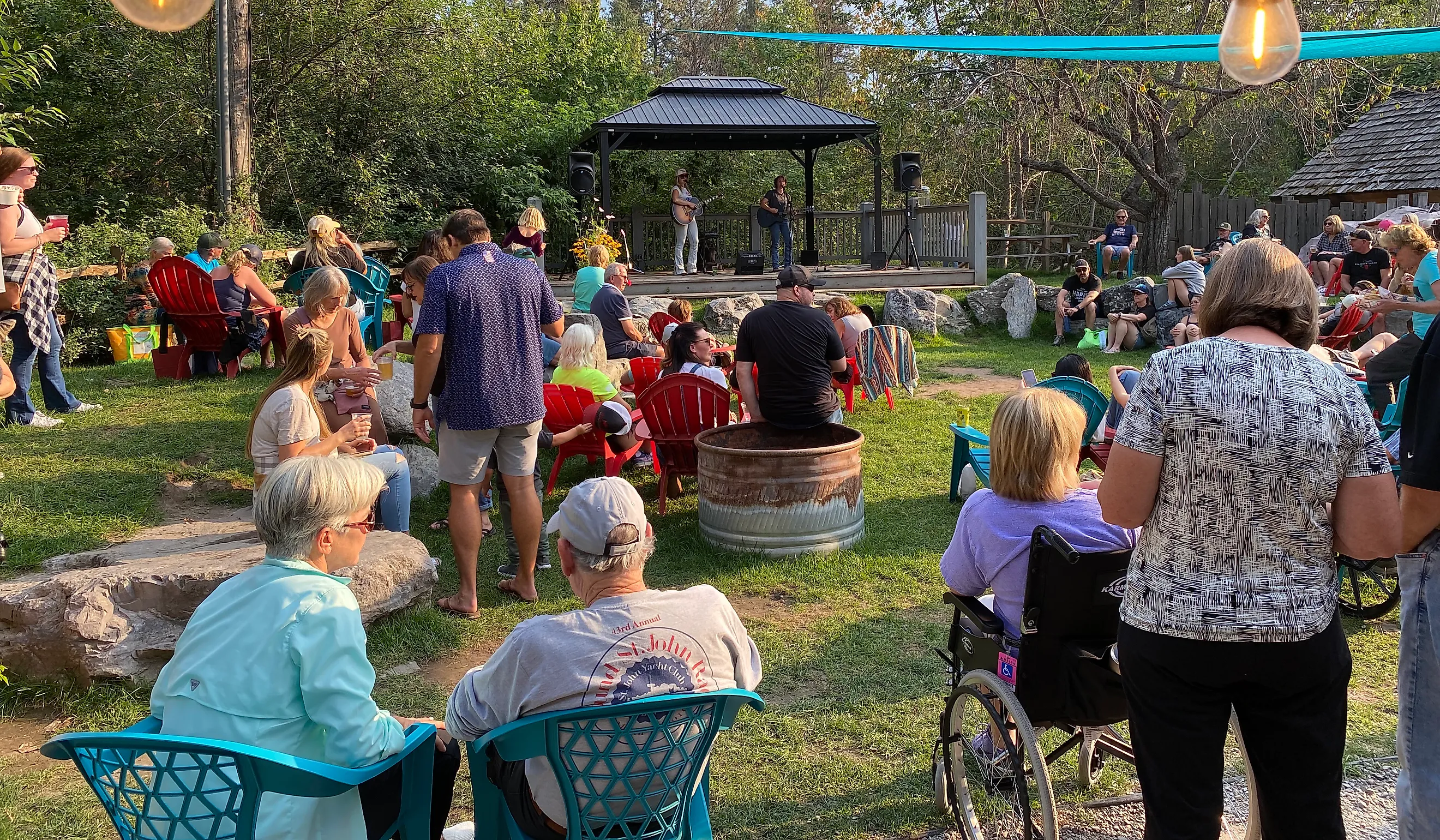
In these Montana towns a stranger rarely stays a stranger for long. Shopkeepers in Philipsburg know their regulars by name. Bigfork neighbors fill the same theater seats every summer. Livingston locals still swap trail tips with visitors over coffee. The welcome here comes from people who greet newcomers like they belong. These eight communities show what small-town Montana hospitality looks like up close.
Whitefish

Whitefish sits within an hour of Glacier National Park, and that proximity shapes everything about the town. Central Avenue runs on covered Old West walkways lined with local shops, restaurants, and galleries, and the crowd shifts with the seasons as skiers give way to summer hikers.

Glacier National Park draws visitors with hundreds of miles of hiking trails, alpine lakes, and the scenic Going-to-the-Sun Road. Closer to town, Whitefish Lake offers public beaches, boat rentals, paddleboarding, and fishing during the warmer months. When winter arrives, Whitefish Mountain Resort becomes the area's main attraction, with ski runs, snowboarding terrain, and gondola rides overlooking the Flathead Valley. Even after a day outdoors, many visitors return to downtown Whitefish to browse local shops or settle in at the town's restaurants and breweries.
Bigfork

Sitting on the northeastern shore of Flathead Lake, Bigfork pairs a working harbor with a downtown built around its artists. Galleries and studios cluster within a few walkable blocks, and the water is never out of sight for long.

Flathead Lake is the town's biggest draw, with boating, kayaking, fishing, and swimming on the largest natural freshwater lake west of the Mississippi River in the lower 48 states. Just offshore, Wild Horse Island State Park lets visitors hike among native wildlife, including wild horses, bighorn sheep, bald eagles, and mule deer. Theater lovers can catch a Broadway-style production at Bigfork Summer Playhouse, which has staged live performances for decades. Before leaving town, visitors can browse the independently owned galleries and studios showcasing paintings, sculptures, ceramics, and other work by Montana artists.
Philipsburg

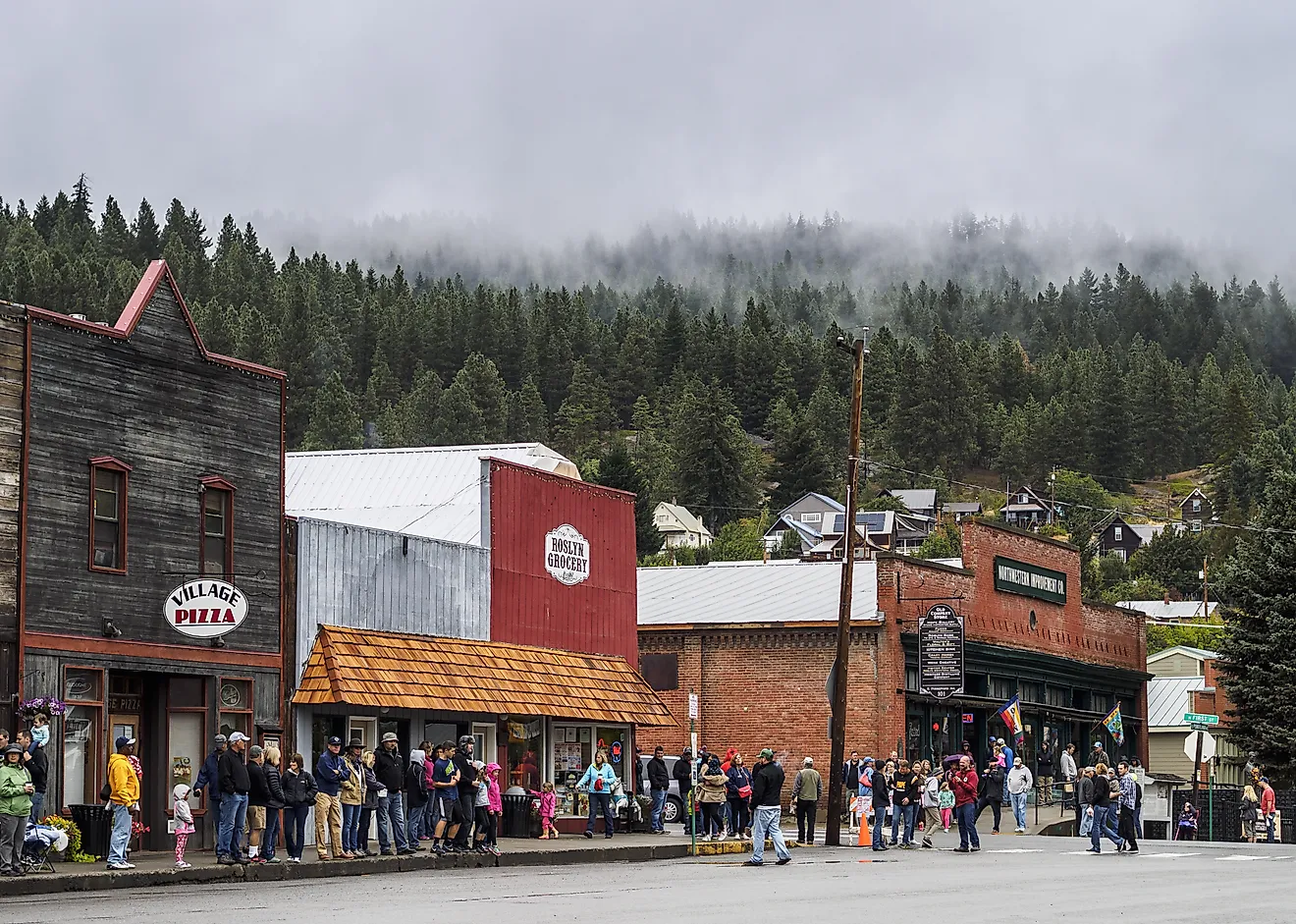
Philipsburg made its money in silver, and the painted storefronts along Broadway Street date to those boom years. The old buildings now hold local businesses, and the mining past is easy to trace from one block to the next.

A visit to Gem Mountain Sapphire Mine lets visitors sift through mining gravel for Montana sapphires, many of which can be cut into finished gemstones. Just outside town, Granite Ghost Town State Park preserves the remains of a silver mining community, with abandoned buildings that mark the region's boom years. Those interested in local history can stop at the Granite County Museum, where exhibits cover the area's mining industry and early settlement. Before leaving, many visitors make time for The Sweet Palace, a candy store that has become one of the town's signature stops.
Livingston

Livingston sits on the Yellowstone River and serves as a northern gateway to Yellowstone National Park. Restored commercial buildings house an active arts scene, and the Absaroka Range rises just south of the rooflines.

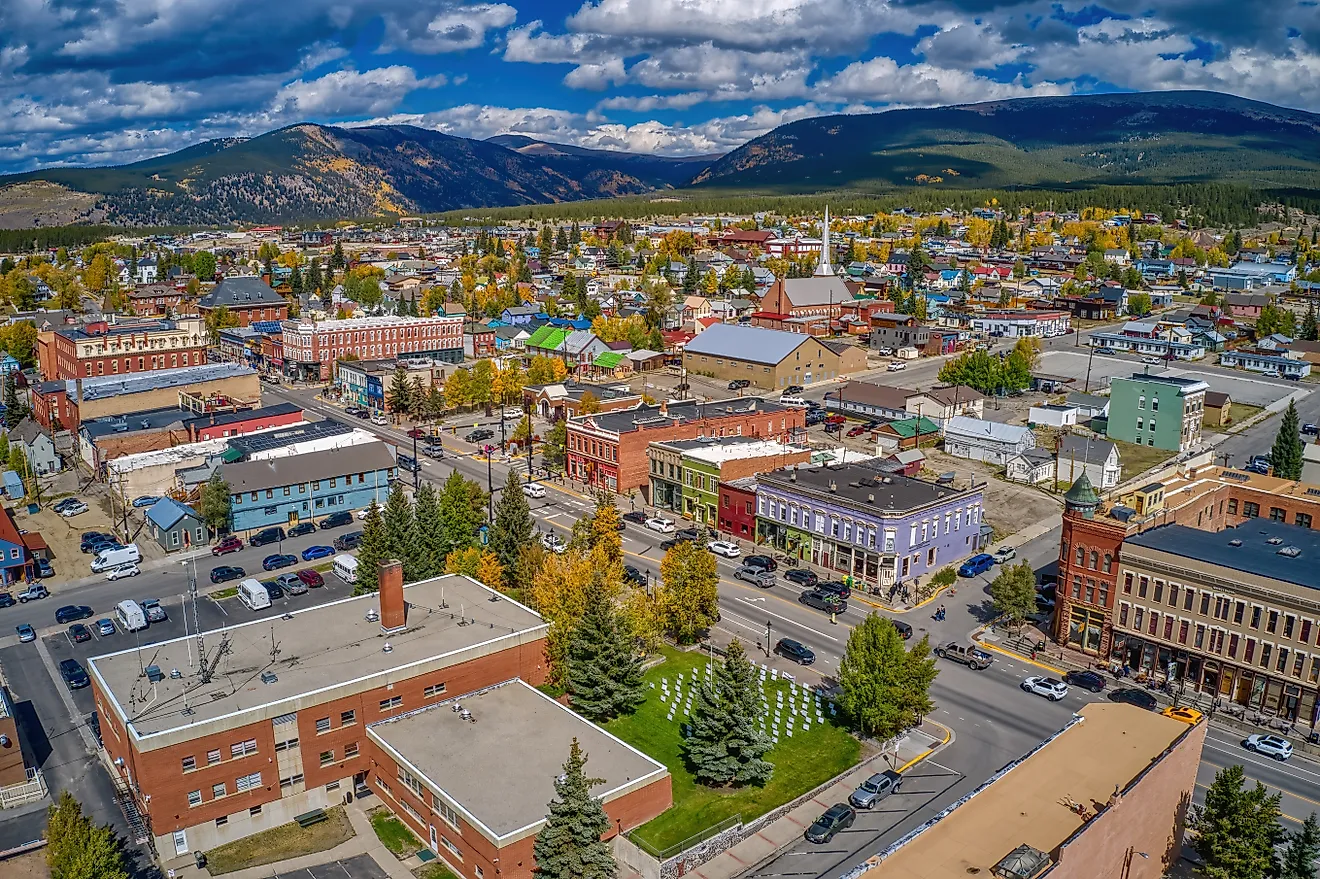
The historic downtown works as the town's main visitor area, with independent bookstores, outfitters, cafes, and long-standing local businesses inside restored commercial buildings. At the Yellowstone Gateway Museum, exhibits trace the region's history through Indigenous presence, railroad expansion, and early settlement in the Yellowstone Valley. Small galleries across the downtown core show work by regional artists whose subjects often reflect the river valley and the mountains around it.
Red Lodge

Red Lodge marks the start of the Beartooth Highway, one of the highest paved roads in the country. Its compact, walkable downtown keeps locally owned shops and restaurants busy in every season.

The Beartooth Highway climbs into the Absaroka-Beartooth Wilderness and continues toward Yellowstone National Park, with steep mountain passes, alpine lakes, and long-range views. In winter, Red Lodge Mountain becomes a major recreation area for skiing and snowboarding, with terrain that draws residents and visitors alike. During the warmer months, hiking trails in the surrounding mountains open onto forests, ridgelines, and wildlife viewing areas. Downtown Red Lodge stays active year-round, with local businesses and historic buildings packed into a walkable core.
Choteau

Choteau sits where the prairie meets the Rocky Mountain Front, and dinosaurs put it on the map. Fossil beds nearby produced some of the most important dinosaur nesting discoveries in North America, and the town leans into that history.

At the Old Trail Museum, exhibits cover the region's natural history, including fossil finds and artifacts tied to its prehistoric past. The surrounding country is known for wildlife viewing, with elk, deer, and many bird species in the foothills and open plains near town. Just outside Choteau, fossil sites linked to major dinosaur discoveries have built the area's reputation in paleontology research. The Rocky Mountain Front opens onto hiking routes and wide viewpoints where the plains give way to the peaks.
Stevensville

Stevensville is the oldest permanent settlement in Montana, founded in 1841 as St. Mary's Mission. It sits in the Bitterroot Valley between the Bitterroot and Sapphire mountains, and the town center still runs at a slower pace.
St. Mary's Mission is the town's most significant landmark, preserving the mission's early buildings and marking the first permanent Euro-American settlement in what became Montana. The Bitterroot Valley around Stevensville is known for its orchards, farmland, and mountain views, and it serves as a corridor to nearby communities and recreation areas. Local boutiques and small shops fill a compact town center that reflects its long history. Hiking trails in the nearby foothills reach forested terrain, open meadows, and views of the Bitterroot Mountains, drawing the most traffic during the warmer months.
Virginia City

Virginia City boomed after an 1863 gold strike in Alder Gulch, and much of that town survived. Wooden boardwalks, original storefronts, and period buildings still line the Main Street, so a walk here doubles as a walk through the 1860s.
Historic structures throughout the town can be toured to see how miners, shopkeepers, and early settlers lived during the gold rush era. Several small museums and preserved buildings cover mining equipment, frontier life, and local governance during the 1800s. Costumed interpreters run seasonal reenactments as well, recreating daily routines and events from Virginia City's early years.
Small Towns Worth the Detour
These eight towns show how much Montana packs into its smaller communities. Livingston and Whitefish put national parks within reach of a walkable downtown, while Philipsburg and Virginia City keep their mining-era streets intact and open to visitors. Choteau turns fossil country into a point of local pride, and Stevensville carries the state's oldest roots. Anyone looking for genuine small-town hospitality will find plenty of it across these Montana communities.