8 Most Overlooked California Towns For 2026
California’s Pacific beaches and national parks barely scratch the surface. Some of the state’s most interesting stops are smaller, quirkier towns scattered along the coast, through Gold Country, across the Mojave, and in valleys most travelers simply drive past. On your next trip, wander Ferndale’s Victorian storefronts or track down the life-sized metal sculptures scattered around Borrego Springs. Each place gives you a reason to slow down, pull off the main route, and stay awhile. These eight overlooked California towns are worth building a trip around in 2026.
Ferndale

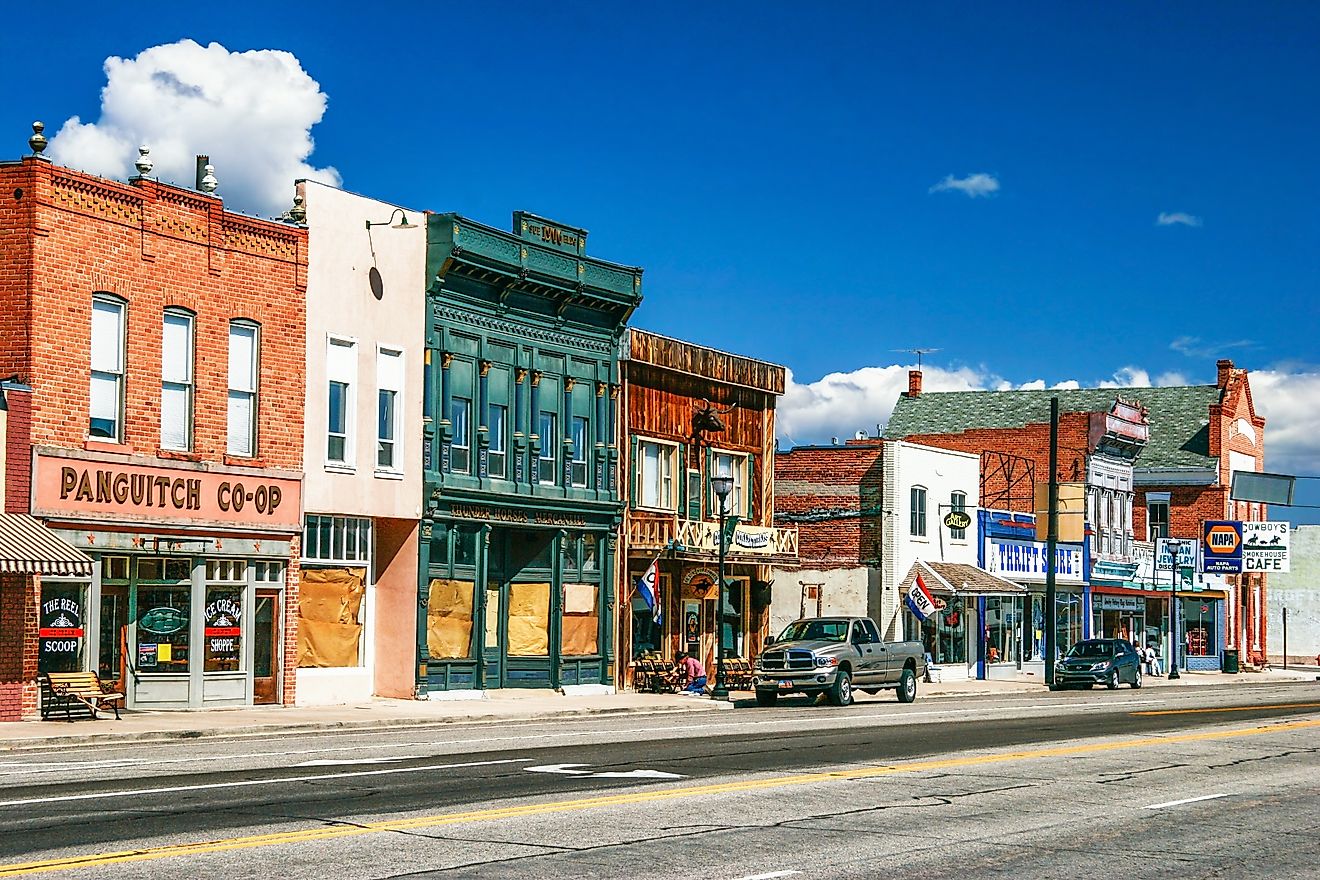
Ferndale was settled in 1852, but the buildings that define it came later, financed by the Eel River valley dairies whose butter carried a premium in San Francisco through the late nineteenth century. Locals called the results Butterfat Palaces, and the ornate storefronts and houses they describe still fill the Main Street Historic District, listed on the National Register of Historic Places in 1994. The Blacksmith Shop on Main Street has operated since 1979, with a working forge out front and a gallery annex a few doors down holding hand-forged iron alongside art glass. Nearby, The Haunt Shop sells jewelry and decor made by local artists. Dinner at the Village Pub and a room at the Victorian Inn both happen inside the same 1890 building on Ocean Avenue.
Cayucos

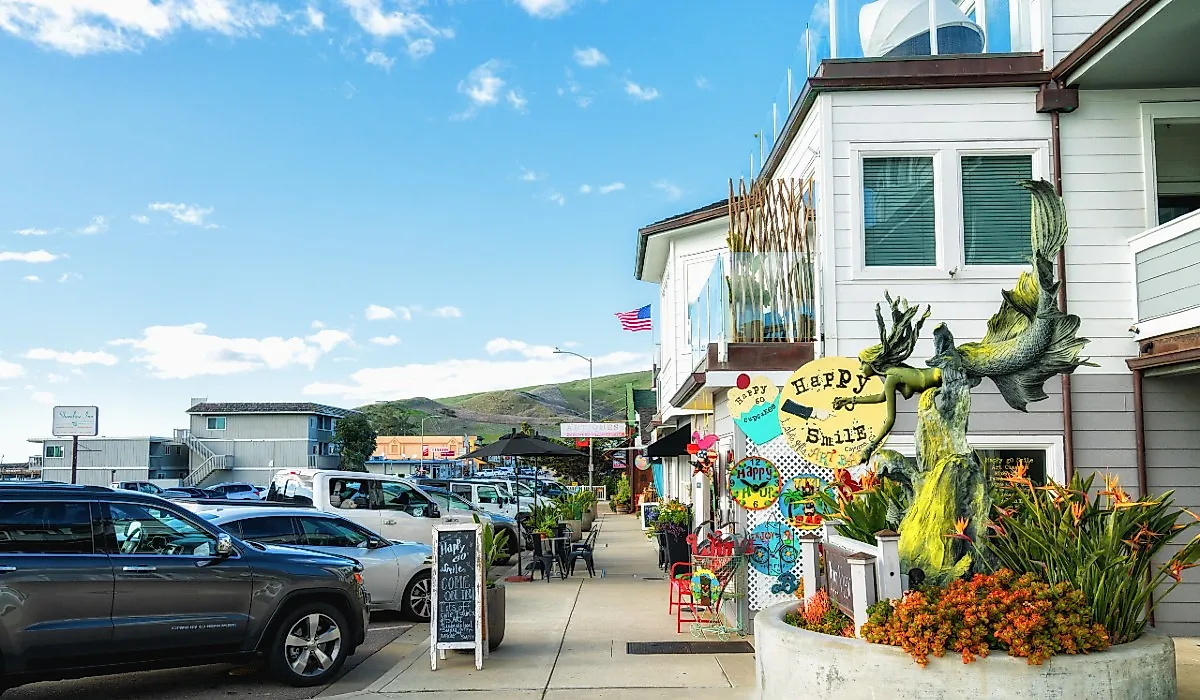
Cayucos sits on the Central Coast shoreline with the unhurried feel of a vintage California surf town. Captain James Cass, who founded the place, drove the first pier into the surf in 1872 at 380 feet and lengthened it to 982 feet four years later so steamships could tie up alongside. Rebuilt in 2015, it now extends roughly 950 feet over the Pacific Ocean and stays open for fishing without a license. Just past it, the downtown along Ocean Avenue mixes Old West facades with antique shops and beachfront restaurants. The Old Cayucos Tavern, a cowboy bar since 1906, opens on a limited weekend schedule these days. The Sea Shanty has been family-owned since 1983 and serves a long menu of creative plates and oversized desserts. The On the Beach Bed and Breakfast sits a few steps from all of it.
Nevada City

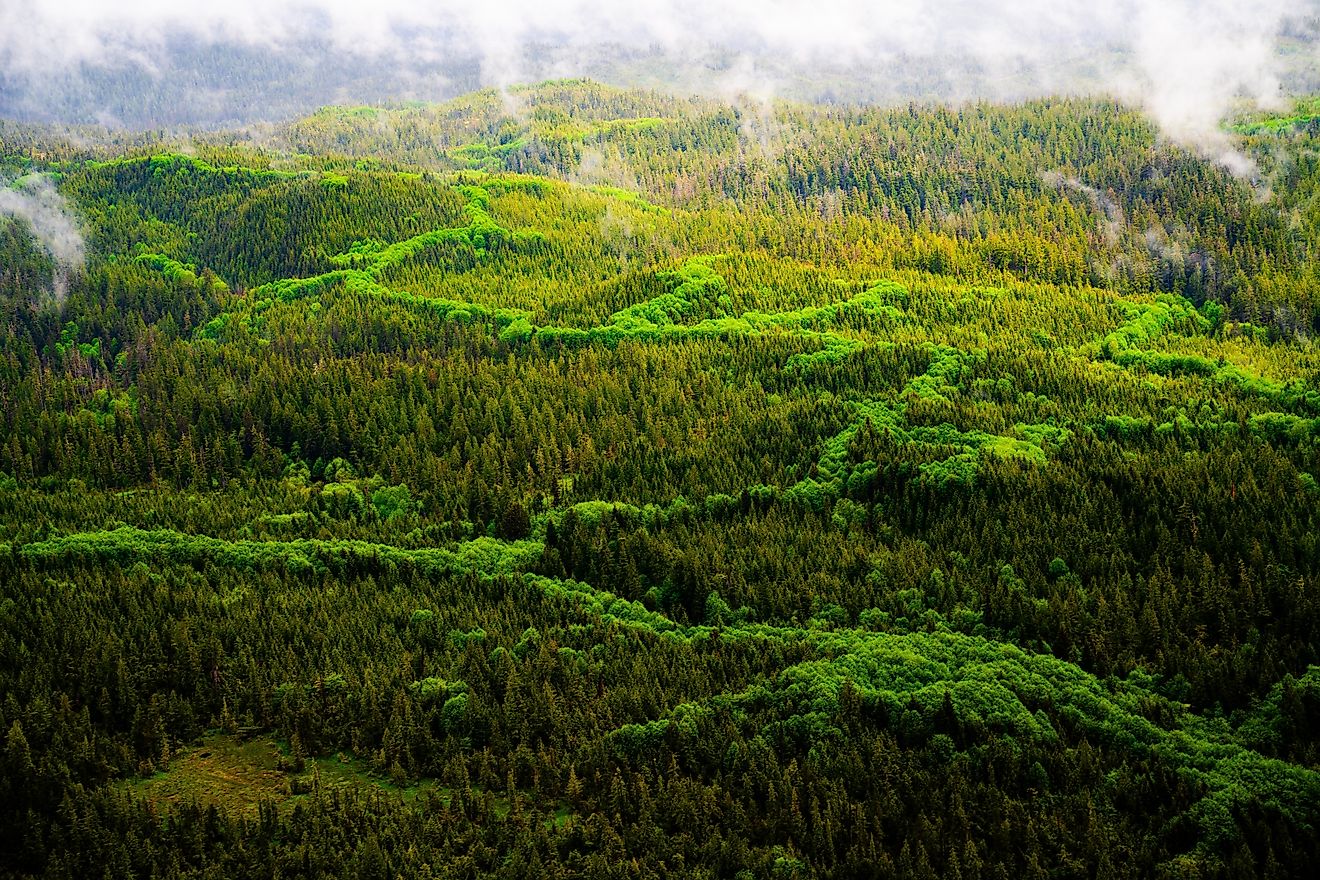
Pine forest surrounds Nevada City in the foothills of the Sierra Nevada, and the town survives as one of the most intact boomtowns of the California Gold Rush. Seventy contributing buildings across sixteen downtown acres were listed on the National Register of Historic Places in 1985 as the Nevada City Downtown Historic District. The Nevada Theatre on Broad Street opened in September 1865 and is California's oldest existing theater building, still booking films and live performances for more than a century and a half. The Truffle Shop, a few steps up the same block, makes its sweets by hand. The Nevada County Narrow Gauge Railroad Museum on Kidder Court holds rolling stock and transportation artifacts from the narrow gauge line that operated between 1876 and 1942.
Borrego Springs

Anza-Borrego Desert State Park wraps entirely around Borrego Springs, which is the only California town that can say so. It was named an International Dark Sky Community in 2009, and the state park schedules ranger-led night programs and stargazing events through the cooler months. Scattered across the open desert on the edges of town are more than 130 life-sized metal sculptures of creatures real and imagined, the work of artist Ricardo Breceda and largely sited on the Galleta Meadows parcels. Maps showing where they stand are available in town. Michael's in Borrego serves lunch with a view of the surrounding ranges on Palm Canyon Drive, sharing a property with the Borrego Art Institute and its gallery.
Los Olivos

Los Olivos holds about 1,200 residents in the Santa Ynez Valley, and its walkable grid of wide streets is given over almost entirely to wine tasting. Architecture from the late 1800s and early 1900s lines those streets under old valley oaks, with dozens of tasting rooms behind the facades. Storm Wines serves its Pinot Noir on San Marcos Avenue in the middle of the village. The Brander Vineyard, whose estate sits just outside town on Refugio Road, has been a benchmark Sauvignon Blanc producer since 1975. Vino Vaqueros leads horseback rides through valley vineyards, including Demetria Estate. At the Los Olivos Cafe on Grand Avenue, much of what arrives on the plate is grown on the restaurant's own farm, like the salads and the house-made ravioli.
Baker

Baker amounts to about 440 people and one boulevard in the Mojave Desert, roughly halfway along Interstate 15 between Las Vegas and Los Angeles. It started in 1908 as a siding on the Tonopah and Tidewater Railroad, named for Richard C. Baker, who later became president of the line. The town calls itself the Gateway to Death Valley, and the reason most drivers pull off is the World's Tallest Thermometer, a 134-foot electric sign built in 1991. Its height matches the 134 degrees Fahrenheit recorded at Furnace Creek on July 10, 1913, still the highest air temperature ever reliably documented on Earth. Alien Fresh Jerky, in business here since 2002, sells jerky and extraterrestrial souvenirs out of a building shaped like a spacecraft. The Mad Greek has fed travelers under the same family since 1974 and is known for its strawberry shakes.
Kingsburg

Kingsburg offers a cultural experience that nobody expects from the San Joaquin Valley. Swedish immigrants settled the railroad stop known as Kings River Switch beginning in the 1870s, and by 1921, roughly 94 percent of the population within three miles was Swedish-American, which is how the town came to be called California's Swedish Village. The heritage shows in the architecture downtown, where pitched roofs and painted Dala horses front shops and restaurants along Draper Street. Svensk Butik has sold Swedish gifts there since 1985. Overhead, the water tower built in 1911 was remodeled in 1985 into a 122-foot Swedish coffee pot, spout and all. The Kingsburg Drive-In serves burgers at outdoor booths on Lewis Street, and The Kollective gathers more than ten mostly handcrafted vendors under one roof. Fresno lies about 20 miles northwest, though little about this downtown suggests it.
Sutter Creek

Sutter Creek is a gold-mining town that held on to most of its nineteenth-century architecture, and the combination of that fabric with a compact, walkable downtown earned it the name Jewel of the Motherlode. Main Street is lined with brick buildings whose filigreed balconies overhang wooden sidewalks left over from the Old West years. The Sutter Creek Gallery is a cooperative showing work by about twenty local artists. Tigby Hill Vintage deals in antiques and repurposed denim, a few doors up. At The Music Box Company, customers choose a song from a list and have it fitted into a box. Several tasting rooms occupy the same street, among them Bella Grace Vineyards. Hotel Sutter, at the lower end of the same street, carries the Old West atmosphere through both its rooms and its restaurant.
California's Quieter Corners
These small towns win you over in the span of a few city blocks. Ferndale's historic district decorates Main Street, and Sutter Creek's wooden sidewalks and tasting rooms complement each other perfectly. Set against iconic terrain like the pine forest above Nevada City or alkali flats east of Cedarville, a morning on foot and an afternoon in the surrounding country adds up to a full day in any of these sweet spots, and every one of them is worth a closer look.