8 Fairy-Tale Small Towns In Washington
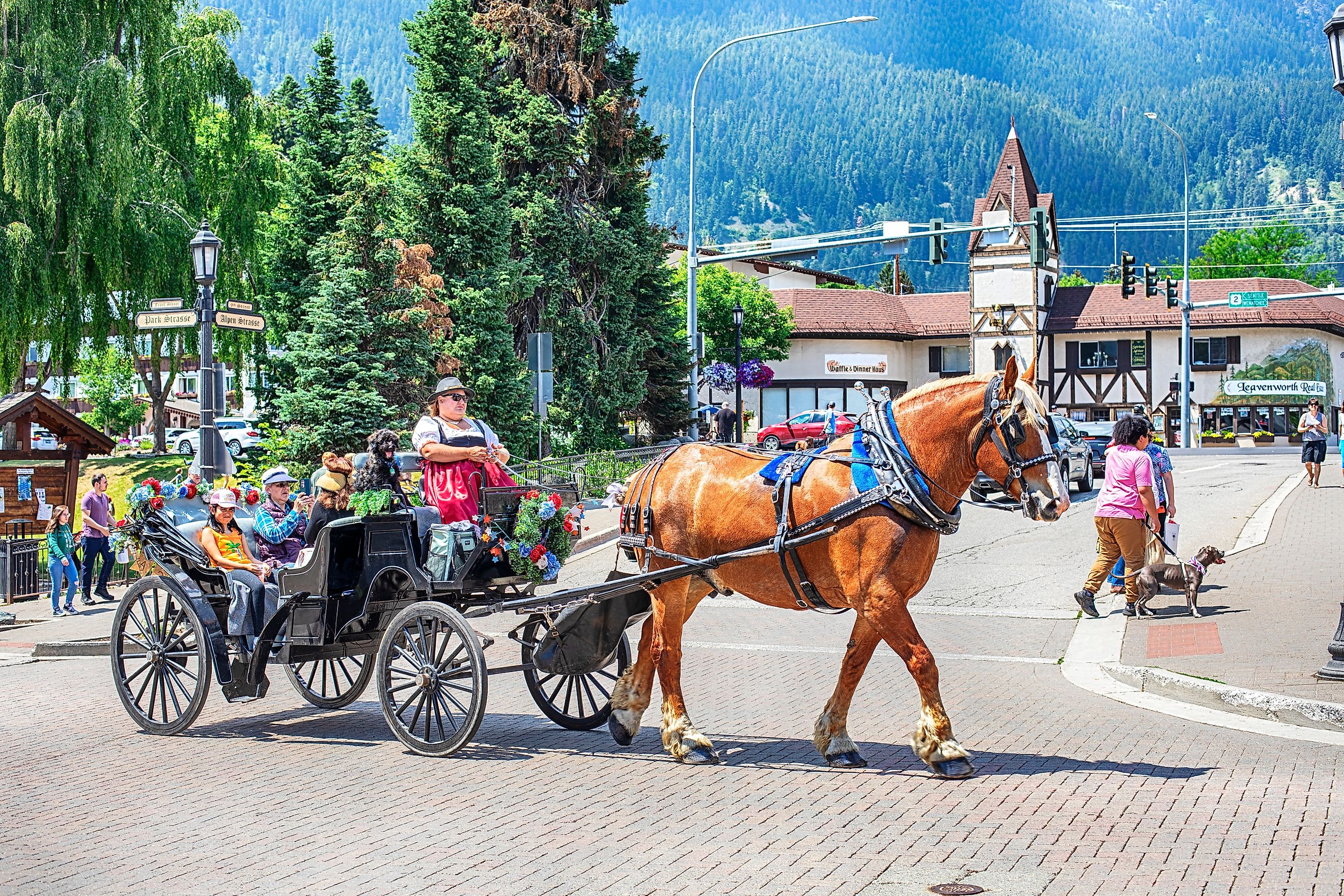
Drive into Leavenworth and you could be forgiven for thinking you took a wrong turn into the Alps. The town remade its whole downtown as a Bavarian village in the 1960s, flower boxes and timbered rooflines included. Coupeville looks out over Penn Cove from a waterfront lined with buildings older than the state itself. In Maryhill, a full-scale concrete replica of Stonehenge stands on a bluff above the Columbia River. Port Townsend kept the Victorian storefronts from its brief 1880s boom as a would-be seaport capital. Sequim sits in a rain shadow so dry that lavender grows there by the field. These eight Pacific Northwest towns reward a slower summer visit than the drive-through most get.
Coupeville

Situated on Whidbey Island, the town of Coupeville has a modest population of just under 2,000. Founded in the 1850s along the shores of Penn Cove, it is one of the oldest towns in the state and keeps a slow, water-facing pace. Fort Casey Historical State Park and Fort Ebey State Park look out over the Strait of Juan de Fuca and preserve the area's late 19th- and early 20th-century coastal defenses. The Waterfront District holds a cluster of historic buildings, many listed on the National Register of Historic Places, within a short walk of the pier.
Cool summers keep Coupeville comfortable when inland Washington heats up. The beaches sit close to town, and the Bluff Loop trail runs along the shoreline with open views of the water. Front Street carries most of the town's shops and eateries, including the Front Street Grill, the Oystercatcher, and the Back to the Island Souvenir Store.
Stevenson

Stevenson sits inside the Columbia River Gorge, near the Oregon border. The seat of Skamania County was founded in the 1890s, and it looks out on the Columbia River and the Cascade Mountains. Biking, hiking, camping, and swimming fill the warm summer months. Nearby landmarks include the Bridge of the Gods, a steel cantilever span first built in 1926, and the Skamania Lodge, a resort set among the forested hills above town.
The Columbia Gorge Museum covers the natural and cultural history of the region through its exhibits and workshops, and it draws visitors of all ages. Downtown Stevenson keeps a full calendar through the year. Regular events include the Skamania County Fair in August, the Mushroom Festival in October, and Christmas in the Gorge in December.
Sequim

Sequim (pronounced SKWIM) sits on the Olympic Peninsula, near the Olympic Mountains and along the Dungeness River. European settlement dates to the 1850s, and just over 8,400 residents live here today. The town sits in the rain shadow of the Olympic Mountains and averages only about 16 inches (400 mm) of rain a year, which makes it one of the driest and sunniest spots in western Washington. Temperatures stay moderate through the year.
The Dungeness National Wildlife Refuge protects habitat for many bird and mammal species, and its trails follow the Dungeness River and the spit that reaches into the Strait of Juan de Fuca. The harbor area holds a run of local restaurants and shops. Sequim Museum & Arts, free to enter, covers the region's geologic and cultural past through rotating exhibits. The Sequim Lavender Weekend in summer and the Irrigation Festival in spring bring the town together for two of its busiest weekends of the year.
Gig Harbor

Also known as the "Maritime City," Gig Harbor sits along Puget Sound, on a small protected bay near the west end of the Tacoma Narrows. Founded in the late 19th century, it has warm summers and cool winters and sits within easy reach of the Olympic Peninsula. The Tacoma Narrows Bridge, whose current span opened in 1950, connects the town to Tacoma across the strait. Several state parks ring the area, including Penrose Point, Kopachuck, and Cutts Island, with boating, cycling, hiking, and wildlife watching along the water.
The downtown waterfront runs along the docks, lined with local restaurants and shops such as the Local Whimsy Gift Shop and Tides Tavern. Community events fill the warmer months, among them the Summer SIPS Savor and Stroll, the Uptown Summer Concert Series, and the Cruise the Narrows Car Show.
Leavenworth

Founded in the 1880s in the Cascade Mountains, Leavenworth reinvented itself in the 1960s as a recreation of a Bavarian mountain town. Every downtown building carries painted timber, window boxes, and an Alpine roofline. The theme runs through the architecture, the shops, the restaurants, and the cultural calendar. Oktoberfest in the fall and the spring Maifest both feature traditional folk costumes and lederhosen, alongside pretzels, schnitzel, and German beer.
The Leavenworth Nutcracker Museum, on Front Street, holds one of the largest nutcracker collections in the world, with more than 9,000 pieces from over 50 countries and some dating back centuries. Outdoor recreation sits close by as well, with biking, hiking, climbing, and summer tubing on the nearby Wenatchee River. Winters run cold and summers run hot in this part of the Cascades.
Port Townsend

On the Quimper Peninsula and the seat of Jefferson County, Port Townsend takes its name from the bay that British captain George Vancouver charted in 1792. Summers run cool to warm and winters stay moderate. The waterfront Historic District holds the town's dense stock of Victorian buildings, several listed on the National Register of Historic Places, among them St. Paul's Episcopal Church (1865), the Frank Bartlett House (1883), and the Captain Fowler House (1865).
Fort Worden Historical State Park spans 432 acres and preserves a former coastal military installation, with wide views over the water and the trails down to North Beach. The town's annual calendar includes the Wooden Boat Festival and the Port Townsend Film Festival, both held in September.
Maryhill

Maryhill is a tiny community near the Oregon border, with well under 100 permanent residents and wide views of the Columbia River. Its position at the edge of the Gorge makes it a common stop for drivers crossing southern Washington. The main draw is the Maryhill Stonehenge, a full-scale concrete replica of the English monument. Businessman Sam Hill built it between 1918 and 1929 as a memorial to Klickitat County men who died in World War I, and it was the first such memorial completed in the nation. The monument was added to the National Register of Historic Places in 2021.
Other nearby stops include the Maryhill Winery and the Maryhill Museum of Art, west of the monument. The Gunkel Orchard sells local fruit in season, including peaches, apricots, nectarines, and cherries.
Centralia

Centralia sits midway between Seattle and Portland, Oregon, near the confluence of the Newaukum and Chehalis Rivers. Its modern history reaches back to the late 1800s, and the downtown is known above all for its antique trade. Tower Avenue Antiques, Timeless Treasures, and the Emporium Ayala, which specializes in antique furniture, anchor a walkable stretch of shops.
Historic sites include the Fox Theatre, a 1930 Art Deco building that seats up to 1,200. Fort Borst Park holds trails, picnic areas, and sports fields on the west side of town. The local calendar includes the Hub City Car Show in late summer and the Yuletide Lighted Tractor Parade in December.
Finding Fairy Tales In Washington
What ties these eight towns together is less a shared look than a shared willingness to lean into one. Leavenworth manufactured its Bavarian face on purpose, while Coupeville and Port Townsend simply kept the 19th-century waterfronts they were built with. Maryhill's concrete Stonehenge and the Nutcracker Museum's 9,000 pieces sit at the odder end of that same impulse. Each town made a distinct choice about which version of itself to preserve or invent, and the results reward a slower visit than the drive-through most travelers give them.