7 Nicest Small Towns In The Netherlands
The Kingdom of the Netherlands is among the top places to visit in Europe. Sprinkled across the country's 12 provinces, its evocative towns leave lasting impressions. Explore Makkum's vast beach on the IJsselmeer, which also washes over a millennia-old rock remnant from the ice age in the lake on the shore in the town of Urk. The fishing village of Marken on Markermeer Lake draws local ingenuity from nature, with houses on stilts and a lighthouse reachable via a scenic path. From historically-rich Gulpen-Wittem to Edam-Volendam, the birthplace of Edam Cheese, here are the 7 nicest towns in the Netherlands.
Gulpen-Wittem

Famed for its beer brewery, Gulpener, the hub in the heart of hilly South Limburg, frequently called the "Tuscany" of the Netherlands, is an easy day trip east of Maastricht. Gulpen, on the River Gulp, and Wittem, home of Route des Vins, a wine trail, draw from the natural bounty of the lush Gulp-Geul valley. After exploring the hills, windmills, and orchards, travelers can take a beer-making tour and sip crisp lagers at the beer garden. Half-timbered buildings house hobby, clothing, and food shops.
Gulpen's architectural landscape spans nearly ten centuries. The century-old Sint Petruskerk church was built in a neo-Romanesque style next to Oude Kerktoren, an old church tower, the only remaining part of the original medieval village. Grab a treat from Gio Gelato in Wittem to admire the nearby Redemptoristenklooster, a staggering monastery, and power your 30-minute walk to the hilltop monument for sunset views over town. The hilly walk is sure to work up an appetite for dinner.
Makkum

Just 13 km west of Bolsward, this Frisian town in the north of the Netherlands has a southern allure thanks to its evocative coastal atmosphere and ideal conditions for water sports. Traditionally a port and fishing town, the Persian technique came via Italy to the Netherlands in the 17th century, with Makkum producing masterpieces at the local stone factories, various mills, and over 100 lime kilns to be transported from the local harbor, which is closely tied to the city's shipyard and maritime industries.
Frisian porcelain hangings were recognized in households around the globe for their special bake and hand-painting. From the tourist office in the 17th-century weigh house, you can stock up on handcrafted Dutch ceramics at the Royal Tichelaar Makkum, specializing in traditional Delftware for over four centuries. The scenic boulevard beckons for a sunset stroll along the IJsselmeer with its pier, boutiques, and cozy terraces framing a large, sandy beach, popular with families and windsurfers alike.
Marken

The Netherlands' struggle to stay afloat comes genuinely through in Marken on the Markermeer, isolated for centuries, and only linked to the mainland in 1957. Despite a long, severe flood history, the fishing village retains a serene, island-like character, some 30 minutes' drive from Amsterdam or a ferry ride from Volendam. The pace is less touristy, with a photogenic port of entry and distinctive architecture along the narrow streets, featuring traditional green-painted wooden houses.
Marked by their calm, nature-inspired tones, the evocative houses and elaborate vessels lining the marina lend a fairytale appeal, where Kijkhuisje Sijtje Boes features 19th-century digs and souvenirs inside this museum/curiosity shop along the rustic waterfront. Across the island, Paard van Marken is a beautiful lighthouse, accessible by foot or by bike on the eastern shore, while Markendam, a 3.5-kilometer (approx. 2-mile) causeway, links to the mainland Waterland municipality.
Oudewater

Oudewater is a popular day trip from Utrecht in autumn or summer, where you can stock up on local produce, take a boat tour, and spend the night at Grand Café Broeck. The historic building of the Museum De Heksenwaag still houses the original witch scale, used to determine whether people were witches by their weight. With no one prosecuted or accused here, Oudewater emerged into the present with a light heart and the freshest produce from the Green Heart region of the Netherlands.
The brick, earthy-hued town resonates something in everyone at the junction of the Hollandse IJssel River and the Linschoten Rivulet. From the steepled local Stadhuis (town hall) to the greater St. Michael's Church, browse Winters Rare Books for a favorite new read or pack a picnic basket of fresh selections from a local supermarket to spread on the waterfront tables. With mooring spots and tours, boating is popular to soak in the winding beauty of the Hollandse IJssel and architecture.
Thorn

Tucked directly on the border with Belgium, the evocative "white pearl of Limburg" instills a sense of peace along the entire town center, filled with white buildings. The town, reminiscent of the white villages in southern Europe, is an architectural standout and one of the only places where noblewomen ruled for at least 800 years, with its extensive history on display at the Thorn Museum. After exploring the cobblestone sidewalks, travelers can unwind south at the beachfront Parc Maasresidence.
Founded around 975, it is hard to believe that the Gothic Abdijkerk (Thorn Abbey) is over 1,000 years old, and it is open to the public with baroque decor. Don't miss De Pannekoekenbakker, a popular crêperie with a creative menu and a terrace, or Wijngoed Thorn, an unfussy wine shop with a cozy courtyard to savor a glass. Minutes south, the MRT Beach is a popular local spot for swimming, play, and ferry access via De Grote Hegge lake to another town along the winding canal, Wessem.
Urk

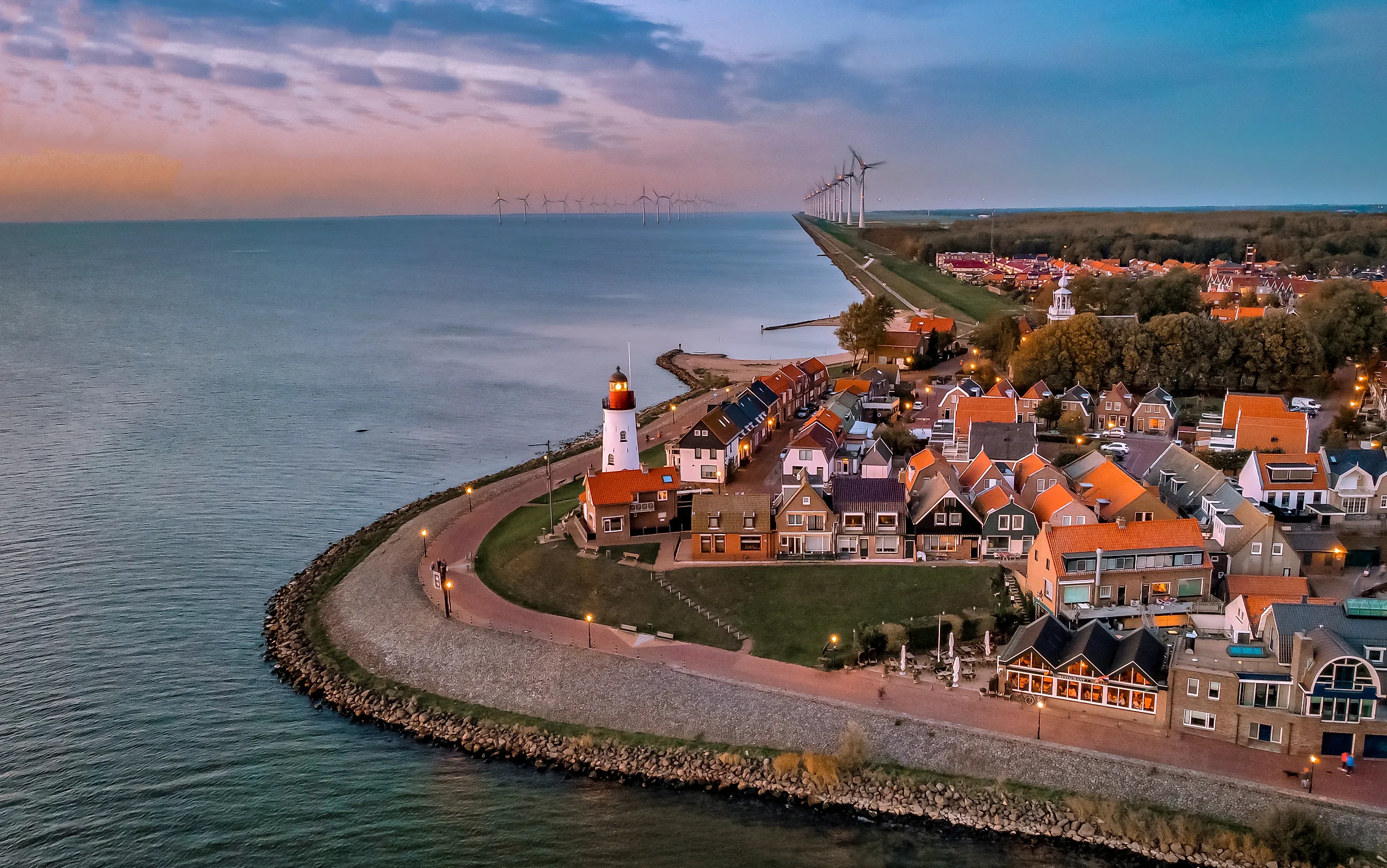
Urk boasts a working fishing fleet, a stunning lighthouse, and a local dialect distinct from typical Dutch as reminders of its nautical past and days as an island. Museum Urk, het Oude Raadhuis delves into the daily lives of fishermen families in the former town hall, with folklore and Urker clothing, some of which you can see worn at special events in town. Exploring the maze-like old town center, you'll stroll past churches like Bethelkerk, one of the most striking, a place of peace and harmonious singing.
The picturesque harbor is still abuzz with colorful fishing boats, where travelers can stroll along the waterfront past old fishermen’s cottages and the legendary Ommelebommelesteen, a millennia-old granite remnant from the ice age in the IJsselmeer, while De Vroemoêr, a sculpture by the quay, depicts the unique backstory. The 1617 Urker Vuurtoren offers breathtaking views from the lighthouse tower of the IJsselmeer. After enjoying fresh seafood, hop on a boat tour or explore small beaches.
Edam-Volendam

Some 20 minutes north of Amsterdam, Edam is the birthplace of Edam cheese. The Edam Museum occupies a historic house with local period customs, lifestyles, paintings, and maps across from the charming Edam Cheese Museum (The Story of Edam Cheese). You can then cross the scenic Kwakelbrug bridge, have an Italian meal, and dive into Volendam, famous for its traditional costumes, smoked eel, and the bustling harbor on the Markermeer Lake, featuring a variety of souvenir shops and restaurants.
Volendam literally means “dammed inlet” and once served as the harbor for the city of Edam. In 1357, Edam locals constructed a shorter canal to the Zuider Zee and a new port, damming the old port and using new land for cultivation. Settled by fishermen and farmers, Volendam grew to a population of a small city while retaining its traditional village feel. For many, its narrow streets threading through wooden houses, dikes, and windmills represent that idyllic Dutch sentiment.
The Netherlands' architectural prowess and exquisite art-filled plazas are only a fraction of its diverse, thriving natural landscapes, with windmills, tulip fields, and beaches along the way like balm for your wanderlust soul. Explore Urk’s deep connection to the sea or how the lighthearted Marken still reflects an island lifestyle after facing floods and becoming a peninsula.
Volendam is adjacent to Edam and close to the island of Marken, making for an easy weekend escape, all under 30 minutes from Amsterdam. Sprinkled along the endless canals, coastlines, and islands, these Dutch towns relay an eye-opening relationship dynamic between the man and the sea with traditions intact, a few surprises, and a fun, family-friendly flair.