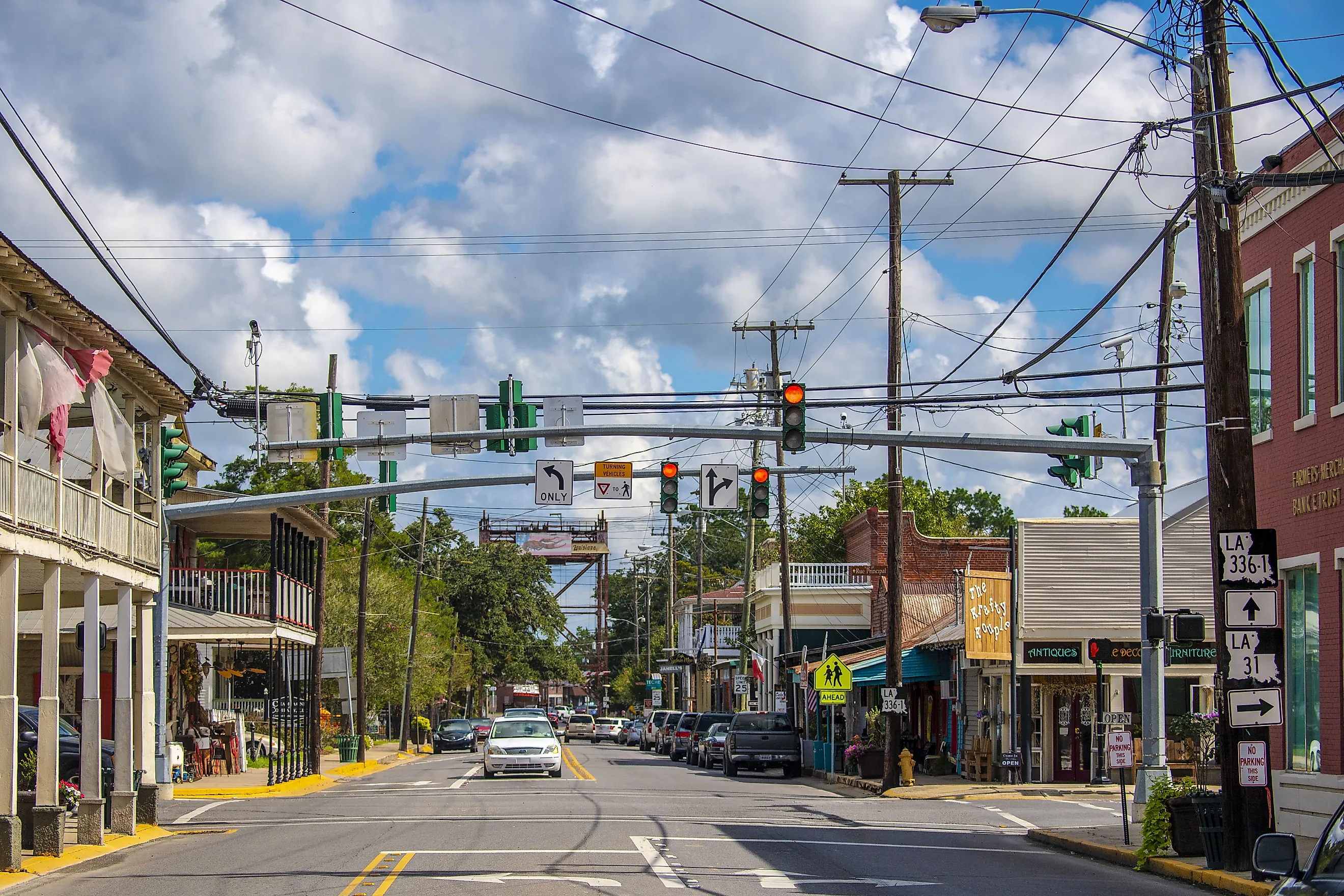
7 Towns in Louisiana that Have the Best Main Streets
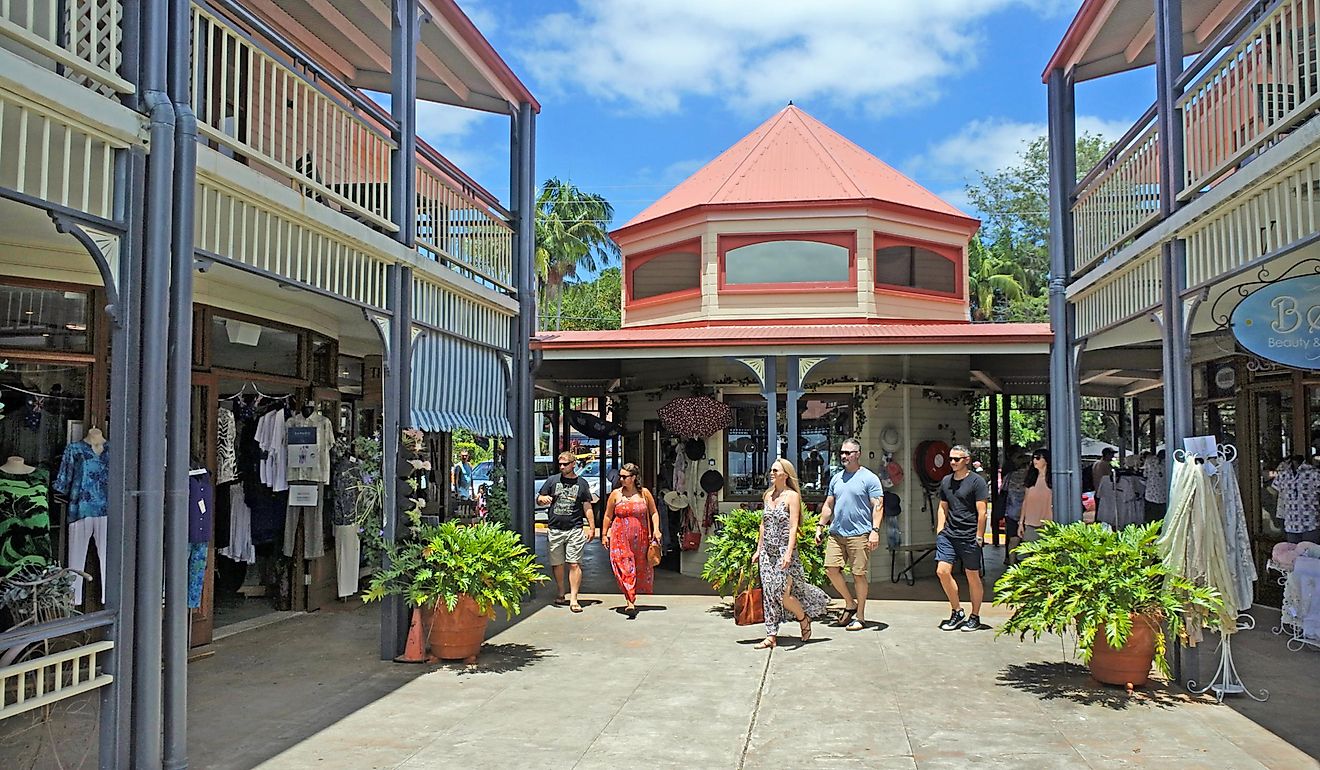
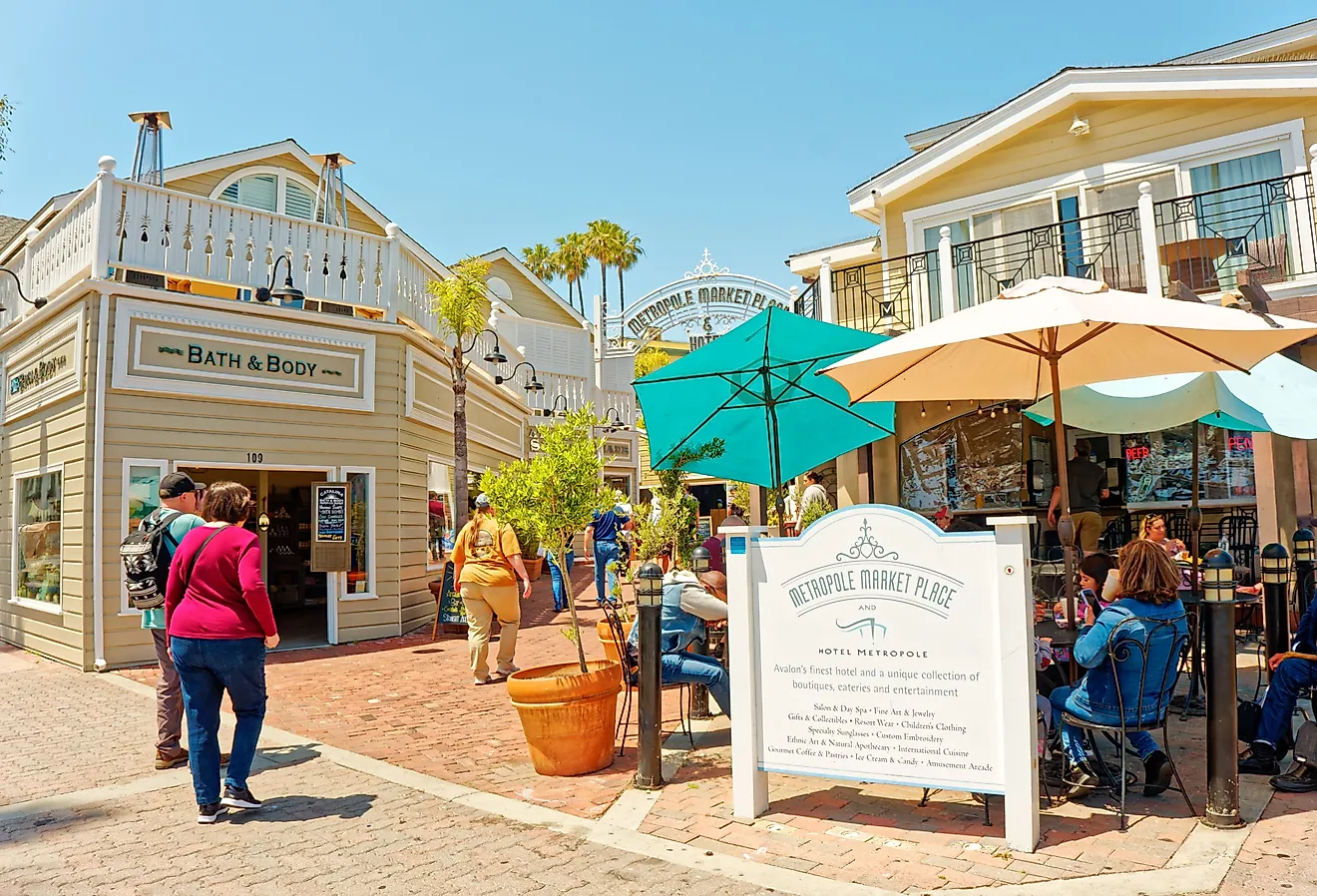
New Iberia’s main street runs along Bayou Teche through sugar cane country, with Avery Island and the Tabasco factory just down the road. Natchitoches has the oldest main street in the Louisiana Purchase, with brick streets and Creole buildings in everyday use since 1714. Breaux Bridge built its main street around the Crawfish Capital title and the bayou it sits on. Opelousas anchors a National Register historic district on its courthouse square, with the Jim Bowie Museum tracing the bowie knife back to its namesake’s youth in town. In these Louisiana towns, the main street is the actual story.
New Iberia

New Iberia took the 2005 Great American Main Street Award from the National Trust for Historic Preservation, and the buildings that won it are still standing. Live oaks shade Main Street the way they do in James Lee Burke’s New Iberia novels. The town sits along Bayou Teche between New Orleans and Lafayette, and a population of about 27,000 keeps it small enough to walk. Visit the Bayou Teche Museum for regional history, then stop by the Conrad Rice Mill, the oldest independently owned rice mill still operating in the United States.
Natchitoches

Natchitoches was founded in 1714 by French-Canadian explorer Louis Juchereau de St. Denis, well before the Louisiana Purchase brought the region into the United States in 1803. The original brick streets and Creole and Victorian buildings of the National Historic Landmark District are still in everyday use. Cane River Lake runs through downtown along Front Street, with shops, museums, and Lasyone’s Meat Pie Restaurant within easy walking distance. Kaffie-Frederick Inc., Louisiana’s oldest general store, has been in business since 1863. The Christmas Festival of Lights lines the riverbank with thousands of lights every winter and has done so since 1927.
Covington

Covington sits at the confluence of the Tchefuncte and Bogue Falaya rivers north of Lake Pontchartrain, with about 11,000 residents and a downtown built around art galleries. Marianne Angeli Rodriguez Gallery at 323 N. Columbia Street stands out for its bright canvases and is worth a stop on any walk through downtown. The Covington Trailhead anchors the western end of the 31-mile Tammany Trace, a paved rail-trail that runs east through Abita Springs, Mandeville, Lacombe, and Slidell. The H.J. Smith and Sons General Store has been in business since 1876 and works as a museum of nineteenth-century rural life as much as a working store.
New Roads

New Roads has held Mardi Gras celebrations since 1881, which earned it the nickname “Little Carnival Capital of Louisiana.” The town of about 4,500 sits along False River, an oxbow lake that once formed the main channel of the Mississippi River. Catherine Depau, a free woman of color, founded the original six-block downtown by subdividing part of her plantation in the late eighteenth century, and many of the historic buildings she helped lay out still line the streets along the lake. Hot Tails Restaurant on Hospital Road serves crawfish étouffée and other Cajun classics across the road from the lake.
West Monroe

West Monroe lines the Ouachita River with a downtown known as Antique Alley, where blocks of antique stores and vintage shops draw weekend browsers. About 13,000 residents live here, just across the river from Monroe. Kiroli Park covers roughly 150 acres of pine forest with walking trails, a small lake, and rose gardens within the city limits. Landry Vineyards sits south of town on a 20-acre property that runs wine tastings and outdoor concerts on weekends.
Breaux Bridge

Breaux Bridge has been the official Crawfish Capital of the World since the Louisiana Legislature said so in 1959, and the town has run with it ever since. The Breaux Bridge Crawfish Festival fills downtown the first weekend of May with cooking contests, zydeco bands, and crawfish prepared every way Cajun cooks can manage. The phone book famously lists residents by both their given names and their nicknames, which says something about how the town does community. Locally owned shops and restaurants line Bayou Teche through downtown, and the bayou itself runs slow enough for kayaks and pirogues.
Opelousas

Opelousas calls itself the birthplace of zydeco, and the credit goes to Clifton Chenier, who was born here in 1925. The historic district anchored by the courthouse square is on the National Register of Historic Places, with brick streets and storefronts that have held their character for more than a century. The Jim Bowie Museum in town traces the bowie knife back to its namesake, who spent his early years in Opelousas. About 16,000 residents make this Louisiana’s 21st-largest city, and the Louisiana State Arboretum is a thirty-minute drive west in Ville Platte for native plant gardens and walking trails.
The Takeaway
Louisiana doesn’t always get its due on lists of best Main Streets, but these seven make the case quietly. The towns above run from a French outpost on the Cane River to a Cajun zydeco birthplace, and each one keeps its own distinct character on the same kind of small downtown grid.