6 Snake Hotspots In The Pacific Northwest
The Pacific Northwest supports around 20 snake species, thanks to the mix of dry badlands, river floodplains, and forest edges found across the region. These environments create ideal conditions for reptiles such as western rattlesnakes and gopher snakes, which rely on warm rock outcrops, rodent-rich grasslands, and sheltered crevices to survive. In places like the Columbia River Gorge and the Palouse, hikers often spot snakes basking on sun-exposed rocks or moving through grassy slopes. The six locations highlighted here are hotspots in the Pacific Northwest to observe snake activity and the ecosystems that support them.
Columbia River Gorge

Widely regarded as one of the most lively habitats in the Pacific Northwest is the Columbia River Gorge, which straddles the border of Oregon and Washington for about 80 miles. This dramatic canyon, carved by the Columbia River over millennia, provides a perfect mix of rocky cliffs, dry grasslands, and lush riparian zones: particularly perfect conditions for a number of native snake species.
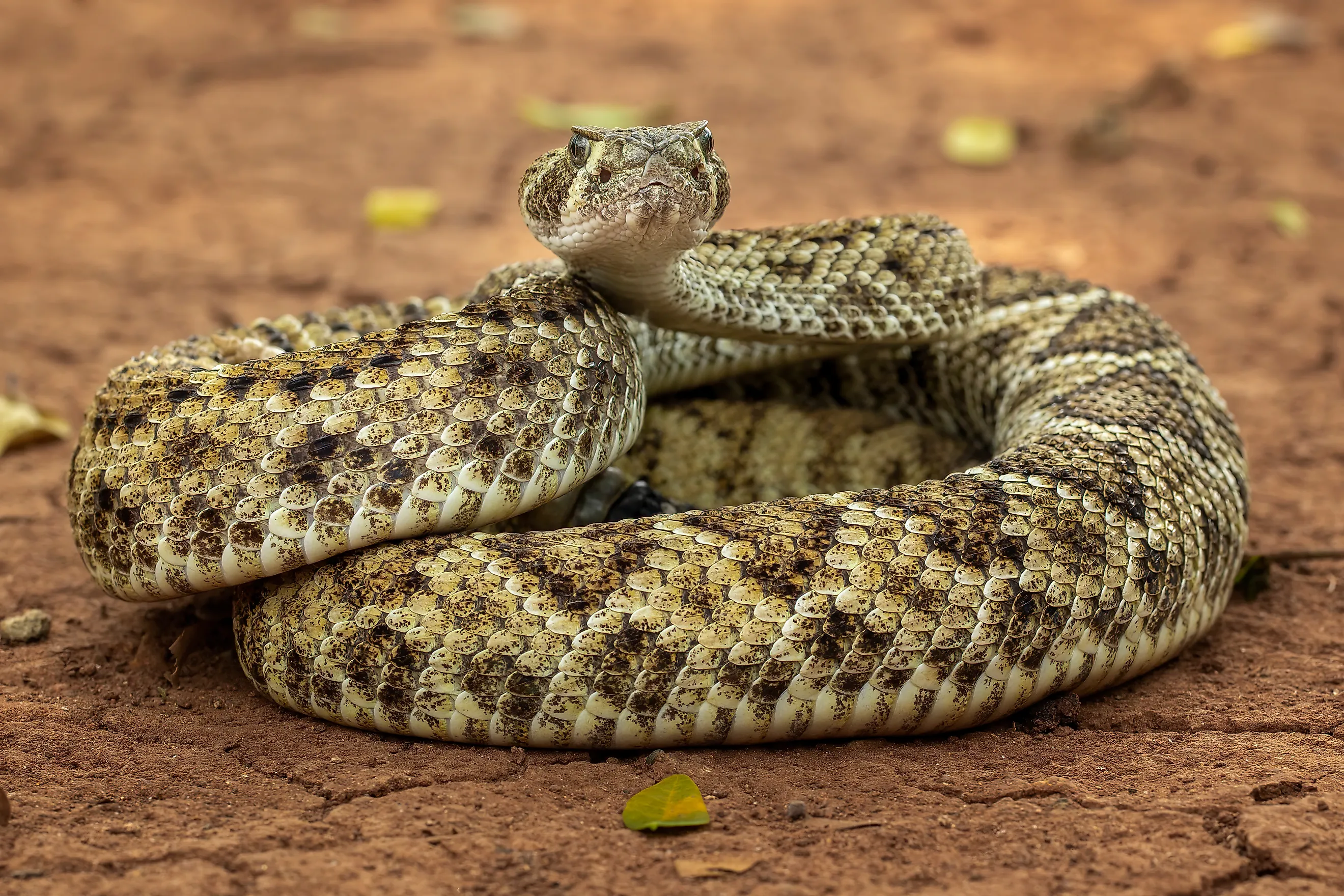
For example, western rattlesnakes, which have a distinct brown splotchy pattern on their backs, are frequently observed sunning themselves in open areas such as exposed rocks and canyon edges. At the same time, gopher snakes and garter snakes tend to patrol the grassy slopes and wetlands lower down. A notable detail about the Columbia River Gorge is that it actually contains some of the largest documented rattlesnake den complexes in the Pacific Northwest, with the Gorge’s fractured basalt cliffs creating deep crevices that remain relatively stable in temperature.
As mentioned, the Gorge’s biodiversity also extends beyond reptiles: birdwatchers can spot peregrine falcons nesting on cliff faces, and wildflowers often bloom along hiking trails in spring. To see it up close for yourself, access points such as Dog Mountain and Beacon Rock offer both recreational opportunities and prime snake-watching areas. But be aware that seasonal water levels in the Columbia can create shifting habitats, drawing snakes to foraging areas near riverbanks that are also frequented by people.
Steens Mountain

Steens Mountain in southeastern Oregon offers another prime mix of scenic outdoor spaces and snake-friendly hotspots, with an expansive high desert landscape punctuated by cliffs, volcanic outcrops, and a handful of seasonal wetlands. Western rattlesnakes are common along rugged slopes, while striped whipsnakes and gopher snakes have been known to navigate the region's expansive sagebrush flats. The area’s elevation gradient creates diverse microhabitats, supporting a wide range of other reptiles and small mammals, which in turn attract snakes for hunting.
Steens Mountain also hosts countless remote, dramatic vistas, rare wildflowers, and bird species like sage grouse and ferruginous hawks. The loop road and numerous hiking trails allow you to safely observe this delicate ecosystem while adventuring around the area’s picturesque geological features, too, including fault-block ridges and glacially carved valleys. Note that, like in most northern states, snake activity here peaks in the warmer months, when these cold-blooded reptiles come out to bask on sun-exposed rocks or forage in nearby woodlands and prairies.
Okanogan Highlands

The Okanogan Highlands of central and northeastern Washington (and stretching across the Canadian border into British Columbia) is a notable living space for the Pacific Northwest's reptile populations, particularly in its dry, boulder-covered foothills and river valleys. Western rattlesnakes are the dominant venomous species here, recognizable by their heavy bodies and dark blotched patterns, often seen coiled or stretched out on warm rocks. Western terrestrial garter snakes are also common, more slender, with distinct yellow or cream stripes running along a darker body. They are typically found near wetter areas where they hunt amphibians and small prey. They are quicker and more active than rattlesnakes, often slipping through grass or along stream edges.
Seasonal flooding of creeks and rivers creates temporary feeding zones, drawing in frogs, small mammals, and insects that support these snake populations. The mix of sagebrush flats, basalt cliffs, and scattered pine forests provides cover, basking surfaces, and overwintering sites in rock crevices. Trails such as the 44-mile-long Kettle Crest pass through these habitats, where sightings are most likely in warmer months when snakes are active on open ground or crossing paths. Visitors should stay alert in rocky areas, tall grass, and around fallen timber, where snakes tend to rest or hunt.
Sauvie Island Wildlife Area

The Sauvie Island Wildlife Area spans 12,000 acres just north of Portland and is another concentrated snake habitat along the Columbia River floodplain. Its mosaic of wetlands and forests supports a variety of species, including western garter snakes, rubber boas, gopher snakes, and occasional western rattlesnakes. Western garter snakes here typically measure between 18 and 36 inches (45 to 90 cm), with clear yellow or cream stripes running along a dark green or black body, and are often seen moving quickly near water while hunting fish, frogs, and insects. Rubber boas are much shorter, usually around 12 to 24 inches (30 to 60 cm), with thick, rounded bodies, smooth skin, and a blunt tail that resembles their head, helping them confuse predators while feeding on small mammals in burrows.
Much of Sauvie Island Wildlife Area lies on a low Columbia River floodplain, and winter or early-spring floods periodically cover large sections of it. When water levels rise, snakes are forced to retreat to levees, dikes, and other slightly elevated locations. As floodwaters recede, local snakes spread back into wetlands and fields. This seasonal shift concentrates them along higher ground at certain times of year, which can make encounters more common along levee roads and popular trails.
Sauvie Island is also another locale renowned for its birdlife, with thousands of migratory waterfowl and shorebirds passing through each year. It features extensive trails for hiking, birdwatching, landscape photography, and, if you so desire, snake-watching.
John Day Fossil Beds National Monument

The John Day Fossil Beds and its surrounding wildlands contrast heavily with the lush rainforests of the Pacific coastline, as it's a unique snake habitat with arid badlands and sagebrush plains. Pacific rattlesnakes are frequently found on the park's sun-baked stone outcrops, typically measuring 24 to 40 inches (60 to 100 cm) in length, with heavy bodies, keeled scales, and brown to gray blotched patterns that blend into rock and soil. When disturbed, they raise the front of their body slightly and produce a rapid rattling sound as a warning.
Other species, such as bull snakes and striped whipsnakes, patrol more vegetated areas. Bull snakes often exceed 60 inches (150 cm) in length, with tan coloring and large dark blotches, and are known to hiss loudly and flatten their heads to mimic rattlesnakes. Striped whipsnakes are slimmer and faster, usually around 35 to 48 inches (90 to 120 cm), with smooth scales and a long tail, actively chasing down lizards and small rodents rather than waiting in ambush.
This 14,000-acre area is also quite geologically significant, with exposed layers that preserve millions of years of fossil history. While outside, visitors traversing the park should be alert for snakes on narrow trails or rocky slopes, whereas early morning or late afternoon (when temperatures are much cooler) are prime times for spotting basking reptiles, whether it be lizards or snakes.
Palouse

The Palouse region of southeastern Washington and north-central Idaho encompasses a lesser-known side of the Pacific Northwest. It offers a different kind of snake habitat, too, this time characterized by rolling wheat fields, grassy coulees, and the odd rocky outcrop. Northern Pacific rattlesnakes frequently occupy exposed ridges and slopes, typically measuring 24 to 36 inches (60 to 90 cm) and featuring dark brown blotches and a clearly defined rattle used as a warning signal. Moreover, rubber boas, gopher snakes, and garter snakes typically hunt along more foliage-rich corridors and irrigation ditches closer to agricultural operations.
The massive amounts of cultivated land and remnant native prairie here provide abundant rodent populations, in particular, sustaining a surprisingly dense snake population in an otherwise farm-covered part of the PNW. Seasonal temperature swings also influence snake activity, with peak sightings outside winter, which tends to hit the Palouse hard and for a prolonged period each year.
Another useful fact is the presence of communal winter dens here. In the Palouse, western rattlesnakes often gather in large shared hibernation sites, known as hibernacula, located in deep basalt fissures or rocky hillsides. Dozens, and occasionally more than a hundred, snakes may use the same den year after year. In spring and fall, these formerly slumbering snakes can be seen clustered near these den entrances as they emerge to bask and finally warm up for what comes ahead for the rest of the year.
Spot a Snake in Any of These Ecologically Rich Destinations This Year
With one of the highest concentrations of state and national parks in the United States, the Pacific Northwest offers more than ample habitat for snakes and other wildlife, but also an outdoor playground that draws in millions of visitors each year. Knowing that, it is up to you to respect these spaces, whether to avoid a potentially venomous bite or simply to maintain these landscapes that support such a wonderful diversity of flora and fauna.