2026's 11 Most Scenic Northern United States Towns
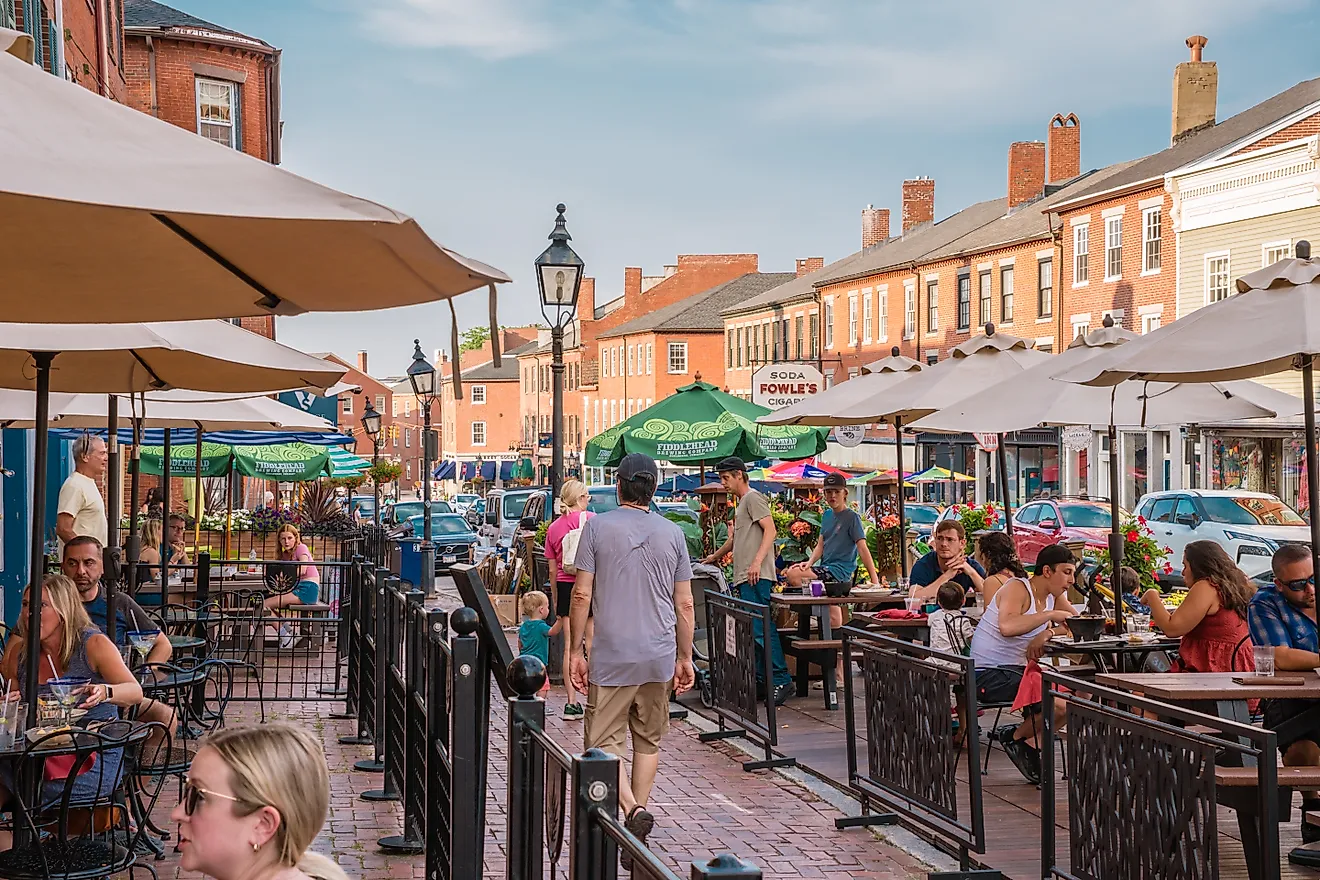
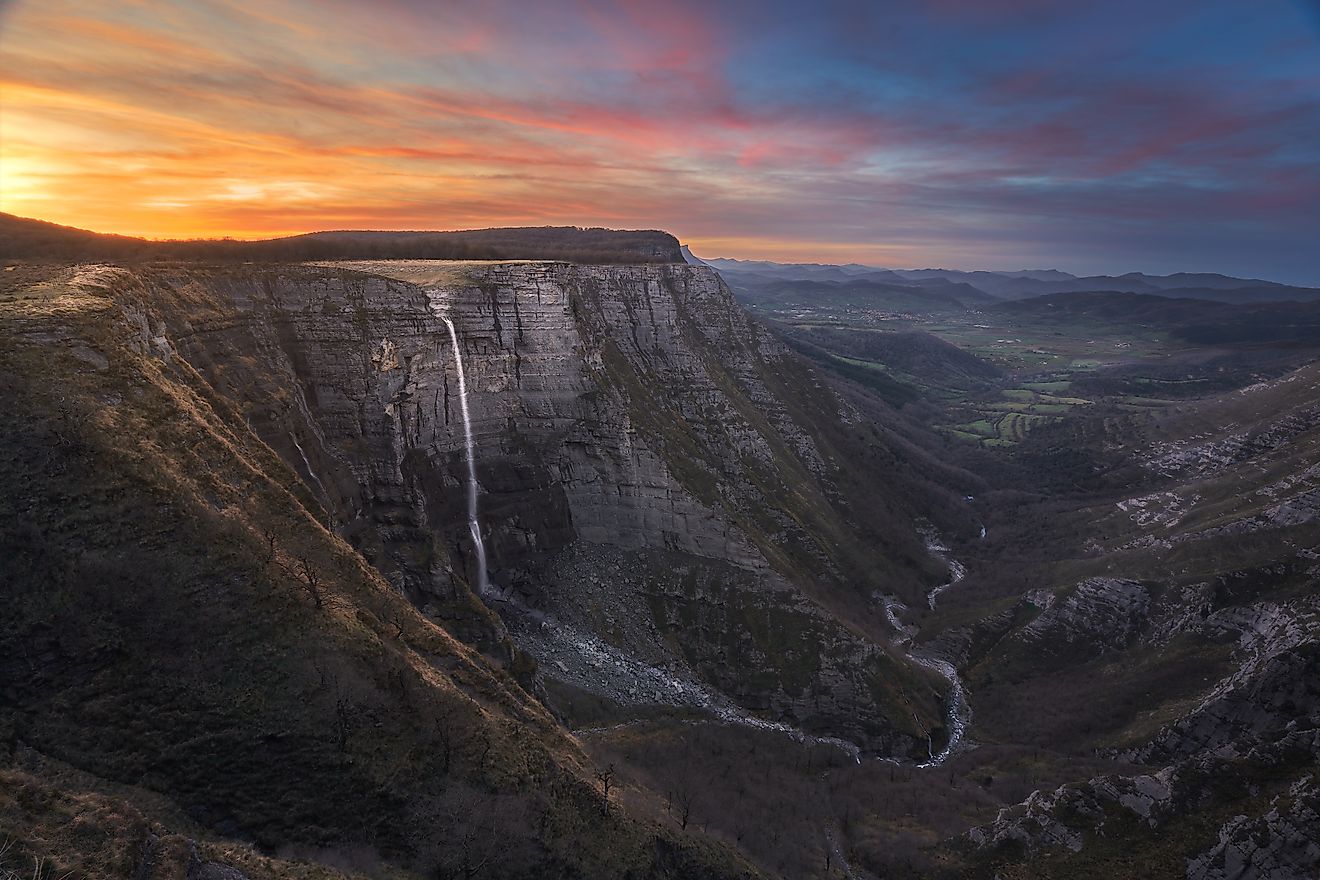
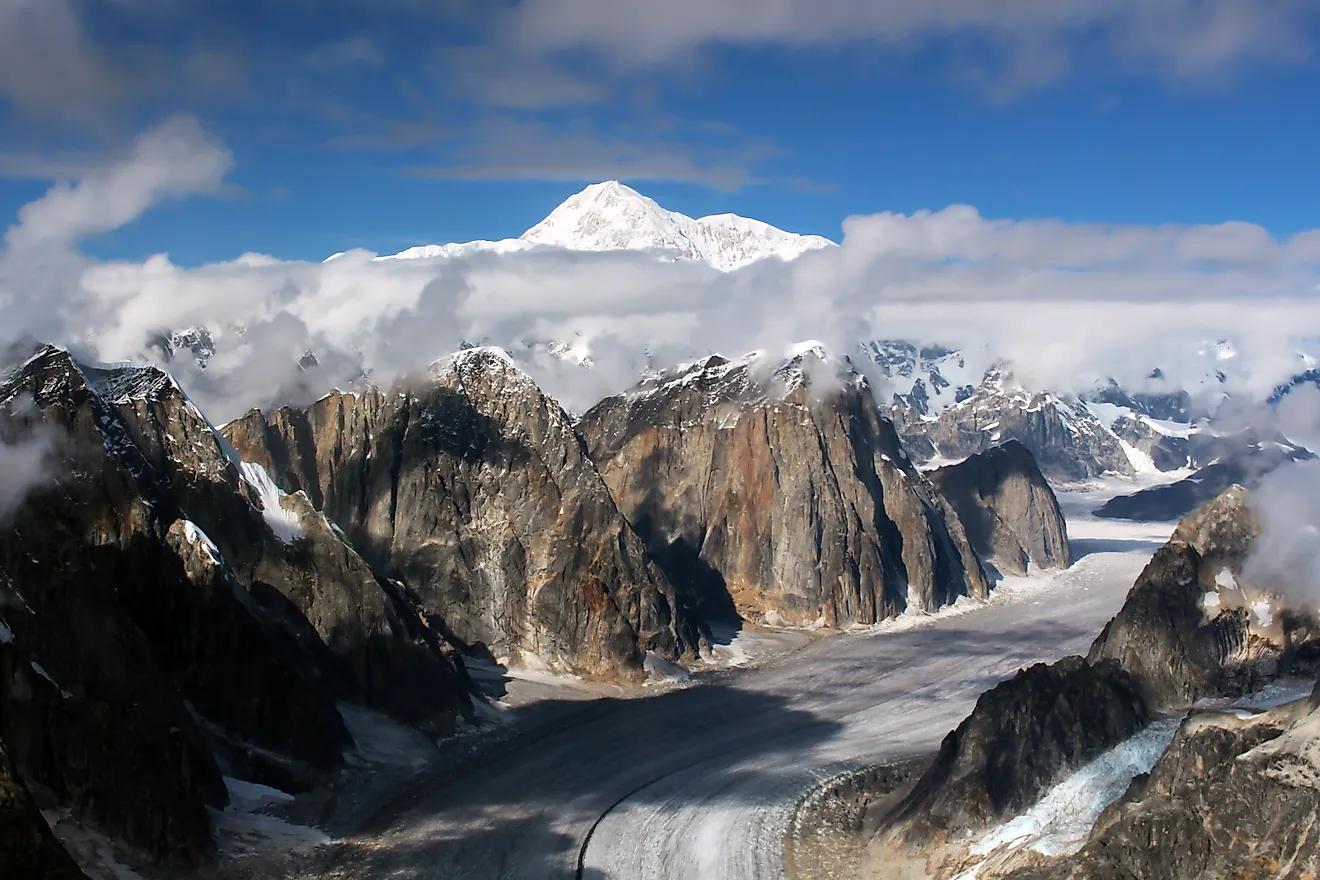
This is the country's high, cold, dramatic edge, and nothing about it is subtle. You get granite peaks in Oregon's Wallowas and a Maine coast where the land ends in a cliff straight down to the Atlantic. You get a maze of lakes and canoe country across northern Minnesota, six million acres of Adirondack forest and summit in New York, and deep winter snow over the White Mountains and the Cascades. The 11 towns below are small enough to know in a weekend and sit right in the middle of all of it, each with a walkable main street, real local history, and big wild country a short drive out of town.
Joseph, Oregon

The scenery in Joseph arrives the instant Main Street comes into view. Bronze sculptures stand between low historic storefronts, but the real drama is behind them, where the Wallowa Mountains rise in sharp, pale ridges above the valley. The Josephy Center for Arts and Culture gives the town's artistic reputation some context through regional exhibitions and programs, while the bronze foundries around town explain why public sculpture is such a visible part of the streetscape. A few miles south, Wallowa Lake shifts the scale completely. Visitors can walk the shoreline, rent a boat, or ride the Wallowa Lake Tramway above the valley. Joseph also makes a good base for short hikes into the Eagle Cap Wilderness. From the tramway's upper station, the view opens across Wallowa Lake, the glacial valley, and a sweep of peaks that makes the tiny grid of Joseph below look almost impossibly small.
Lubec, Maine

Lubec feels like the edge of the map in the best possible way. Fishing boats sit low in the harbor, weathered houses face the water, and Canada's Campobello Island appears just across the narrow channel. Back in the village, the waterfront is compact enough to explore on foot, with galleries, small shops, and the Lost Fishermen's Memorial adding local history to the harbor scenery. Monica's Chocolates is a worthwhile stop for handmade sweets before sunset.
The essential excursion is West Quoddy Head Light, whose red-and-white tower stands above a rugged stretch of Atlantic shoreline in Quoddy Head State Park. Trails leave the lighthouse area and pass through spruce woods to cliffside viewpoints where seabirds, seals, and passing whales may be visible offshore. Early risers get one of Lubec's best scenes when the first light catches the harbor, islands, and lighthouse country at the far eastern edge of the United States.
Wallace, Idaho

Wallace packs an unusual amount of character into a valley barely wide enough for the town itself. Rows of brick commercial buildings fill the historic center, while steep evergreen slopes rise immediately beyond the rooftops. The Wallace District Mining Museum is the best place to understand the silver boom that shaped the region, and the Sierra Silver Mine Tour adds an underground look at the work that built local fortunes. For a different chapter of history, the Pulaski Tunnel Trail follows the route associated with ranger Ed Pulaski and the deadly 1910 fire, passing through forest to interpretive stops along the way. Old hotels, saloons, and storefront details reward a slow walk through downtown, but Wallace saves its oddest landmark for the middle of the street grid: the Center of the Universe marker, installed with characteristic local humor and now photographed almost as often as the surrounding mountain walls.
Saranac Lake, New York

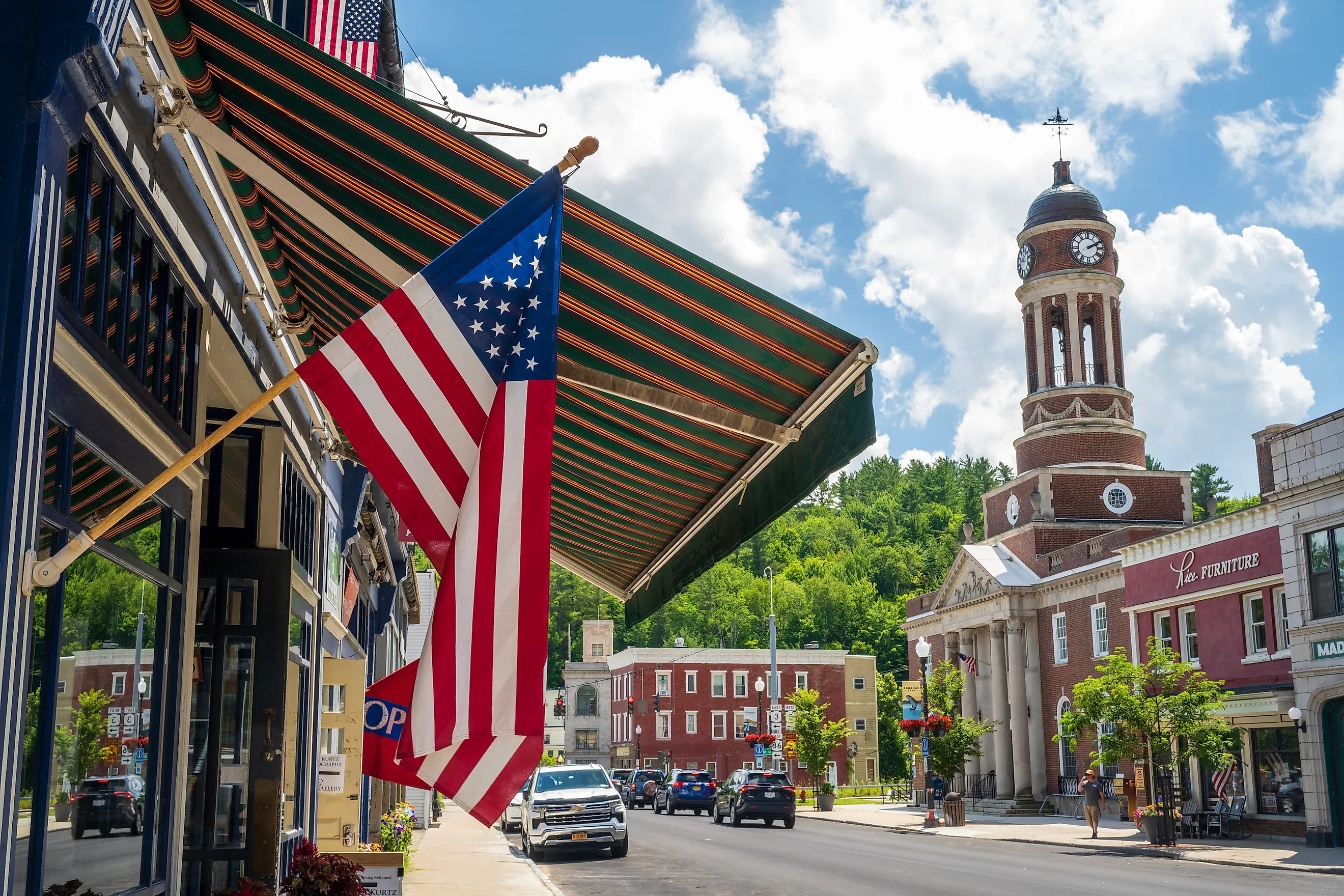
Saranac Lake suits visitors who want the Adirondacks without the resort-itinerary feel. Water runs close to the village center, wooded hills frame the streets, and Lake Flower gives paddlers an easy launch into the local landscape. A short climb up Baker Mountain opens broad views over the village and surrounding lakes without requiring an all-day hike. Blue Moon Cafe is a popular place to fuel up before heading outside.
The town's history is just as distinctive. The Saranac Laboratory Museum tells the story of Edward Livingston Trudeau and the community's past as a tuberculosis treatment center, when patients came to the Adirondacks for the mountain air. Winter brings an entirely different spectacle during the Saranac Lake Winter Carnival. Its centerpiece, the Ice Palace, is built from enormous blocks cut from nearby water, turning the lakes themselves into building material for one of northern New York's most unusual seasonal traditions.
Roslyn, Washington

Roslyn is best explored slowly, because many of its most interesting details sit in plain sight. Old wooden storefronts, brick buildings, and signs from the town's coal-mining era line a compact center backed by dark Cascade forest. The Roslyn Museum explains how miners and immigrant communities shaped the town, while the historic cemeteries on the edge of town reveal just how internationally diverse that workforce became. Fans of Northern Exposure will recognize several filming locations, including the familiar mural connected with fictional Cicely, yet television history is only one layer of the place. The Coal Mines Trail starts close to town and follows an easy route past wooded remnants of former industrial sites. When the walk is done, The Brick Saloon is worth visiting for its nineteenth-century history and one wonderfully strange surviving feature: a running-water spittoon flowing beneath the bar.
Ely, Minnesota

In Ely, the boundary between town and wilderness feels unusually thin. Outfitters, canoe racks, and maps appear throughout downtown because the Boundary Waters Canoe Area Wilderness begins just beyond the community, opening into a vast network of lakes and forest. Travelers who want to understand the region's wildlife should make time for the International Wolf Center, where resident wolves and detailed exhibits explain pack behavior and conservation. The North American Bear Center offers a similarly close look at black bears and their habitat. Piragis Northwoods Company is another essential stop, whether or not a multi-day canoe trip is planned; the longtime outfitter is filled with maps, paddling gear, and local expertise. Those ready to get on the water can arrange rentals or guided trips in town and head toward the Boundary Waters, where portage trails connect quiet lakes beneath spruce, birch, and maple forest.
Thompson Falls, Montana

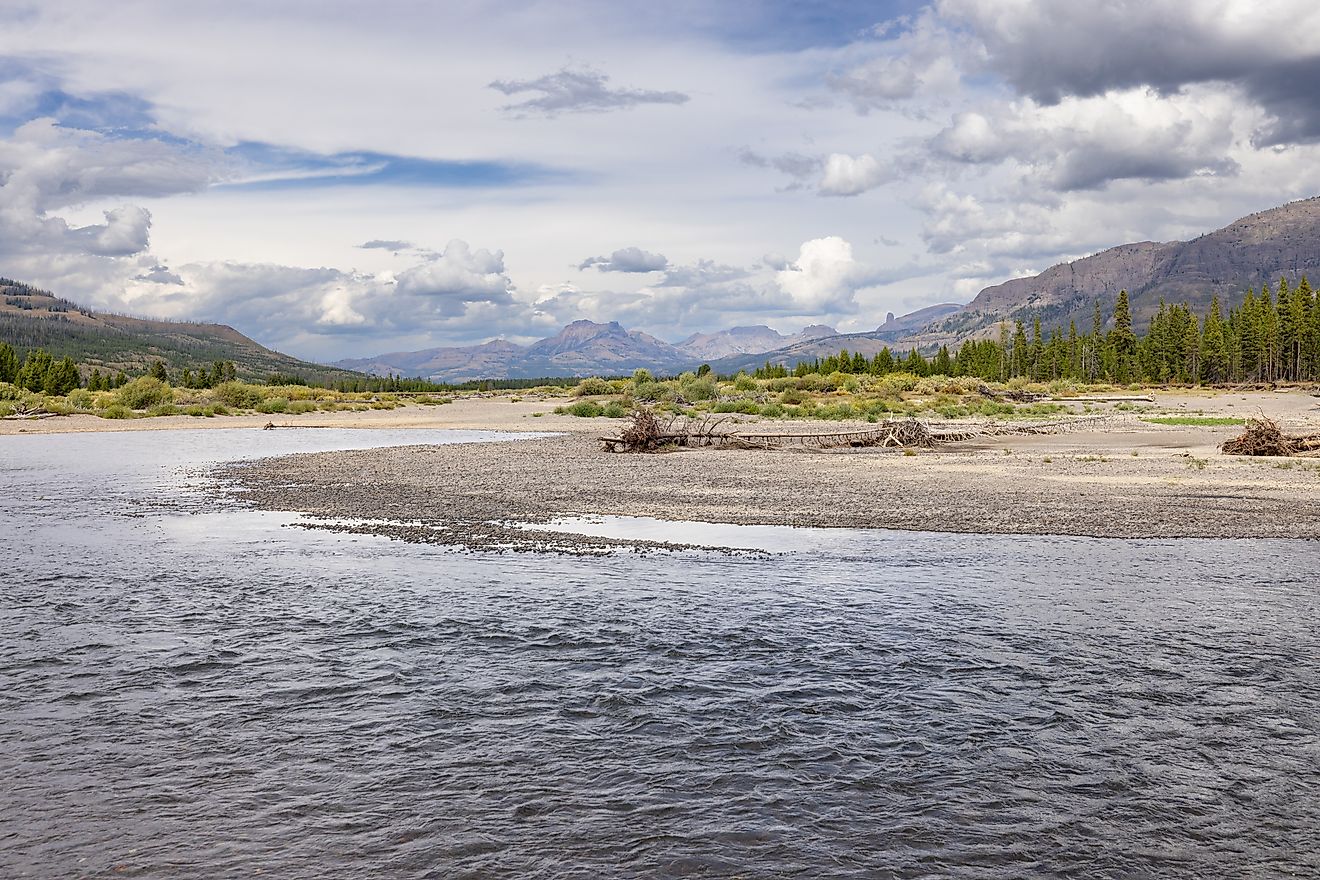
The Clark Fork River sets the pace in Thompson Falls. It bends around wooded banks below town, mountain ridges rise beyond the water, and the Thompson Falls High Bridge gives visitors an immediate look across the valley. The local community trail system continues along forested sections of the river, while Thompson Falls State Park adds shaded picnic areas, shoreline access, and tall ponderosa pines just outside town.
Downtown has a few surprises of its own. The historic Rex Theater gives the main commercial area an unexpected architectural landmark, and Minnie's Montana Cafe is a dependable place for a substantial breakfast before a morning outside. Deer frequently wander through the community, and bald eagles are often seen around the river corridor. During spring runoff, the Clark Fork becomes louder and faster, with swollen water pushing past islands and banks that look far gentler later in the year.
Houghton, Michigan

Houghton is one of the few small northern towns where the best views come from looking across, down, and up all at once. The city climbs from the Keweenaw Waterway in steep layers, with the Portage Lake Lift Bridge linking Houghton to Hancock across the channel. A walk along the Waterfront Trail shows off the bridge and shoreline before the streets rise toward the older commercial district.
Copper explains much of what comes next. The Carnegie Museum of the Keweenaw introduces the region's mining and immigration history, while Michigan Technological University's A.E. Seaman Mineral Museum displays remarkable native copper specimens alongside minerals from around the world. Drivers can continue north into the Keweenaw Peninsula for abandoned mining sites and rugged Lake Superior shoreline, then return to Keweenaw Brewing Company downtown. In winter, Houghton's famous snowfall piles along the hills and streets, and the lift bridge stands above a landscape of white banks, dark water, and industrial structures.
Bethlehem, New Hampshire

In Bethlehem, the setting registers before a visitor reaches any attraction. The town sits high in New Hampshire's White Mountains, with forested ridges appearing at the ends of roads and above old inns that recall its nineteenth-century resort era. The Rocks is one of the best places to get outside, combining walking trails, open views, and the grounds of a former estate now managed for conservation. Bethlehem also has a strong arts presence, with galleries and small studios giving Main Street more personality than its size suggests. Nearby roads reach White Mountain National Forest quickly, so trailheads and scenic drives can be added without much planning. The Colonial Theatre provides the indoor counterpoint: the restored early-twentieth-century venue still hosts films, concerts, and performances, its marquee lit over Main Street after the surrounding mountain ridges have gone dark.
Vergennes, Vermont

Vergennes holds city status, yet it stays small enough to walk end to end without hurry. Its brick downtown sits only a short distance from Otter Creek, where Vergennes Falls drops through a rocky gorge just below the center. Nearby viewpoints make the sudden shift between storefronts and rushing water easy to appreciate, and the Vergennes Opera House adds an ornate nineteenth-century landmark that still hosts local performances.
A short drive away, the Lake Champlain Maritime Museum explores shipwrecks, regional boatbuilding, and the long history of travel on the lake. Hired Hand Brewing Co. is a lively choice for pizza and Vermont beer after returning downtown. Beyond the compact center, open Champlain Valley farmland keeps the horizon broad; on clear roads outside town, the Adirondacks rise in one direction and the Green Mountains in the other.
Mineral Point, Wisconsin

Mineral Point looks unlike most small towns in the upper Midwest because its streets still carry the imprint of nineteenth-century Cornish miners. Limestone cottages, stone walls, and steep lanes give the historic center a texture that feels closer to an old mining village than a standard Wisconsin Main Street. Pendarvis is the essential historical stop, preserving miners' cottages and interpreting the immigrant community that helped shape the town. High Street shifts the mood toward art, with galleries, studios, shops, and restaurants occupying restored commercial buildings. The Mineral Point Railroad Museum adds another layer inside the former depot, while Shake Rag Alley Center for the Arts uses a cluster of historic structures for workshops and creative programs. Leave time for a drive beyond town as well: the roads of the Driftless Area roll over steep green hills, curl past farms, and cross a landscape that glaciers never flattened.
Northern Scenery On A Small-Town Scale
What connects these eleven places is not a single kind of landscape but a shared sense of proportion. A silver-mining valley in Idaho, a copper waterway in Michigan, and a Cornish limestone grid in Wisconsin each keep their scenery close at hand, framed by streets a visitor can cover on foot. The harbor at Lubec and the falls at Vergennes work the same way, putting dramatic water within a few minutes of a downtown block. Whether the season delivers Adirondack ice or White Mountain foliage, the appeal holds steady: scenery big enough to plan a trip around, in towns small enough to know by the end of a weekend.