2026's 11 Best Small Towns To Visit In Northern California
You need to skip over the usual Napa, Mendocino, and Tahoe circuit of NorCal to get somewhere that still feels genuinely overlooked. Old railroad communities beneath Mount Shasta and tiny Sonoma villages surrounded by redwoods each show a different side of the region. The towns below are small enough to explore at an easy pace. Better still, they are unusually photogenic. A single trip through Northern California can take in waterfalls, Victorian storefronts, Pacific cliffs, giant sequoias, alpine lakes, and historic downtowns, often without the crowds that define the region's headline destinations.
Dunsmuir

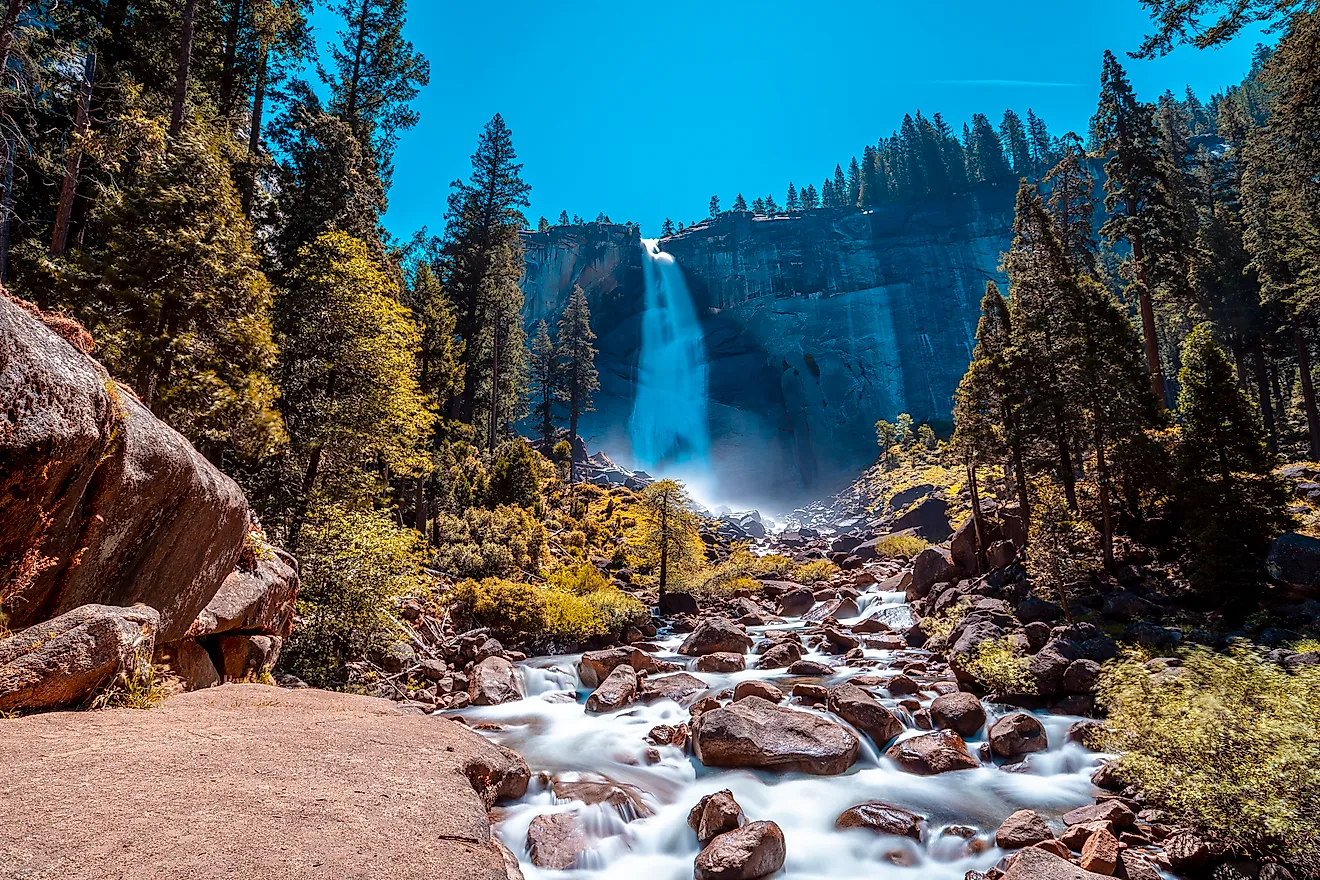
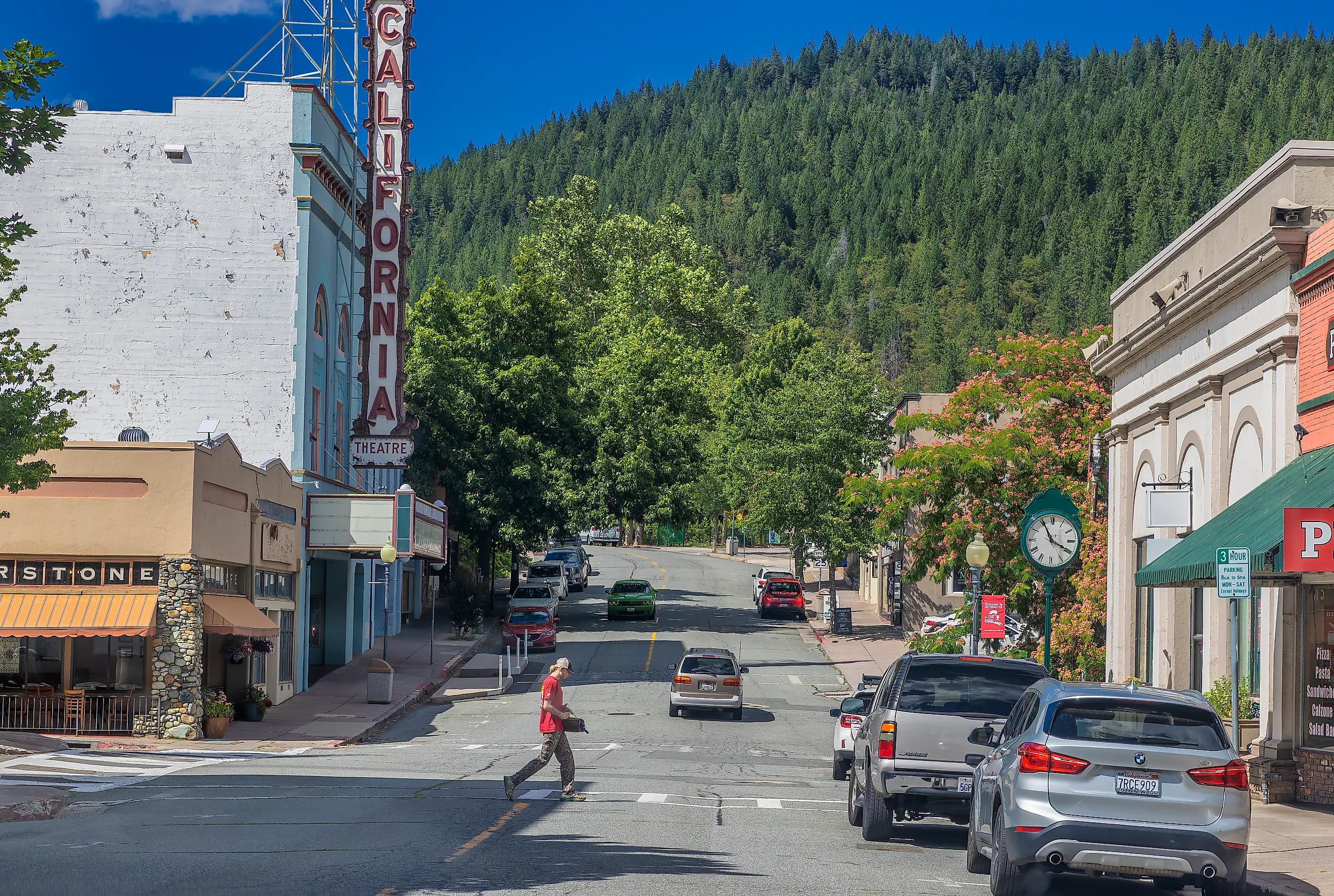
The Upper Sacramento River runs directly through Dunsmuir, and the setting is far wilder than the compact downtown suggests. Start around Dunsmuir Avenue, where old commercial buildings, murals, cafes, and reminders of the Southern Pacific era sit along the streets. Displays at the Dunsmuir Railroad Depot explain why trains were once central to life here. From downtown, Hedge Creek Falls is only a short trip away. The trail there drops through shady woodland to a waterfall, with a path running behind the curtain of water before continuing toward a Sacramento River overlook.
For a slower afternoon, Dunsmuir Botanical Gardens stretches along the river, planted with native species and rhododendrons and dotted with picnic areas beneath mature trees. Castle Crags State Park lies just south of town, where trails climb toward dramatic granite formations above the forest. Anglers can also fish sections of the Upper Sacramento, so Dunsmuir rewards visitors who like to combine a historic downtown with time outdoors.
Graeagle

Graeagle's most recognizable buildings are not brick storefronts or Victorian houses but a cluster of small red structures left from its days as a lumber company town. Many now hold shops and seasonal businesses beneath towering pines, and the result reads more like a mountain retreat than a traditional commercial district. Graeagle Mill Pond, a short walk away, is a popular warm-weather spot for swimming and paddling. Golfers can spend a morning at Graeagle Meadows Golf Course before heading farther into the mountains.
West of town, the Lakes Basin opens onto granite slopes, conifer forest, and clear mountain water. Gold Lake is the largest of these lakes, while Sardine Lakes and Long Lake stay quieter, with room for hiking, kayaking, and photography. Trails connect numerous smaller lakes, so visitors can pick anything from a short walk to a full day in the backcountry.
Autumn is especially rewarding around Graeagle. Yellow foliage fills parts of the valley while the surrounding peaks stay heavily forested, a completely different look for a town most travelers associate with summer.
Point Arena

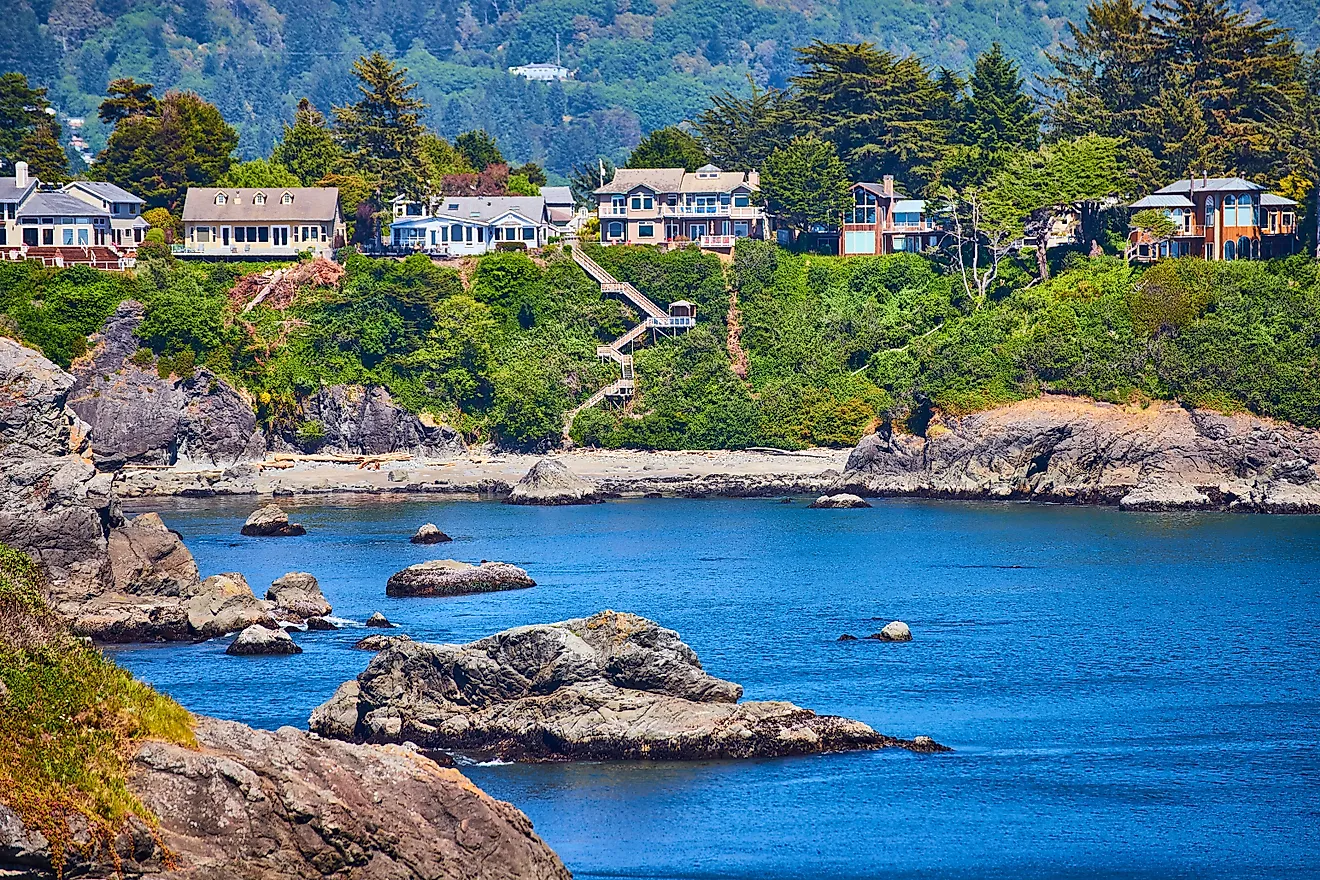
Point Arena sits along a rugged stretch of the Mendocino Coast where grass-covered headlands break off abruptly at dark cliffs and sea stacks. The Point Arena Lighthouse rises at the edge of that landscape, and tours take visitors inside the 115-foot tower and across grounds overlooking the Pacific. Just south, trails across the Point Arena-Stornetta lands trace bluffs, coves, sinkholes, and coastal prairie for miles. Winter and spring visitors may also spot migrating gray whales offshore.
Down at Arena Cove, fishing boats cluster around the pier while waves break against the rocky shoreline. The compact downtown has an entirely different personality. The restored Arena Theater still shows films beneath its Art Deco facade, and nearby cafes and galleries make it easy to spend an hour wandering before heading back to the coast. Point Arena is small, but the contrast among its working harbor, its little downtown, and the immense ocean scenery leaves visitors plenty to photograph, without the heavier crowds found farther north around Mendocino.
McCloud

McCloud still carries the imprint of the lumber company that built up the town around the beginning of the 20th century. At its center, beneath Mount Shasta, are broad streets, historic company buildings, old railroad infrastructure, and the stately McCloud Hotel. The mountain often shows above rooftops and pine trees on clear days, so even a walk around town is worth bringing a camera for. Visitors can browse local shops, stop for lunch, and explore the historic district before following the river east.
Three major waterfalls make that river the centerpiece of a McCloud trip. Lower Falls tumbles into a broad swimming hole, Middle Falls drops across a wide basalt ledge, and Upper Falls plunges into a deeper volcanic gorge. A trail follows the McCloud River between the falls, so hikers can see all three without treating them as separate roadside stops. Those with another day can drive toward Mount Shasta for more hiking, scenic viewpoints, and forest roads at higher elevations.
Sutter Creek

Main Street is the reason to spend time in Sutter Creek rather than simply drive through Amador County. Brick buildings, iron balconies, narrow storefronts, and old hotels stand tightly packed along a walkable section of town, with the creek visible between streets and buildings. Independent shops and tasting rooms fill many of the historic properties, and the Knight Foundry holds industrial equipment once used to support the area's mines. Its machinery gives a far more tangible look at Gold Rush engineering than another collection of old photographs ever could. Outside town, the Shenandoah Valley starts almost immediately, and family-run wineries across the foothills produce Zinfandel, Barbera, and Rhône-style wines. Black Chasm Cavern near Volcano adds something completely different to a weekend here. Guided tours descend among stalactites and unusually twisted helictite formations, an easy afternoon underground to pair with dinner back among Sutter Creek's 19th-century buildings.
Downieville

There is barely any flat ground in Downieville. Historic buildings crowd the narrow space where the Downie River meets the North Yuba River, and steep forested slopes rise behind the town on nearly every side. Crossing one of the small bridges gives the best sense of the setting, with clear water below and wooden balconies, old storefronts, and wooded mountains in view. The Downieville Museum sits in a stone building dating to the Gold Rush and holds mining artifacts, photographs, and exhibits on the thousands of people who once arrived here searching for gold.
Summer gives visitors plenty of reasons to leave the streets. Pools along the North Yuba make good places to cool off, and Tahoe National Forest wraps the community in hiking and fishing. Mountain bikers know Downieville for another reason entirely. The Downieville Downhill runs miles of rugged Sierra terrain and has helped make the town one of California's best-known riding destinations among serious cyclists.
Weaverville

A vivid red Taoist temple sets Weaverville apart from California's many other Gold Rush towns. At the Weaverville Joss House State Historic Park stands a Taoist place of worship, built by the Chinese community that settled here during the mining era and now a state historic site. Inside are altars, ceremonial objects, carvings, and furnishings that tell a broader story of 19th-century California than the saloons and mining equipment usually tied to the period.
Historic brick and wooden buildings still stand along Main Street, among the cafes and independent businesses. The Jake Jackson Museum covers more local history, with mining displays, photographs, and artifacts from Trinity County.
The landscape changes quickly beyond downtown. Boaters and swimmers head to Trinity Lake among the forested hills, while the Trinity Alps Wilderness rises farther west with granite peaks, alpine lakes, and long hiking routes. Travelers visiting in autumn can also catch bright patches of fall foliage around the valley, an extra burst of color before winter reaches the surrounding mountains.
Occidental

Occidental takes up only a tiny patch of western Sonoma County, with redwood-covered hills starting almost as soon as the commercial streets end. Its center grew around the railroad in the late 19th century and now holds galleries, small shops, cafes, and two restaurants with particularly deep local roots. Cooks at the Union Hotel have turned out family-style Italian dinners here for generations, and the family behind Negri.s keeps up another long-standing Occidental table. A meal in town is part of the visit rather than an afterthought.
The Bohemian Highway is the natural route onward, winding through forest, farmland, and neighboring communities such as Monte Rio and Freestone. Armstrong Redwoods State Natural Reserve is an easy excursion from Occidental, where level trails pass beneath immense coast redwoods, some of them hundreds of years old. Nearby farms and wineries add more stops without pushing visitors into Sonoma's busier tourism centers. Early mornings are especially striking, when coastal fog moves through the redwoods around the village before the sun breaks through.
Quincy

Quincy sits in the broad American Valley rather than inside a narrow mountain canyon, so its historic center looks out toward forested ridges in almost every direction. The Plumas County Courthouse stands over downtown with its classical columns and copper dome, and murals, early commercial buildings, cafes, and locally owned stores fill the surrounding blocks. The nearby Plumas County Museum covers the region's mining, logging, railroad, and Indigenous history through exhibits that help explain how this relatively remote part of California developed.
Bucks Lake is one of the best nearby escapes. Through summer, kayakers, swimmers, anglers, and boaters gather on its clear mountain water, and forest trails climb away from the shoreline. Other routes around Plumas National Forest reach creeks, meadows, and overlooks with far fewer people than comparable destinations around Lake Tahoe. In fall, cottonwoods and other deciduous trees brighten parts of American Valley, so the drive into Quincy can be nearly as photogenic as the town itself.
Murphys

Downtown Murphys is a place of historic stone buildings and shady trees, though it feels lively rather than frozen in its Gold Rush past. Along Main Street sit tasting rooms, restaurants, boutiques, and patios, with nearly everything within an easy walk. The Murphys Hotel has operated since the 1850s and remains one of the town's most recognizable landmarks. Wine matters as much as history here now, and visitors can sample bottles from Sierra foothill producers without driving between scattered vineyards.
Calaveras Big Trees State Park, uphill from Murphys, deserves at least half a day. Trails through the North Grove pass giant sequoias whose trunks tower over the surrounding forest, while longer routes reach quieter sections of the park. Mercer Caverns turns the scenery in the opposite direction, its tours descending through limestone chambers filled with delicate mineral formations. Between those excursions, Murphys makes a convenient base to return to for dinner and an evening stroll through the compact downtown.
Etna

Reaching Etna takes a drive deep into Siskiyou County, but the route into Scott Valley is part of the appeal. Ranches and hay fields spread across the valley floor, and the Marble, Salmon, and Scott mountain ranges form a rugged horizon around the town. Etna itself has only a few commercial blocks, where historic brick buildings and Western-style storefronts keep the look of a remote Northern California agricultural community. Etna Brewing Company is a lively local stop, with roots stretching back to the 19th century.
The Marble Mountains Wilderness starts within easy reach of town, with alpine lakes, wildflower meadows, unusual limestone formations, and long stretches of the Pacific Crest Trail. For travelers who would rather drive, fish, or photograph the valley than tackle a full mountain hike, roads run gently along the Scott River. With very little urban development nearby, evening light stays remarkably clear across the surrounding ridges, followed by dark skies that make Etna an excellent overnight stop for stargazing.
Small Towns, One Region, Many Reasons To Go
What ties these eleven towns together is not a single mood but a set of specific pulls. Dunsmuir and McCloud trade on rivers and waterfalls beneath Mount Shasta, the Gold Rush cores of Sutter Creek, Downieville, and Murphys keep their 19th-century streets in daily use, and Point Arena and Occidental swap the Sierra for coastal cliffs and redwood fog. Each rewards the traveler who settles in for an afternoon rather than racing to the next stop, and together they map a version of Northern California that the Napa-and-Tahoe crowd rarely sees.