12 Unforgettable Small Towns to Visit in Georgia
Georgia packs a surprising number of attractions into its smallest towns. In a single trip, you can walk courthouse squares, follow boardwalks along tidal marshes, cross a suspension bridge over a mountain gorge, and step underground into tunnels once carved by gold miners. That’s a recipe for an unforgettable vacation.
In these towns, wander among the twisted driftwood at Jekyll Island, hunt for carved Tree Spirits on St. Simons, and watch shrimp boats at the docks in Darien. If you are ready to slow down and see Georgia at ground level, here are some unforgettable small towns that pack a punch.
Jekyll Island

Jekyll Island is where Georgia’s coast shows both its polished side and its untamed one, often within the same mile. Start at Driftwood Beach at low tide, where fallen oaks and pines twist into sculptures shaped by wind and waves. It looks staged for photos, but it is pure erosion doing overtime.
Move inland to the National Historic Landmark District and the Mosaic, Jekyll Island Museum, to see how America’s wealthiest families once treated vacation like a competitive sport. You can bike the island’s paved loop through maritime forest and marsh edges, then stop at the Georgia Sea Turtle Center to watch conservation work in action. Whether you arrive early or later in the day, crowds and selfie sticks are not part of the island’s original design.
St Simons Island

St. Simons Island runs on salt air, live oaks, and a pace that suggests nobody is in a hurry and nobody plans to start. Begin at the St. Simons Lighthouse, where a short climb delivers wide views of marsh channels, cargo ships, and shrimp boats doing their daily rounds. From there, walk to Pier Village for cafés, bait shops, and steady fishing activity.
A few minutes inland, Fort Frederica National Monument’s brick ruins explain why this quiet island once mattered to empires. Then comes the island’s strangest feature: the Tree Spirits. Local artist Keith Jennings carved faces into damaged trees, turning storm scars into hidden artwork. Finding them feels like an euphoric scavenger hunt. You can pick up a guide filled with hints on where to find them all.
Tallulah Falls

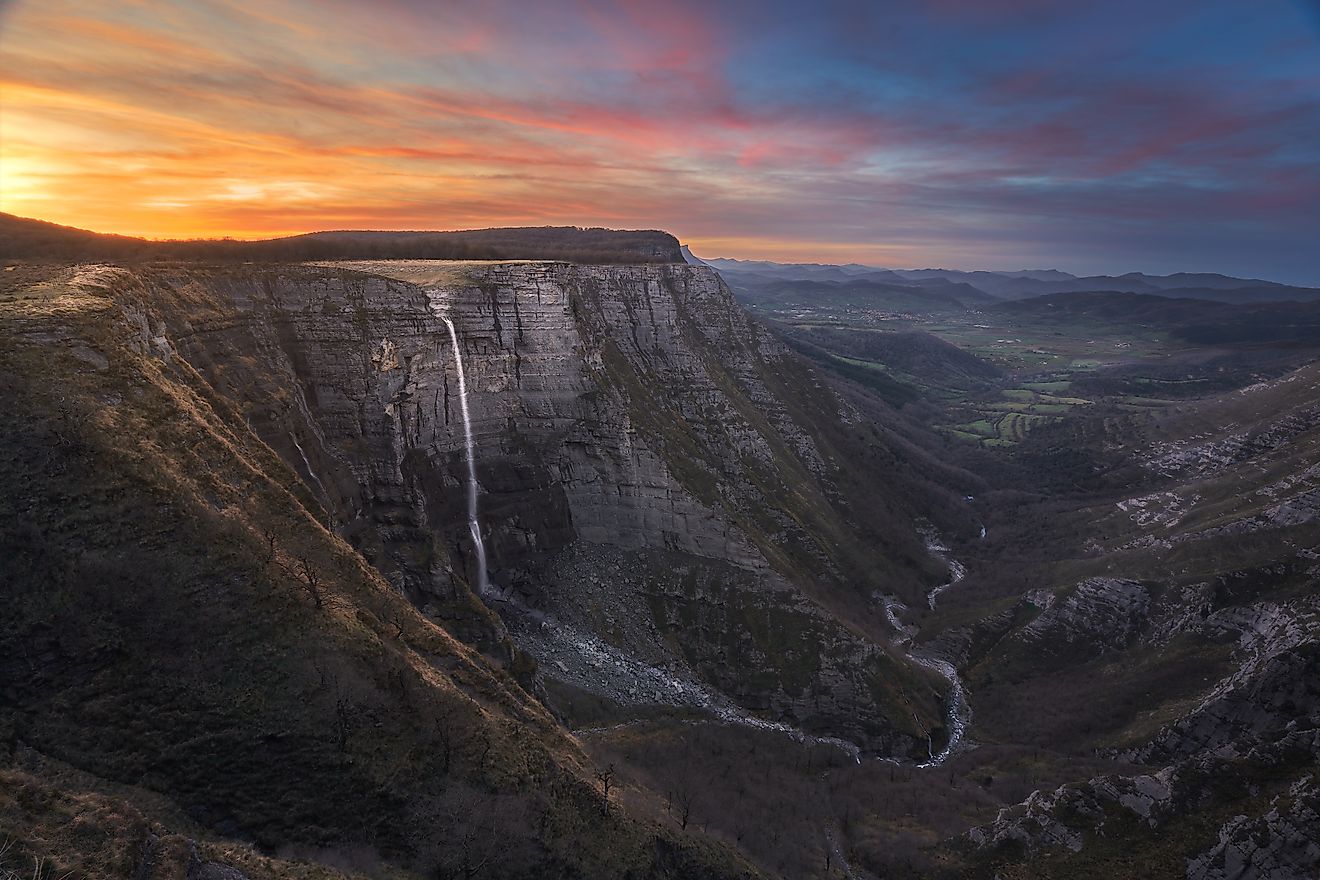
Tallulah Falls sits beside one of the most dramatic landscapes in Georgia: a narrow, steep canyon carved by the Tallulah River over millions of years. Tallulah Gorge drops more than 1,000 feet in places, which explains why visitors tend to stop talking once they reach the overlook. Your main stop is Tallulah Gorge State Park.
You can cross the Hurricane Falls suspension bridge, walk the rim trails, and look straight down into rushing water and exposed rock walls. During scheduled water releases, the usually quiet falls turn into a controlled flood show, complete with roaring currents and misty spray.
Dahlonega

Dahlonega is Georgia’s original gold rush town, and unlike most places that just talk about mining history, this one lets you walk straight into it. The Consolidated Gold Mine takes you underground through narrow tunnels where miners once worked by candlelight and stubborn optimism. It is cool, damp, and slightly claustrophobic, which makes the experience feel authentic.
Back above ground, the brick courthouse square holds the Dahlonega Gold Museum and a cluster of cafés, bookstores, and local shops. When you want quiet, drive a few minutes into the surrounding mountains for trailheads and scenic pull-offs like the Lake Zwerner Trail and Pulloff. It is part history lesson, part mountain town, and part reminder that people once chased fortunes with pickaxes and hope.
Warm Springs

Warm Springs revolves around one person more than any other small town in Georgia: Franklin D. Roosevelt. He arrived here in the 1920s looking for relief from polio and kept coming back for the rest of his life. The Little White House Historic Site is where he lived, worked, and eventually died in 1945. It is modest, practical, and free of grand presidential drama.
You can walk through the rooms, see his desk, and get a clear sense of how quiet his daily routine really was. Nearby, the Roosevelt Historic Pools & Warm Springs explain how recreation and healing work developed here. If you need fresh air, Cascade Falls is just outside town. No flash. No spectacle. Just a place built around nature, scenery, and steady mountain views.
Plains

Plains is one of the few places in the country where a former president’s hometown still runs on everyday routines rather than souvenir hype. This is where Jimmy Carter grew up, went to school, and later returned after leaving the White House. The town has fewer than a thousand residents, one main road, and more peanut fields than traffic lights.
Start at the Jimmy Carter National Historical Park, where the former high school, campaign office, and visitor center explain how a small-town resident became president. A short drive leads to the Jimmy Carter Boyhood Farm, where restored buildings show daily life in the 1930s. Back in town, walk Main Street’s small museums like The Plains Depot and general storefronts. Nothing here feels staged.
Helen

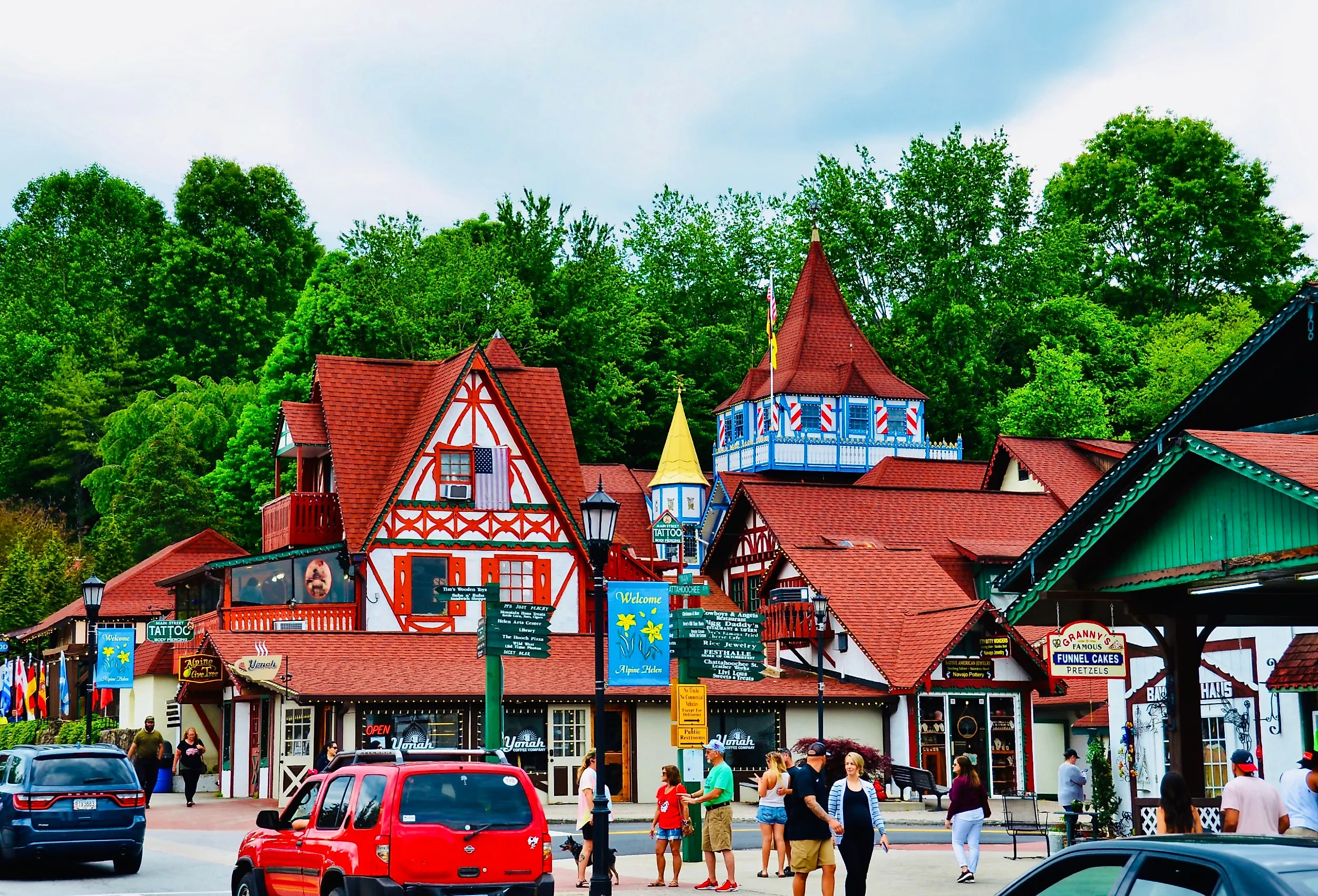
Helen has one main claim to fame: it committed fully to the Bavarian look. Not halfway, not inspired by, but fully committed. In the 1960s, the town redesigned its entire downtown into an Alpine-style village, complete with painted façades, timber trim, and gingerbread balconies. It sits along the Chattahoochee River, so you get mountain scenery with a steady water soundtrack.
You can walk the compact downtown in under an hour, stopping for bakeries, antique shops like Nacoochee Antiques, and river views. Just outside town, Anna Ruby Falls drops in twin cascades, and the nearby Unicoi State Park & Lodge brings the full outdoor buffet - ziplines, forest trails, and easy lake access. It may look like Bavaria, but the Blue Ridge Mountains make it clear you are still in Georgia.
Madison

Madison is home to more than 100 antebellum homes that still line quiet streets, many built before the Civil War and still in daily use. Walk the Madison Historic District, and you will see how nearly every block boasts another well-kept 1800s home.

Start at the Madison Welcome Center to get your bearings, then tour Heritage Hall for a close look at Greek Revival design. For something unexpected, drive a few minutes to Georgia Safari Conservation Park, where you can spot giraffes from your car. Wrap up at Farmview Market for solid home-cooked meals.
Darien

Darien sits where the Altamaha River spreads into a wide salt marsh before meeting the Atlantic. If you are ready to see shrimp boats idle at the docks and egrets patrol the grass, Darien is the place to be. Start at Fort King George State Historic Site, a reconstructed 18th-century British fort with tabby ruins. Tabby, by the way, is oyster shell concrete.
A short drive inland takes you to Hofwyl-Broadfield Plantation, where rice fields and oak alleys explain how the coast once made its money. If you want open views, take the Sapelo Island ferry or drive the marsh backroads where water and sky blur together. Keep it simple: watch the tide schedule, bring bug spray, and let the marsh do the talking!
Thomasville

Thomasville has two main stars: brick streets that mean business and plantation-era estates that never quite left the stage. In downtown Thomasville, you can explore the Lapham-Patterson House Historic Site in under an hour, stopping at the Thomasville History Center for context on how this place became a winter retreat.
Pebble Hill Plantation anchors that experience. The preserved grounds, outbuildings, and hunting landscapes connect directly to town history, not just postcards. For a broader story, the Jack Hadley Black History Museum documents local civil rights history and everyday life, often left out of brochures.
Milledgeville

Milledgeville wears its history out in the open. It served as Georgia’s capital before and during the Civil War and later became home to Central State Hospital, once one of the largest mental institutions in the world. Today, that massive campus still sits on the edge of town. You can click pictures, but the building is not open to the public for interior access. Walk past long brick wards, empty courtyards, and wide service roads that once handled thousands of patients and staff. It is part history lesson, part reality check.
Next, head to Georgia’s Old Governor’s Mansion, where polished floors and formal rooms show how state leaders once lived. Then walk through Georgia College’s shaded grounds and follow the Oconee River Greenway for a calmer break.
Blue Ridge

Blue Ridge sits at the edge of the Chattahoochee National Forest. Most visits start with a ride on the Blue Ridge Scenic Railway, which follows the Toccoa River through narrow valleys and hardwood forest.
Back in town, walk Main Street and stop at Harvest on Main for delicious meals and a front-row seat to slow-moving foot traffic. A short drive leads to Fall Branch Falls, where a shaded trail ends at a wide, multi-tiered cascade. For easy hikes close to town, use the Aska Trail System, where there are more birds than people.
In Georgia’s most unforgettable small towns, you can walk among storm-twisted trees on Jekyll Island, cross a narrow suspension bridge at Tallulah Gorge, step into gold tunnels in Dahlonega, and watch shrimp boats idle in Darien’s marshes. Plan your days around walking, not rushing. Bring good shoes for gorge trails, bug spray for marsh roads, and patience for slow cafés that are not trying to impress anyone.