5 Copperhead Snake Hotspots In Illinois
Illinois is home to four venomous snakes: the cottonmouth, the timber rattlesnake, the eastern massasauga rattlesnake, and the copperhead. The copperhead in particular is responsible for a large percentage of snake bites in the U.S., although the bite typically isn't deadly as the snake usually doesn't inject enough venom to kill someone. However, venom can still cause swelling, pain, and potentially deadly allergic reactions in some people.
With this in mind, one should be aware of copperheads when traversing its range in Illinois, which goes up the southwestern and central border of Illinois and throughout the southern third of the state. The copperhead hangs out near river bluffs, woodlands, marshes, cliffs, and underbrush. Sometimes, they even come out onto forest trails during the summer mating season. In this article, you'll learn about five copperhead hotspots in Illinois, as well as some tips on how to identify them and avoid getting bitten.
The Mississippi River

The Mississippi River is the dividing line, separating the Eastern United States from the Western United States. In Illinois, the Mississippi River is the natural border between it and Missouri (commonly called the gateway to the West). It's the second longest river in the U.S., topped by the Missouri, but it is the largest by discharge flow.
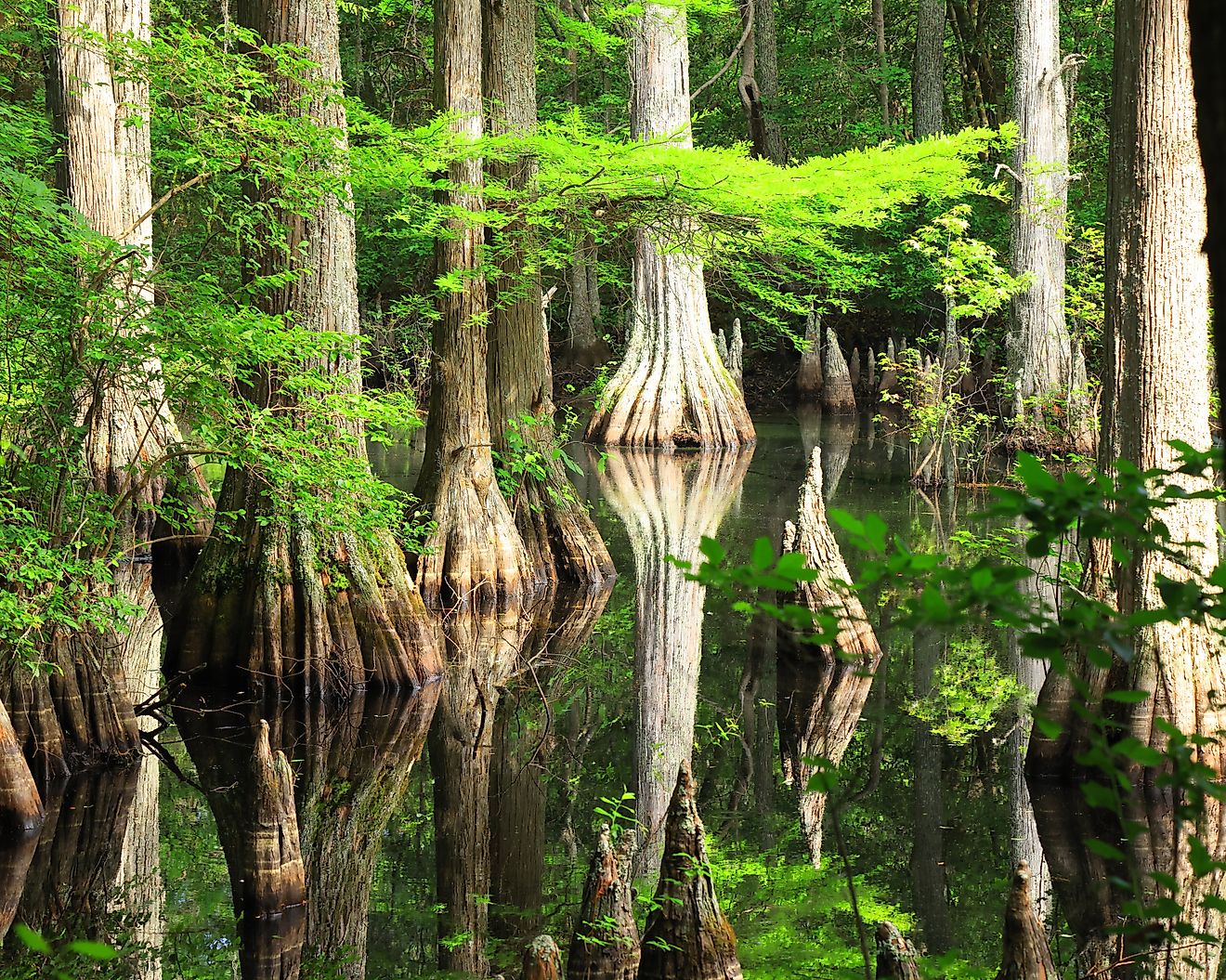
Snakes frequent the edges of the water, forests, and bluffs of the Mississippi River. The most common venomous snake discovered on this river is the cottonmouth, due to its propensity for water. Copperheads also hang out around the river, especially on river bluffs or mixed woodlands in close proximity to the Mississippi River. Their natural range on the river runs from central Illinois in Pike all the way to the southern borders of the state.

The snakes get more active during the summer during breeding season, which coincides with fishers and hikers coming to the parks around the Mississippi River. With such high human and snake activity, fishers and hikers alike should always keep a close eye on their surroundings.
McCully Heritage Project

Located in southwestern Illinois in Calhoun County, the McCully Heritage Project is a 940-acre nature preserve set up to provide outdoor recreation for residents of the county. It is right next to the lower Illinois River valley and is dotted by hills and hollows.
The project has hiking and horseback trails through the hills, two small ponds for fishing or watching turtles, and a camping site for groups looking to spend more time living in nature. The wetlands, woods, and grasslands here are great hiding spots for the eastern copperhead.

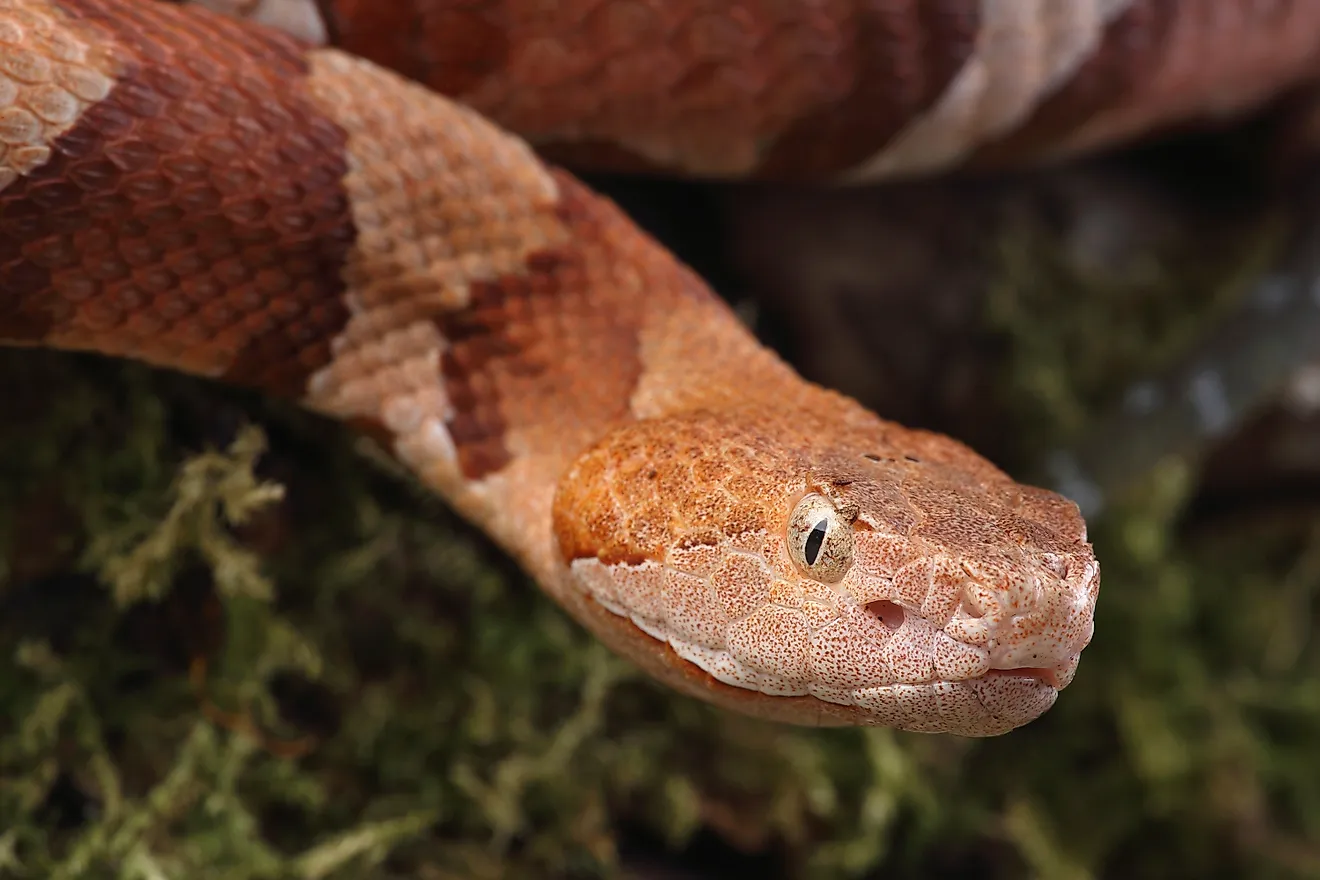
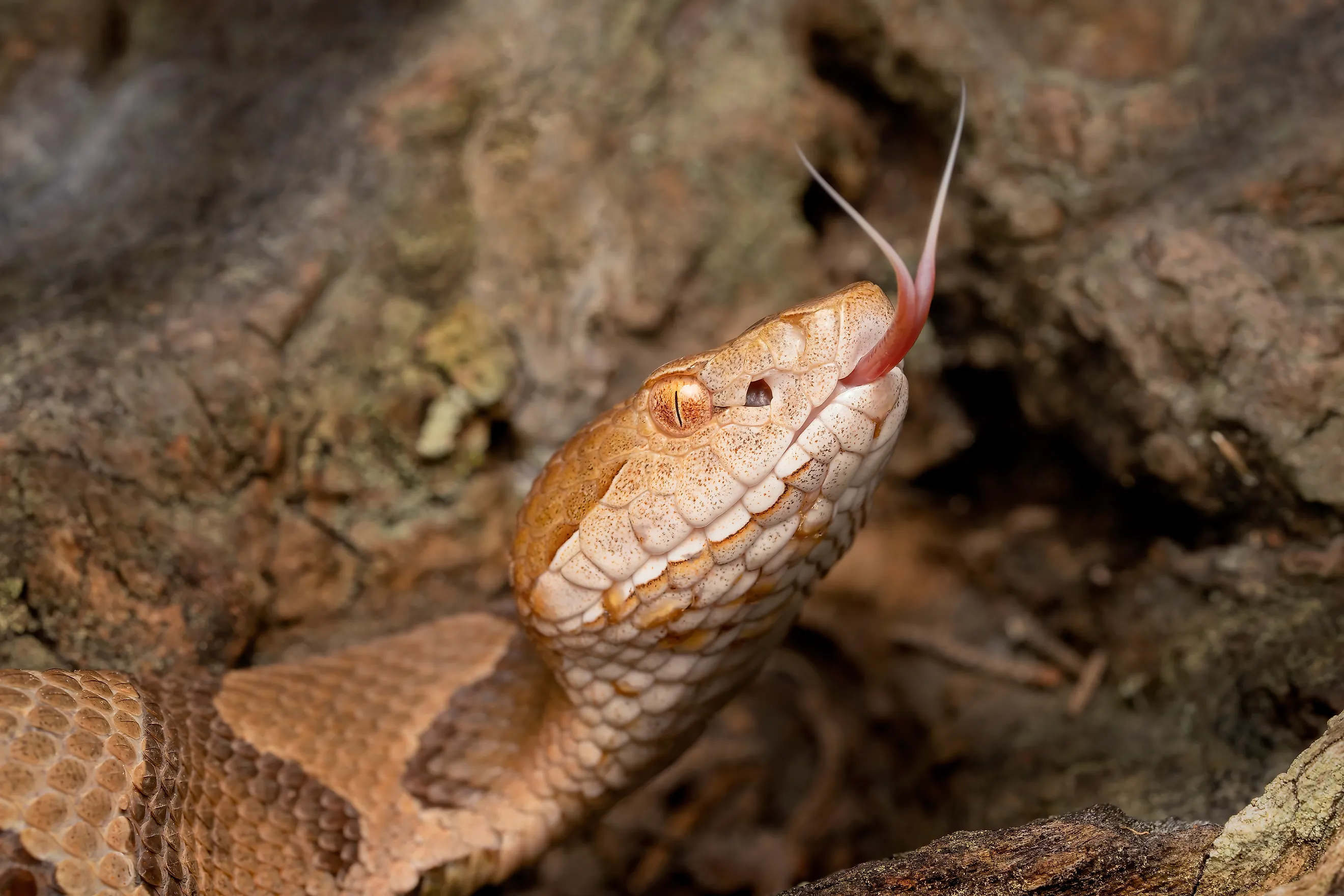
The snake prefers mixed woodlands and river bluffs, as it can easily find hide places or go swimming in the water. Yes, snakes can and do swim and are known for being very strong swimmers! The eastern copperhead is identifiable by its triangular copper-colored head on a brown or pinkish-brown body and reddish-brown markings.
The copperhead has hemotoxic venom, which targets blood flow. Typically, these snakes don't inject their full venom when they bite, and they often give dry bites that don't have any venom in them. These bites are meant to warn humans and others to stay away. However, if you are bitten by any snake, it's recommended to seek medical attention as soon as possible.
Giant City State Park

This impressively named park is located within the larger Shawnee National Forest in southwestern Illinois, close to the border with Missouri. Its name comes from the large sandstone bluffs spread throughout the park.
The Giant City Nature Trail is the most well-traversed hike in the Giant City State Park, due to the large sandstone bluffs that look like a city street for giants. The park has diverse flora as well, ranging from ferns, moss, wild flowers, mints, and more.

While there aren't any giants on these sandstone ledges and bluffs, there are copperheads that hide amid the sandstones. Measuring 20 to 37 inches and just under a pound, these snakes are relatively small, yet powerful. Multiple hikers have reported spotting copperheads out on trails. Unlike most venomous snakes, who flee when humans approach, copperheads have a tendency to freeze in place. Due to this behavior, it's more likely that a person may step on these snakes than other venomous species. In fact, copperheads account for just shy of 39% of all snake bites in the U.S. yearly.
Illinois Caverns State Natural Area

Located in Monroe County, the Illinois Caverns State Natural Area is the only commercially operated cave in the state. From the time it was discovered in 1901, sightseers have traveled out to see this cave. The owners drew out these visitors by pointing to its cave formations, from its stalactites, rimstone dams, flowstone, and an underground stream.
The cave maintains a 58 degrees Fahrenheit temperature year-round, making it a comfortable environment for cave salamanders, brown bats, tricolored bats, and invertebrate fauna. Visitors to this cave have reported seeing copperhead snakes guarding the entrance, waiting for any prey unlucky enough to cross their path! With the Mississippi River bordering Monroe County, copperheads can range across the river bluffs, through streams, and even into hidden corners such as cave entrances. It's best to show these reptile guardians respect, as they are federally protected. It is illegal to harm or harass these venomous snakes.
Ferne Clyffe State Park

This park in Johnson County is named after its diverse ferns spread throughout Ferne Clyffe State Park. Some of these ferns are only present in this park, including endangered subspecies of filmy fern collecting underneath limestone bluffs.
Ferne Clyffe State Park has multiple landscapes spread across its 18 trails, such as Hawk's Cave, waterfalls, bluffs, ridges, creeks, and the Ferne Clyffe Lake. Cyclists can also tackle its backcountry trails by entering the park through the US Bicycle Route 76. The trails around Ferne Clyffe can be quite dangerous, as many have steep drop-offs from the cliffs. The park has set up multiple warnings throughout these trails warning hikers to stay on the trails, especially during wet conditions. This isn't the only hazard in the park, as timber rattlesnakes, cottonmouths, and copperheads all live here.

The ridges, cliffs, and underbrush offer shelter and hiding places for copperheads to catch prey. Much like rattlesnakes, copperheads are pit vipers, meaning they do not actively slither out to hunt down prey but rather find places where they can blend in and dig their fangs into rodents, lizards, and small mammals.
Avoiding copperheads
While in these Copperhead hotspots, there are a few tips to follow to avoid them or at least avoid getting bitten. The Illinois Poison Center recommends not handling, trapping, or feeding any snake you find. Beyond watching your step, you should also not put your hand under rocks, logs, or underbrush.
If you are bitten by a copperhead, it's important to remove any jewelry from the bitten spots and keep them at heart level. In addition, one should not apply ice, tourniquets, or attempt to suction the venom from the wound. Instead, seek medical attention for antivenom treatments.
Copperheads don't mean any harm to humans, so by giving them space, you can help ensure both you and these beautiful reptiles stay safe.