12 Most Beautiful Small Towns in the Southern United States You Should Visit
The American South packs a lot of variety into its towns. Mountain hollows in West Virginia and Tennessee sit a day's drive from sea-island beaches in Florida plus Mississippi River bluffs in Natchez. Civil War battlefields and Spanish colonial forts and Cherokee homelands all leave fingerprints on these communities. Food traditions shift with each state. Lowcountry shrimp boils and Tennessee whiskey and Mississippi blues juke joints stand out. The twelve destinations ahead show the range of beauty the region holds.
Amelia Island, Florida

About 30 miles northeast of Jacksonville, Amelia Island blends old Florida with classic Southern hospitality. The island gathers thousands of residents and visitors around 13 miles of Atlantic beach, where dolphins, ospreys, and the occasional right whale show up offshore. Guided horseback rides along the surf are a real draw, along with boating, fishing, and swimming. Hotels and bed-and-breakfasts sit within walking distance of both the shoreline and the downtown historic district.
The island has been governed at different points by France, Spain, England, and the United States, and the layered history shows in the architecture and the cuisine. Fresh seafood anchors the local restaurant scene, and the brick-paved streets of Fernandina Beach hold what locals call the birthplace of the modern shrimping industry. With no high-rises and no big-chain hotels, Amelia Island feels like a deliberate alternative to standard Florida tourism. The Amelia Island Trolley loops the highlights and a sunset sail rounds out the visit.
Asheville, North Carolina

Asheville is a top North Carolina travel destination for outdoor lovers and culture seekers alike, with historical attractions like the opulent Biltmore Estate and proximity to Great Smoky Mountains National Park. The Blue Ridge Parkway runs through, and Pisgah National Forest sits a short drive south. Scenic drives, day hikes, and access to the Appalachian Trail all start in town.
Hotels, vacation rentals, and small inns make a weekend or longer stay easy. Local cuisine and a fine wine list keep the downtown restaurant scene busy year-round, and Asheville's brewery count rivals far larger cities. Downtown hosts frequent festivals, live music, and the Asheville Art Museum. Bike rides along the French Broad River, kayaking on local streams, camping, and ziplining all give the outdoor scene depth. The mountains stay visible from most spots in town.
Blue Ridge, Georgia

Blue Ridge sits in northern Georgia and pairs an Appalachian setting with one of the strongest wine scenes in the state. The town offers access to more than 40 independent wineries in the area, plus a downtown lined with family-run bed-and-breakfasts. Tastings on a porch in the mountain air are part of the routine here. Bottles of cabernet franc and other regional vintages travel home well, especially for guests with stories to share.
The Blue Ridge Scenic Railway is the town's anchor attraction, and downtown surrounds it with boutiques, breweries, restaurants, and ice cream shops. Hikes into the Appalachian Mountains and the Chattahoochee-Oconee National Forest start at the town's edge. Seasonal fruit picking, farm visits, and sunflower harvests round out a weekend that mixes nature and food without much driving in between.
Fairhope, Alabama

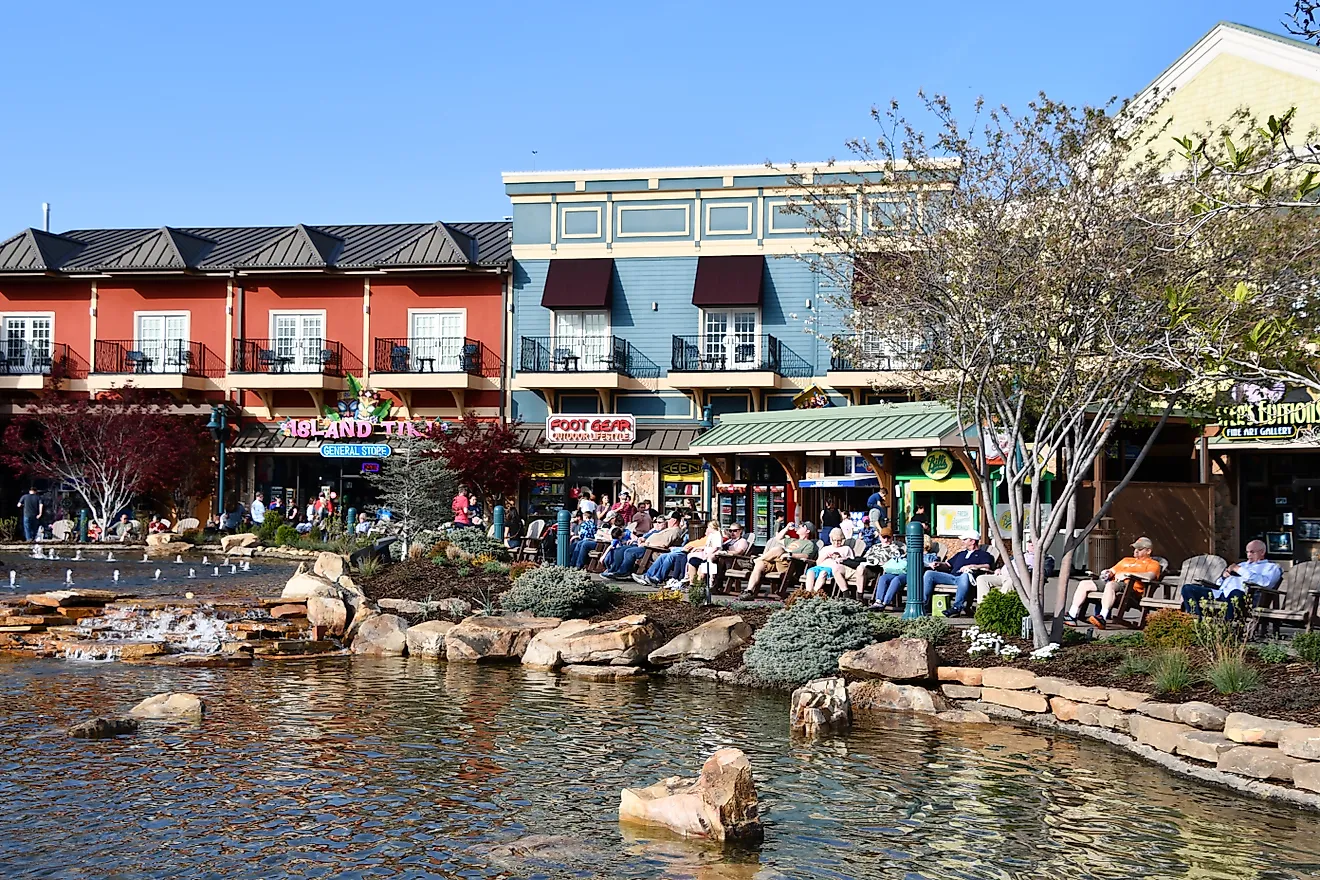
Fairhope is Alabama's "City of Flowers" and one of the region's standout shopping destinations. Over 100 boutiques, specialty stores, and galleries line the streets, and the bluff overlooking Mobile Bay gives the town one of the prettiest views on the Gulf Coast. Nicknamed Beauty on the Bay, Fairhope balances Southern hospitality with a seaside lifestyle. Boat rides, swims, and lazy bench-sitting at the water are all easy options.
Antebellum homes and stately Southern estates line the streets under live oaks and bougainvillea, and the cafes here cover every dining mood. Panini Pete's serves lunch or breakfast under a Spanish-moss-covered oak tree. Cultural market strolls fill an afternoon, and the Grand Hotel Marriott Resort makes a calm finish to a long day. The town keeps a small-town feel even with all the shopping and dining, which is part of why people keep coming back.
Harpers Ferry, West Virginia

Harpers Ferry sits at the confluence of the Potomac and Shenandoah Rivers, with a permanent population of under 300 and roughly 400,000 annual tourists. The Harpers Ferry National Historical Park preserves a 19th-century town inside dense forests and rocky cliffs, crossed by two scenic bridges and the Appalachian Trail itself. The Maryland Heights, Loudoun Heights, Lower Town, and Murphy-Chambers Farm trails serve hikers of all levels.
St. Peter's Roman Catholic Church, built in 1833 in Victorian Gothic style with stained-glass windows, was spared during the Civil War. The riverfront includes an original armory guard house dating to John Brown's 1859 raid, the failed abolitionist action that helped spark the war. Thomas Jefferson called the panoramic view from what is now Jefferson Rock "worth a voyage across the Atlantic." Beyond the history, modern restaurants, shops, and living history museums fill the colorful Victorian buildings of Lower Town.
Helen, Georgia

Helen is a Bavarian-themed village in northeast Georgia along the Chattahoochee River. Tubing down the river is a summer ritual, and cobblestone streets give downtown a distinctive look. The town's history traces back to the Cherokee and to gold mining and lumber operations of the 19th century. Charlemagne's Kingdom miniature exhibit, the Russell-Brasstown Scenic Byway, and tastings at Habersham Winery (one of Georgia's oldest) round out the attractions. Anna Ruby Falls is a short hike away.
Helen Waterpark opens summer days with slides, a lazy river, and tubing on the Chattahoochee. Fall brings Oktoberfest with parades, live music, dancing, and German-style food. More than 200 specialty shops fill the downtown, and the dining scene mixes Southern comforts with traditional German fare. Unicoi State Park sits at the town's edge with trails for hiking and biking, plus Unicoi Lake for swimming, fly-fishing, and boating. Forest strolls and riverbanks frame the wooden buildings throughout.
Highlands, North Carolina

Highlands sits at an average elevation of 4,118 feet on a plateau in the southern Appalachian Mountains, making it one of the highest incorporated towns east of the Mississippi River. Surrounded by Nantahala National Forest, the town pairs fine dining at multiple Wine Spectator-rated restaurants with cultural programming and downtown shopping. The natural setting delivers a mountain retreat that still feels minimal and unhurried.
Whitewater Falls, the tallest waterfall east of the Rocky Mountains at 411 feet, sits within easy driving distance. The Blue Ridge Parkway and Great Smoky Mountains National Park are both under two hours away. Closer to town, Bridal Veil Falls, Dry Falls, and the Cullasaja Gorge cascades give visitors a different waterfall view for every direction. Highlands' Main Street holds eclectic shops and restaurants, and Old Edwards Inn and Spa, a Relais & Châteaux property, anchors the upscale side of the town's hospitality scene.
Natchez, Mississippi

Perched high on a bluff over the Mississippi River, Natchez is a fine Southern destination for travelers on a quick escape from New Orleans. The town carries a storied past and more than 1,000 structures on the National Register of Historic Places. Homes from the 1700s still stand, including St. Mary's Basilica, which was constructed in the 1800s, and tours run regularly at Longwood, the largest octagonal house in the US. As the oldest settlement on the Mississippi River, Natchez features more antebellum houses than any other town in the country.
The Gold Record Road driving tour links historical, musical, and cultural landmarks. Smoot's Grocery, a local juke joint, serves blues with cold beer, while Biscuits & Blues delivers Southern comfort food paired with evening music. The Under-the-Hill Saloon offers some of the best Mississippi River views in town and has been a fixture since the era of riverboat travelers. Settled by French colonists in 1716, Natchez also holds the Grand Village of the Natchez Indians, with three preserved earthen mounds and a museum showcasing traditional homes. The brick William Johnson House, once owned by a free Black businessman before the Civil War, and the 1845 Melrose Estate fill out the historical itinerary.
Paducah, Kentucky

Paducah is one of nine UNESCO Creative Cities in the US, and the recognition fits. The town's arts community centers on the National Quilt Museum and extends through galleries, boutiques, and shops across the historic downtown. The revitalized Lower Town Arts District is home to the Paducah School of Art & Design, and a residential neighborhood of restored historic houses sits behind it. The Ohio River runs through town, and the River Discovery Center traces its impact on Paducah's growth.
The Midtown neighborhood is a coffee-and-brewery stop, with The Coke Plant (a historic building from 1939) recently reopened. The 19th-century downtown is full of galleries and old buildings hosting workshops and performances. Paducah's cultural lineup includes the Art Center, Maiden Alley Cinema and Gallery, Market House Theatre, and Clemens Fine Art Center. The Carson Center hosts the Paducah Symphony Orchestra. The Wall to Wall Floodwall Murals along the riverfront, painted by Robert Dafford, run 50 panels and tell the town's history in vivid color.
St. Augustine, Florida

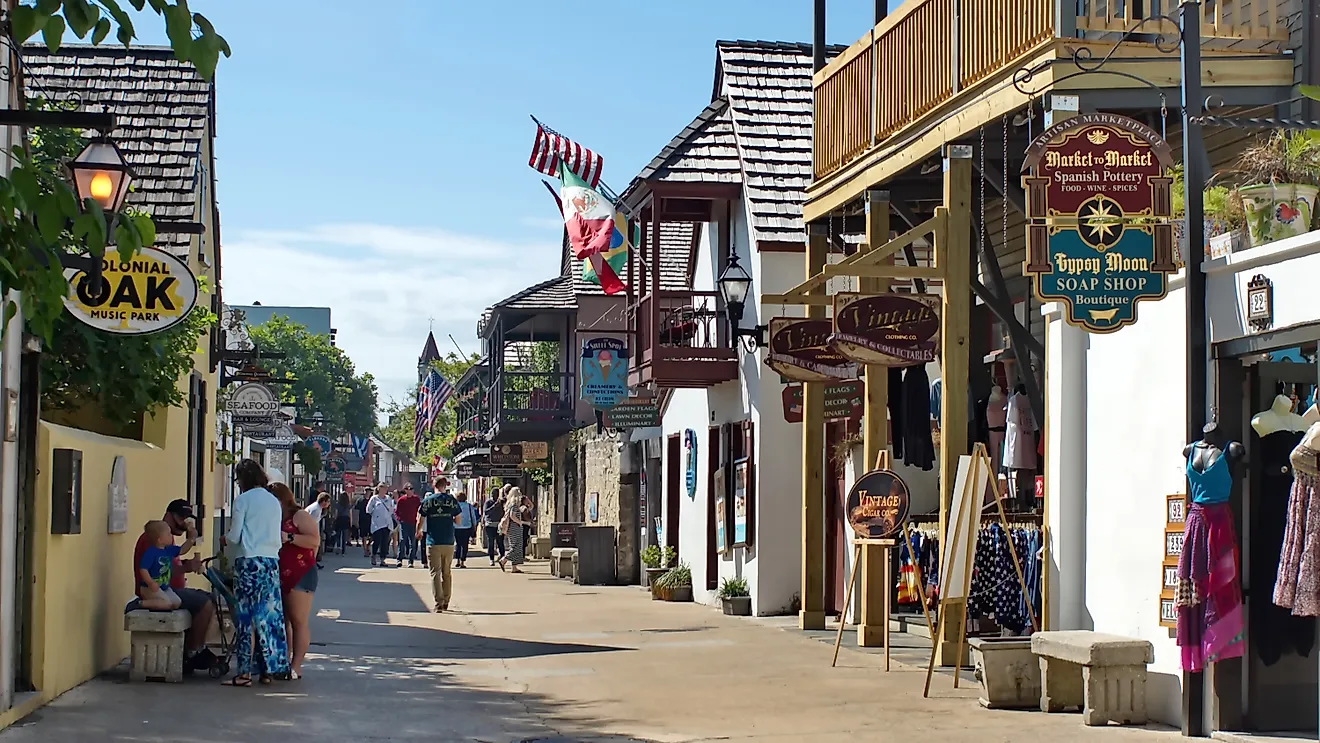
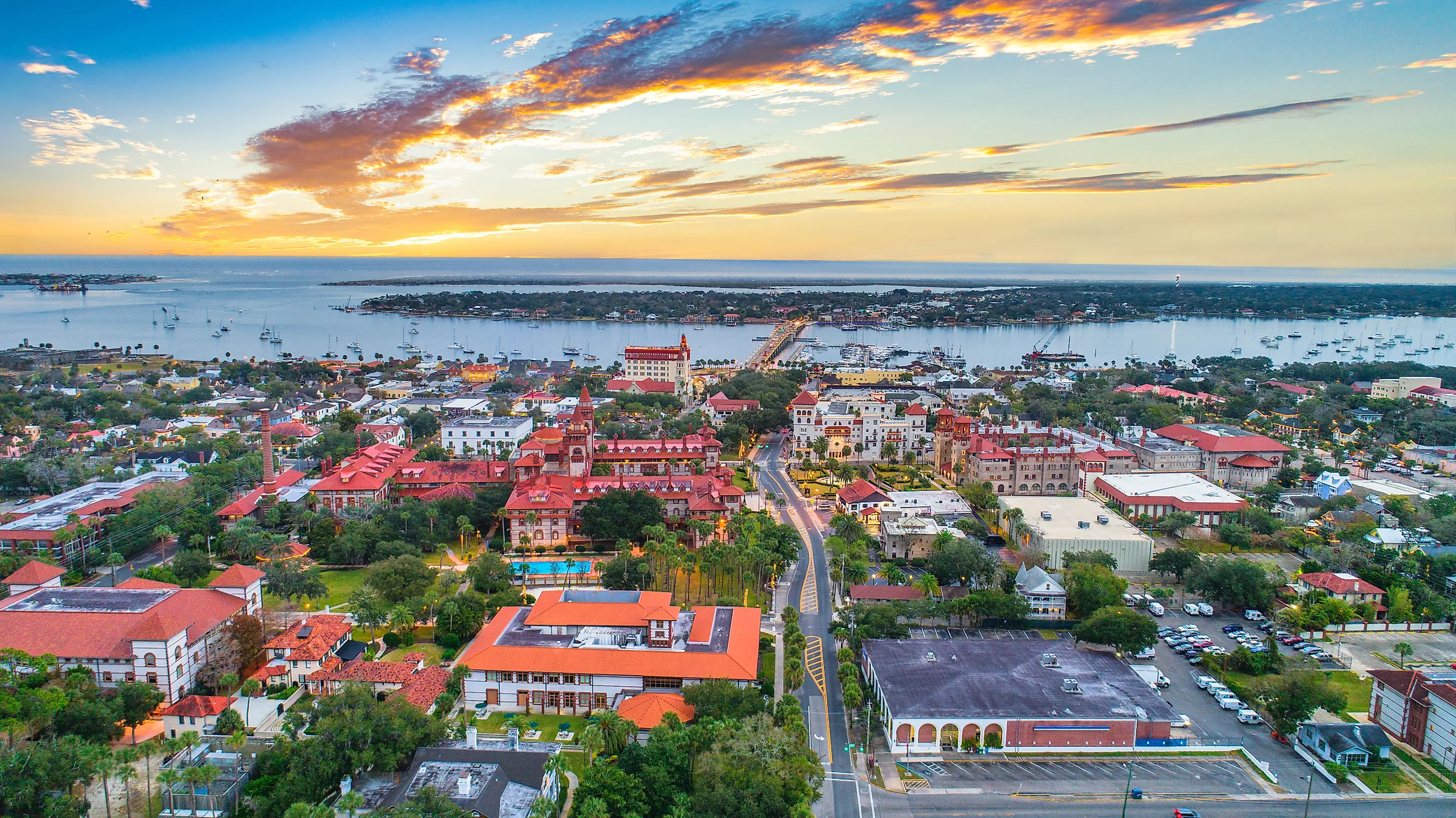
St. Augustine is the oldest continuously inhabited European-established settlement in the contiguous United States. Founded in 1565 by Spanish admiral Pedro Menendez de Aviles, the city preserves more than four centuries of maritime and colonial history. The seaside community of just over 15,000 residents takes deep pride in that legacy, and visitors get welcomed accordingly.
No trip to St. Augustine is complete without a tour of the 17th-century Castillo de San Marcos National Monument or a meal of Spanish cuisine at the long-running Columbia Restaurant. Cobblestone streets under Spanish moss-draped trees give downtown an old-world feel that has not been manufactured. Florida's Atlantic beaches sit at the city's doorstep, and a boat tour delivers a different perspective of the historic district. Seen from the water, St. Augustine looks more like a medieval European city than anywhere else in the country.
Sanibel, Florida

Sanibel is a barrier island off Florida's southwest coast with a year-round population of about 6,300 and a long-standing reputation for natural beauty. The island is famous for its shelling, with currents that wash unusually shaped shells onto the sand for beachcombers. White-sand beaches give way to turquoise water, and greenery grows up to the shoreline. There are no high-rises, no traffic lights, and no big-chain grocery stores to break the view.
About 25 miles of shared-use paths run across the island, making Sanibel one of the most bikeable communities in Florida. Snowy egrets and other birds flank the trails as cyclists pass. The island's J.N. "Ding" Darling National Wildlife Refuge covers more than 6,400 acres of mangroves and tidal flats with paved and unpaved access. Lighthouse Beach Park anchors the eastern tip and overlooks San Carlos Bay. MudBugs Cajun Kitchen and Blue Giraffe Restaurant make easy lunch stops, while Doc Ford's Rum Bar & Grille sits near the trail-spliced Red Mangrove Island.
Williamsburg, Virginia

Known as Colonial Williamsburg or the "Colonial Capital," this Virginia town promises a trip back into 18th-century America. One of the country's first planned cities, meticulously preserved and reconstructed, Williamsburg sits at the heart of the "Historic Triangle" alongside Jamestown and Yorktown. Dining options run from quality casual spots to higher-end restaurants, and the independent boutiques of Merchants Square and New Town give shoppers plenty of options. Breweries, golf courses, and spas all round out a long weekend.
The Farmer's Market lets visitors feel like locals, while the DeWitt Wallace Decorative Arts Museum covers centuries of furniture, ceramics, and silver. The Muscarelle Museum of Art at the College of William and Mary and the Abby Aldrich Rockefeller Folk Art Museum add to the cultural offerings. A horse-drawn carriage ride along the cobbled streets delivers a different take on the historic district. Beyond the museums, the Kingsmill Resort sits on 3,000 acres along the James River, and Busch Gardens Williamsburg keeps families and roller-coaster fans happy.
The South's Best Small Towns
These twelve destination towns welcome travelers with a blend of Southern hospitality and unique local quirks that leave lasting impressions. Grand architecture along cobbled streets and a deep market culture make the past feel close at hand. Regional cuisine and local festivals turn a weekend into something more memorable, whether the destination is an island getaway in Florida or the country's oldest city in St. Augustine. From mountain waterfalls in Highlands and Harpers Ferry to river bluffs in Natchez, the South delivers natural beauty and history in every state.