12 Prettiest Downtown Strips In Wisconsin
In 1884, the Ringling Brothers staged their first circus performance under a 45-by-90-foot tent in Baraboo and grew the empire that defined the town for decades after. That Main Street still functions as a working downtown. Eleven other Wisconsin corridors still keep storefronts that have outlasted the industries they were built to serve. New Glarus runs on Swiss architecture and beer. Mineral Point preserves Cornish-era stone houses and an Opera House from the 1910s. The downtowns ahead each carry a different character into present commercial use.
Burlington

Burlington's downtown runs on a mix of arts, food, and family activity. The Malt House Theatre stages plays, musicals, and dramas in a venue overlooking the Fox River, while Plaza Theater 4 handles first-run films across four screens with in-theater dinner service. Families with children can plan a stop at Intents Inflatable Indoor Fun Center for an indoor party venue with multiple bounce houses. The craft brew scene anchors a substantial part of the downtown calendar, with Low Daily and other local breweries running weekly taproom hours.
Sturgeon Bay

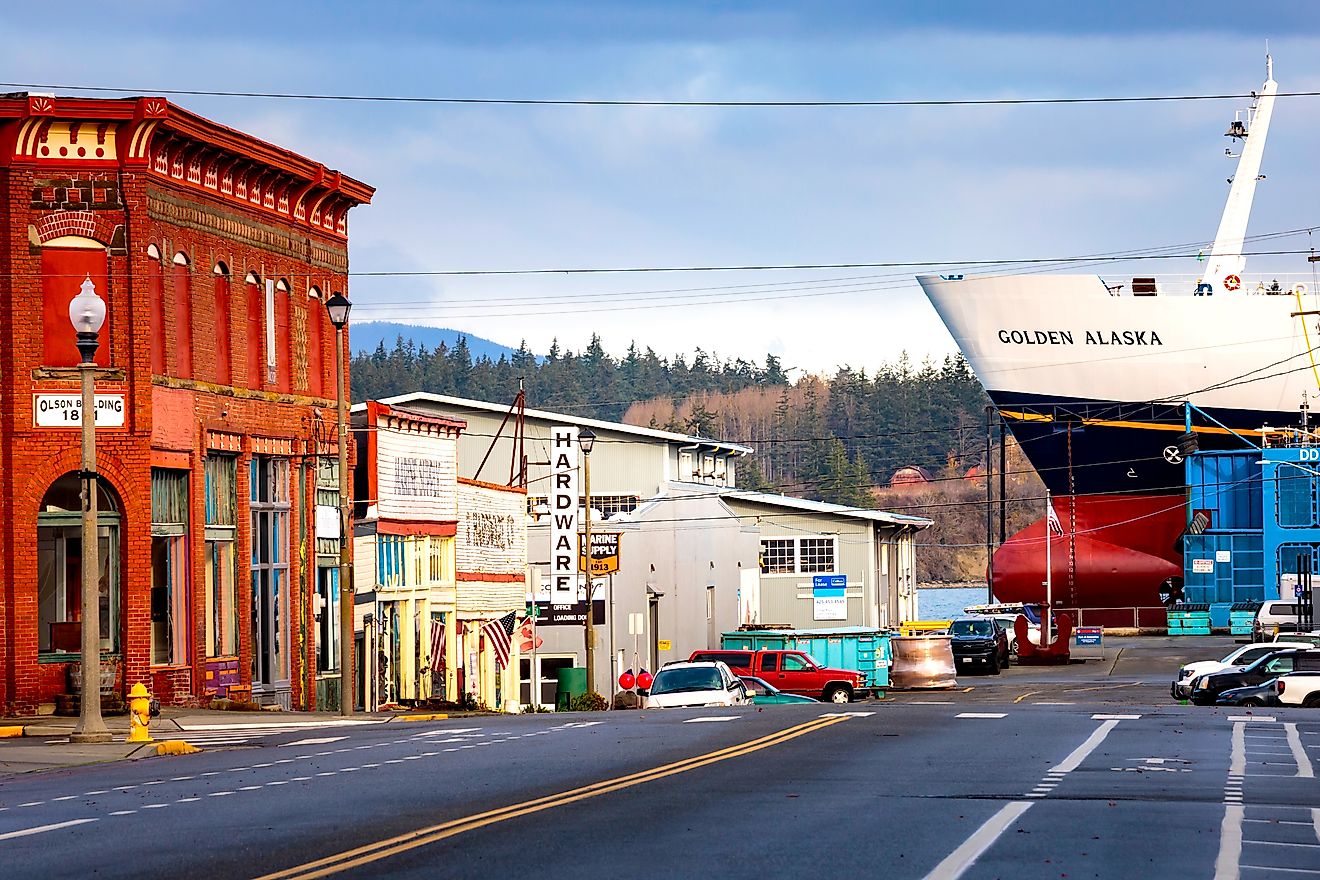
Sturgeon Bay sits on the Door Peninsula and built its downtown around the maritime trades that defined the town for over a century. The walkable waterfront corridor mixes local businesses, museums, galleries, and restaurants. The Door County Maritime Museum runs exhibits on the area's nautical heritage and shipbuilding industry, with the Door County Historical Museum a short walk away covering the broader regional past.
Arts run through the rest of the downtown calendar. The Miller Art Museum holds the largest collection of works by artist Gerhard CF Miller, while Third Avenue Playworks stages dramas, musicals, and other live productions by regional and resident performers.
Mineral Point

Mineral Point sits in Iowa County about an hour west of Madison and traces its commercial roots to Cornish lead miners who settled the area in the 1830s. The downtown still holds stone houses from that era alongside the Mineral Point Opera House, restored from its 1914 construction and running a regular schedule of theater, music, and film. Wantoot Gallery and Brewery Pottery anchor the downtown gallery scene with rotating regional and national art collections.
The Mineral Point Railroad Museum sits inside the 19th-century Milwaukee Road depot and holds railroad artifacts, photographs, and documents from the area's rail-era past. Ifinder, a vintage shop on the same downtown stretch, sells antique jewelry, books, art, and crafts at price points that suit casual browsing.
Baraboo

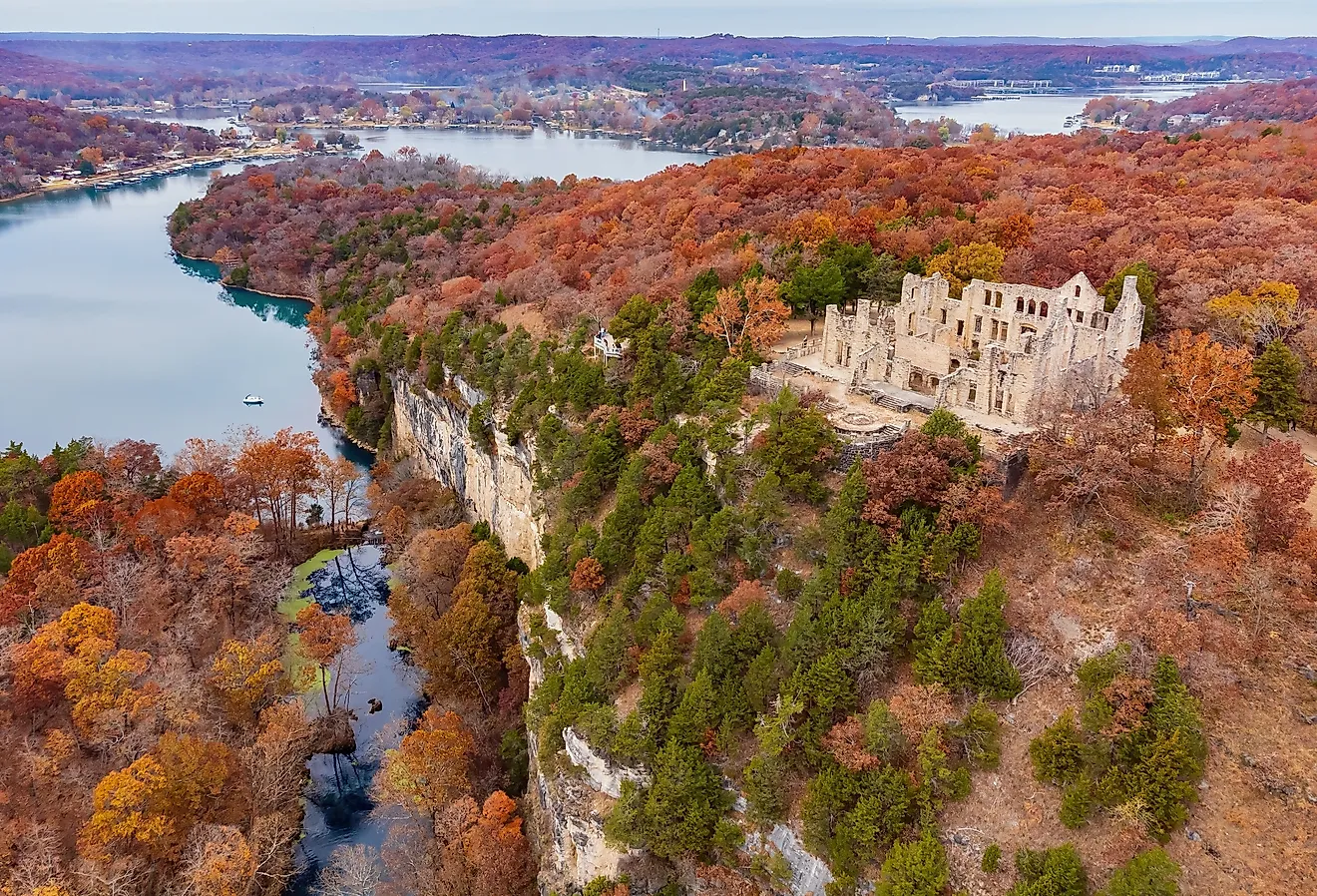
Known locally as "Circus City," Baraboo holds a downtown built on its association with the Ringling Brothers, who staged their first circus performance in town on May 19, 1884. The Al. Ringling Mansion, completed in 1905, still sits on the downtown core with original windows, a mahogany staircase, and red-stone facade. The Al. Ringling Theatre opened in 1915 as a gift donated by the eldest Ringling brother and continues to host film, theater, and music in its restored auditorium.
The local beverage scene fills out the rest of the downtown calendar. Al. Ringling Brewing Company runs a downtown taproom with house craft beers, while Driftless Glen Distillery serves house-distilled spirits with views over the Baraboo River.
New Glarus

Green County's New Glarus was settled by Swiss immigrants in 1845 and the downtown still carries that heritage in chalet-style architecture and a Swiss-themed commercial calendar. The Chalet of the Golden Fleece Museum holds cultural artifacts collected by Edwin Barlow over decades, housed in a Swiss-style chalet built in 1937. The New Glarus Bakery handles the everyday Swiss baked goods, while Glarner Stube serves full Swiss menus including raclette and fondue.
The New Glarus Brewing Company anchors the southern end of town with self-guided tours of the brewery and tasting flights of its Spotted Cow and other regional releases. Brenda's Blumenladen sits on the main commercial stretch with flowers, gifts, and Swiss-themed souvenirs for the trip home.
Cedarburg

Cedarburg's downtown holds one of the more concentrated cultural districts in southeastern Wisconsin, running museums, galleries, and entertainment spaces within a few walkable blocks. The Cedarburg History Museum covers the town from its mid-19th-century founding, while the Cedarburg Cultural Center rotates exhibits of regional crafters and makers throughout the year.
The Cedarburg Art Museum operates from a Victorian house with a red-brick facade and holds rotating fine-art exhibits, while Cedar Creek Winery, in a restored 19th-century woolen mill, offers tasting flights and tours of the cellar production area.
Stoughton

Stoughton sits in Dane County and built its identity around Norwegian immigrant heritage, which still anchors the calendar through events like the annual Syttende Mai festival each May. The Main Street Commercial District is a National Register-listed corridor with arts venues, history sites, and locally owned commerce running across a few blocks. The Norwegian Heritage Center preserves community archives and artifacts, while the Stoughton Opera House handles music, theater, and small-format productions in an intimate restored space.
The Abel Contemporary Gallery, in a restored tobacco warehouse on Main Street, rotates exhibits by two featured artists at a time. Stoughton Buy & Sell Shop anchors the antique trade on the same downtown stretch.
Beloit

Beloit's downtown sits along the Rock River and received national recognition for its Main Street redevelopment, with the corridor running restaurants, galleries, music venues, and theaters across a compact walkable footprint. The Beloit Farmers' Market runs every Saturday from May through October with regional growers and producers filling several blocks. Classic Cinemas Beloit XQ handles the first-run film schedule downtown.
The Logan Museum of Anthropology at Beloit College holds tens of thousands of archaeological specimens spanning ancient North America, the Middle East, and the Pacific. The Wright Museum of Art, also on the college campus, covers over 6,000 works across five galleries.
Hudson

Hudson sits along the St. Croix River across from Minnesota and runs a pedestrian-friendly downtown anchored by waterfront access and an active arts calendar. Seasons Gallery on Second Street holds work from more than 100 regional and national artists, while the Phipps Center for the Arts runs theater, music, and dance programming year-round.
The Octagon House Museum, an 1855 stucco-clad octagonal residence, offers tours that walk visitors through life in mid-19th-century Hudson. For dinner, the Black Rooster Bistro on the main downtown stretch handles a French-inflected menu including pork chops and house-made sauces.
Lake Geneva

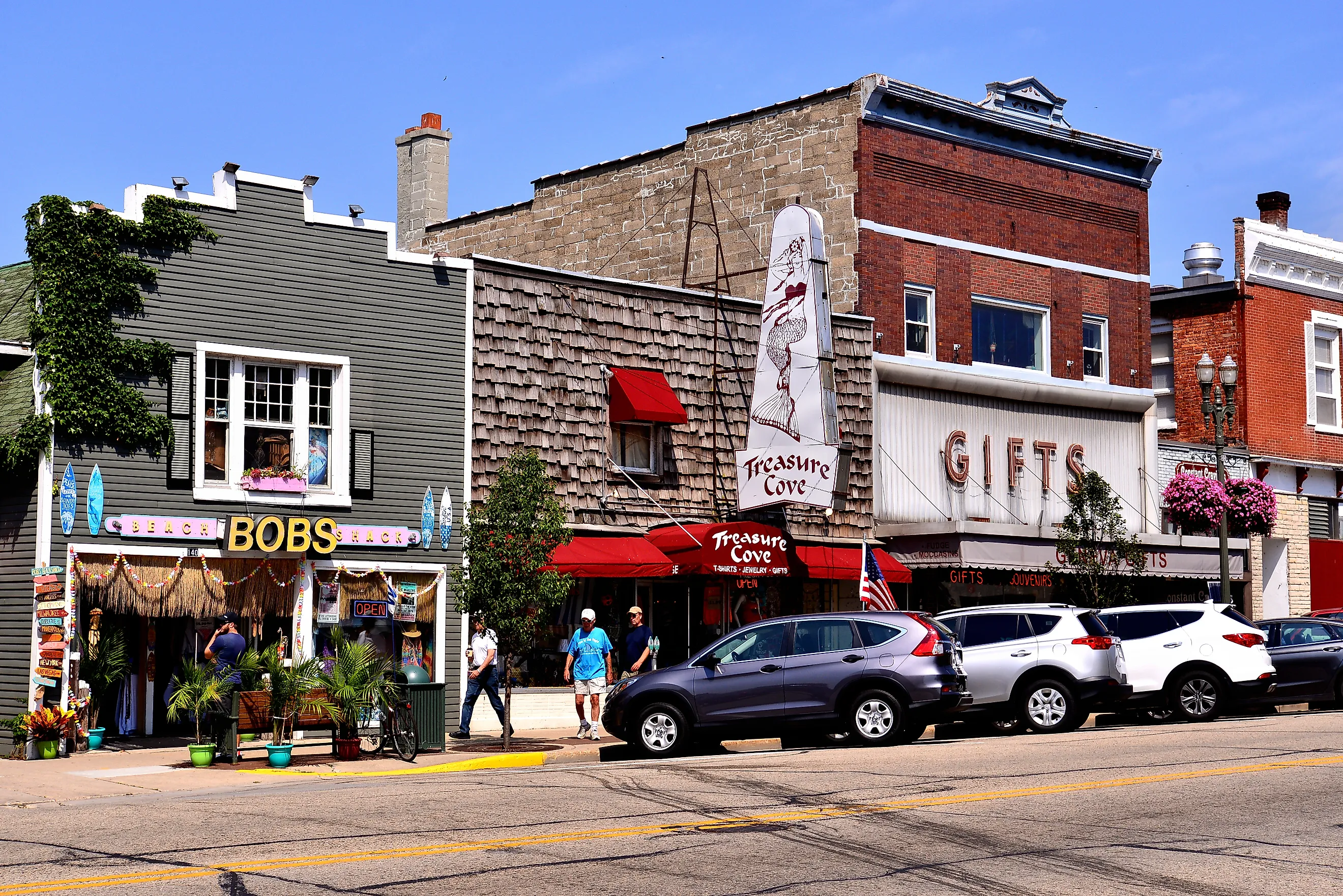
Lake Geneva has drawn Chicago summer residents since the late 1800s and built a compact resort downtown to match. The Lake Geneva Museum covers the community's heritage across artifacts and rotating exhibits, while the Tristan Crist Magic Theatre stages illusion and comedic performances suited for families.
My Sister & Me handles the antique trade with furniture, jewelry, vintage clocks, and household decor. Champs Sports Bar & Grill anchors the casual side of the downtown food and drink scene with cold beer and a regular evening crowd.
Chippewa Falls

Chippewa Falls sits on the Chippewa River and runs a downtown rich in industrial and cultural history. The Chippewa Falls Museum of Industry and Technology covers the evolution of regional manufacturing with interactive displays. The same building houses the Chippewa Area History Center, which holds memorabilia, artifacts, and archives covering the broader region.
The Heyde Center for the Arts occupies a 1907 Neoclassical building and hosts art exhibitions, music performances, workshops, and related events through the year. The Chippewa Candy Shop on the main downtown stretch holds the sweet-tooth side with gummy bears, chocolates, ice cream, and locally made confections.
Marshfield

Marshfield holds one of the more unusual attractions in the state with the World's Largest Round Barn, constructed in 1916 and listed on the National Register of Historic Places. The Marshfield Heritage Museum runs displays on Civil War, World War II, Vietnam, and War in Afghanistan history through dioramas and military artifacts.
The Chestnut Center for the Arts unites the community through rotating art shows, performances, events, and workshops in a downtown setting. Wildwood Park and Zoo, on the edge of town, holds North American wildlife species in naturalistic habitat enclosures.
Twelve Wisconsin Downtowns That Hold Their Character
Wisconsin's most distinctive downtowns share a habit of carrying their founding identities into present commercial life. Some hold immigrant heritage in their architecture, like the Swiss chalets of New Glarus or the Cornish stone houses of Mineral Point. Others have built their identities around a single defining industry, like the circus history of Baraboo or the maritime trades of Sturgeon Bay. Across the twelve corridors ahead, preserved storefronts, vintage theaters, museums, and locally owned businesses anchor a sense of place that newer development hasn't displaced.