12 Best Places To Live In The Ozarks In 2026
Ozarks housing markets sit well below national averages while major regional hospital systems and university campuses anchor stable employment across the region. The mix of college towns, lake communities and small cities suits different stages of life. Springfield runs the largest employer base in the region. Fayetteville and Bentonville share the Northwest Arkansas corridor. West Plains and Batesville keep median home prices under $200,000. Twelve places follow that all hold their position on the 2026 list of best places to live in the Ozarks.
Springfield, Missouri

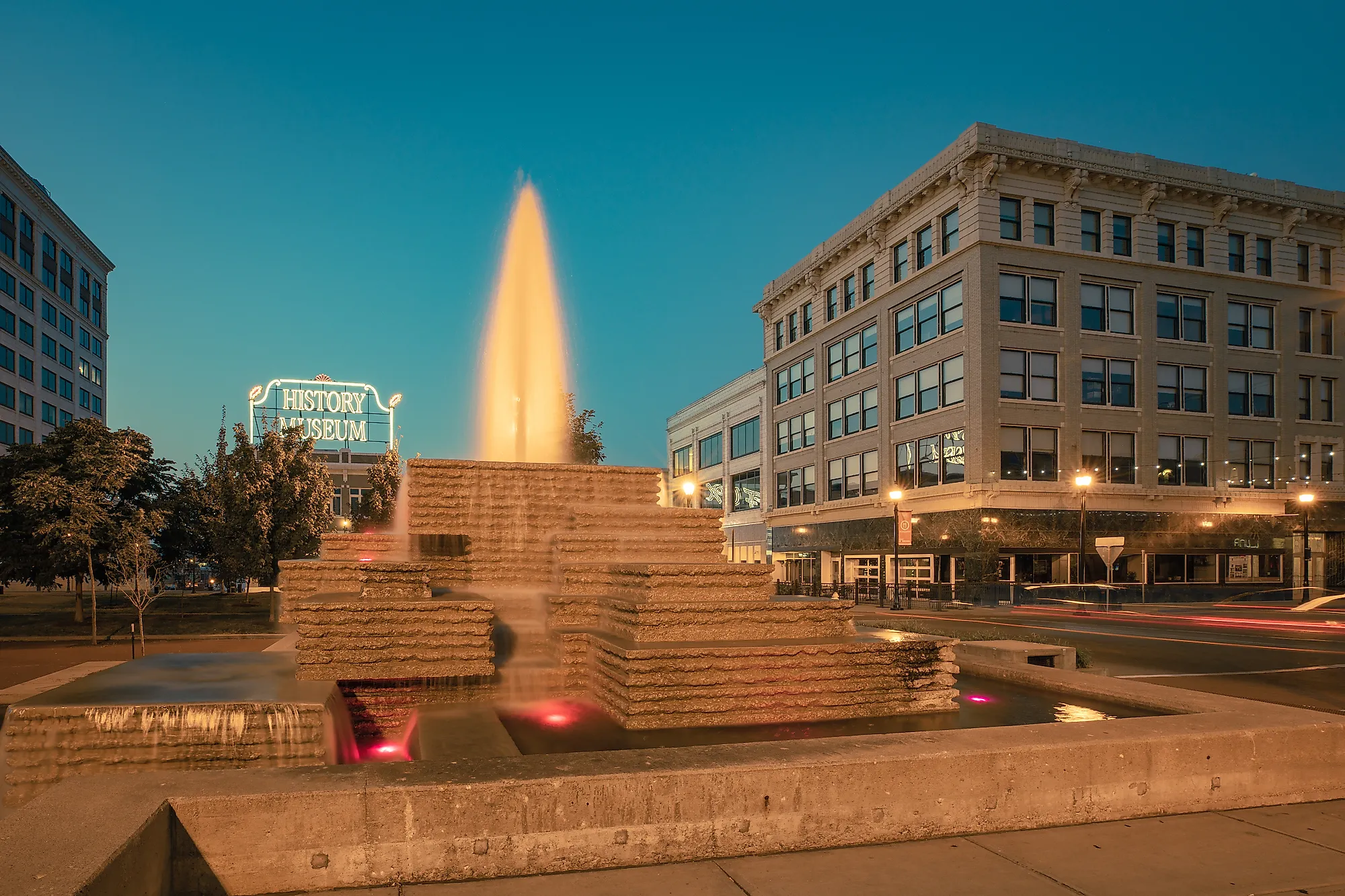
Springfield is the largest city in the Ozarks and the third-largest in Missouri, with a population of approximately 169,000 and a cost of living well below the national average. The median home price in Springfield is around $208,000 as of early 2026, making it one of the affordable mid-size cities in the region. The city serves as the economic center of a 25-county region in southwest Missouri, anchored by CoxHealth with 13,297 employees and Mercy with 9,238 employees, making healthcare the dominant employment sector.
CoxHealth and Mercy together operate two of the largest hospital systems in the Ozarks, providing both employment and healthcare access that few regional cities can match. Missouri State University, the city's flagship public university, awarded 6,370 degrees in 2024 and serves a student body that keeps the city's median age at just 33.7 years. For outdoor enthusiasts, the James River, Lake Springfield, and several state parks sit within a short drive of the city center.
Explore the Region
See more highlights in our list of prettiest little towns in the Ozarks.
Fayetteville, Arkansas

Fayetteville consistently ranks among the best places to live in the South, combining a strong university presence, a growing job market, and access to outdoor recreation in a city of approximately 98,000 people. The median home price in Fayetteville reached $410,000 in January 2026, up 20.6% year over year, reflecting strong demand, though the overall cost of living remains 3% below the national average. The University of Arkansas, with over 27,000 students, anchors the local economy alongside Walmart, whose corporate headquarters in nearby Bentonville draws a dense ecosystem of suppliers, tech firms, and logistics companies to the region.
Washington Regional Medical Center and Arkansas Children's Northwest provide comprehensive healthcare within the city. The Razorback Greenway, a 36-mile paved trail connecting Fayetteville to Bentonville, gives residents year-round access to cycling and walking infrastructure that few cities of this size can offer. The Walton Arts Center hosts Broadway touring productions, concerts, and community events throughout the year.
Bentonville, Arkansas

Bentonville has become one of the most talked-about small cities in the country over the past decade, driven by Walmart's global headquarters and an arts and outdoor recreation scene that punches well above its population of approximately 60,000. The median home value in Bentonville reached $488,112 in early 2026, according to Zillow, making it the most expensive housing market in Arkansas but still 11% above the national average rather than dramatically exceeding it. The unemployment rate in Bentonville is among the lowest in the nation, sustained by Walmart and its vast network of vendor companies, many of which maintain offices in the city.
The Bentonville School District earns consistently high ratings, with 19 public schools averaging 8 out of 10 on GreatSchools. Crystal Bridges Museum of American Art, which offers free admission to its permanent collection, draws over 600,000 visitors annually and anchors a cultural infrastructure unusual for a city of this size. The Slaughter Pen trail system and Coler Preserve add thousands of acres of mountain biking terrain directly accessible from the city.
Rogers, Arkansas

Rogers sits between Fayetteville and Bentonville in the heart of Northwest Arkansas, with a population of approximately 73,000 and a housing market that offers slightly more affordability than its neighbors while sharing access to the same employment ecosystem. The median list price in Rogers was $525,000 as of early 2026, though more entry-level options exist in the surrounding neighborhoods than in Bentonville proper. Rogers is home to the Walmart Arkansas Music Pavilion, one of the premier outdoor concert venues in the South, and Pinnacle Hills Promenade, the largest shopping center in Arkansas, which provides both employment and retail amenity.
The Rogers School District receives strong ratings and serves a growing student population reflecting the area's rapid demographic expansion. Beaver Lake, located just east of Rogers, provides 487 miles of shoreline for boating, fishing, and camping accessible within 20 minutes of downtown. Mercy Hospital Rogers serves the northern portion of Northwest Arkansas with emergency and inpatient services.
Bolivar, Missouri

Bolivar is a fast-growing small city of approximately 12,500 residents in Polk County, positioned 30 miles north of Springfield along US-65, giving it direct access to Springfield's healthcare and employment infrastructure while maintaining a distinctly smaller-town character. Homes in Bolivar sell at a median of $229,000, well below the Springfield average and significantly below national figures, making it an accessible entry point for families and first-time buyers.
Southwest Baptist University, a liberal arts institution with approximately 3,000 students, anchors the education sector and drives consistent demand for housing and services. Citizens Memorial Hospital, Bolivar's primary healthcare provider, is a full-service community hospital that also serves as a major employer within the county. The city's location on US-65 provides a commuter corridor to Springfield for residents who want access to a larger job market without city prices. Pomme de Terre Lake, about 30 minutes west of Bolivar, offers boating, fishing, and camping at one of Missouri's most accessible state park lake systems.
Retire-Ready Options
For retirement-focused picks, see small Ozark towns for retirees.
Joplin, Missouri

Joplin is the largest city in the Ozarks' southwestern corner, with a population of approximately 52,000 and a housing market that remains among the most affordable in the entire region. The typical home in Joplin ranges from $210,000 to $345,000, according to recent market data, and the overall cost of living sits well below the national average. Freeman Health System and Mercy Hospital Joplin together form one of the strongest healthcare employer bases in the Missouri Ozarks, providing both medical access and stable employment.
Missouri Southern State University serves approximately 5,000 students and contributes to the city's educational infrastructure. Wildcat Glades Conservation and Audubon Center, located along Shoal Creek within city limits, provides wildlife habitat and walking trails that give residents accessible natural amenity without leaving the urban area. The Interstate 44 corridor gives Joplin strong regional connectivity, and its position in the tri-state corner makes it a natural hub for the broader region.
West Plains, Missouri

West Plains is the largest community within a 100-mile radius of its location in the southern Missouri Ozarks, serving as the commercial and healthcare hub for a broad rural catchment area with a population of approximately 12,000. Ozarks Healthcare is the primary medical system, operating a full-service hospital and multiple specialty clinics that serve Howell County and surrounding counties, making it the dominant employer in the area. The median home price in West Plains hovers around $185,000, among the lowest of any regional center in the Ozarks, and the lower cost of living attracts both retirees and working families relocating from more expensive markets.
Missouri State University-West Plains, a two-year campus within walking distance of downtown, provides accessible higher education and feeds students into the four-year Springfield campus. The North Fork of the White River, accessible within 30 minutes of the city, is regarded as one of the premier trout fisheries in the Midwest and draws fly fishers from across the country. Hundreds of miles of Ozark National Scenic Riverways lie within easy driving distance for canoeists and kayakers.
Mountain Home, Arkansas

Mountain Home is the Baxter County seat in the southern Ozark Mountains near the Missouri border, with a population of approximately 13,400 and home prices that consistently sit below the Arkansas state median. The Twin Lakes region surrounding the city, anchored by Bull Shoals Lake and Norfork Lake, gives residents lakeside living without resort-market premiums, and the cost of living holds at roughly 15% below national averages. The town's slogan "all things water" reflects an economy and lifestyle built around the White River trout fishery and the two reservoirs that border the county.
Baxter Health is the dominant employer and healthcare anchor, operating a 268-bed acute care hospital, an ANCC Magnet-recognized nursing program, and a network of more than 40 primary care and specialty clinics that serves about 200,000 residents across eleven counties in north-central Arkansas and south-central Missouri. With roughly 2,000 employees across its two hospitals, Baxter Health gives Mountain Home the medical infrastructure of a much larger metro. Arkansas State University-Mountain Home, a two-year campus within the city, feeds nursing and technical programs that supply Baxter Health and area employers. Bull Shoals-White River State Park and the Buffalo National River, both within a short drive, give residents daily access to one of the country's premier cold-water fisheries.
Harrison, Arkansas
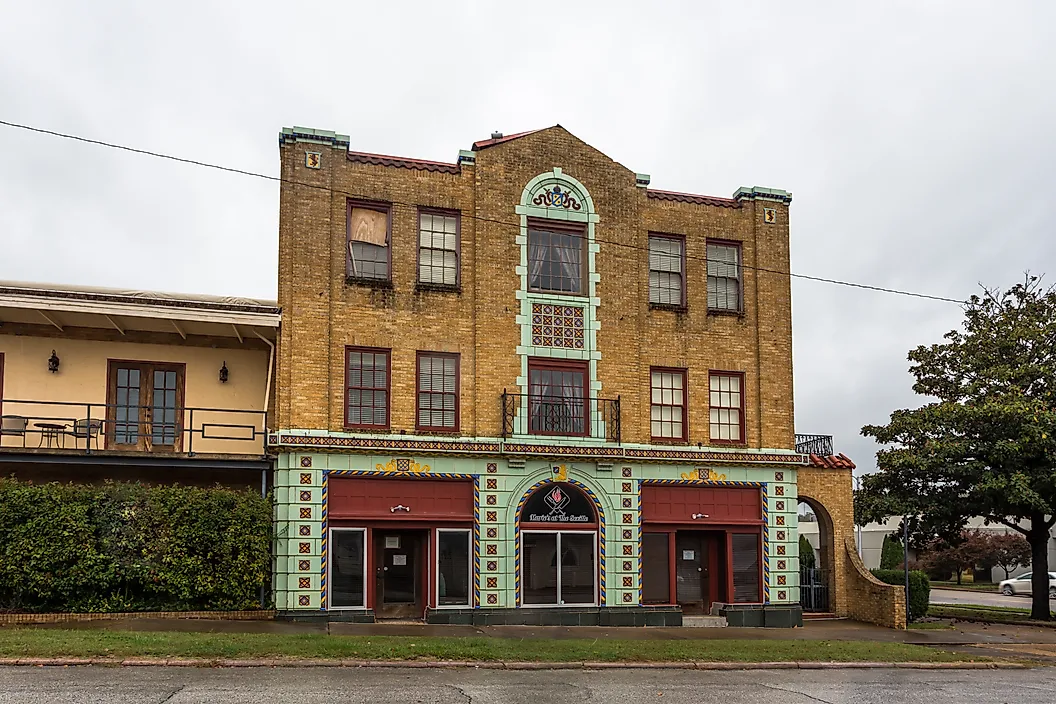
Harrison is the Boone County seat in the north-central Arkansas Ozarks, with a population of approximately 13,000 and a median home sales price near $200,000, roughly 20% below the Arkansas state median. The city's overall cost of living runs about 25% below the national average, with ranch-style homes on spacious lots common throughout neighborhoods and contemporary brick subdivisions on the outer edges. Lake Harrison sits just outside the historic downtown with a three-mile walking trail, kayaking access, and fishing within walking distance of the city's commercial core.
North Arkansas Regional Medical Center anchors the city's healthcare network as a non-profit acute care hospital with 125 inpatient beds, more than 850 employees, and a network of 13 satellite clinics serving rural communities across north-central Arkansas. North Arkansas College, a two-year community college, contributes to workforce training and serves the local student population. The Buffalo National River, the country's first federally designated national river, lies about 20 miles south of Harrison and gives residents float trips, fishing, and hiking on Ozark bluffs as part of routine weekend access. Harrison's position on US-65 places it within roughly two hours of both Springfield and Fayetteville for additional metro amenities.
Lake Ozark, Missouri

Lake Ozark is a small city of approximately 1,700 permanent residents at the heart of the Lake of the Ozarks resort corridor, but the broader Osage Beach and Lake Ozark community supports a year-round population of approximately 17,000 and a tourism and retirement economy that makes it a genuinely viable place to live full time. The median home price in Lake Ozark is approximately $284,000, elevated relative to inland Missouri towns but reasonable given the lakefront amenity. The Lake of the Ozarks itself stretches 92 miles with over 1,100 miles of shoreline, supporting boating, fishing, and water recreation that residents access daily rather than on vacation.
Lake Regional Health System in Osage Beach is the primary healthcare provider for the corridor, operating a full-service hospital with emergency and specialty care. The lake's tourism economy drives consistent employment in hospitality, marine services, real estate, and retail. Bagnell Dam Boulevard in Lake Ozark functions as the commercial main street, with restaurants, shops, and entertainment venues that stay active beyond the summer season.
Rolla, Missouri

Rolla is the Phelps County seat in south-central Missouri, with a population of approximately 20,700 and a cost of living well below national averages. The median home value runs around $180,000, and the homeownership rate sits near 51%, reflecting a strong rental market driven by the city's university student population. Rolla's position along Interstate 44 and U.S. Route 63 places it roughly 100 miles from St. Louis, Springfield, and Columbia, a midpoint the local chamber calls "The Middle of Everywhere."
Missouri University of Science and Technology, the state's flagship STEM university, anchors the local economy with engineering, computer science, and applied science programs that draw students from across the country. Phelps Health, a county-owned non-profit hospital system, operates a 240-bed acute care facility and employs roughly 2,000 people serving more than 200,000 residents across a six-county area. The hospital recently opened an $8 million EMS base with helipad and dispatch facilities, reflecting steady investment in regional emergency response. Mark Twain National Forest borders Phelps County to the south and west, putting hundreds of thousands of acres of hardwood forest, spring-fed creeks, and floatable rivers within easy reach of the city.
Inside the Region
For more beautiful Missouri picks, browse most beautiful Missouri small towns.
Batesville, Arkansas

Batesville is the county seat of Independence County in north-central Arkansas, with a population of approximately 10,500 and a healthcare and manufacturing economy that anchors the upper White River region. White River Medical Center is the primary healthcare system, operating a full-service hospital and multiple specialty clinics that serve a broad rural catchment. Lyon College, a liberal arts institution with approximately 700 students, provides a collegiate presence in the city and contributes to cultural programming through its Batesville Area Arts Council partnerships.
The median home price in Batesville is approximately $165,000, one of the lowest of any Ozark regional center with full healthcare and educational infrastructure. The White River, which runs through the city, provides fishing and canoeing access directly within the community, and the broader Independence County offers hunting and outdoor recreation that attracts residents who prioritize land access. The city's location on US-167 and its proximity to Mountain Home provide regional connectivity without requiring a long-distance commute.
The Bottom Line on Living in the Ozarks
The Ozarks in 2026 cover a wide enough geographic and economic range that no single entry point fits everyone. For those looking forward to career opportunity and urban amenity, Fayetteville, Bentonville, and Springfield provide a corridor with genuinely competitive salaries and cultural infrastructure. For retirees and remote workers prioritizing affordability and natural access, West Plains, Batesville, Mountain Home, and Bolivar offer cost profiles that are difficult to match elsewhere in the country at this quality-of-life level. The lake communities around Lake of the Ozarks and the college towns in between round out a region that has grown steadily not because of a single industry or moment, but because its combination of low costs, natural amenity, and community-scale living continues to suit a broad range of people looking for something different from coastal metro life.