6 Tick Infested Areas In North Dakota
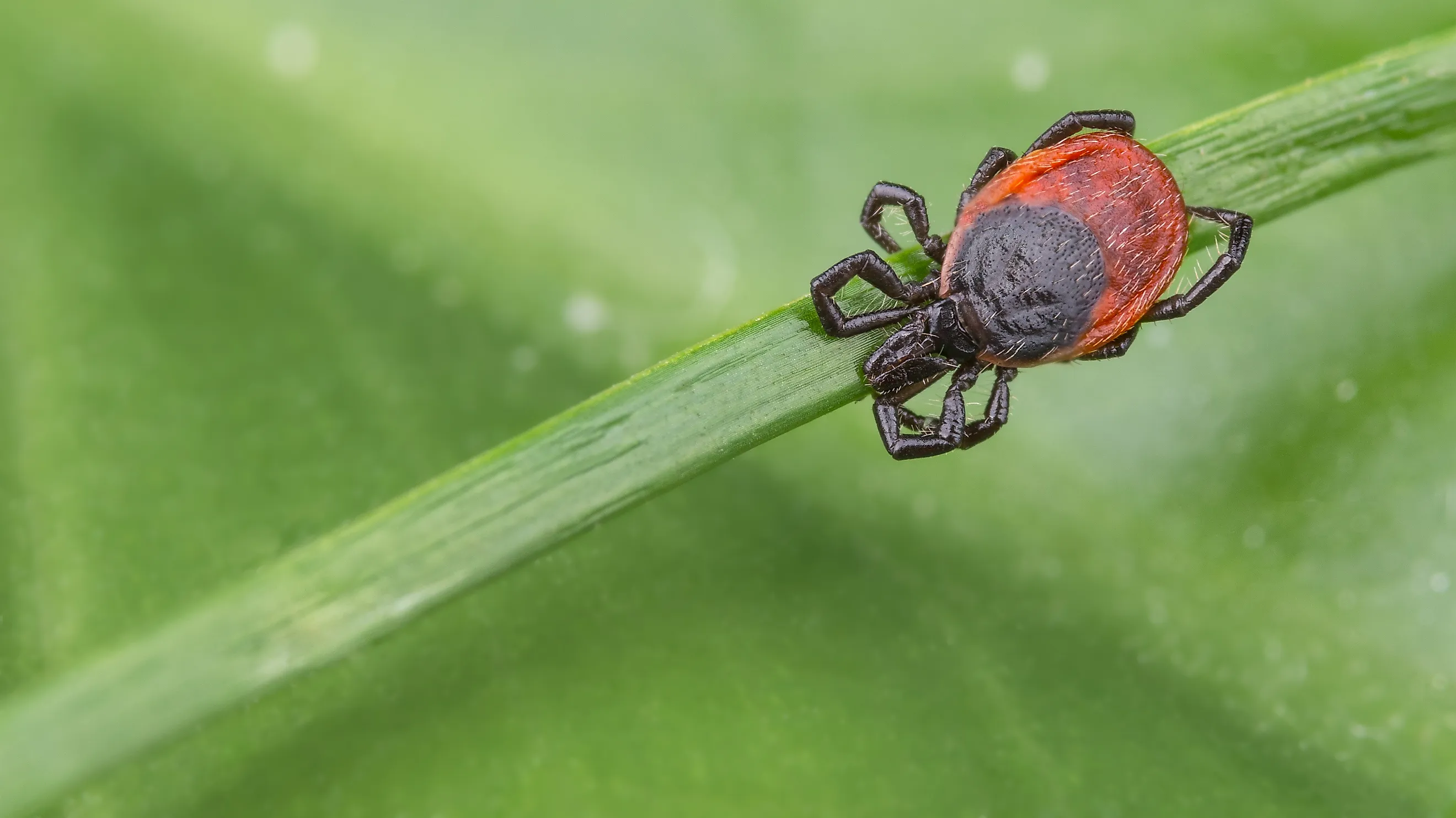
North Dakota's highest tick risk is not spread evenly across the map. State surveillance shows American dog ticks are far more common than blacklegged ticks, but blacklegged ticks have been documented in parts of southeastern and central North Dakota. The American dog tick (Dermacentor variabilis) and blacklegged tick (Ixodes scapularis) are the two main species residents should know, while one lone star tick (Amblyomma americanum) was identified from Barnes County in the 2024 state report. In North Dakota, documented tick-related disease concerns include Lyme disease, anaplasmosis, Rocky Mountain spotted fever, tularemia, babesiosis, ehrlichiosis, and alpha-gal syndrome. The areas below stand out because state surveillance recorded ticks there, the habitat supports tick hosts, or disease risk is tied to the county or region.
The Red River Valley

The Red River Valley follows North Dakota's eastern border, with familiar landmarks including Fargo, Grand Forks, and the Grand Forks Greenway. This region has more moisture than much of the state because of river-bottom habitat, wooded parks, tall grass edges, and heavy use by deer, pets, and small mammals. The American dog tick is the main concern here, and state surveillance recorded dog ticks in both Cass County and Grand Forks County in 2024. The blacklegged tick is less common statewide but remains relevant in eastern North Dakota. American dog ticks can transmit Rocky Mountain spotted fever and tularemia, while blacklegged ticks can transmit Lyme disease and anaplasmosis. The Grand Forks Greenway, with its riverside trails and large park system, is a practical place for residents to be especially careful in spring and early summer.
Sheyenne National Grassland and Ransom County

Sheyenne National Grassland sits in southeastern North Dakota, southwest of Fargo and near Lisbon. State surveillance recorded adult blacklegged ticks in Ransom County in 2024, and some of the deer ticks collected from Ransom County tested positive for Borrelia burgdorferi, the bacterium that causes Lyme disease. The area's mix of oak savanna, grassland, brushy draws, river bottoms, and wildlife cover gives ticks shaded places to wait for hosts. The North Country National Scenic Trail passes through the grassland, so tick checks are recommended after hiking.
Burleigh and Morton County, Missouri River Corridor

The Missouri River corridor through Burleigh and Morton counties includes the Bismarck-Mandan area, Fort Abraham Lincoln State Park, and riverside recreation sites. This area is drier than eastern North Dakota, but the river creates strips of cottonwood, brush, grass, and shaded bank habitat where ticks and host animals can persist. State surveillance recorded American dog ticks in Burleigh County and Morton County in 2024. This species is North Dakota's most common tick and is most active in spring and summer. Its main disease concerns in the state are Rocky Mountain spotted fever and tularemia. The risk is highest where people leave maintained paths and move through tall grass, brush, or wooded edges. Fort Abraham Lincoln State Park and the Missouri River Natural Area are the kinds of local outdoor spaces where residents should use repellent and check their clothing after returning home.
Devils Lake Basin

The Devils Lake Basin covers the large lake area near Ramsey and Benson counties, including Grahams Island State Park. The lake's shoreline, wooded pockets, marshy margins, tall grass, and nearby farm edges create better tick habitat than the open, dry prairie around it. Deer, rodents, birds, and pets can all carry ticks through these transition zones. State surveillance recorded American dog ticks in nearby northeastern and north-central counties in 2024, including Bottineau, Rolette, Walsh, Grand Forks, and other areas around the broader region. The American dog tick is the main species to watch for in this kind of grassy lakeside habitat. Residents using Grahams Island trails, boat launches, campgrounds, and shoreline access points should be especially alert during late spring and early summer.
Little Missouri River Badlands

The Little Missouri River Badlands include Theodore Roosevelt National Park, Medora, and nearby grasslands in western North Dakota. Although this part of the state is drier, ticks can persist in draws, river bottoms, shaded coulees, tall grass, sagebrush, and brushy wildlife trails. Bison, deer, coyotes, rodents, and domestic animals can all move ticks through these habitats. State surveillance recorded American dog ticks in several western counties in 2024, including McKenzie, Dunn, Stark, Williams, and Mountrail counties. The American dog tick is the main confirmed concern in this region. The Little Missouri River gives the Badlands a moisture-rich environment within an otherwise dry landscape. Residents hiking the park's Painted Canyon, Caprock Coulee, or river-bottom trails should check clothing and pets after leaving grassy or brushy areas.
Barnes County and the Sheyenne River Valley

Barnes County sits in southeastern North Dakota, with the Sheyenne River running through the Valley City area. State surveillance recorded six adult blacklegged ticks in Barnes County in 2024, and the same report identified one lone star tick from Barnes County through the HHS website submission system. That lone star record should be treated as a surveillance finding, not proof of a broad established population. The area's river banks, wooded slopes, tall grass, and wildlife edges give ticks humidity and host access. Blacklegged ticks are the main disease concern because they can transmit Lyme disease and anaplasmosis, both documented as reportable diseases in North Dakota. Lone star ticks can transmit tularemia and are associated with alpha-gal syndrome, which became reportable in the state in 2024. The Sheyenne River Valley National Scenic Byway is a particularly popular area where tick checks matter after outdoor time.
Staying Safe In North Dakota's Tick Country
North Dakotans should be most cautious during spring and summer, especially after walking through tall grass, brush, wooded edges, river bottoms, or lakeshore vegetation. The North Dakota Department of Health and Human Services asks residents to submit pictures and location information for unusual ticks by emailing NDTicks@nd.gov, which helps the state track tick distribution. Use an EPA-registered repellent, check pets after outdoor time, and contact a health care provider if fever, rash, fatigue, headache, muscle pain, or joint pain develops after a tick bite. State tick surveillance is still limited in some counties, so a blank spot on a map should not be read as a tick-free area.