11 Prettiest Small Towns In Virginia
Virginia's prettiest small towns are spread all over the state, from the forested peaks of the Appalachian Mountains to the shores of the Chesapeake Bay. In Staunton, six historic districts preserve architecture from the 18th, 19th, and 20th centuries. In Chincoteague, wild ponies roam near 14,000 acres of protected beach, dunes, marsh, and maritime forest. The 11 towns below owe their beauty to stunning historic landmarks and a history that reaches back to 1607, when Jamestown became England’s first permanent English settlement. If your idea of a fun stay is Victorian and Colonial architecture with a side of natural splendor, these towns are for you.
Staunton

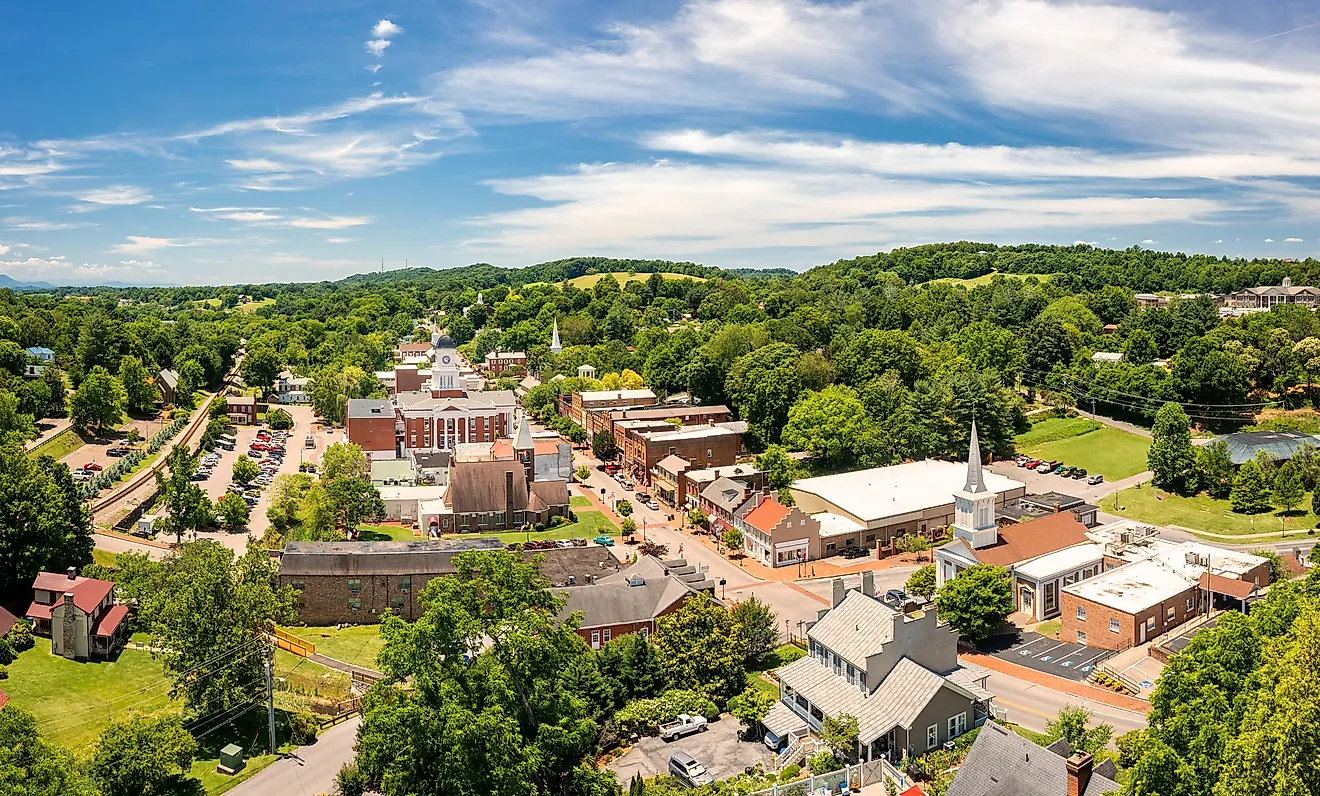
Perhaps no town in Virginia has as expansive architecture as Staunton does, with six different historic districts. Each district contains buildings from the 18th, 19th, and 20th centuries, embodying period styles representing the architectural evolution of the town. Some of Virginia’s finest Victorian-era architecture can be observed in the Beverly Historic District, listed on the National Register of Historic Places in 1981.
Hotel 24 South is the tallest building in Staunton, originally built in 1924. It has preserved its exterior red neon sign and interior marble floors, its chandeliers, and what's purported to be the only known working Wurlitzer organ. The Clock Tower rises from a four-story brick building once used as a YMCA, and today as a commercial space. Despite the change in use, the clock tower has remained, and many of the components of the original clock are still in working condition.
The Woodrow Wilson Presidential Library and Museum Visitor Center is housed inside the 28th president’s birthplace in the Gospel Hill Historic District. Visitors can view seven galleries which depict Woodrow Wilson's early life, as well as view exhibits on his presidency, suffrage, prohibition and World War I.
Lexington

Lexington’s brick-lined historic downtown streets are set in the heart of the Shenandoah Valley. The patterned texture of the bricks was originally used to help horses and pedestrians gain traction on steep hills. They were eventually incorporated into the sidewalks where they remain today, adding to the town’s appearance. They can be seen outside historic buildings like the Jackson House Museum, the former home of Confederate General Thomas “Stonewall” Jackson before the Civil War. The house is open for tours and decorated with period furnishings owned by Jackson and his wife.
Visitors can access the Blue Ridge Parkway, a 469-mile-long highway that winds through the Blue Ridge Mountains of Virginia. The parkway grants drivers views of Apple Orchard Mountain, the highest point on the Blue Ridge Parkway. Natural Bridge State Park is only 15 miles south of Lexington. The focal point of the park is the 215-foot high natural bridge formed by a limestone gorge. The park is laced with 6 miles of hiking trails, one of which leads to the 30-feet high Lace Falls.
Jamestown

On the banks of the James River, Jamestown is surrounded by marshlands and dense woodland. It is the oldest permanent English settlement both in Virginia and North America, creating a contrast between nature and history. The best views of the island, James River, marshlands, and forests come from the Island Loop Drive. The drive exposes visitors to a natural environment similar to that encountered by English colonists.
Many structures grant insight into 17th-century Jamestown, such as the Church Tower, a remnant from the fourth and last colonial-era church on that site that was used up until the 1750s. The tower is the only above ground 17th-century structure still standing at Jamestown. It was originally 46-feet high but is shorter now due to decay. Other than that, the tower has remained largely intact, unlike the rest of the church building, which fell into ruins by the 1790s.
Cape Charles

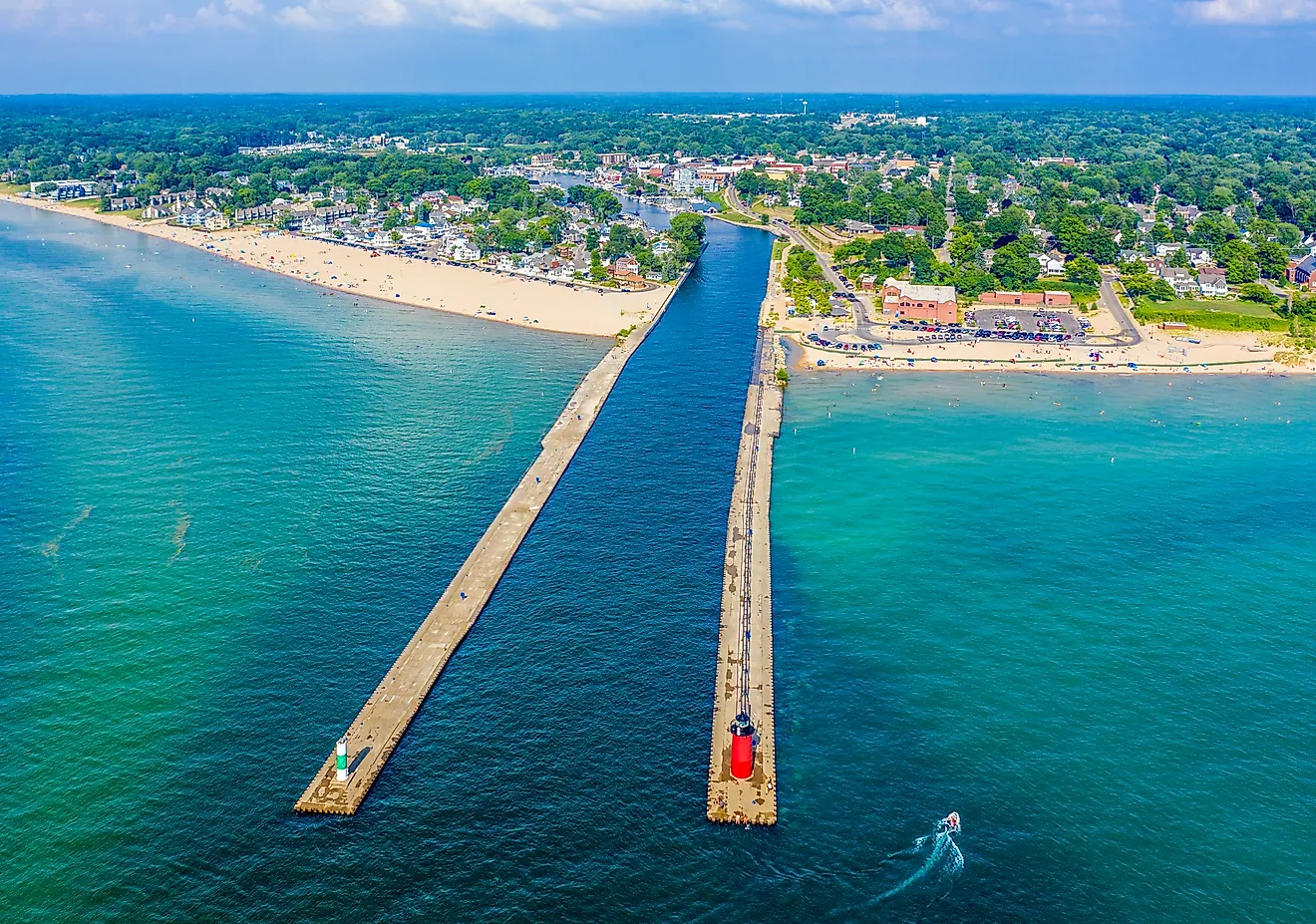
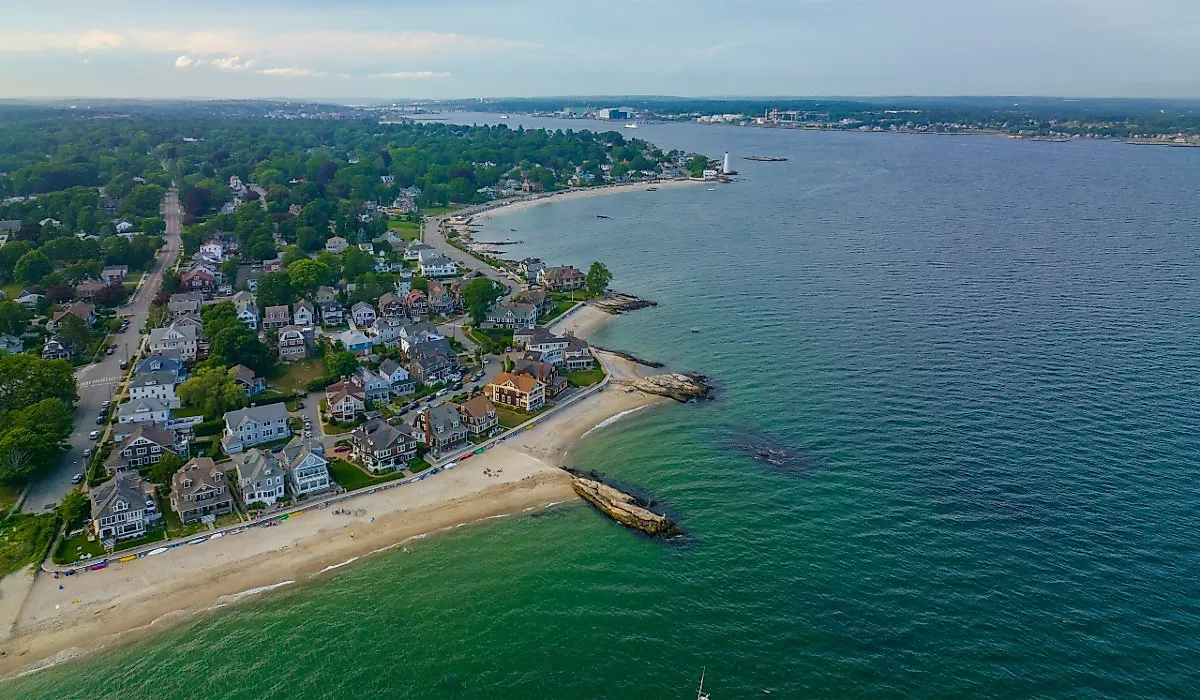
Cape Charles is fronted by white sandy beaches on a small peninsula on Virginia’s eastern shore, bordered by the Chesapeake Bay. Cape Charles Beach spans the length of Bay Avenue. It is characterized by its soft sand and calm, shallow waters that lap gently against the shoreline. Bay Avenue showcases how lucrative real estate was in Cape Charles through Southern Colonial Revival homes like the J.V. Moore House, which features a large portico.
The Cape Charles Historic District spans 27 blocks that revolve around Central Park. The buildings range from worker housing of the 1880s to early-20th-century commercial, residential, and municipal buildings. Cape Charles Natural Area Preserve allows visitors access to coastal beach, dune, and maritime forest habitats. Although beach access is prohibited due to the sensitivity of the habitat, a boardwalk takes visitors through seven different natural areas, culminating in a bluff overlooking the Chesapeake Bay.
Leesburg

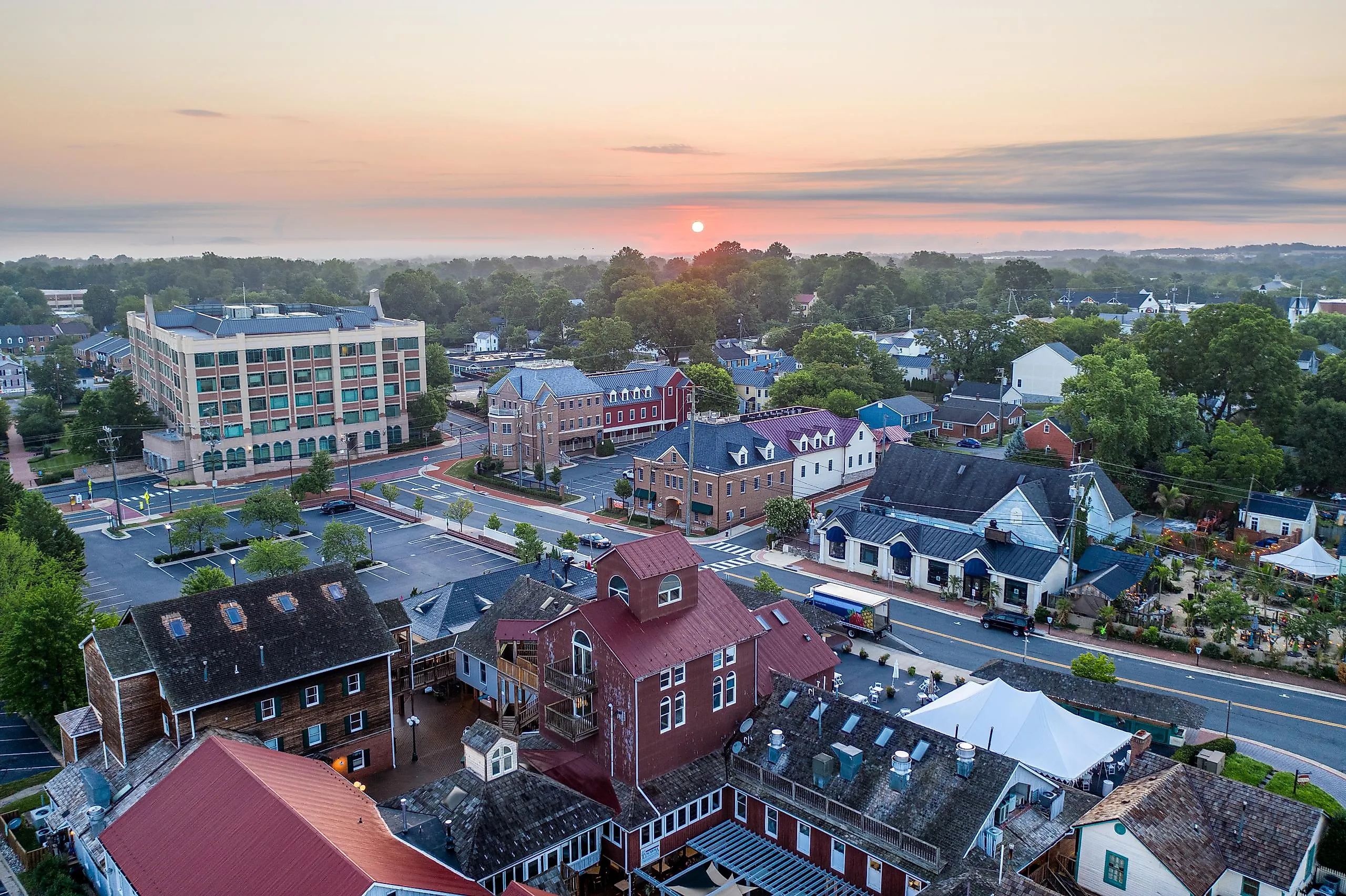
Leesburg is regarded as having one of the most well-preserved and picturesque downtowns in Virginia. Leesburg was founded in 1758. Its downtown streets are lined with brick sidewalks and contain collections of historic buildings and homes, like George C. Marshall's Dodona Manor. It is an impressive building that has retained its 19th-century exterior architectural features.
Morven Park is a 1,000-acre historic estate on the edge of town. The property comprises a Greek Revival mansion, boxwood gardens, picnic areas, and miles of nature trails. The Potomac River flows east of Leesburg, forming part of the boundary between Maryland and Virginia. Red Rock Wilderness Overlook Regional Park has trails that vary in difficulty through forests and over hills to lookouts atop bluffs overlooking the river.
Abingdon

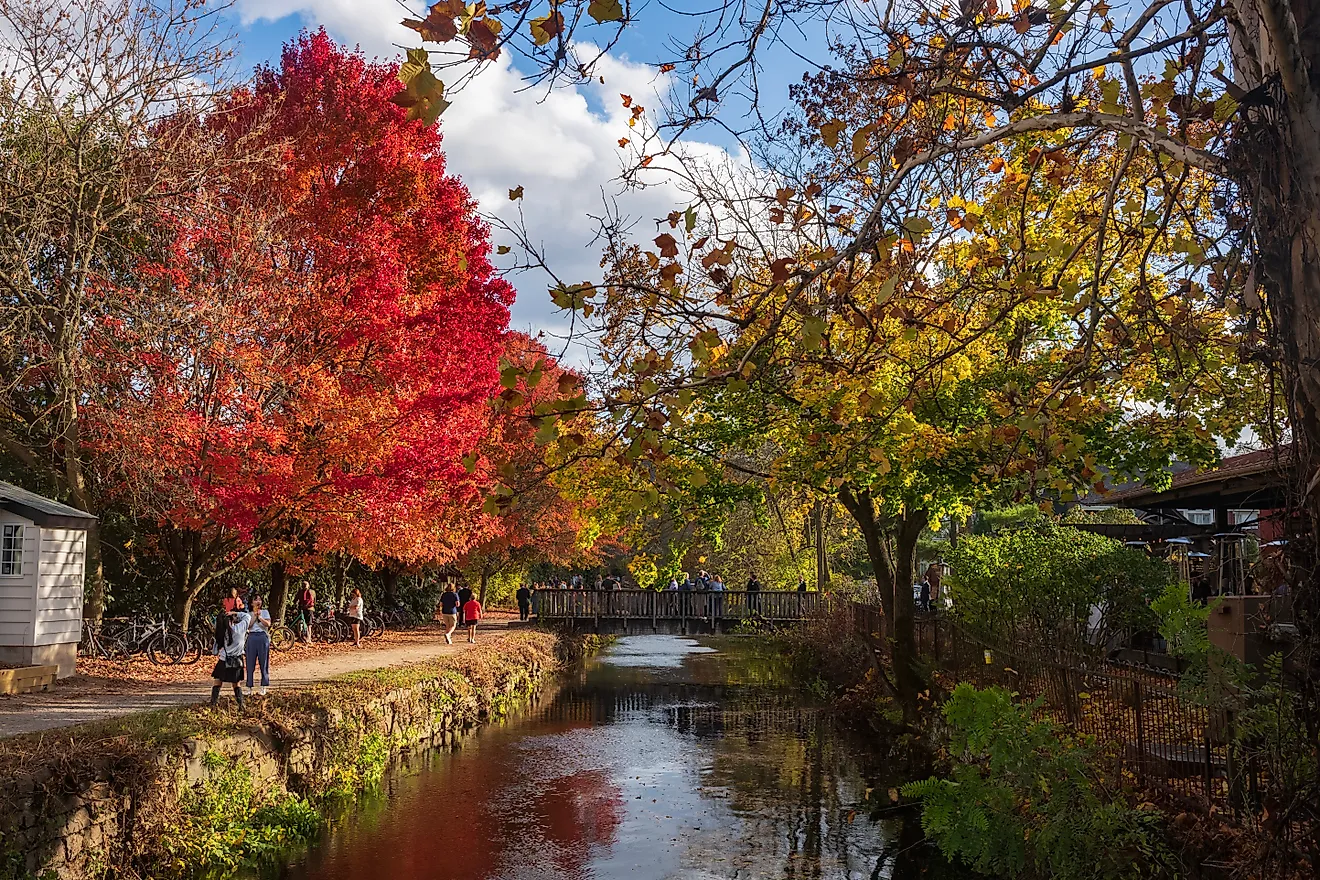
Abingdon is rooted within the highlands of the Blue Ridge Mountains, and is best known for its access to the Creeper Trail, a 34 mile long bike trail considered as one of the best in the United States. The trail begins in Abingdon, traversing through gently rolling farmland before gradually transitioning into more mountainous terrain as it gets closer to its terminus in Damascus.
Downtown Abingdon has preserved many historic buildings, including the Tavern, a restaurant housed inside Abingdon’s oldest building, constructed in 1779. The Tavern was originally used as an overnight inn for stagecoach travelers. The Tavern showcases how welcoming Abingdon is, known for its friendly and relaxed atmosphere. Other historic buildings include the Barter Theatre, which first opened its doors in 1933 and has remained one of the nation’s longest-running professional theatres.
Smithfield

The town of Smithfield unwinds along the banks of the Pagan River, full of Colonial and Victorian buildings. Notable buildings in town include the Isle of Wight 1750 Courthouse, one of only four remaining arcaded colonial court buildings in Virginia and the only colonial courthouse with a semi-circular apse. Other notable structures include Virginia’s oldest brick church, St. Luke’s Historic Church and Museum. Today, it is open to the public, allowing visitors to look back on over 400 years of American history. Windsor Castle Park opens up along the riverfront, creating 209 acres of green space in downtown Smithfield, featuring trails that lead through the woodlands to scenic overlooks of the river, a dog park, orchards, picnic areas, a kayak and canoe launch, and a fishing pier.
Luray

Luray is rooted in the valley between the Blue Ridge Mountains and the Massanutten Mountains. It is a characteristic Shenandoah Valley town, surrounded by rolling hills and lush farmland, but with one thing separating it from other towns in the Shenandoah Valley. The town is home to the largest and most popular caverns in America, the Luray Caverns. Carved out of limestone, the caverns reach as much as ten stories high and are supported by stone columns and dotted with pools of water.
Opposite the caverns, Carillon Park blends green space with architecture. The Luray Singing Tower is a Romanesque revival structure composed of sandstone, featuring rounded arch openings. The tower houses a carillon of 47 bells that weigh an accumulative total of over eighteen tons. It was gifted to Luray to entertain residents and visitors alike, with recitals covering a variety of styles and eras, such as patriotic, folk, hymns, and classical. The Hawksbill Greenway traverses through the center of town, allowing walkers and cyclists to observe the scenery and wildlife of the Shenandoah Valley while still in an urban setting.
Chincoteague

Chincoteague is a small fishing village on Virginia’s Eastern Shore, situated on Chincoteague Island along coastal bays separated from the Atlantic Ocean by Assateague Island. Its undeveloped, sandy beaches are a haven for the population of wild ponies. The Chincoteague National Wildlife Refuge provides access to the undeveloped shoreline of Assateague Island and encompasses about 14,000 acres of beach, dunes, marsh, and maritime forest. The refuge is home to Chincoteague’s famous wild ponies, as well as other types of wildlife, including waterfowl, wading birds, shorebirds, and songbirds.
Tom’s Cove Park is on Chincoteague Island, fronting the Assateague Channel, creating some of the best outdoor recreation. Visitors can enjoy saltwater fishing, boating or crabbing. The annual pony swim sees ponies coming ashore in the park. The Assateague Lighthouse was built in 1867 and still stands to this day at 142-feet high. It is a red-and-white-striped brick tower within the reserve that flashes two large 1000-watt bulbs every five seconds.
Onancock

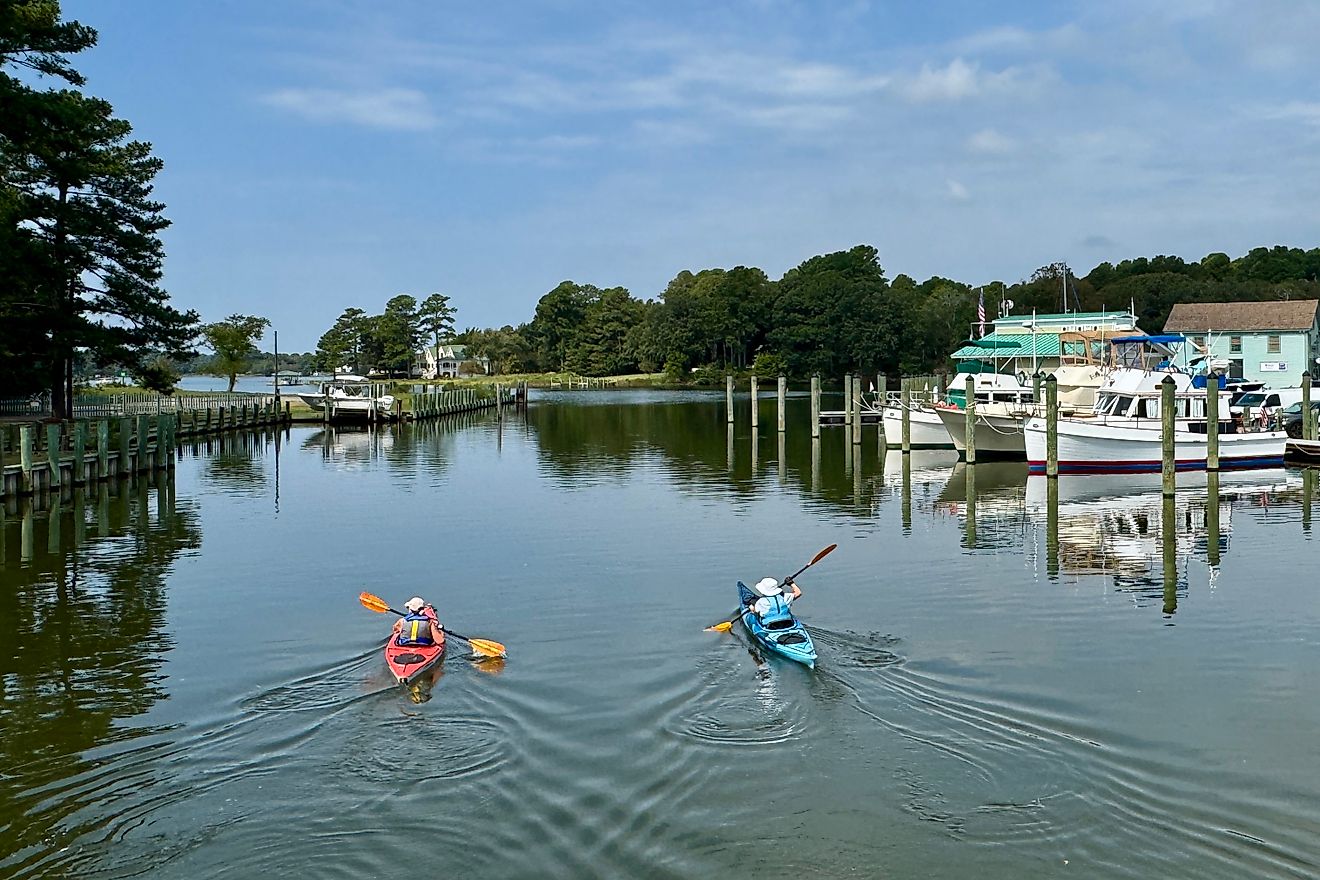
Onancock is a waterfront town on the Chesapeake Bay, known for its colonial history and architecture, and premier arts scene. Ker Place is perhaps the finest example of Federal architecture on Virginia’s eastern shore. The mansion was built in 1799-1803 and has only ever been occupied by two families. Today, the house operates as a museum, a library, and an archaeology lab. Other notable historic buildings include the Roseland Theatre, a historic single screen movie theatre built in 1950 that is still in operation today. The Crockett Gallery showcases original watercolors, acrylics and oil paintings that focus on depictions of the Chesapeake Bay, Virginia’s eastern shore, marshes, boats, and local wildlife.
Woodstock

The winding bends of the North Fork Shenandoah River flow adjacent to Woodstock. Consequently, Woodstock is a basecamp for venturing into Seven Bends State Park. The park is laced with trails that lead along the seven bends of the river, towards the western slope of Powell Mountain, which is part of the Massanutten Mountains.
The Woodstock Tower is a historic metal lookout tower rooted into a ridge in the George Washington National Forest. Those who reach the top of the tower are rewarded with panoramic views of the surrounding mountains and of the seven bends of the Shenandoah River flowing through the Shenandoah Valley below.
In town, Woodstock’s main street stretches a mile-long with historic architecture, like the Shenandoah County Historic Courthouse, considered to be the oldest continuously used courthouse west of the Blue Ridge Mountains. It was built in 1795 out of native limestone, now serving as a visitor center and museum.
Virginia's Small-Town Beauty
Virginia’s small towns cannot be sorted into just one category. No single town’s beauty can be attributed solely to its history and architecture, or solely to its natural scenery and surroundings. Each town creates a blend that culminates in its appeal. Small towns encourage us to slow down and take in the historic structures like Virginia’s oldest brick church in Smithfield or the pristine beaches in Chincoteague. Excellent travel experiences come from small towns, whether that be admiring historic architecture, rolling forested hills in the Shenandoah Valley, or local charm and friendliness.