This Is The Friendliest Small Town in Sweden
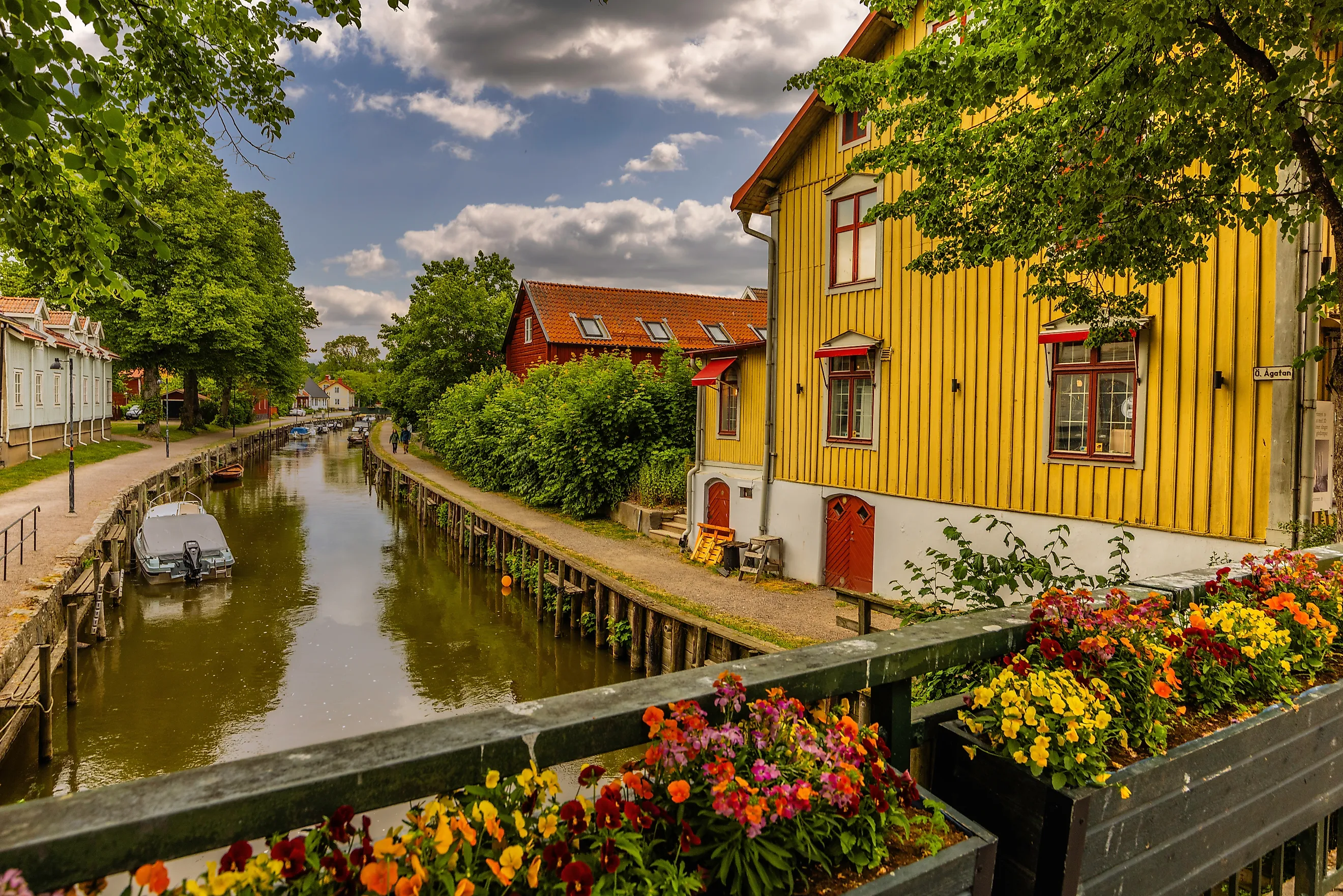
Trosa has been drawing summer visitors from Stockholm since the 19th century, but the place still feels shaped more by the people who live there than by the people who visit. Wooden waterfront houses line a river that runs through the center of town. The harbor stays active well past the summer season. The town is small enough that what makes it friendly is actually possible to point to: the same faces in the same cafés, a torch-lit walk along the river that everyone shows up for, and a center compact enough that you cross paths with people more than once a day.
The Torch-Lit River Walk

One of Trosa's most distinctive seasonal traditions takes place in late autumn and early winter, when outdoor torches are lit along the river. As evening sets in, people walk the riverbank and follow the line of flames along the water. The tradition is quiet, but it brings the whole town to the same stretch of river at the same time. Nothing is staged, and no one is selling anything. People nod at each other on the way home.
That kind of low-key shared ritual is the easiest way to point to what Trosa actually feels like. There is no headline event meant to draw outsiders. The river walk is for people who already live there, and visitors are welcome to fall in alongside them.
A Walkable Center Where You Pass The Same Faces

Trosa's town center is shaped by independent businesses rather than large chains. Cafés, small shops, and restaurants line the riverfront, and most of them feel closely tied to the people who run them.
At places like Fina Fisken, the harbor setting is part of the appeal, while Trosa Stadshotell & Spa offers a more structured experience that still feels familiar rather than formal. These spaces are not designed to feel exclusive or polished. They are consistent, which makes them easy to return to.
Because the center is so compact, it is normal to pass the same people more than once in a single afternoon. Conversations extend a little longer the second time, and even brief interactions feel less transactional. Over weeks, that repetition builds a kind of recognition that does most of the work that "friendliness" usually has to do.
The Harbor And The Archipelago

Beyond the river walk, Trosa's life is spread across the harbor and the coast. Visitors can kayak from the guest harbor into the river and out into the archipelago, hike the Sörmlandsleden route between Tullgarn and Trosa, or spend an afternoon around the harbor, which hosts recurring events such as Trosa Galejet and the Trosa Boat Show. In summer, Garvaregården Town Museum adds another stop in the center of town.
What matters is that none of it is gated off. Outdoor activities such as walking, cycling, kayaking, and boating are part of how people in Trosa actually spend their time, not separate "tourist activities" sold back to outsiders. Showing up means doing what locals already do.
The Walk Along The Trosa River

The Trosa River runs through the center of town, and people use the paths and bridges along it throughout the day. They stop, look out over the water, and linger a little longer than they might somewhere busier. That slower pace gives small encounters more room to develop.
Just outside town, the grounds of Tullgarn Palace open out into parkland and coastal views that feel shared rather than restricted. The combination of an unhurried town center, an active harbor, and accessible green space makes Trosa easy to move through, which is most of why interactions there feel relaxed.
Old Town, Old Habits

Trosa traces its origins to the 14th century as a regional trading settlement and was granted city privileges in 1454, then again at its current site in 1610 after the original town was relocated due to post-glacial land uplift. Russian raids in 1719 destroyed much of what was here. By the late 1800s and early 1900s, Trosa had taken on its current identity as a summer town and seaside resort, but the local rhythms held. Tourism added to Trosa without remaking it.
That history matters mostly because it explains why the town still belongs to the people who live in it. Friendliness in Trosa is not a marketing line. It is a side effect of a small, stable place where people see each other often enough that being decent to one another is the path of least resistance.
Why Trosa Feels So Welcoming
Trosa does not rely on obvious gestures. Its friendliness comes from how easily people move through the town. Shared spaces are respected, brief interactions are acknowledged, and the same faces show up in the same places often enough to be remembered. Calling Trosa the friendliest town in Sweden is a bold claim, but the town earns the comfort it offers, whether you have lived there for years or just stepped off the bus.