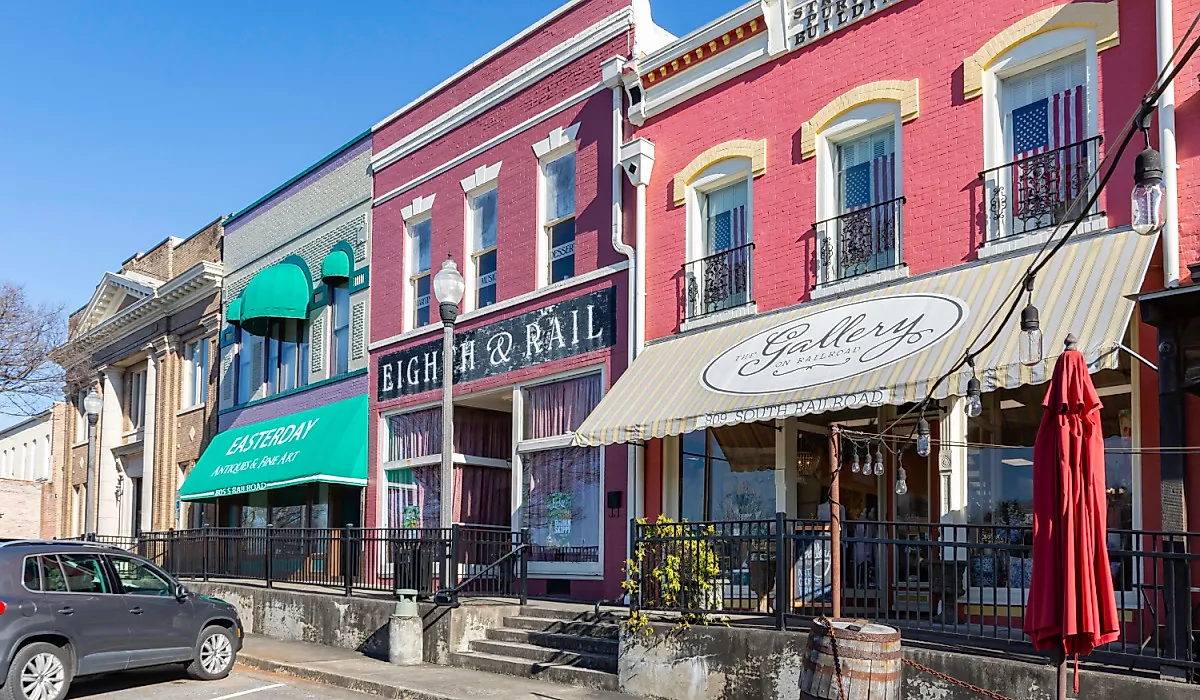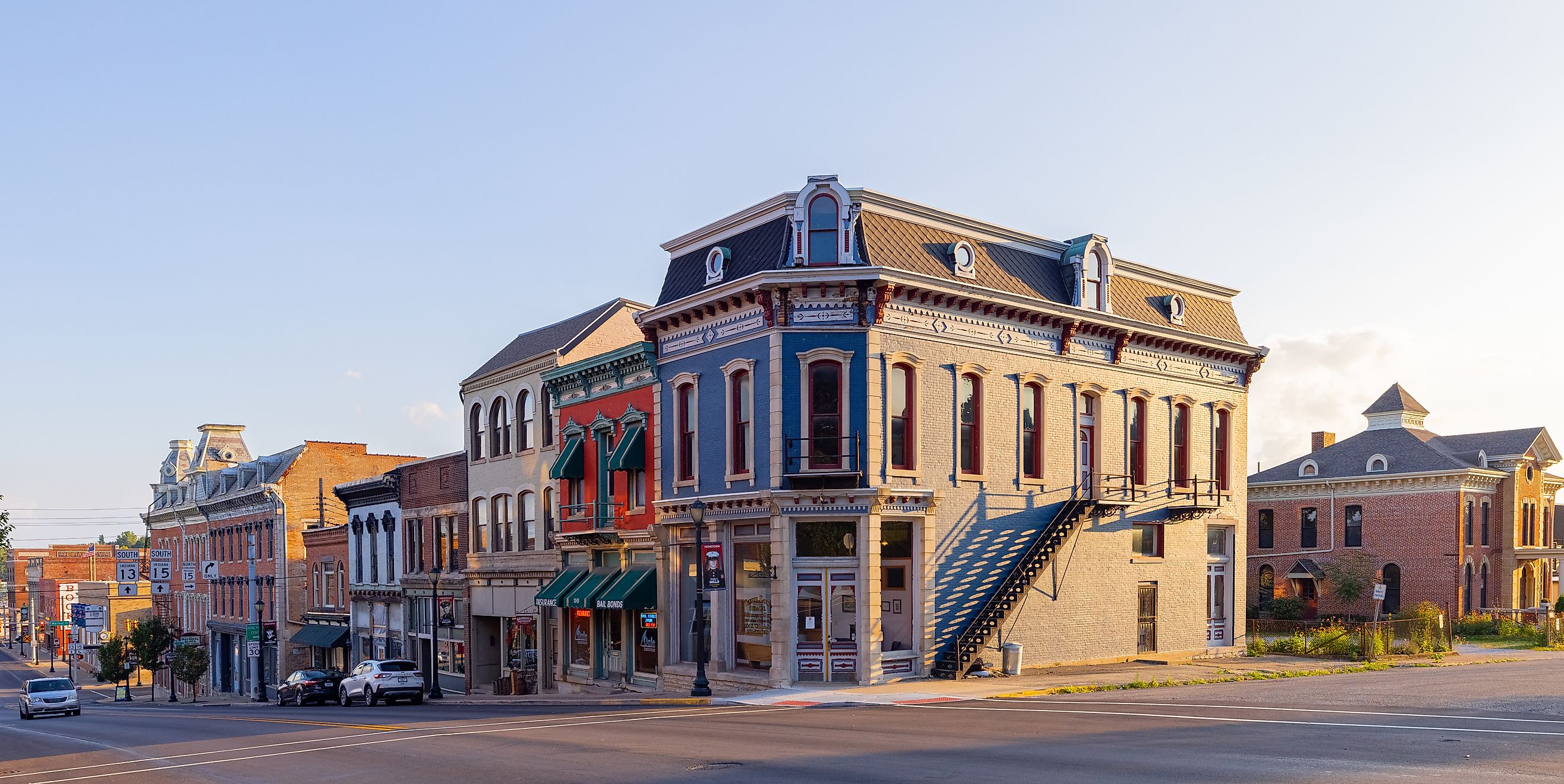
11 Picture-Perfect Main Streets In Indiana
Indiana's best main streets tap into the long history of the state and its many waves of immigrants. They show off a real variety of architectural styles too. Many of these towns were founded along rivers that carried in new arrivals and their cultures, including Swiss wine-makers and utopian dreamers. On some of these main streets you can walk right up to the first state capitol of Indiana. Others let you book a stay in a converted mansion or take an Amish buggy tour of a rural downtown. These eleven Indiana main streets show off all that and much more.
Madison

Madison's entire downtown area is rich with history. It has the largest contiguous historic district in the state, with more than 133 blocks reflecting architectural styles from the early to late 19th century. On the corner of Main Street and Broadway Street is the Broadway Fountain, a bronze replica of the fountain showcased at the Philadelphia Centennial Exposition of 1876. Many of the town's best architectural sites are just a short walk away from Main Street, such as the Greek Revival-style Lanier Mansion State Historic Site, which faces the Ohio River. Madison provides affordable, delicious dining options at the Red Pepper Deli, Cafe & Catering, and Hinkle's Sandwich Shop, and classy home goods at the Olde Tyme Marketplace.
Franklin

Franklin is called Festival Country for the number of events and signature festivals it hosts downtown. These events are mainly held a few blocks away from Main Street at the Youngs Creek Park, such as the Franklin Fall Festival in September, and the Hops & Vines Festival, which brings out both wine and beer connoisseurs. Main Street itself hosts artistic events such as the Ethos Celebration of the Arts in June, showcasing local artwork alongside live music. On N Main Street, there's a mixture of historic places, such as the Art Deco style Historic Artcraft Theater, opened in 1922 as a silent movie theater, and the Johnson County Museum of History. This museum has exhibits of local interest, such as the stories of the Indiana Infantry in the American Civil War.
Albion

Set in northeastern Indiana, Albion's Main Street has earned high accolades for its expertly designed Noble County Courthouse, which sits on the corner of Main Street and N Orange Street. Built in 1887 in the Romanesque Revival style, it is made of red brick with a central clock tower standing tall over the town. A few blocks down on Main Street, Albion has converted its historic jail into the Old Jail Museum with artifacts from the 19th to the 21st centuries. Main Street Albion offers green spaces at the Valleyview Park & Playground. For places to eat on Main Street, Albion has snacks from The Fox Den Coffee Shop or Mexican fare at the El Mariachi Mexican Grill. As befitting its British name, Albion has an alehouse right off Main called the Albion Alehouse.
New Albany

New Albany is an Ohio River community facing Louisville, Kentucky, to its south. Its Main Street, however, has a distinctly Southern Indiana vibe, with walkable streets that take one to a luxurious group of mansions and riverside walks. Mansion Row on Main Street has several 19th-century structures, such as the Culbertson State Historic Site, built in the Second Empire style with hand-painted frescoed ceilings, which hosts tours and special events during the Halloween season, and the Pepin Mansion Historic B&B. Further down on Main Street, one can grab a coffee or snack from locally owned coffee chain Coffee Crossing or go hiking on the paved Ohio River Greenway, a recently completed 7.5-mile trail following the Ohio River.
Angola

Angola's main road runs through one of the best town squares in the state of Indiana. It earns this title due to its monuments, such as the Steuben County Soldiers' Monument, inaugurated in 1917 to honor the 1,278 men from Steuben County who served in the Union Army, of which 280 died. The towering obelisk has five bronze statues of men from all four branches of the military and a 10-foot-tall female figure standing on top of the monument. The town square honors other Americans from the past, such as the former slave and abolitionist Sojourner Truth via the Sojourner Truth Statue and the Prussian who trained the Americans at Valley Forge during the American Revolution at the Baron Von Steuben Statue. Around these statues are several other local shops like the Bike and Soul store and the Broomstick and Brews coffee shop.
Vevay

Vevay is known as Little Switzerland due to its Swiss heritage. John James Dufour came here from Switzerland in 1802 to establish Vevay, which he named after a Swiss community. It would later become one of the first wine-producing settlements in the state. Main Street hugs the shores of the Ohio River and is part of the larger Ohio River Scenic Byway. From Main Street, one can access the Switzerland County Museum, with exhibits celebrating the Swiss heritage of the original settlers. It sits next to the Life on the Ohio River History Museum, which puts the spotlight on the history of steamboats that would travel throughout the Ohio River. Further down on Main Street is the lesser-known Racing Performance Museum, with IndyCars and Nascars on display.
Corydon

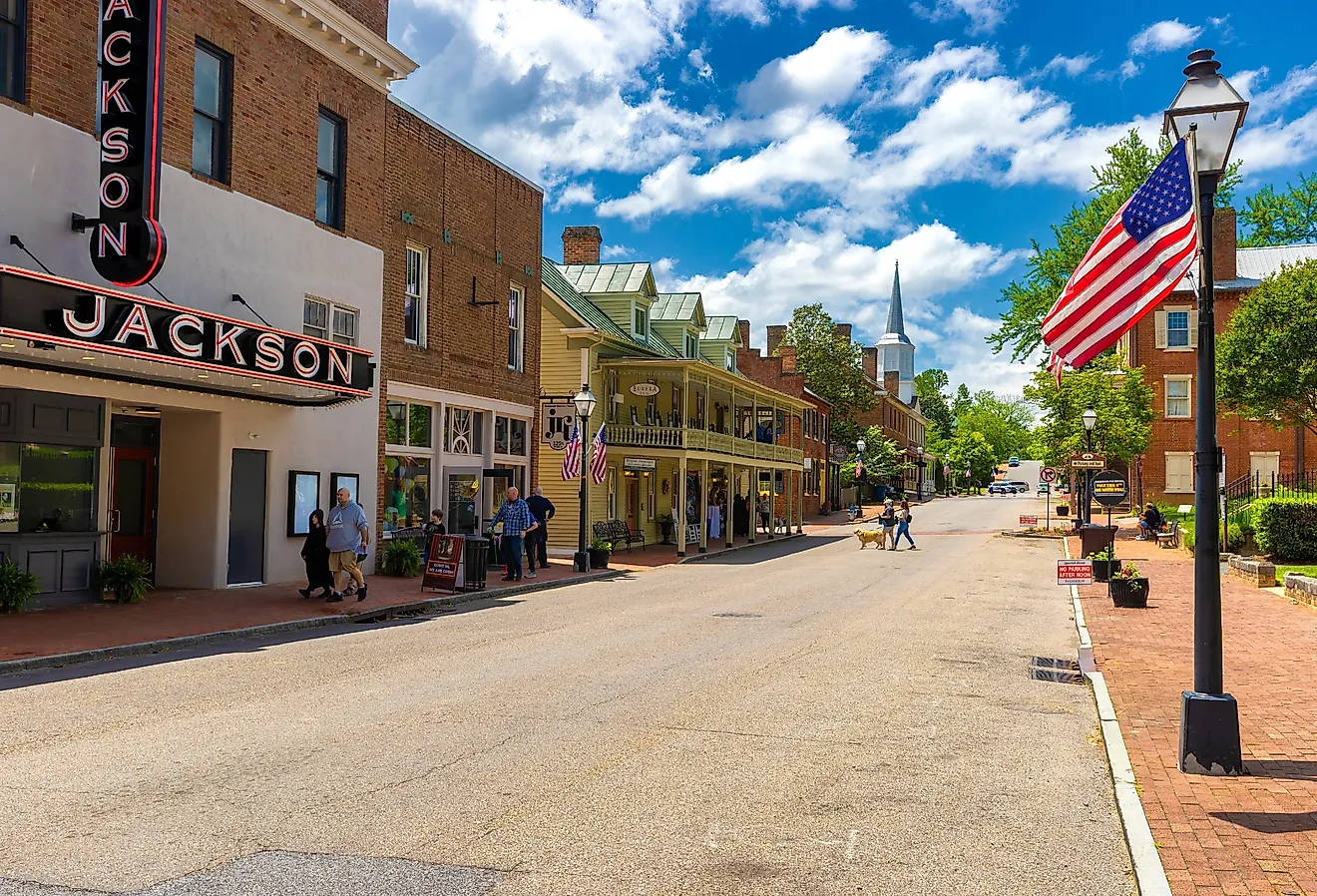
Corydon has one of the most historically significant Main Streets in Indiana. It was the first state capital of Indiana between 1816 and 1825, until the capital was moved to central Indiana to its current spot in Indianapolis. The Corydon State Historic Site is a striking reminder of this history, with the Federal-style brick structure still standing on E Walnut Street within the town center. This state capitol is open for tours, providing insights into Indiana's earliest days in the decades leading up to the American Civil War. From here, one can find a book to read from the Bookworm bookstore or grab breakfast, brunch, or lunch from Fredericks Cafe & Grill. Moving south towards N Elm Street, there's a cute music shop called Paige's Music of Corydon.
Aurora

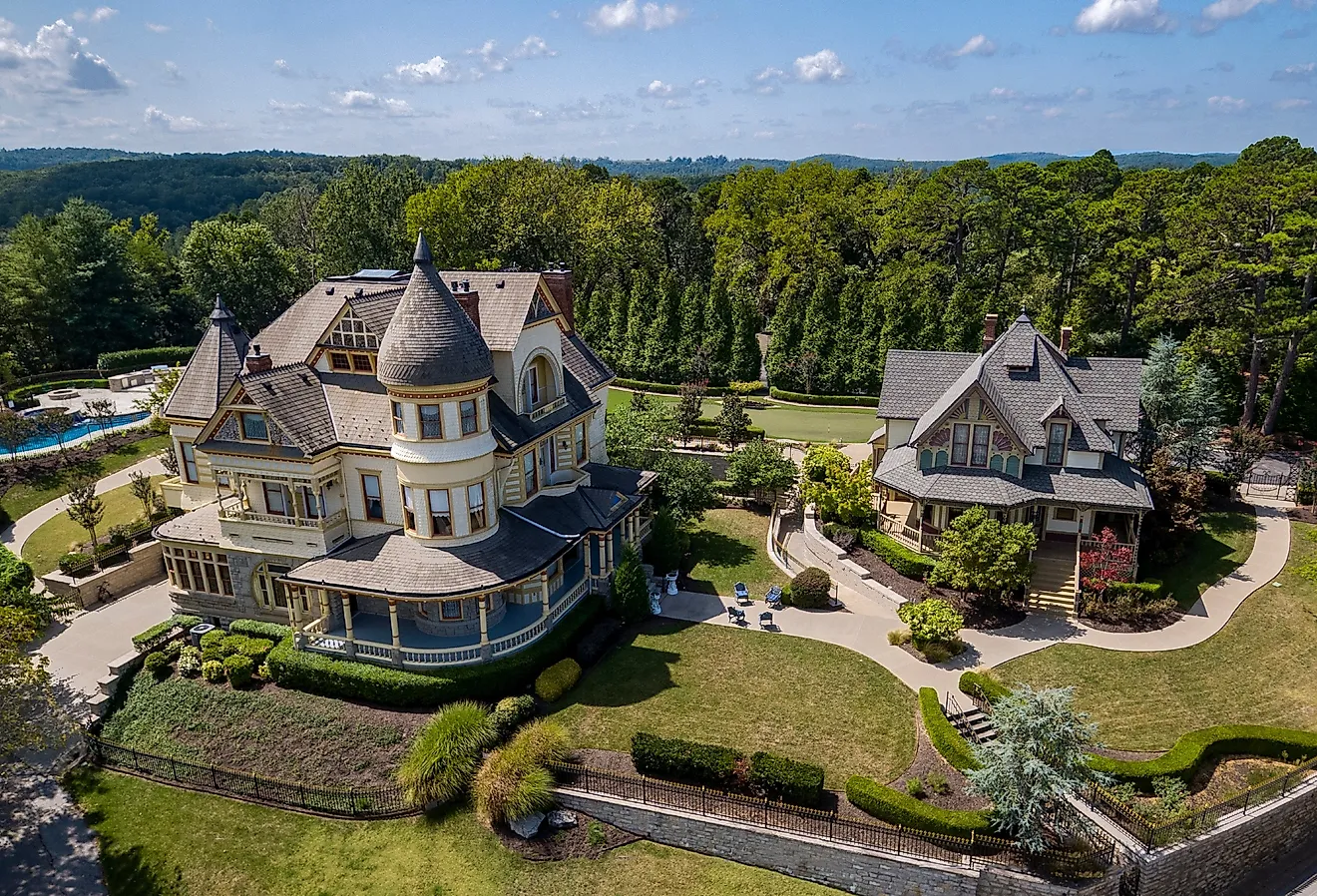
Aurora is an underrated Ohio River town that combines Victorian architecture with a walkable Main Street on its southern side of town. The town is split in two by Hogan Creek, which flows into the Ohio River on its eastern side. At the far southern end of Main Street, atop a hill, sits the 1855 Italian Renaissance mansion called the Hillforest Victorian House Museum. The mansion was built by renowned architect Isaiah Rogers, who also constructed several hotels in America. From Main Street, one can continue down to the Third and Main Street restaurant for American food or Alejandra's Authentic Mexican Restaurant. Pedestrians can walk north across the George Street Bridge across Hogan Creek to reach the other side of Aurora or go further south on Main Street to reach the Ohio River park of Lesko Park.
Wabash

Wabash gets its name from the Wabash River, which flows from northern Indiana across the state to its southwestern border. The town has quite a claim to fame when it comes to the history of electricity. In 1880, four arc lamps mounted on the Wabash County Courthouse lit up the town, and Wabash claimed the title of the first electrically lighted city in the world. Main Street and its surrounding blocks contain a great deal of history, both at the courthouse itself and the Wabash County Museum, hosting military artifacts and a children's play area. On Main Street itself, one can enjoy a sushi meal at Koi Japan and take home lotions and home decor from the Cottage Creations Florist and Gifts. By exploring a bit beyond Main Street, hikers can take the Wabash River Trail leading to the Paradise Spring Historical Park, marking the location where Native Americans signed over the land to settlers.
Shipshewana

Shipshewana is a tiny rural community with a population of under 1,000 people in north central Indiana. The town has a lot of character in its main road, N Van Buren St., which comes from its large Amish community and culture. In the center of town is the Blue Gate Restaurant & Bakery, selling fresh Amish home-cooked meals and pastries. It is connected to the Blue Gate Theater, which puts on family-friendly plays, musicals, and performances. On the southern end of Main Street is the vast Shipshewana Flea Market, open May through September. It's the largest flea market in the Midwest with more than 600 open-air booths on 40 acres. Another fun way to explore the community is by booking an Amish buggy tour via Buggy Lane Tours.
New Harmony

New Harmony's Main Street keeps alive the fascinating stories of the utopian pioneers who came here in the early 1800s. The Harmonie Society believed they could create a utopian society here. In 1825 they sold the town to Robert Owen and relocated to western Pennsylvania, and Owen's followers established a second utopian settlement here. These two communities' heritage is spread throughout Main Street, including a recreation of the Harmonist Labyrinth, which was set up as a place of meditation by the Harmonists, and the New Harmony Historic Sites, featuring several preserved log cabins and communal homes like the Community House No 2. At the northern end of Main Street are several structures established by modern residents, such as the interdenominational Roofless Church.
The Brightest Main Streets In Indiana
Wabash was the first electrically lighted Main Street, but all of these towns have bright main streets, not just from lights but also from their deep history and character. Strolling through Madison, one can explore a veritable outdoor museum through its vast historic district, or one can get a taste for Swiss culture in Vevay and Amish culture in Shipshewana. All of these main streets are bright and beautiful in their own way, which is what makes them so well-loved by Indiana residents and visitors alike.