10 Tennessee Towns Where Time Stands Still
Tennessee became the 16th state to join the Union on June 1, 1796. Its landscape includes mountains in the east, rolling hills through its center, and broad river plains in the west. The state has played a role in many key chapters of American history, including westward expansion, the Civil War, and the Civil Rights Movement. Music also became one of the state’s most lasting contributions.
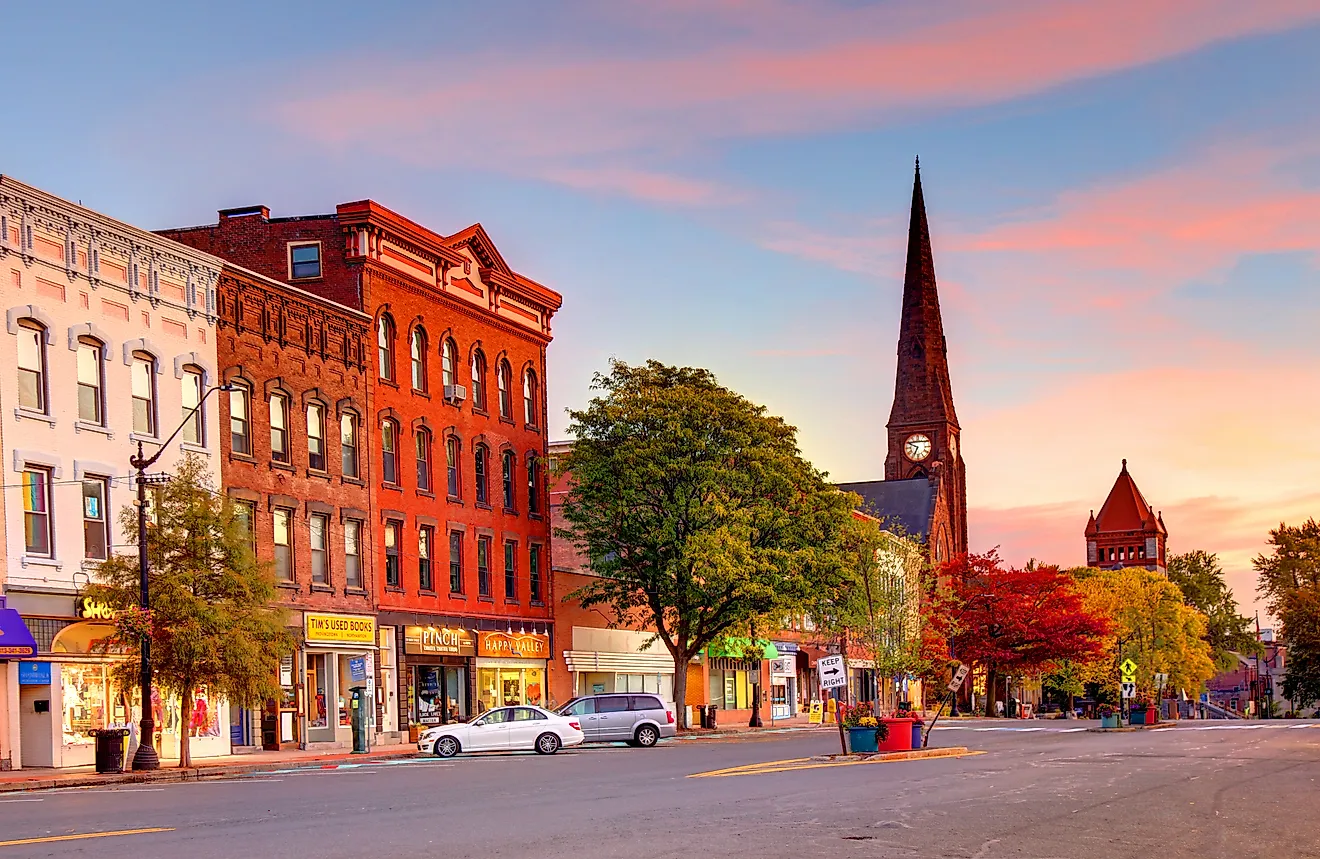
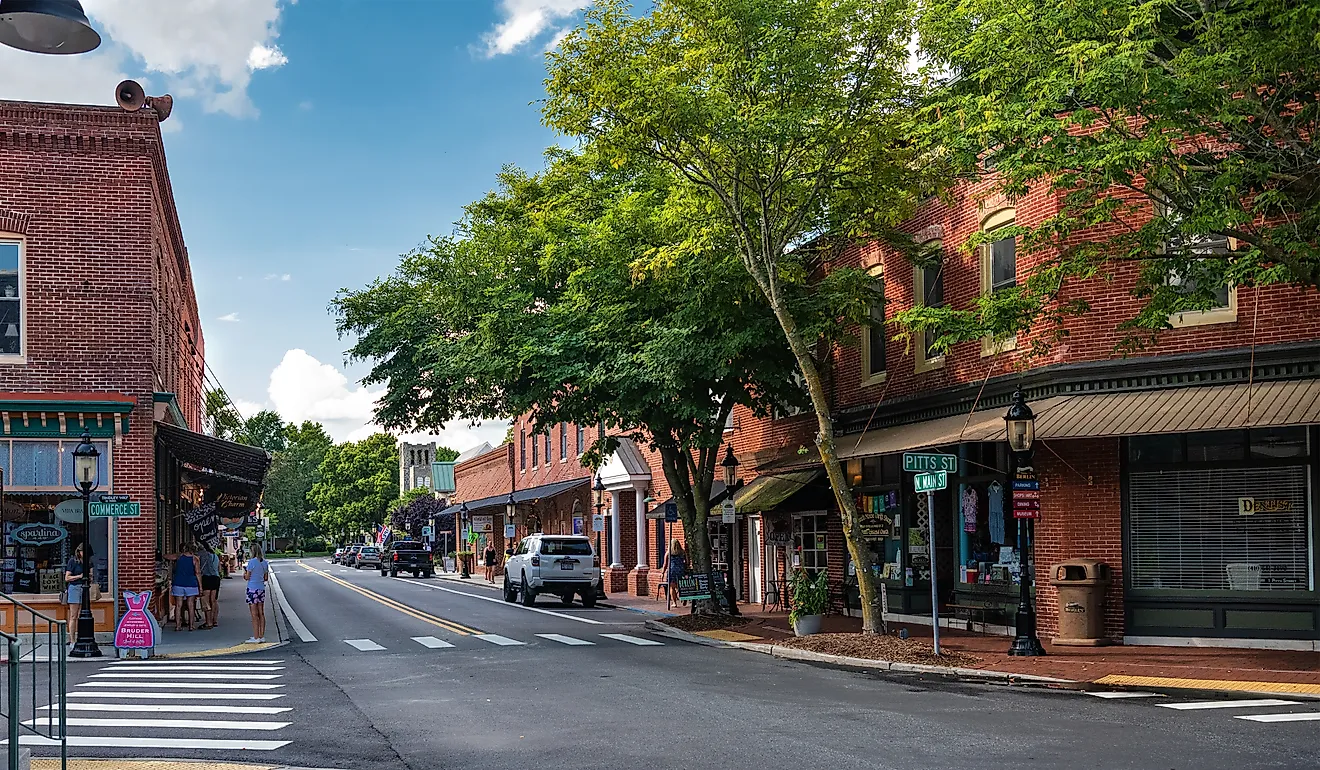
Long before modern development, however, people settled here along rivers, valleys, and trading routes, building towns that grew steadily instead of quickly. Many of those places kept their main streets, local businesses, and daily rhythms largely intact. In fact, they’re active towns where history blends into everyday life. Visiting towns like Jonesborough and Leiper's Fork is about slowing down and noticing how many places have remained true to their roots.
Jonesborough

Jonesborough is Tennessee’s oldest town, founded in 1779 and once the capital of the short-lived state of Franklin. Its walkable historic downtown features 18th- and 19th-century buildings, including The Chester Inn State Historic Site, where US president Andrew Jackson stayed. The town’s welcoming spirit runs deep, from the 1843 arrival of Jewish merchants Herman Cone and Jacob Adler to the civil rights legacy of the McKinney family.
Storytelling remains central to local life, beginning in 1973 and continuing today through the annual International Storytelling Festival each October. You can also explore frontier history at the Jonesborough-Washington County History Museum, then head outdoors to the nearby Boone Lake for fishing and picnics. If you’re interested in rail history, check out the Chuckey Railroad Depot Museum. This restored 1906 depot explains how the railroad changed daily life in Jonesborough. Exhibits include original tools, photographs, and stories of local rail workers.
Bell Buckle

Located in the heart of Tennessee, Bell Buckle is a tiny town with a name rooted in local legend. According to tradition, early settlers found a carving shaped like a cow bell and buckle on a tree near a creek, believed to be a warning from Native Americans about encroaching livestock. The creek became known as Bell Buckle Creek, and the town followed. Incorporated in 1856 after the railroad arrived, Bell Buckle grew into a busy shipping point and later settled into a close-knit village known for preserving its Victorian storefronts.
Today, Bell Buckle is famous for antique shops, craft galleries, and delicious meals at the Bell Buckle Café. When you visit, check out the Tennessee Valley Railroad Club, which showcases detailed model train layouts tied to the town’s rail history. Bell Buckle Park offers a walking trail, gazebo, and picnic space. The RC-MoonPie Festival brings games and music each June, and tourists often pair a stop here with a visit to Nearest Green Distillery nearby.
Leiper's Fork

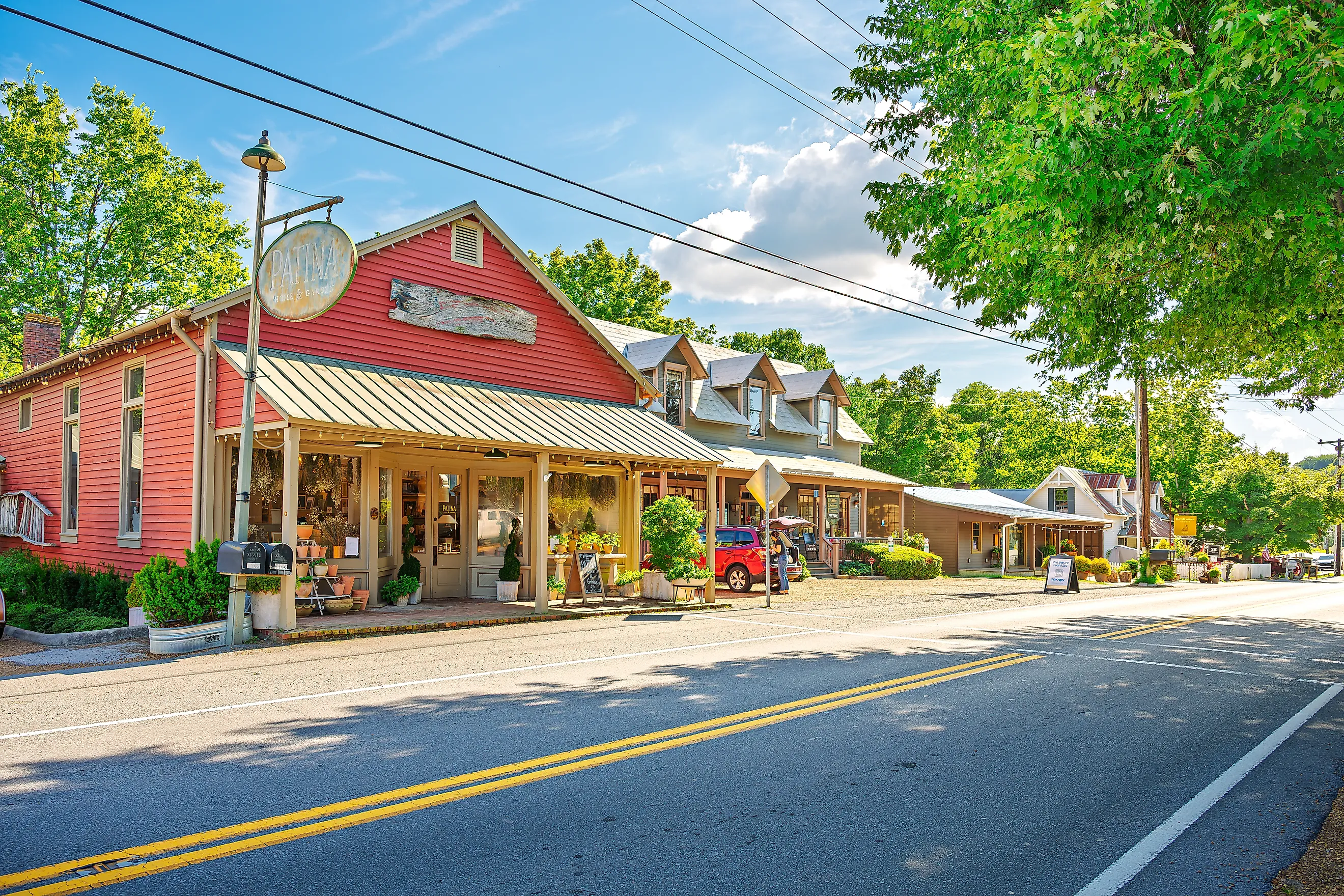
Leiper's Fork is a village of about 650 people with deep roots that go back thousands of years. It was first home to Cherokee, Chickasaw, Creek, and Shawnee tribes drawn by fertile land, fresh water, and hunting grounds. After the Revolutionary War, land grants brought new settlers, and the community slowly formed along the Natchez Trace, a long-used travel route.
Today, that history is still visible. The Leiper's Fork Welcome Cars sit at the edge of town as a quirky landmark built from vintage vehicles. Nearby, the Boyd Mill Ruins mark the remains of a 19th-century grain mill once central to local farming life. The Hillsboro-Leiper’s Fork Community Center hosts local events and meetings that keep the village connected. For food and music, Fox & Locke is a longtime gathering spot known for Southern meals and live performances by local musicians.
Granville

Granville is located along the Cumberland River that developed around steamboat trade in the 1830s, when nearly everything arrived by boat from Nashville. For close to a century, river traffic brought in merchandise and carried out tobacco and farm goods, making Granville a busy stop. Stores like Kelly’s served the community as an all-in-one marketplace, with a drugstore, barber shop, shoe section, and hardware all under one roof.
When steamboat travel declined and the Cordell Hull Dam flooded parts of the town in the 1960s, residents focused on preserving what remained. Today, you can explore pioneer cabins at the Sutton Homestead and view quilts, tools, and local artifacts at the Granville Museum. The Southern Shops of Granville features an antique store with regional finds, while Granville Veteran’s Park sits by the river in honor of local service members.
Rugby

Rugby is a historic village on Tennessee’s Cumberland Plateau with a population of about 85. Founded in 1880 by English writer Thomas Hughes, it was planned as a class-free farming community for younger sons of British gentry and named after his alma mater in England. The settlement peaked in the mid-1880s, with around 300 residents and more than 60 Victorian-era buildings. Today, many of those structures remain. You can walk through the Historic Rugby museum to learn about daily life in the colony and see preserved homes, churches, and community spaces.
Burnt Mill Bridge stands nearby as a reminder of the area’s early infrastructure and trade routes. The Gentleman’s Swimming Hole Trail leads to a natural pool that was once used by colonists for recreation and still draws visitors for picnics and quiet breaks. Rugby sits beside Big South Fork National River and Recreation Area’s rugged gorges and trails, blending local history with outdoor exploration.
Sewanee

Sewanee, with a population of about 3,000, grew alongside the University of the South. Founded in 1857 by Southern Episcopal bishops who envisioned a university rooted in their own region, construction paused during the Civil War; the university officially opened in 1868. The town’s name is commonly believed to derive from "Shawnee," referencing the Native American tribe historically associated with the broader region, though the exact origin is debated.
Set high on the Cumberland Plateau, Sewanee is surrounded by dense forests, wildlife, and long ridge views. Much of the town’s Gothic and Victorian architecture dates to the late 19th and early 20th centuries, shaped by university stewardship. Key landmarks sit within the university’s domain, including the Sewanee Memorial Cross, a 60-foot limestone monument reached by forest trails. Nearby, The Cross and Green’s View are popular overlooks for wide plateau sunsets. If you prefer hiking, Bridal Veils Falls, a 50-feet-tall waterfall, draws hikers with its rock ledges and shaded pools.
Tellico Plains

Tellico Plains, population around 762, sits along the Tellico River and traces its roots to the early 1800s on Cherokee land. What may be one of the oldest settlements in the region, the town lies just south of Madisonville and serves as a gateway to the lower Smoky Mountains and the Cherokee National Forest.
The Cherohala Skyway begins here, with the Cherohala Skyway Visitor Center offering maps, local history, and guidance for the drive toward Robbinsville, North Carolina. In town, the Charles Hall Museum, housed in a restored depot, documents Cherokee history and the area’s logging past. The river supports fly fishing and tubing, while nearby Bald River Falls is easily reached for photos and picnics. For a quiet stop, Trout Mountain Coffeehouse & Inn combines lodging with locally roasted coffee near the water.
Wartrace

Wartrace began in the 1850s as a stop on the Nashville and Chattanooga Railroad and later became known as the Cradle of the Tennessee Walking Horse. The town’s name traces back to a local legend that Andrew Jackson carved the words “this is War Trail Creek” on a beech tree nearby, linking it to Native American war-path routes.
Today, Wartrace is closely tied to the Tennessee Walking Horse. Check out the Tennessee Walking Horse National Museum which documents the breed’s development and honors Strolling Jim, the first National Grand Champion in 1939. If you’re into history, the Beechwood Plantation Historic Marker highlights early settlement and agricultural history tied to the area.
Much of town life centers on the Wartrace Historic District, with about 140 buildings listed on the National Register of Historic Places, including the old depot and the Walking Horse Haunted Hotel. Community events run year-round, from July Fourth celebrations to outdoor music nights.
Greeneville

Greeneville, founded in 1783 on a 300-acre tract of land owned by Robert Kerr near Big Spring, is widely cited as Tennessee’s second-oldest town and once served as the capital of the short-lived (and unrecognized) state of Franklin. Named for Revolutionary War general Nathanael Greene, the town reflects early Scots-Irish settlement and deep Civil War history, including its strong Unionist leanings.
You can explore the Andrew Johnson National Historic Site, which includes the 17th president’s tailor shop, home, visitor center, and burial site. The Doak House Museum, built in the late 1700s, displays artifacts tied to frontier life and the town’s early leaders. For something unexpected, the City Garage Car Museum houses a private collection of vintage and classic automobiles. Downtown, The Burlap Bunny/Antiques and Custom Design Center mixes antiques, handmade décor, and local crafts, giving a clear sense of the town’s everyday character and long history.
Rogersville

Rogersville is one of Tennessee’s oldest towns, founded in 1775 by Joseph Rogers and later settled by the grandparents of Davy Crockett. Once part of the Wilderness Road, the town grew as a key stop on a stage route linking Atlanta and Washington, DC, with branches toward Kentucky and the Cumberland settlements. Its downtown Historic District, listed on the National Register of Historic Places, is known for brick sidewalks, period street lighting, and Federal-style buildings that have remained largely unchanged since 1789.
You can check out the Tennessee Newspaper and Printing Museum which highlights early American journalism and printing tools. The Hale Springs Inn, formerly McKinney’s Tavern, is where Andrew Jackson once stayed. Just a walk away, you’ll find the Roger’s Tavern, a house built in 1786, which reflects the town’s role as a travel hub. The Swift Museum adds local context through 80 years’ worth of regional artifacts and history.
Tennessee’s timeless towns show how history can remain part of daily life. From river ports and railroad stops to farming villages and planned communities, each town reflects a specific chapter of the state’s past. What connects them is not nostalgia, but continuity. Buildings are still used, traditions still practiced, and community life still centered around familiar places. Together, these towns prove that some places stand the test of time.