7 Great Lakes Towns Where Time Stands Still
The Great Lakes have shaped Indigenous nations and drawn explorers and settlers for centuries. Along their shores, small towns grew into strategic harbors, shipbuilding hubs, and gateways to the interior.
Some, like Sackets Harbor, New York, and Niagara-on-the-Lake, Ontario, played pivotal roles during the War of 1812, when control of the lakes meant control of supply lines and territory. Others later reinvented themselves through art colonies, standout architecture, and quirky local traditions, sometimes even on car-free islands!
From Indiana and Michigan to Ontario, these waterfront towns offer a rare mix of scenery and story. The water keeps moving, but in many of these Great Lakes towns, the past still feels close.
Sackets Harbor, New York

This Lake Ontario town was founded by Augustus Sackett in 1801, who had dreams of establishing a trade network with Canada, as Sackets Harbor was one of the few natural harbors on the lake. The British attacked the harbor during the War of 1812, but the Americans held their ground and drove the British back. Following this, Sackets Harbor would serve as both a strategic military port and a summer destination for travelers across the Great Lakes.
Visitors can see the site of the battle at the Sackets Harbor Battlefield State Historic Site, or take a boat out onto Lake Ontario at Westcott Beach State Park. Artists from across the Great Lakes descend on Sackets Harbor for its Spring Art Show and Fall Art Show, put on by the Arts Association of Northern New York.
South Haven, Michigan

The Ottawa, Miami, and Pottawattamie Indians called this land Ni-Ko-Nong, meaning beautiful sunsets. Pioneers came to this Lake Michigan harbor in 1833 seeking not just its sunsets but also its potential for industry. Over time, sawmills became a prime industry in South Haven, followed by fruit farming, and tourism through its beaches, opera house, and fresh fruit. The town is the Blueberry Capital of the World for its farms, such as DeGrandchamp Farms.
Every year in August, South Haven hosts the National Blueberry Festival with around 300 growers in attendance. South Haven was also the home of horticulturist Liberty Hyde Bailey. His 1½-story Greek Revival home is preserved as the Liberty Hyde Bailey Museum & Gardens, located in his birthplace farmhouse. To see those beautiful sunsets on Lake Michigan, make your way to the Deerlick Creek Beach or Dyckman Beach.
Niagara-on-the-Lake, Ontario

Niagara-on-the-Lake was first founded in 1781 as a British military base on Lake Ontario, and it would serve as a haven for British loyalists fleeing America following the American Revolution. From 1792 to 1796, the town was the first capital of the Province of Upper Canada. During the War of 1812, Americans briefly captured the town and Fort George. This historic fort was reconstructed in 1930 and maintains barracks, blockhouses, and artifacts of Canada's role in the war.
This Canadian town was key in the early journalism industry, with the oldest wooden press in the country housed within the Mackenzie Printery & Newspaper Museum. For a beach day on Lake Ontario, there is the Queen's Royal Park right in town and Lakeside Park Beach, located in nearby St. Catharines. To see Lake Erie, go out to Nickel Beach in nearby Port Colborne.
Mackinac Island, Michigan

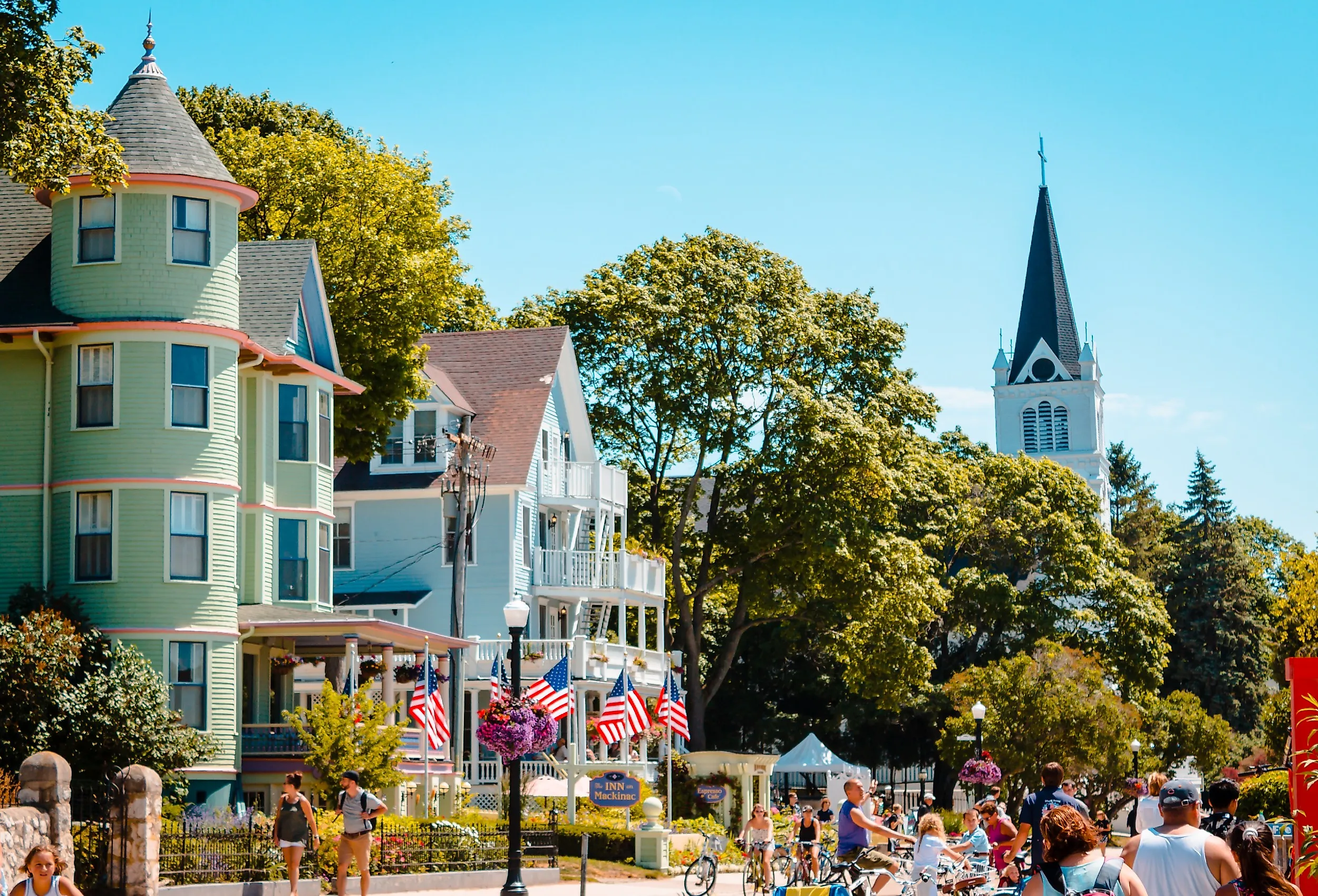
Sitting on Lake Huron, Mackinac Island has a longer history than most Michigan towns, as it was first settled by the French in the 1670s as a fur trading center. The British later laid claim to it in the French and Indian War, followed by the Americans. The island was the site of two battles during the War of 1812 between the Americans and Britain. Mackinac Island maintains a historic vibe by not allowing any cars within its borders. To explore it, go on foot, by bike, or in a horse-drawn carriage.
Visit the grounds of Fort Mackinac, which was fought over between the British and Americans, or see classic carriages at the Grand Hotel Stable & Carriage Museum. One of the best landscapes on the island is the limestone Arch Rock within Mackinac Island State Park.
Porter, Indiana

This Lake Michigan town began when the French-Canadian fur trader Joseph Bailly arrived here with his family in 1822. Over time, this tiny community grew into a coal and lumber business center, and then into a destination for those looking to explore the landscapes carved by Lake Michigan. Porter, Indiana, preserves the natural history of Lake Michigan at the beautiful Indiana Dunes National Park. These dunes were part of the Lake Michigan shoreline before it receded, leaving behind sand dunes, marshes, and other landscapes.
Hikers challenge themselves to ascend these dunes on trails like the Calumet Dunes Trail, but history buffs also have a lot to see in this park. It contains the quirky 1933 Chicago World's Fair Century of Progress Homes, designed to be futuristic at the time. One of the homes is the Cypress Log Cabin, designed to look like a log cabin with modern facilities, and another is the Florida Tropical House, a bright pink home with a railing overlooking the lake. To get out onto its waters, head to Porter Beach.
Grand Marais, Minnesota

Named Big Marsh by the French in the 1700s, Grand Marais remained a quiet note on the map of Lake Superior until the 1860s to 1880s, with the onset of the railroad and lumber industry. The industry went belly up in 1911, leaving behind many intriguing landmarks, such as the ghost town of Chippewa City, with the 1895 Chippewa City Church the only site remaining. Its old role as a port on Lake Superior is preserved at the History Museum within a 1896 lightkeeper's house.
The town also keeps the past alive through the oldest art colony in Minnesota: the Grand Marais Art Colony, which was founded in 1947. The colony offers classes on ceramics, still life, Zentangle Patterns, and more.
Winthrop Harbor, Illinois

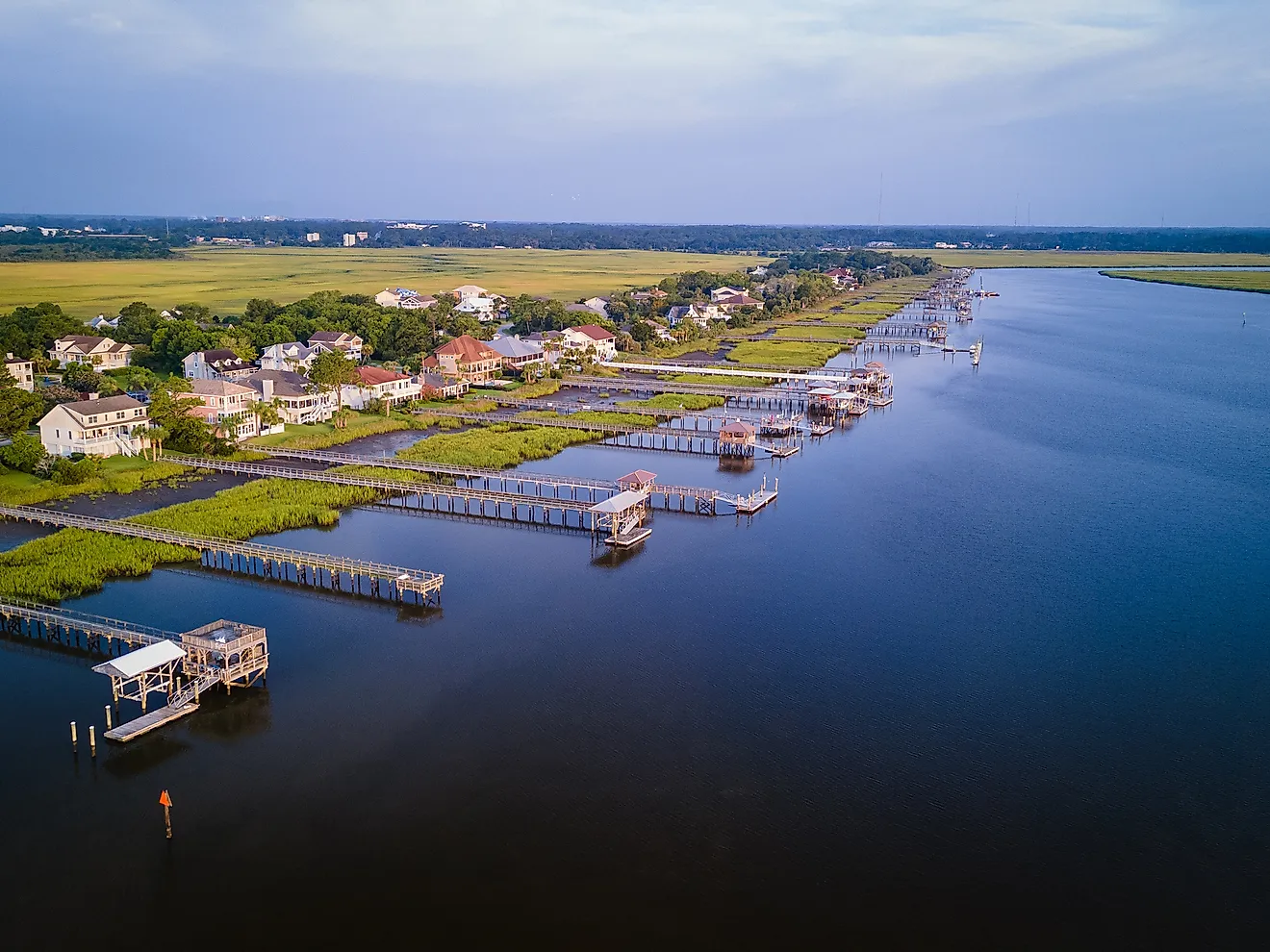
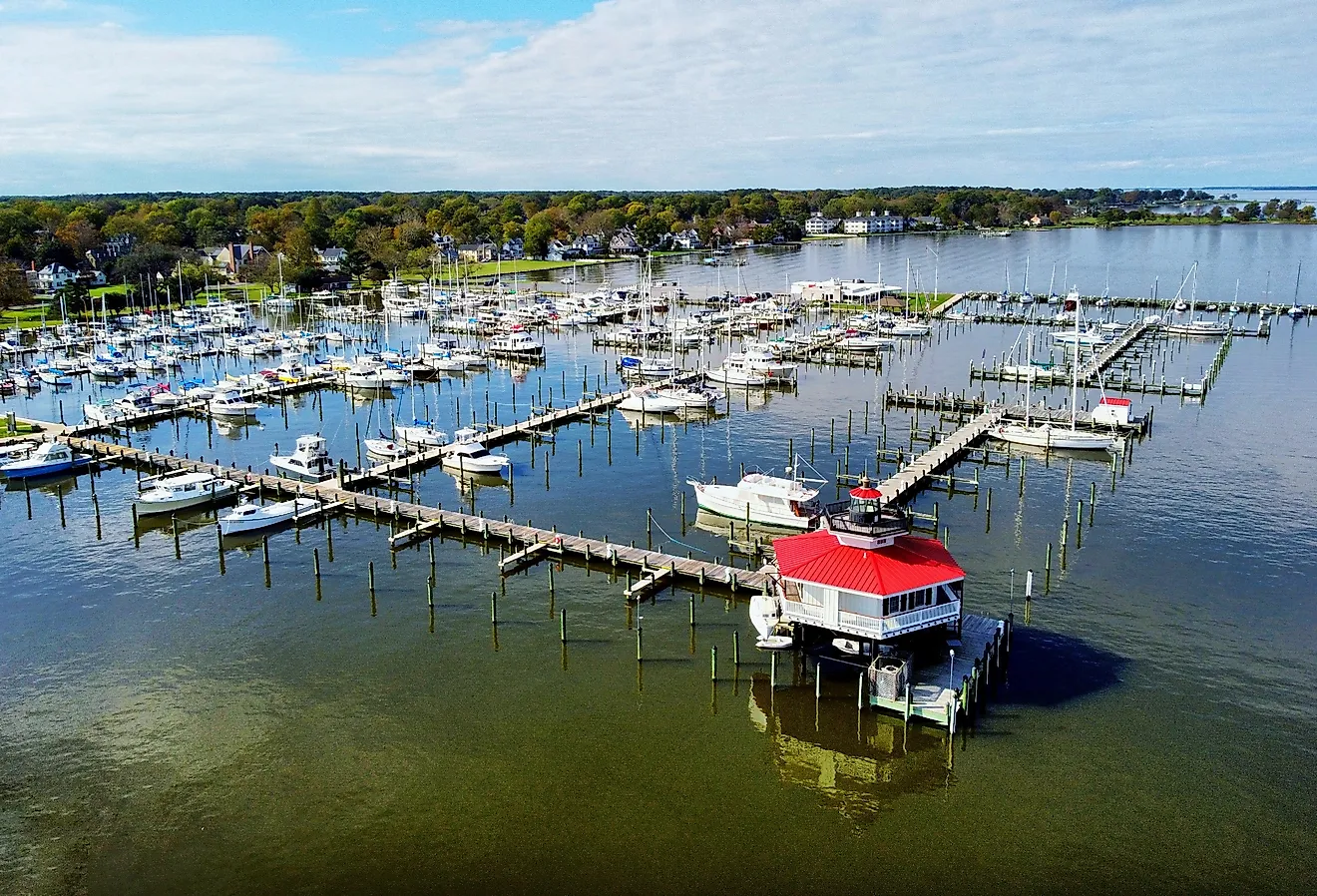
Winthrop Harbor was first settled in the 1860s and was originally intended to be an industrial town, but these plans never came to fruition. As a result, it maintained a village vibe into the modern day, even though it is only a short distance away from Chicago. In 1989, the harbor was transformed by the construction of North Point Marina, the largest freshwater marina in the United States. The oldest home in Winthrop Harbor is still standing: the Henry I. Paddock House. Built in 1860 in the Italianate style, it is noteworthy for its front-facing gable, arched windows, and stained glass transoms right above its doors. Right next to Winthrop Harbor is the Illinois Beach State Park, featuring the only beach ridge in Illinois.
History, Art, and Beautiful Beaches
These historic Great Lakes towns display much of America's stories: both beautiful and ugly. The scars of the War of 1812 can be felt on both sides in Canada and the US. Beauty can also be seen everywhere, from the art colony of Grand Marais to the towering dunes of Porter and the classy horse-drawn carriages of Mackinac Island. Travel to these towns, and experience these stories, both ugly and beautiful, firsthand.