10 Oldest Founded Small Towns to Visit in Upstate New York
Some of these towns were already a century old when the Declaration of Independence was signed. Dutch traders founded Kingston in 1652. Near Coxsackie, a Swedish farmer's stone house has stood since 1663. Kinderhook, chartered in 1687, later gave the country its eighth president. Cooperstown came last, in 1786, decades before anyone tied it to baseball. Much of what those founders built is still standing.
Kingston

Kingston is where New York started governing itself. Dutch settlers arrived in 1652. In 1777 the new state made it the first capital. That run ended the same October, when British troops sailed up the Hudson and burned the town. The Stockade District survived. It is a walkable grid of pre-Revolutionary stone houses that locals still live in. At its center is the Senate House, a 1676 Dutch dwelling where the first state senate met.
There is more here than old walls. The Old Dutch Church traces its congregation to 1659. Its churchyard holds George Clinton, the first governor of New York and later a vice president under two presidents. The Ulster Performing Arts Center has been staging shows since 1927. The uptown streets are older than most of the country.
Coxsackie

Coxsackie has the oldest house in Upstate New York. The story behind it beats the building. Pieter Bronck was a Swedish former sailor. He and his Dutch wife Hilletje crossed the Atlantic in the 1650s. They first settled near present-day Albany and operated a tavern. In 1663 they moved south and built a small stone house at the base of Kalkberg Ridge. That one room is still the oldest surviving home in the region.
The house is the center of the Bronck Museum. Its connected buildings span more than a century of one family's life. The north wing opens Wednesday through Sunday, with free admission during an ongoing renovation. Down by the water, Riverside Park has benches and Hudson River views. The Little Bake Shop on Mansion Street sells coffee and almond coffee cake.
Oswego

Oswego began as a frontier trading hub. British traders set up a post on Lake Ontario in the 1720s to swap goods with Native nations. The post grew into a run of forts. The last one, Fort Ontario, still stands, and you can walk through it. It changed hands between the British, French, and Americans more than once. During World War II it sheltered nearly a thousand Jewish refugees, the only such camp in the country.
The waterfront is the center of town now. The West Pierhead Lighthouse went up in 1934 and still marks the harbor mouth. The H. Lee White Maritime Museum holds historic vessels, including an Army tugboat that saw action on D-Day. The Children's Museum of Oswego can occupy kids for a good chunk of the afternoon.
Kinderhook

Kinderhook was chartered in 1687. That makes it one of the older towns in the upper Hudson Valley. Most people know it for one resident. Martin Van Buren, the eighth US president, was born here in 1782. He came home to Kinderhook after the White House. His estate, Lindenwald, is a National Historic Site, with grounds open daily until dusk.
The whole village landed on the National Register of Historic Places in 1974. The colonial bones are protected. The newest surprise is The School. A major art dealer converted a 1916 schoolhouse into a large contemporary art gallery. It is one of the biggest in Columbia County.
Germantown

Germantown owes its name to a wave of refugees. In 1710, thousands of Palatine Germans fled war and hunger in southwestern Germany. They arrived in New York in one of the largest single migrations of the colonial era. Many were settled along this stretch of the Hudson to make naval supplies for the British crown. The tar-and-pitch scheme flopped. The families stayed, farmed the land, and gave the town the name it still carries.
Old stone houses still line the back roads. Central House on Main Street dates to 1876. Over the years it has been a hotel, a restaurant, and a rumored speakeasy. Ernest R. Lasher Memorial Park has Hudson River views, with the occasional Amtrak train rumbling past. Valley Harvest Ice Cream & Grill handles lunch.
Saugerties

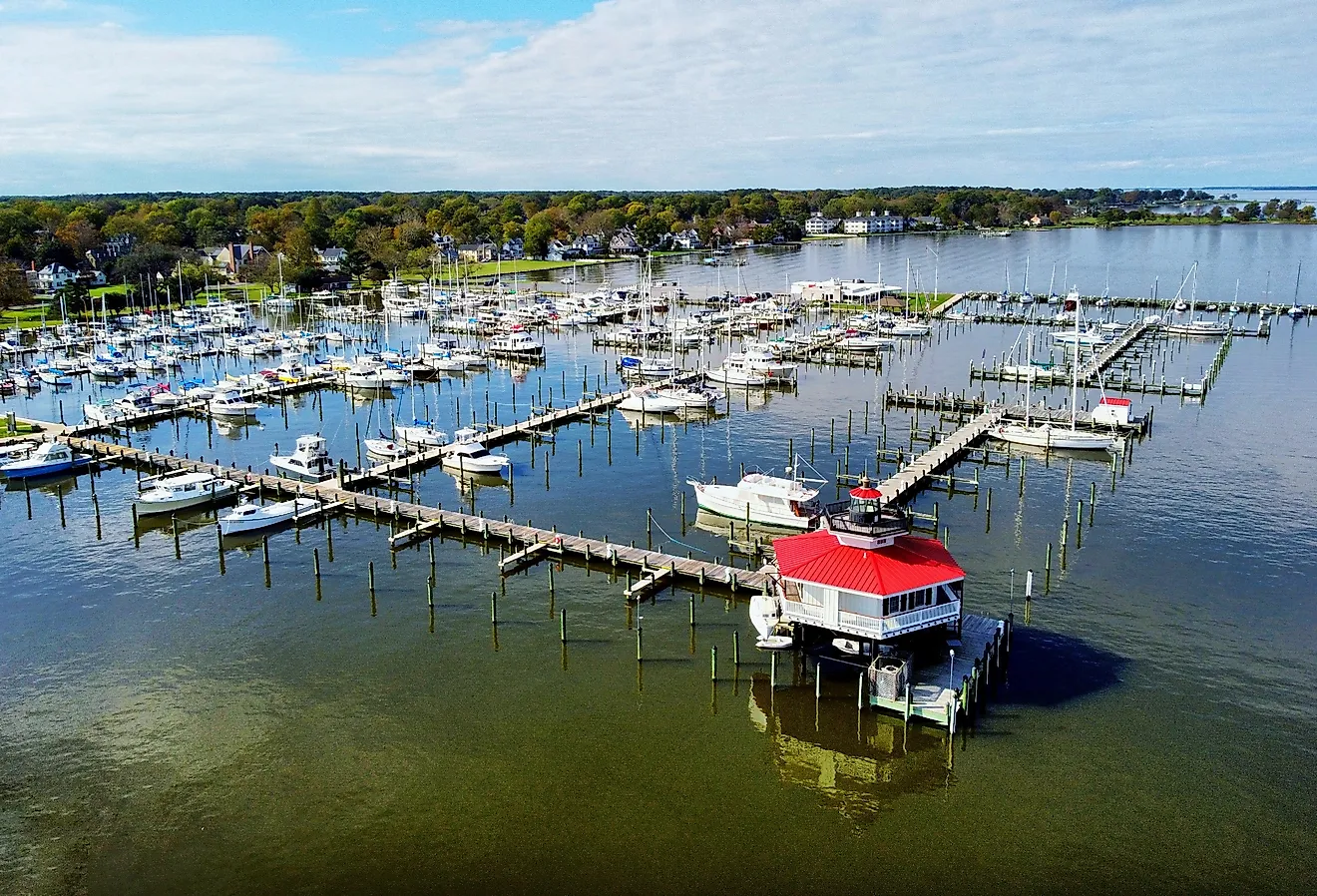
Saugerties had European settlers by the 1730s, well before the Revolution. The downtown is lined with Victorian storefronts, shoulder to shoulder. The best part is out on the water. The Saugerties Lighthouse went up in 1869, just after the Civil War. After decades of neglect it was rescued. It now works as a museum and a two-room bed and breakfast. You can book a night there.
Getting there is part of it. A half-mile trail leads out, and it floods at high tide, so check the schedule first. Back in the village, the Orpheum has been a theater since 1908. The Esopus Bend Nature Preserve has riverside trails gentle enough for almost anyone.
Salem

Salem dates to 1761. It still feels like working farm country, known for maple syrup, sweet corn, and fall foliage. It belongs to Washington County, which has more covered bridges than any other county in the state. Three of them cross the Battenkill near town. One is the Rexleigh Covered Bridge.
The Rexleigh bridge went up in 1874. It is one of only three Howe truss covered bridges left in New York. It also has a feature no other covered bridge in the country shares, cast iron shoes fitted into the timber joints. In the village, the Fort Salem Theater goes back to a 1774 building. That building was a church, then a fort, before someone turned the altar end into a stage. It now hosts summer stock.
Johnstown

Johnstown owes its existence to one man. William Johnson was an Irish immigrant who learned the Mohawk language and customs. He became the British crown's superintendent of Indian affairs. He founded the town in 1762 and named it for his son John. By the time he died, Johnson had amassed about 400,000 acres. That made him one of the largest landowners in British America. The Mohawk knew him by a name that translated to "he who does much business."
The house he built in 1763 survives as the Johnson Hall State Historic Site. The Georgian mansion once served as the center of British-Indian diplomacy in the colonies. A few blocks away, the Fulton County Courthouse has been hearing cases since 1772. That makes it the oldest active courthouse in the state.
Hudson

Hudson has one of the oldest downtowns in the valley. Its origin is strange. In 1783, a group of Nantucket and Rhode Island whaling families, most of them Quakers, sailed their whole operation up the river. They rebuilt their port town more than 100 miles from the ocean. They named it for the explorer Henry Hudson. It became one of the busiest seaports in the young country, all of it inland.
Warren Street is the main strip. It is lined with galleries and restaurants that wear their old facades, even where the insides went fully modern. Just outside town is the Olana State Historic Site, the hilltop home of painter Frederic Church. The views from his porch are the same ones he painted. On the water, the Hudson-Athens Lighthouse marks the channel from the middle of the river. The FASNY Museum of Firefighting holds a deep collection of antique fire engines.
Cooperstown

Cooperstown is tied to baseball, even though the story that Abner Doubleday invented the game here was debunked long ago. The town's age holds up better. William Cooper was a sharp Quaker storekeeper and the father of novelist James Fenimore Cooper. He founded the village in 1786, on the southern tip of Otsego Lake.
Fenimore Farm & Country Village is the living-history museum that went by The Farmers' Museum until 2024. Blacksmiths and printers still work the old trades there. Otsego Lake lies just north. Cooper renamed it "Glimmerglass" in his Leatherstocking novels, and Glimmerglass State Park lines its far shore. Even without the Hall of Fame, the town's history would stand on its own.
History You Can Walk Right Into
In these towns the past is not behind glass. Salem still has an 1874 covered bridge people drive across. Saugerties has a lighthouse from just after the Civil War. A Johnstown courthouse has heard cases since 1772. Oswego sheltered nearly a thousand wartime refugees in a fort older than the country. Hudson still wears the bones of a whaling boom it built more than 100 miles inland. None of it is far from home.