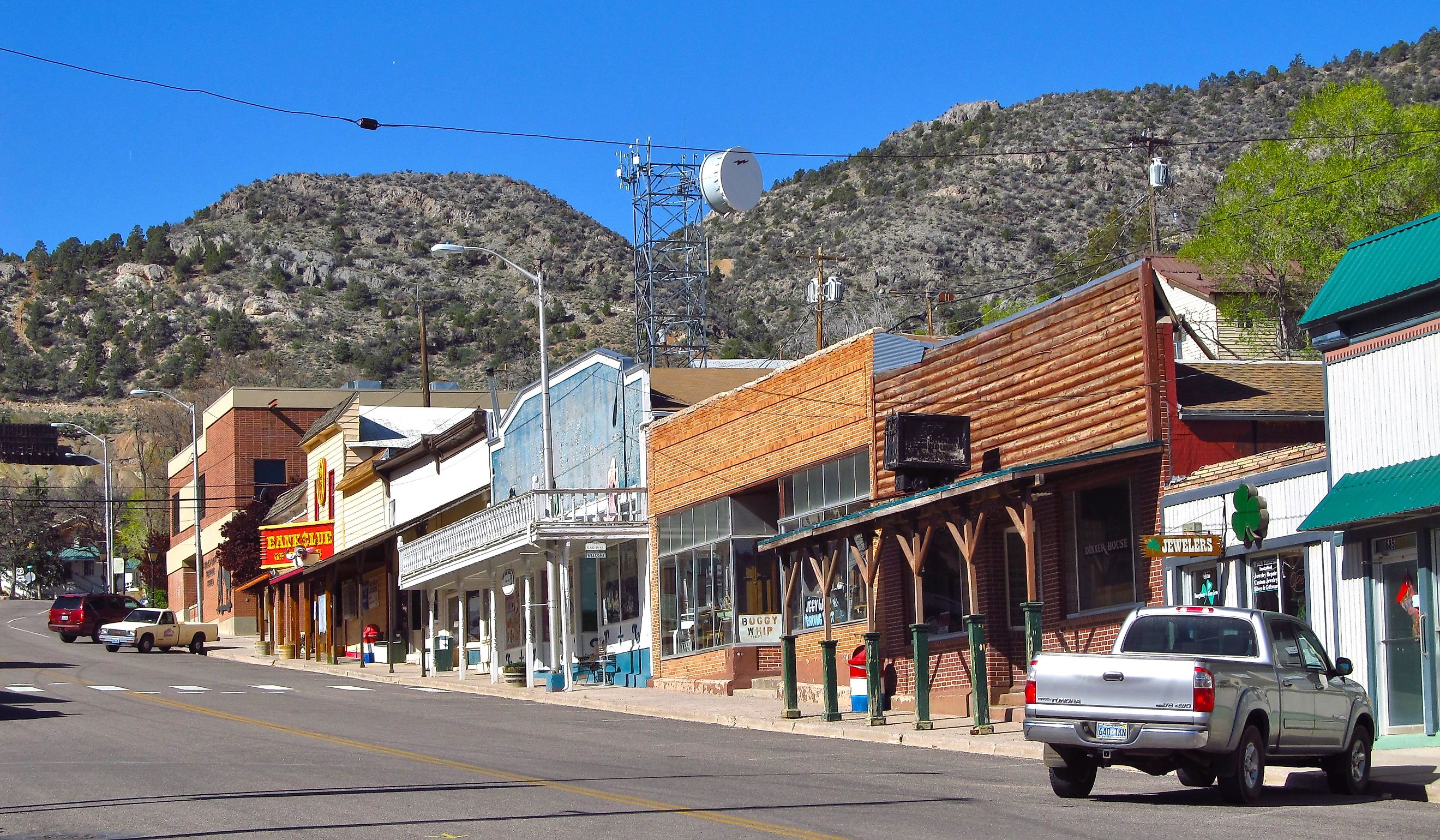
10 Off-The-Beaten-Path Towns In Nevada
The Milky Way pours across Tonopah's sky on a moonless night like nothing you will see near a city. Nevada keeps its best parts off the highway and out past the neon. Old mining towns like Goldfield still stand half-empty and fully fascinating. Beehive-shaped charcoal ovens rise from the foothills outside Ely. The desert here sets its own pace, and history was never staged for tourists, give or take a winery.
Ely

Ely sits in the high desert of eastern Nevada. It is a railroad town that still carries the grit of its working past. The Nevada Northern Railway Museum is more than just a display. It is a living operation, with century-old steam engines that still run through the sagebrush. Get your ticket to ride one of its trains!
A few miles south, the beehive-shaped Ward Charcoal Ovens State Historic Park is named for the charcoal ovens that rise from the foothills like ancient sentinels. If you head into the Schell Creek Range, you'll find high-altitude lakes and dusty trails that feel worlds away from the desert floor. Plenty of photo opportunities await you.
Tonopah

Farther southwest, Tonopah stands at the crossroads of mining history and cosmic wonder. The Mizpah Hotel, once the tallest building in Nevada, still watches over Main Street with its confident brick frontage. Stay in one of its beautifully restored rooms and enjoy a hearty meal in the Jack Dempsey Room or perhaps try lighter, classic fare in the Pittman Cafe.

The Tonopah Historic Mining Park sprawls across the hillside. It offers a close look at the industry that built the town. The best part, though, comes after sunset. Tonopah's night skies are some of the darkest in the country, and on a moonless night, the Milky Way spills across the sky like a river of icy flames.
Pioche

If you want a taste of Nevada's wilder past, Pioche delivers. In the 1870s, it was one of the most dangerous towns in the West, with gunslinging being a common pastime. Today it's quiet, but the stories linger. Boot Hill Cemetery sits on a slope above town, its wooden markers leaning into the wind.

The Million Dollar Courthouse, built with money the county didn't actually have, still stands as a monument to ambition and debt. Down the road, Cathedral Gorge State Park offers a different kind of drama. The park has narrow canyons carved into soft bentonite clay, with spires glowing reddish gold in the afternoon sun.
Caliente

Caliente is located in southeastern Nevada and is named for the natural hot springs that surround it. The mission-style railroad depot is the town's centerpiece. It is a creamy stucco landmark that looks like it belongs in Southern California.

Rainbow Canyon, just south of town, is truly a photographer's dream, with sheer cliffs, cottonwoods, and trains that snake through the valley. Its remoteness keeps it quiet. Kershaw-Ryan State Park adds a splash of green to the desert, with gardens, trails, and a natural spring. There is also a seasonal children's wading pool.
Boulder City

Closer to the Colorado River, Boulder City feels almost like a rebel against the rest of Nevada. Gambling is banned here, a holdover from its origins as a planned community for Hoover Dam workers. The result is a town with a slower pace, tree-lined streets, vintage storefronts, and cafés that invite you to linger a bit longer. The Dam Roast House is perfect for sipping coffee and relaxing.

Hoover Dam is the obvious draw, but Lake Mead's coves and trails offer quieter escapes. This is a place where you can spend the afternoon watching desert bighorn sheep graze.
Winnemucca

In the north, straddling the Humboldt River, Winnemucca blends Basque heritage with the wide-open desert. Family-style Basque restaurants, such as Ormachea's, serve hearty meals that feel like they belong in another century.
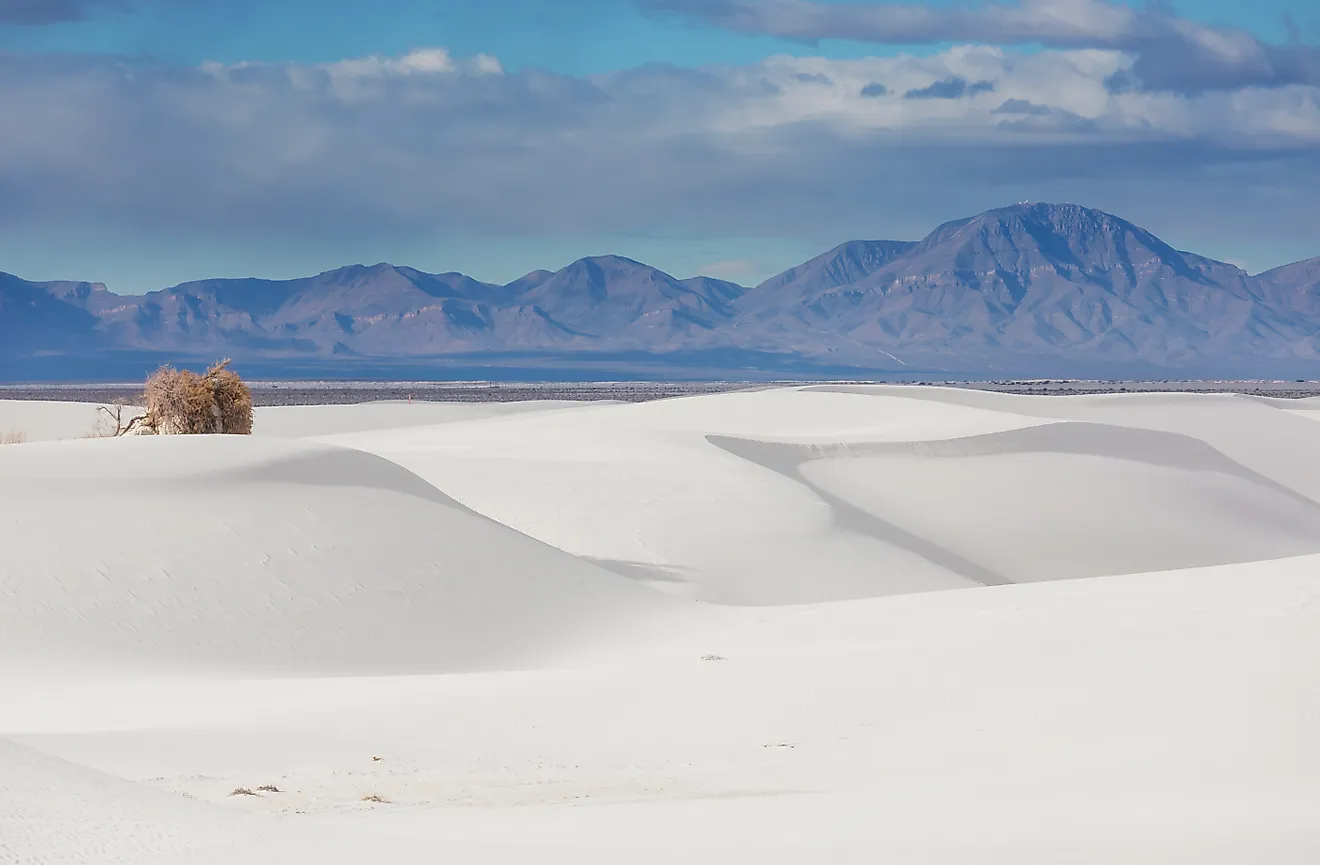
The Winnemucca Sand Dunes stretch for miles, shifting with every gust of wind. The main dunes sit around 4,400 feet in elevation. The Santa Rosa Mountain Range rises to the north, with rugged trails and high views that explain why Nevada is one of the most mountainous states in the country.
Austin

Austin is perched along Highway 50. This is called the Loneliest Road in America, which follows the Pony Express route. It is a mountain town with a frontier soul. Stokes Castle, a three-story stone tower built in the 1890s, stands proudly on a hill overlooking the valley.
Toquima Cave, with its ancient pictographs, adds a deeper layer of history. The Toiyabe Range, one of the longest mountain ranges in Nevada, rises sharply behind town. Arc Dome, its high point, reaches over 11,700 feet. Here, the air feels thinner, cleaner, and touched by the scent of pine.
Goldfield

A little farther south, Goldfield is a 'living ghost town' that still has well-preserved original buildings. Once the largest city in Nevada, it now feels like a place caught in time between eras. The Goldfield Hotel, which closed shortly after World War II, looms over the deserted streets; its windows are dark and watchful.

Then there is the International Car Forest, an art installation of cars planted upright in the desert, adding a surreal twist. Walk around long enough, and you will find crumbling brick buildings, as well as the Paste Eater's Grave. Rusted mining equipment waits at the Goldfield Historic Equipment Park.
Hawthorne

Hawthorne sits near the southern edge of Walker Lake, a quiet desert town with deep military history. The Hawthorne Ordnance Museum tells the story of the massive ammunition depot that shaped the community. You can even climb into an M47 Patton tank at the museum.

The real beauty lies outside town, where Walker Lake reflects the mountains in still, blue water. Picnicking, birdwatching, hiking, and boating are a few of the activities to be enjoyed here. This is one of Nevada's last remaining natural lakes, and its solitude is part of the appeal.
Pahrump

Finally, Pahrump sits in a broad desert basin near the California border. It's a gateway to Death Valley, but it has its own offbeat personality. Pahrump has several wineries, like the Charleston Peak Winery, and even a meadery known as Stonewise Mead & Cider.

There is the Pahrump Valley Museum, open Tuesday through Saturday, which traces the valley's human history under skies that turn almost theatrical at night. About a half hour away is Amargosa, where the dunes will capture your attention and feed your off-roading habit. The desert here is wide and open, the kind of place where you can hear your own thoughts.
Where The Desert Still Sets The Terms
These towns don't compete with the glitz and neon, and they don't try to. They trade it for something deeper: an old mining museum in Goldfield, a lake park outside Hawthorne, a sidewalk café in Boulder City, a winery or meadery in Pahrump. This is a chance to see Nevada as a living landscape rather than a backdrop. Out here, the desert breathes, and if you give it time, it will speak to you.