11 Most Peaceful Small Towns In Oregon
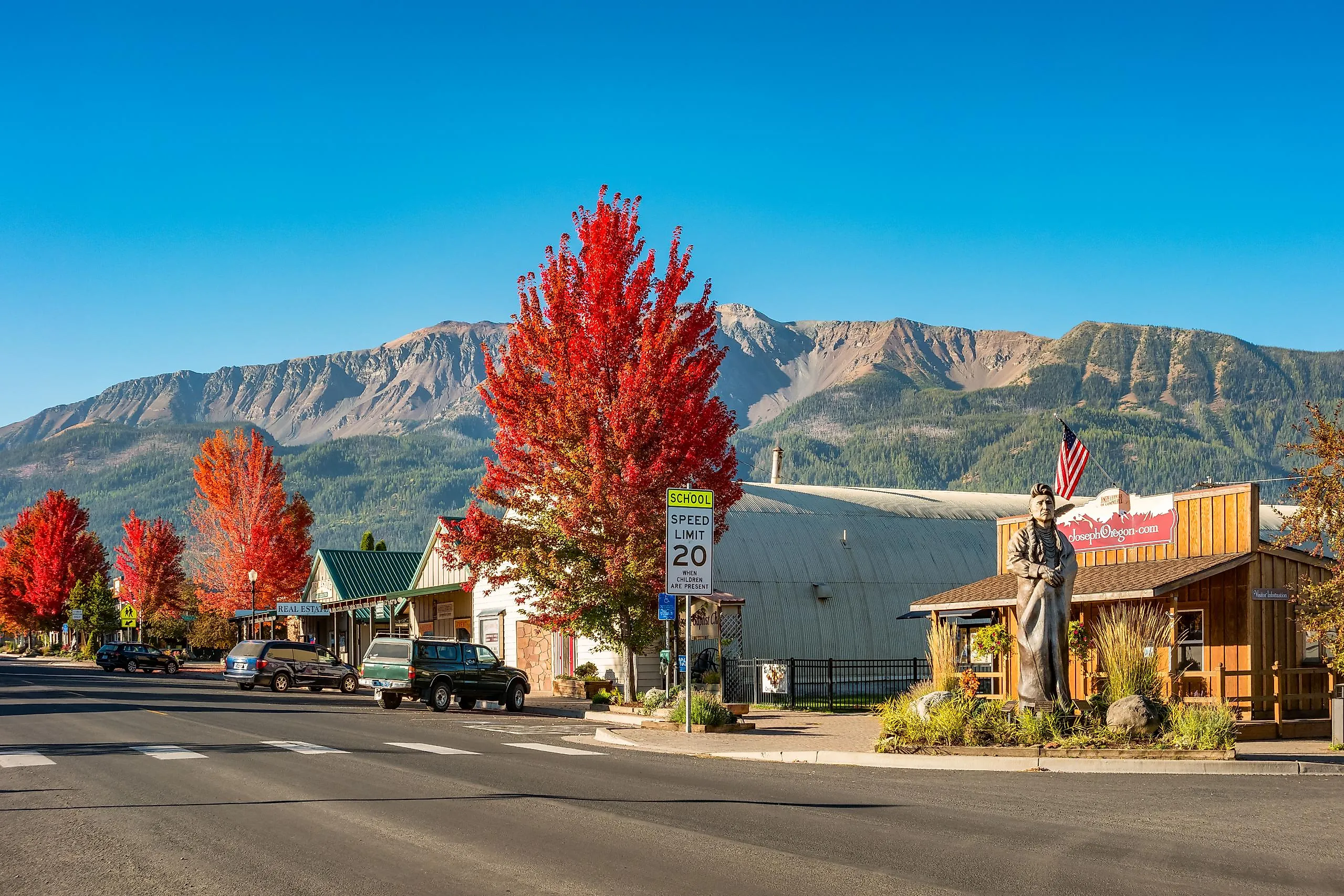
Joseph is the last stop on Oregon Route 82, away from heavy traffic and crowds. Quiet places like it are scattered across Oregon, in the high desert, along wooded creeks, and throughout the Willamette Valley. Surrounded by mountains and forests, many of these small towns have historic, walkable streets with local art and little traffic. Nearby trails and lakes are peaceful places to get away from the noise.
Baker City

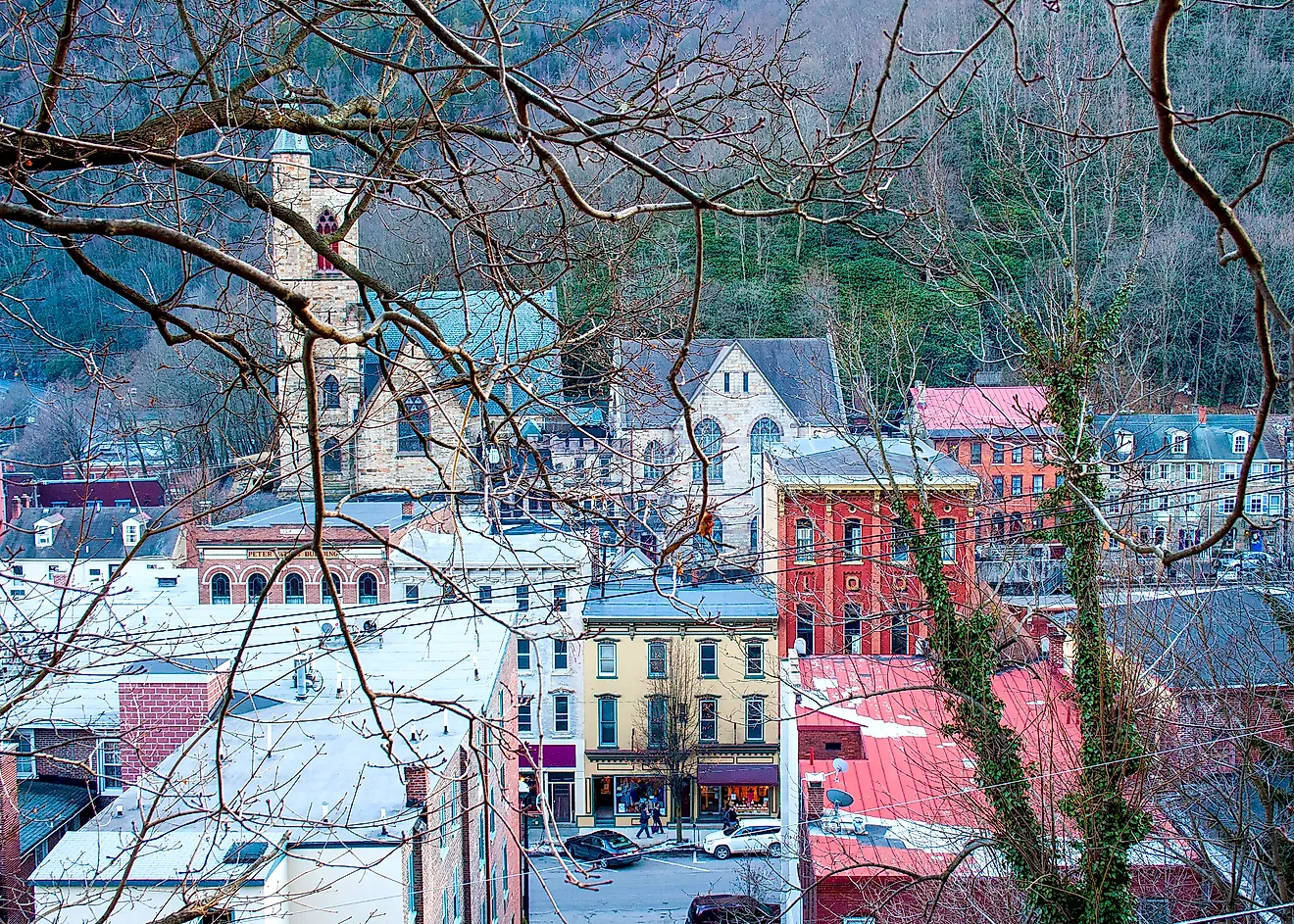
Baker City's downtown has more than 100 historic buildings, many dating to the gold-mining boom of the late 1800s. The 1889 Geiser Grand Hotel stands among rows of brick and stone storefronts that now house galleries, restaurants, and independent shops. Main Street has wide sidewalks, marked crosswalks, and relatively slow traffic, making it possible to walk through the historic district without the congestion of a larger city.
Located in northeastern Oregon at an elevation of 3,440 feet, the city has views of the Elkhorn Mountains on the west and the Wallowa Mountains on the east. Sagebrush hills and the Powder River surround the town, built along the Oregon Trail during the Gold Rush. Open ranchland and mountain passes along the Elkhorn Scenic Byway begin a few minutes from downtown, so quiet country is never far from the city's streets.
Vernonia

The historic logging town of Vernonia, on the Nehalem River in the Oregon Coast Range, is surrounded by Douglas fir forests. A mile from downtown, the still water of the 42-acre Vernonia Lake gives locals a calm place to walk or fish.
The town marks time by the natural world. Each October, wild salmon return to spawn in Rock Creek beside Hawkins Park, and the town marks their arrival with its Salmon Festival. The Vernonia Linear Trail connects to the shaded Banks-Vernonia State Trail, a car-free route into the surrounding forest.
Yachats

Yachats is a quiet, coastal town on the Central Oregon Coast between the Pacific Ocean and the Siuslaw National Forest, where the sound of the surf carries through town. A couple miles south, the trails at Cape Perpetua Scenic Area follow the sound of crashing waves. The headland towers 800 feet over the ocean, the highest viewpoint reachable by car on the Oregon Coast.
Much of the town's quiet comes from slow, unhurried pastimes. Coastal birds gather around Yachats State Park, the wetlands, Cape Perpetua, and the 804 Trail. Through the off-season of winter and spring, agate hunters comb the empty beaches for stones, and the town's January Agate Festival celebrates that patient search.
Jefferson

Jefferson is a farm town on the north bank of the Santiam River, a mile below the junction of the river's north and south forks. The river sets the rhythm here, and when the water is low, a lazy summer float down the Santiam shows how slowly life moves in town.
Farm fields surround the town, once known as the "Mint Capital of the World," and that open farmland pushes traffic and development at a distance. A short drive away, the restored wetlands of the Ankeny National Wildlife Refuge give waterfowl and migratory birds year-round habitat, and its boardwalks let locals watch them in near silence.
Oakland

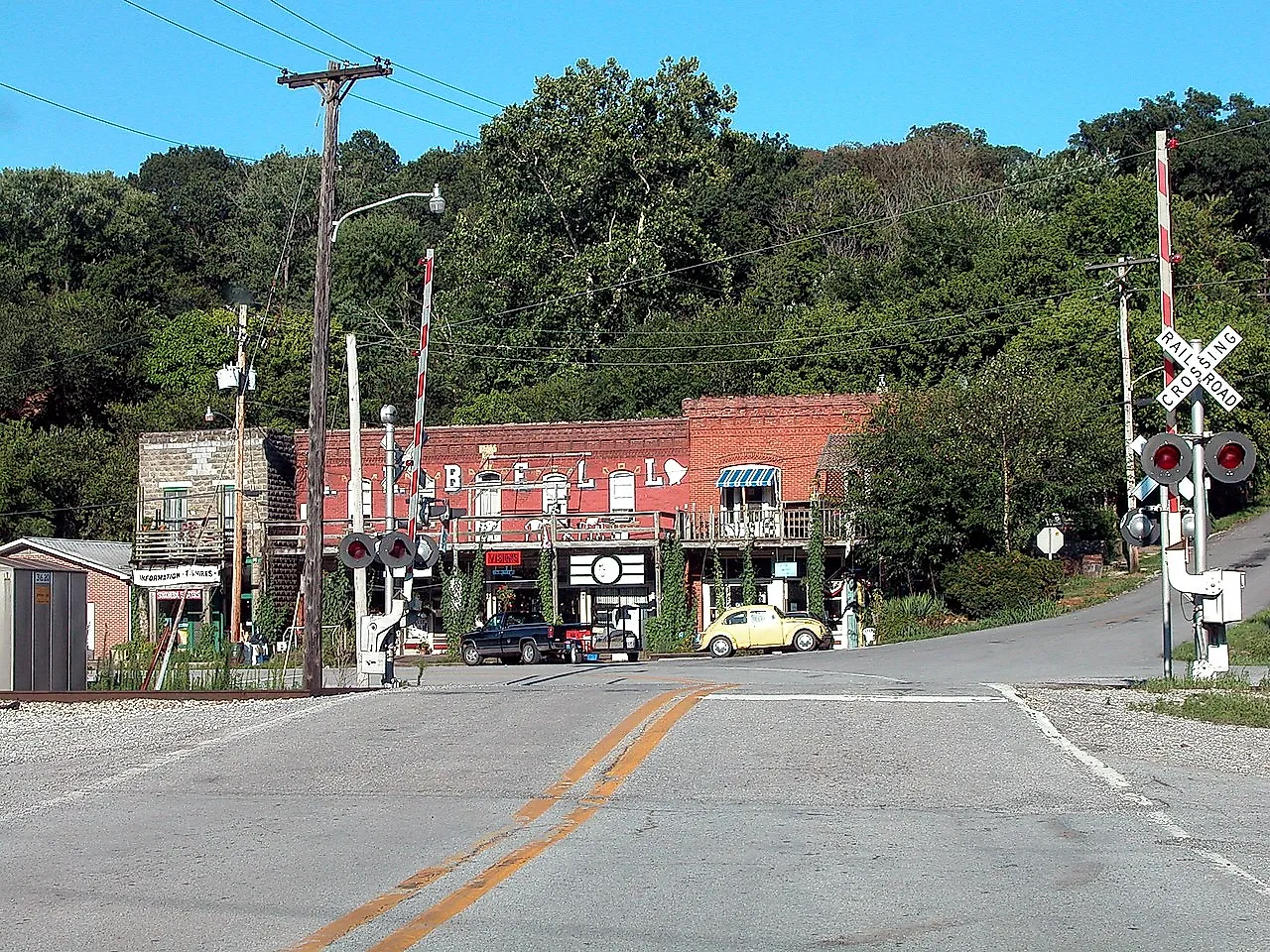
Oakland's downtown spans a couple of blocks with no traffic lights, and sirens and crowds in town are rare. Known as the first city to be placed on the state's historic register, it retains its original brick buildings from the 1880s and 1890s along a slow-paced main street beside Calapooya Creek in southern Oregon.
The countryside right outside town feels unchanged as well. The 1,100-acre Mildred Kanipe Park has over 14 miles of quiet walking and horseback riding trails through open range country, where cattle forage as they did 100 years ago and a resident flock of peacocks wanders the grounds.
Fossil

The peaceful atmosphere of Fossil comes from its location in the remote high desert of north-central Oregon. The town is free from heavy traffic, crowds, and constant noise.
Behind Wheeler High School, a public fossil bed contains 33-million-year-old plant fossils. Layers of rock can be split open to uncover impressions of ancient leaves, giving Fossil an unusual attraction right in the middle of town. The town is a gateway to the Clarno Unit of John Day Fossil Beds National Monument, where gentle trails follow colorful rock formations that preserve millions of years of plant and animal life.
Silverton

Silverton, 15 miles northeast of Salem in the Willamette Valley, is known as Oregon's Garden City. The 130-acre Oregon Garden has more than 20 themed gardens, including a rose garden, wetlands, and the Rediscovery Forest. Walking paths wind through flower beds, wooded areas, and native plant collections just minutes from downtown.
Minutes away, Silver Falls State Park, the largest state park in Oregon, is a natural garden of its own, with seasonal wildflowers, ferns, and moss-covered trees. The Trail of Ten Falls winds through dense forest past a 177-foot waterfall, where the sound of falling water is the loudest thing around.
Monmouth

Monmouth is a small college town in the heart of the Willamette Valley, 15 miles southwest of Salem, with early business closings and a lack of noisy nightlife. Western Oregon University, the oldest public university in Oregon, anchors the town, and life here follows the slower calendar of a small campus. The Pacific Ocean and Cascade Mountains are an hour away by car, far enough that day-trip traffic passes the town by.
Peacocks roam the area around Gentle Woods Park, a sign of how unhurried the neighborhoods are. Main Street Park, with its gazebo and amphitheater, hosts most of the town's gatherings, including Music in the Park on summer evenings.
Prairie City

Prairie City, a town of about 800 in the John Day Valley of eastern Oregon, is quiet because wild country surrounds it. At 3,500 feet, the town is the gateway to the Strawberry Mountain Wilderness, named for the wild strawberries on its slopes, and is bordered by the Blue Mountains to the north and the Strawberry Range to the south.
The Malheur National Forest surrounds the town with pine trees, alpine lakes, and wild rivers, so the nearest neighbors are often wildlife. South of the John Day River, mule deer, Rocky Mountain elk, and pronghorn roam the wildflower meadows of Logan Valley, and the river itself is a local favorite for a quiet afternoon of fishing.
Joseph

Surrounded by the Wallowa Mountains in northeast Oregon, Joseph is a small mountain town located at the end of Oregon Route 82, about a 1.5-hour drive from La Grande. There is no heavy through-traffic, and the town's low light pollution makes for dark night skies full of stars.
The Eagle Cap Wilderness, Oregon's largest wilderness at 361,446 acres with 534 miles of trails, begins past town, and Wallowa Lake lies at its entrance, so wilderness quiet starts minutes from home. Back in town, bronze sculptures and independent art galleries line a calm Main Street, and each winter, Josephy Fest fills the darkest months with acoustic concerts, storytelling, and yoga.
Molalla

Molalla is a rural city in the Willamette Valley foothills about 30 miles southeast of Portland, and the river and forest around it push the noise at bay. The Molalla River Recreation Area leaves a stretch of river open for quiet afternoons of picnicking, swimming, and fishing.
Wilhoit Springs Park, a local secret, is a secluded park with historic mineral and fizzy soda springs and old-growth forest, the kind of place few outsiders know about. Farther out, the steep slopes of the Table Rock Wilderness shelter a quiet forest of Douglas fir and western hemlock, with noble fir at higher elevations and rhododendron crowding the upper slopes.
The Quiet That Connects Oregon's Small Towns
The peace in Oregon's small towns comes from distance from noise. It might be a highway that ends, a downtown without a stoplight, a college town that closes early, or forest and high desert pressing in at the edge of town. The pace is slower, the streets are walkable, and the night sky is darker. Quiet here is not a weekend getaway. It is the way these towns have always lived.