10 Of The Friendliest Towns In Italy
Friendliness in a small Italian town look like someone stopping to talk in the piazza, the café owner remembering your order without being asked, and an annual festival that pulls a whole town outdoors for the night. In Spello, the people kneeling on the pavement at three in the morning, laying flower petals into pictures, are the same ones who live on that street.
The welcome arrives in small ways. A table nobody hurries along, a conversation that turns up something the guidebooks missed, a festival that belongs to the town first and to anyone watching second. Ten towns across Italy do it well, spread far enough apart that Puglia, Calabria, Sicily, Sardinia, and the Alps each supply one or two.
Alberobello, Puglia

Alberobello is built around its trulli. Whitewashed, cone-roofed stone huts that fill the Rione Monti and Aia Piccola districts. Around 1,500 of these buildings fill the two districts. Most date to the 17th and 18th centuries, though the dry-stone building tradition in Puglia is much older.
Both districts form part of Alberobello's UNESCO World Heritage site. By late evening, after the day-trippers leave, Rione Monti quiets down. On Via Monte San Michele, restaurants and cafés put tables outside and serve Puglian specialties such as orecchiette and burrata. A short climb leads to Parrocchia Sant'Antonio di Alberobello, a working church built in the form of a trullo in 1927.
The Trullo Sovrano, the town's only two-story trullo, houses a small museum showing the layout and furnishings of an 18th-century household. The story that trulli roofs could be dismantled to avoid property taxes when royal inspectors arrived still circulates in town.
Polignano a Mare, Puglia

Polignano a Mare stands on cliffs above the Adriatic. It is the hometown of singer Domenico Modugno, who wrote "Volare." Each year, the Red Bull Cliff Diving World Series comes to town. Men dive from 27-meter platforms and women from 21-meter platforms. Crowds gathering along the cliffs to watch.
By evening, the clifftop paths fill with people out for the passeggiata, the traditional Italian stroll. Below the old town walls, Cala Porto packs its small cove with summer swimmers. The coastline stays rugged at Spiaggia di Ponte dei Lapilli, where white pebbles, clear water, and steep cliffs make swimming and diving the main draw. Away from the shore, the Fondazione Pino Pascali focuses on contemporary art, including work by the Polignano-born artist and rotating exhibitions.
Spello, Umbria

During the Infiorata di Spello each June, neighbors spend the night working together on 1,500 to 2,000 meters of flower carpets and pictures before the Corpus Christi procession moves through town. That same spirit carries into match days at Stadio Comunale XVI Giugno, where A.S.D. Julia Spello draws familiar faces to the stands.
The social side of town continues in smaller settings. Il Beericcio serves burgers, sandwiches, filled cresce, and craft beer in a casual pub atmosphere. At the Villa dei Mosaici, Roman floors uncovered in 2005 eventually led to a museum that opened in 2018, turning an unexpected archaeological find into another point of local pride.
Atrani, Amalfi Coast

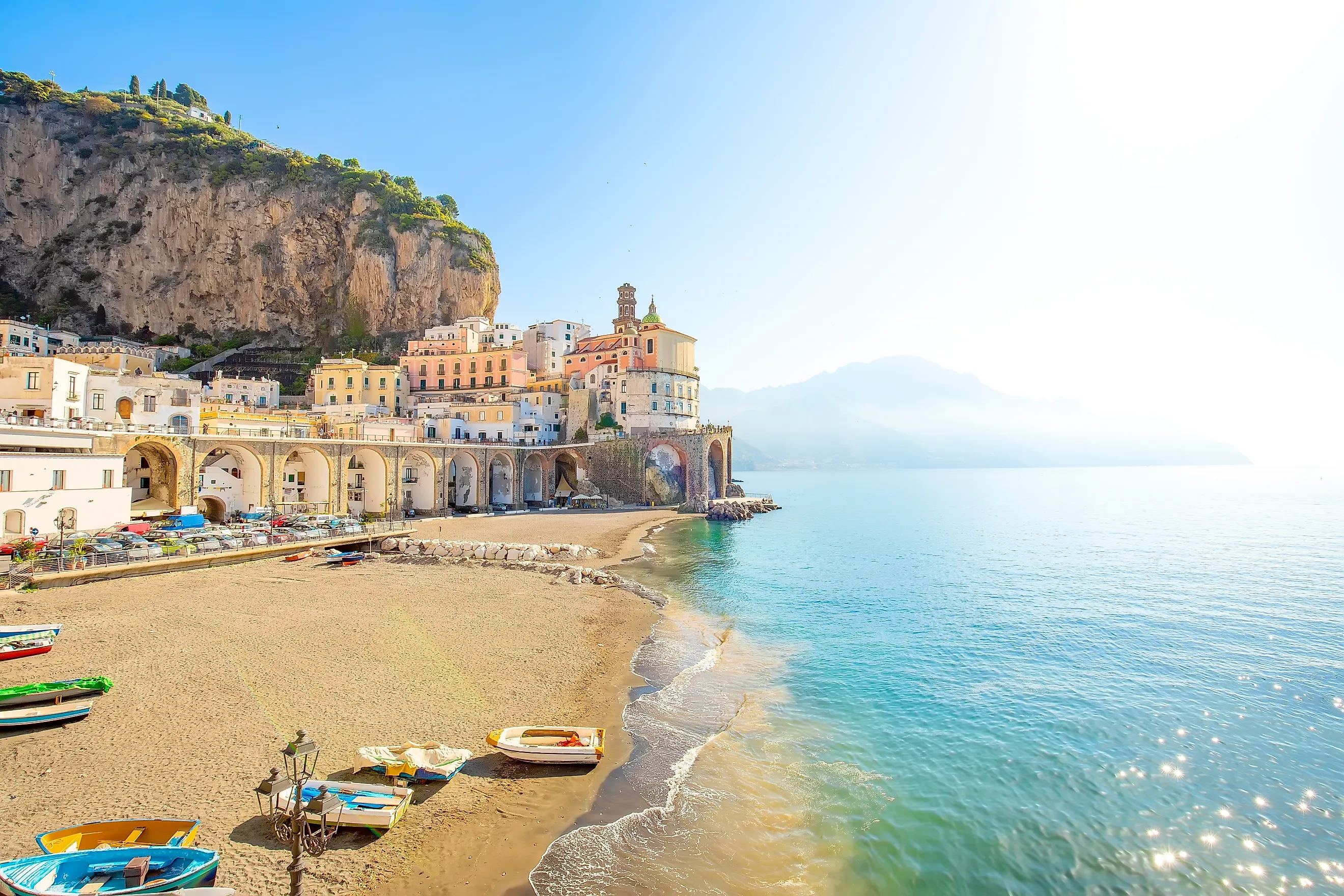
Atrani’s small size makes it easy for people to cross paths. Its narrow lanes lead into Piazza Umberto I, where evenings spill into the cafés around the square. Just a few minutes from Amalfi on the Amalfi Coast, the town also appeared in "The Equalizer 3," with several streets used in the film.
That same social energy carries into late August during the Sagra del Pesce Azzurro, when neighbors gather for blue fish dishes, live music, and performances. Meals continue the conversation at 'A Paranza and Le Palme, both serving seafood, pasta, and pizza near the beach. Spiaggia di Atrani is just below the center of town, with shallow water and a close connection to the streets above.
Tropea, Calabria

Tropea perches on cliffs above clear Tyrrhenian waters. Beach clubs and Calabrian food are part of the town's summer scene, with the annual Madonna di Romania celebrations arriving on September 9. The procession carries the Madonna's icon through the historic center, followed by live music, other festivities, and fireworks.
Tropea Beach gets busiest in the late afternoon, when swimmers and snorkelers share the clear water with people settling onto the sand. Next door, Sunset Beach Club Tropea keeps the evening going with terrace dining, sunset views, and occasional live music.
Incipit brings things back toward the center, serving seafood and Mediterranean dishes from a terrace overlooking the piazza. Higher above the coast, the Santuario di Santa Maria dell'Isola is reached by a climb that opens onto wide views of the sea and shoreline at sunset.
Cefalù, Sicily

Cefalù is a seaside town in Sicily that moves at an unhurried pace for most of the year. One of its oldest traditions interrupts that each August. The 'Ntinna a Mari competition draws crowds to the old marina as 17 participants attempt to walk a 16-meter wooden beam coated in grease and soap and grab a flag at the end.
The centuries-old game has become a lively community event, with the crowd cheering as competitors lose their footing and fall into the water. Cefalù Beach is a long stretch of golden sand and clear water below the old town. Porta Pescara, the surviving medieval gateway in the town's historic walls, opens toward the restaurants beyond.
Brisighella, Emilia-Romagna

Brisighella has a historic center built around medieval streets, squares, and gathering spots. In the middle of town, Parco Giuseppe Ugonia contains the Monument to the Fallen, a bronze statue known as Il Fante che dorme ("The Sleeping Soldier"), created by Faenza sculptor Domenico Rambelli and inaugurated in 1927.
Via degli Asini, a 14th-century defensive street lined with arches, becomes part of the setting for Brisighella Romantica each June. The single-evening celebration is part of the national event organized by I Borghi più belli d'Italia, with candlelit dinners and special menus served outside across town. Music and live performances continue into the evening, including concerts at the open-air Arena Spada.
Bosa, Sardinia

Bosa runs along the Temo, Sardinia's only navigable river, on the island's west coast. The Castello Malaspina on Serravalle Hill has 12th-century origins and still overlooks the town. Its chapel preserves a cycle of 14th- and 15th-century frescoes. Along the river, the Sas Conzas district still features a row of 19th-century leather tanneries that produced leather for markets in Italy and abroad. For centuries, the river was central to the town's trade and development.
In the Sa Costa quarter, colorful houses climb the hillside above narrow lanes, with the Cattedrale dell'Immacolata Concezione down in the lower town on Corso Vittorio Emanuele. Bosa’s local identity also runs through Malvasia di Bosa, a wine made from Malvasia di Sardegna grapes in sweet and fortified styles and protected by DOC status since 1972. About 2.5 kilometers downstream, Bosa Marina reaches the mouth of the Temo with its beach and waterfront setting.
Castelmezzano, Basilicata

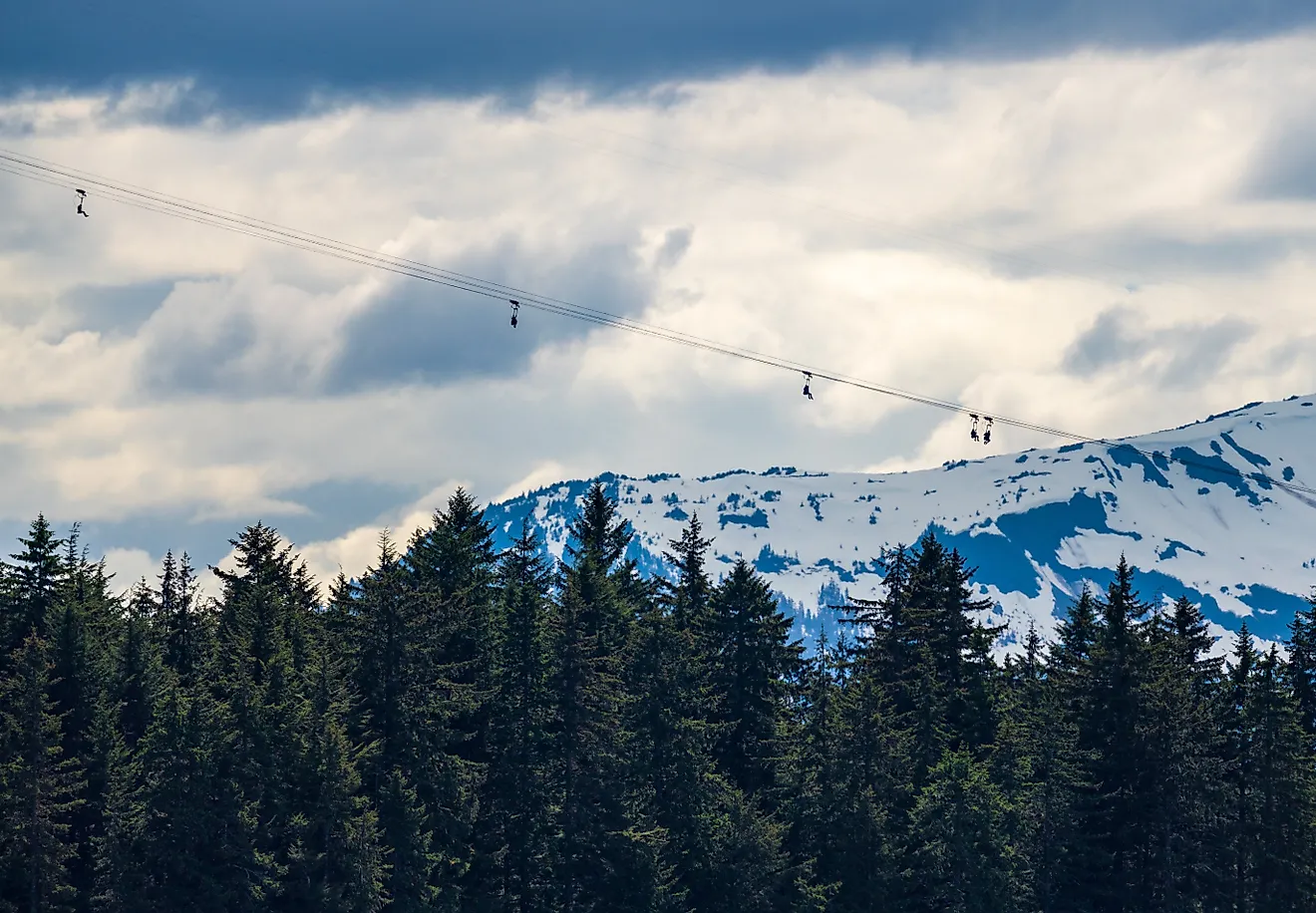
Castelmezzano is built into the rocky slopes of the Lucanian Dolomites at about 750 meters above sea level. Its best-known attraction is the Volo dell'Angelo (The Angel's Flight), a zip line connecting Castelmezzano and Pietrapertosa.
The two lines stretch 1,415 and 1,452 meters between the villages in the Gallipoli Cognato Piccole Dolomiti Lucane Regional Park. Riders are secured in a harness and can reach speeds of up to 120 kilometers per hour. The Path of the Seven Stones, an ancient sheep track between Castelmezzano and Pietrapertosa, is divided into seven stages. The route draws on local traditions and the story "Vito Danced with the Witches" by Lucanian journalist Mimmo Sammartino.
In the historic center, the Chiesa Madre di Santa Maria dell'Olmo dates to the 13th century and stands in Piazza Emilio Caizzo. Above town, remnants of the Norman castle, including walls and a staircase carved into the rock, survive. At dusk, Piazza Emilio Caizzo fills beneath the rocky spires of the Lucanian Dolomites.
Aosta, Valle d'Aosta

Aosta is a small Alpine city with cafés, local wine, and easy access to mountain trails. In June, the Musicastelle Festival brings four free outdoor concerts to natural locations around the valley, combining live music with mountain scenery.
The Rû Neuf route starts at Plan d'Avie above Aosta and follows a medieval irrigation canal toward Etroubles, with stretches of water running beside the path. Back in Aosta, Société en Ville is a casual stop for local dishes, coffee, and wines from the Valle d'Aosta and farther afield. The region’s longer history comes into view at the Museo Archeologico Regionale, where artifacts follow settlement in the valley through prehistory, Roman Aosta, and the Middle Ages.
Built Around Familiar Faces
These towns keep returning to the same shared rituals. Neighbors spend the night laying flower carpets in Spello, Atrani gathers around blue fish, music, and a packed piazza, and Brisighella turns dinner into a town-wide evening under the lights.
The friendliest moments are smaller too. A local match fills familiar seats, café tables stretch into the evening, and the passeggiata brings the same streets back to life night after night. That repetition builds familiarity. Over time, strangers stop feeling like strangers.