The States Where Dogs Get Bitten By Snakes Most
A curious dog and a venomous snake make a genuinely dangerous combination, and far more dogs end up on the wrong end of a bite than most owners ever realize. Dogs sniff into brush, dig at burrows, and paw at anything that moves, which is exactly how they get tagged, usually right on the face or front legs. Reliable nationwide counts of dog snakebites are hard to come by, since no single agency tracks them, but pet-insurance claims and overall snakebite statistics point consistently to the same handful of states. Unsurprisingly, they are the warm, snake-dense places where big dog populations and large numbers of venomous snakes overlap. Here are the states where dogs get bitten by snakes most, and exactly why.
Texas

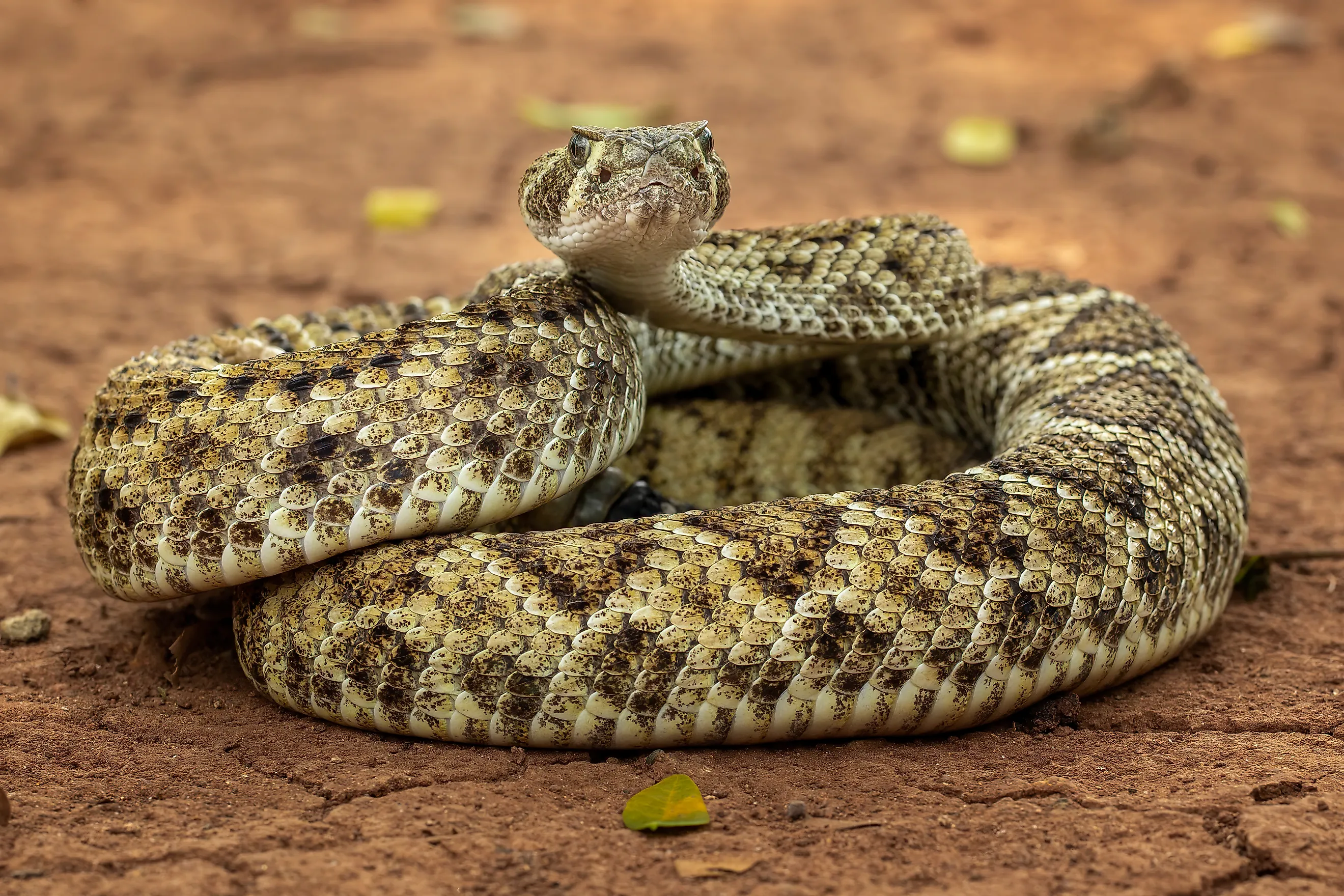
Texas tops nearly every snakebite list in the country, and for good reason. It is home to more venomous snake species than any other state, around 15 of them, including the formidable western diamondback rattlesnake, and it also has the largest dog population in the nation at roughly seven million. Add in a warm climate, sprawling rural and suburban land, and snakes that stay active well after dark in summer, and you have a recipe for a great many bitten dogs. From ranch country to backyards, Texas dogs run into rattlesnakes constantly.
California

California combines a massive dog-owning population with prime rattlesnake habitat, which keeps it near the very top of the list. Several rattlesnake species live here, with the Southern Pacific rattlesnake being the one dogs most often run into across the southern half of the state. The sheer volume of hiking, trail-running, and backyard time, much of it with a dog along, means a steady stream of encounters, especially in the dry foothills and canyons. It is common enough that rattlesnake-avoidance training for dogs has become a thriving business across California.
Arizona
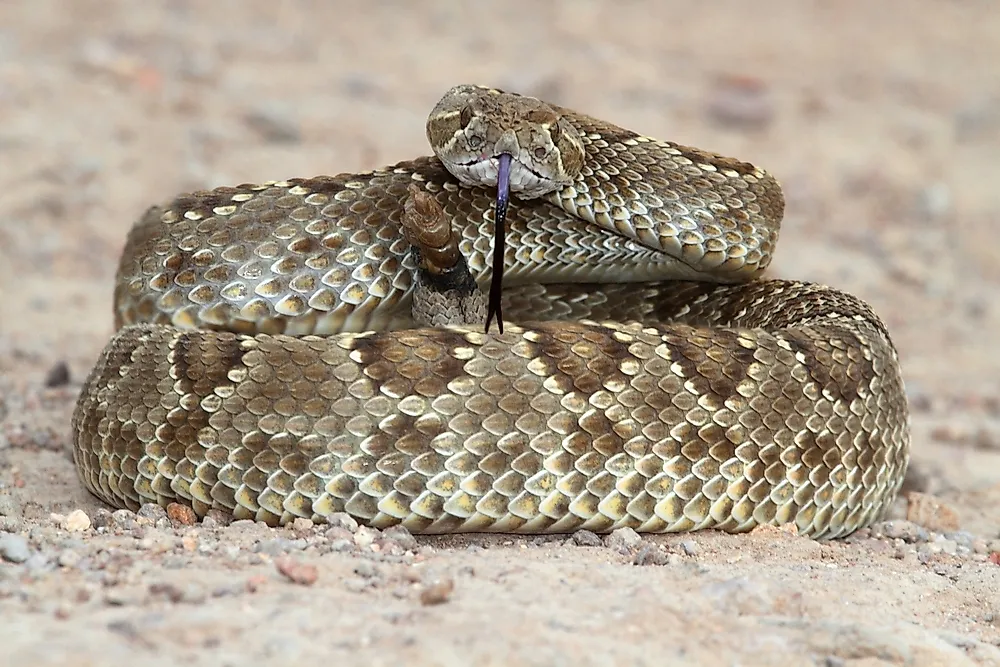
Few places pack in rattlesnakes quite like Arizona, which hosts more rattlesnake species than any other state. Its deserts and foothills teem with them, including the Mojave rattlesnake, whose venom is especially potent, and the western diamondback. Dogs exploring desert yards, dry washes, and trails are at real risk nearly year-round, because Arizona's mild winters keep snakes active far longer than in colder states. Vets across the Phoenix and Tucson areas treat a steady flow of snakebitten dogs through every warm season.
Florida

Florida's year-round warmth means its snakes barely slow down, so the danger to dogs never really lets up. The state hosts six venomous species, including the enormous eastern diamondback rattlesnake, the water-loving cottonmouth, and the vividly banded coral snake. Dogs get bitten on walks, in backyards, and around the water's edge, where cottonmouths like to lurk. Between a large dog population and a climate that keeps snakes out and about in every single month of the year, Florida stays firmly on this list.
Georgia
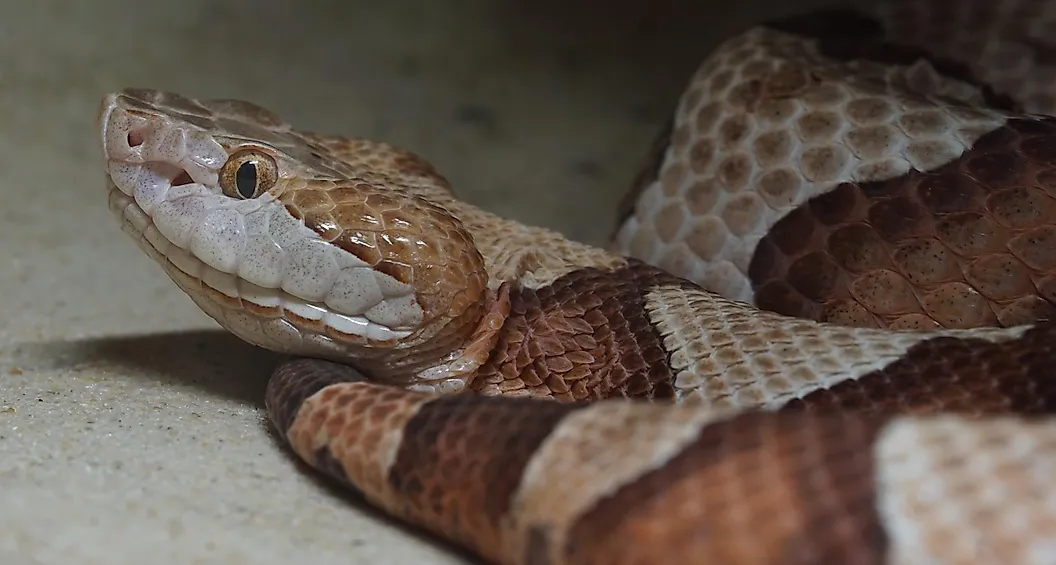
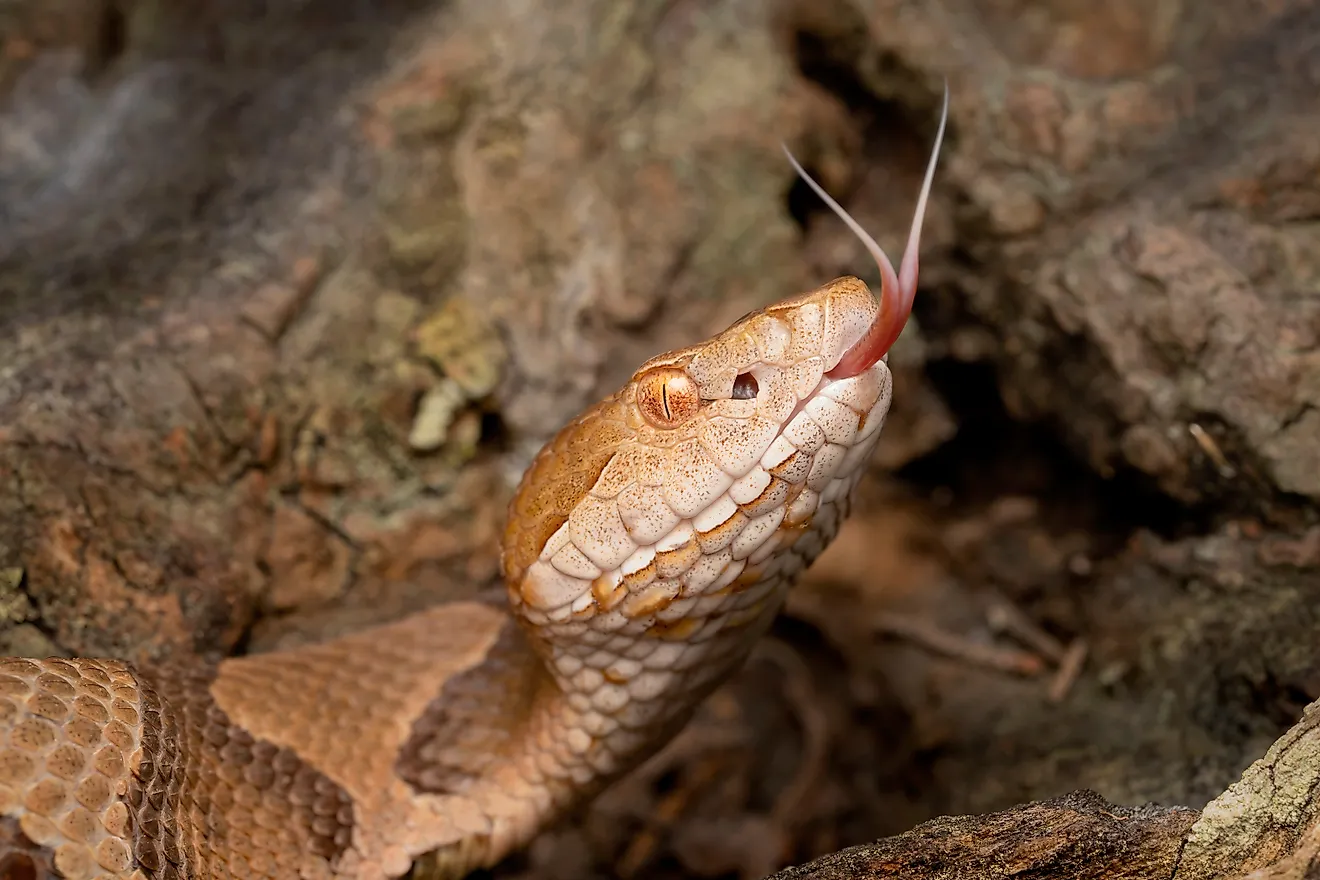
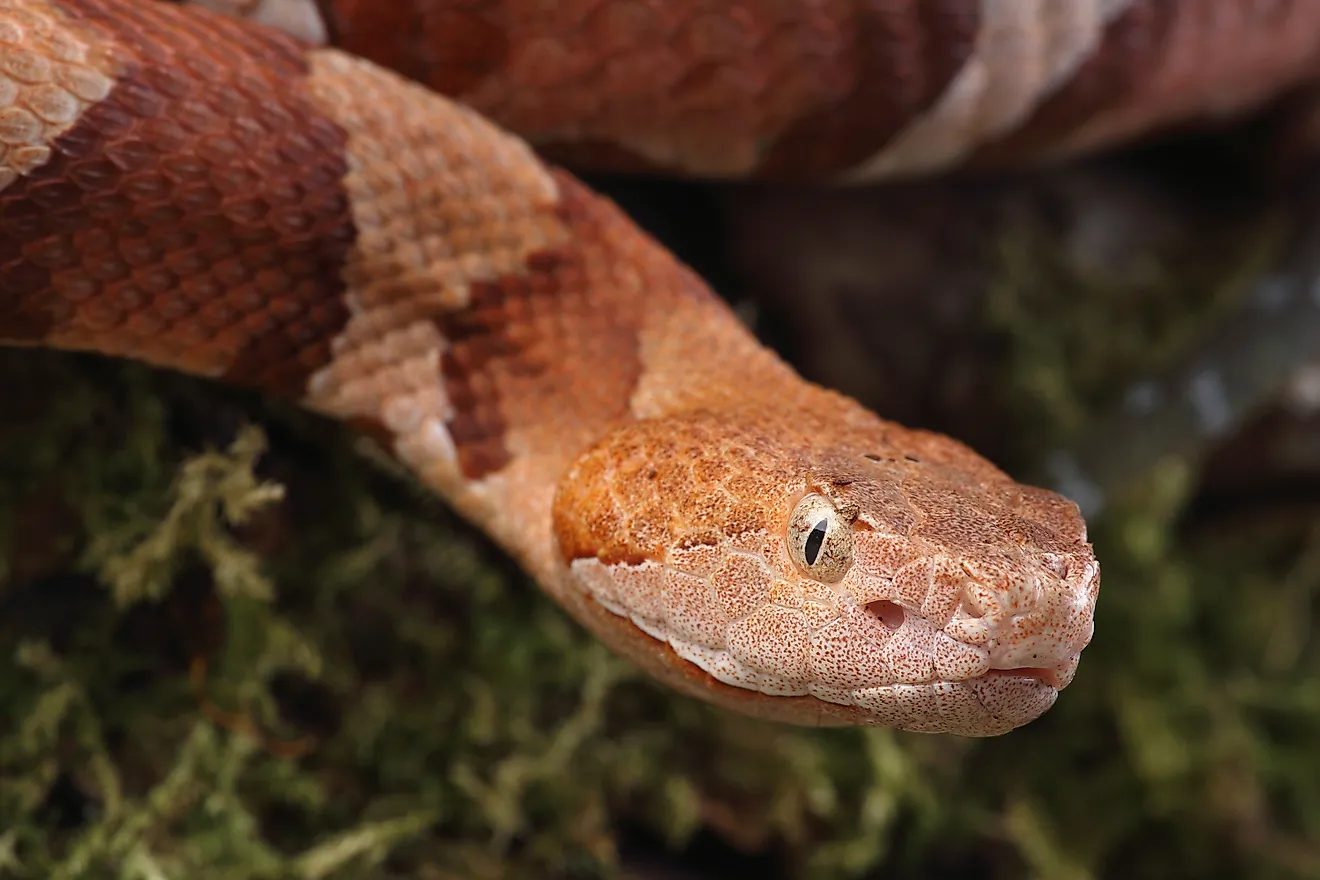
Georgia's mild climate and varied landscape support a full roster of venomous snakes, and the copperhead is the one dogs tangle with most. Copperheads are common, superbly camouflaged in leaf litter, and perfectly at home in suburban yards, which is exactly where plenty of dogs meet them. The state also has cottonmouths, rattlesnakes, and coral snakes to round out the threat. Between a big dog population and consistently snake-friendly weather, Georgia sees a high number of canine snakebites year after year.
North Carolina
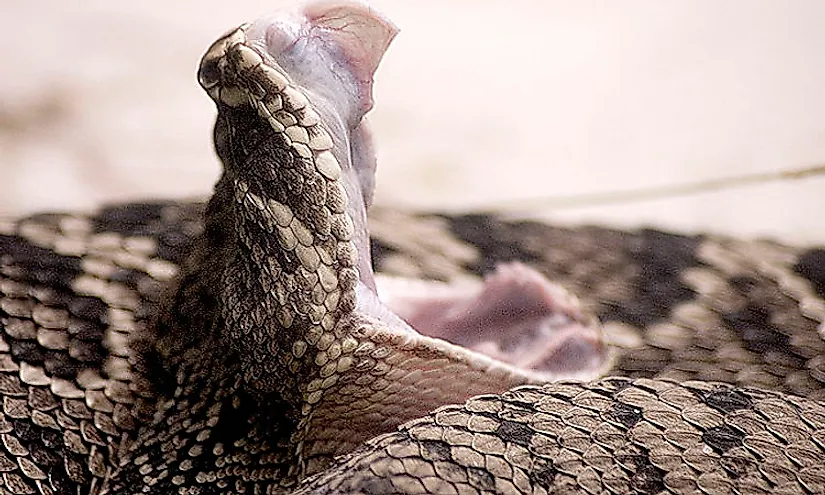
North Carolina records some of the highest snakebite rates in the entire country, and the culprit behind most of them is the copperhead. These snakes thrive in exactly the leafy, suburban settings where people walk their dogs, so encounters are frequent, particularly in spring and fall. The state is also home to rattlesnakes, including the eastern diamondback down in the far southeast. Whether out on a trail or just in the backyard, a North Carolina dog has unusually good odds of crossing paths with a venomous snake.
Oklahoma

Oklahoma rounds out the list with another consistently high snakebite rate. The state sits in prime territory for the western diamondback, the prairie rattlesnake, and the copperhead, all of which turn up around homes, barns, and open country where dogs roam freely. Rural and ranch dogs are especially exposed, often getting bitten while nosing around brush piles, rock outcrops, and outbuildings. Add in warm weather and plenty of wide-open land, and Oklahoma dogs face a real and recurring risk.
How Dogs End Up Bitten

Across all of these states, the pattern is remarkably consistent. Dogs are naturally curious and more or less fearless, so they tend to investigate a snake nose-first, which is why so many bites land on the muzzle, head, or front legs. Most bites happen in the warm months, often in the dog's own yard, and frequently when a snake is simply trying to get away. The reassuring news is that a lot of it is preventable: keep dogs leashed on trails, clear brush and woodpiles away from the house, consider a rattlesnake-avoidance class if you live in snake country, and know exactly where your nearest emergency vet is. And if a snake does bite your dog, treat it as an emergency and get to a veterinarian right away, because prompt antivenom treatment saves lives.