10 Maine Towns With A Slower Pace Of Life
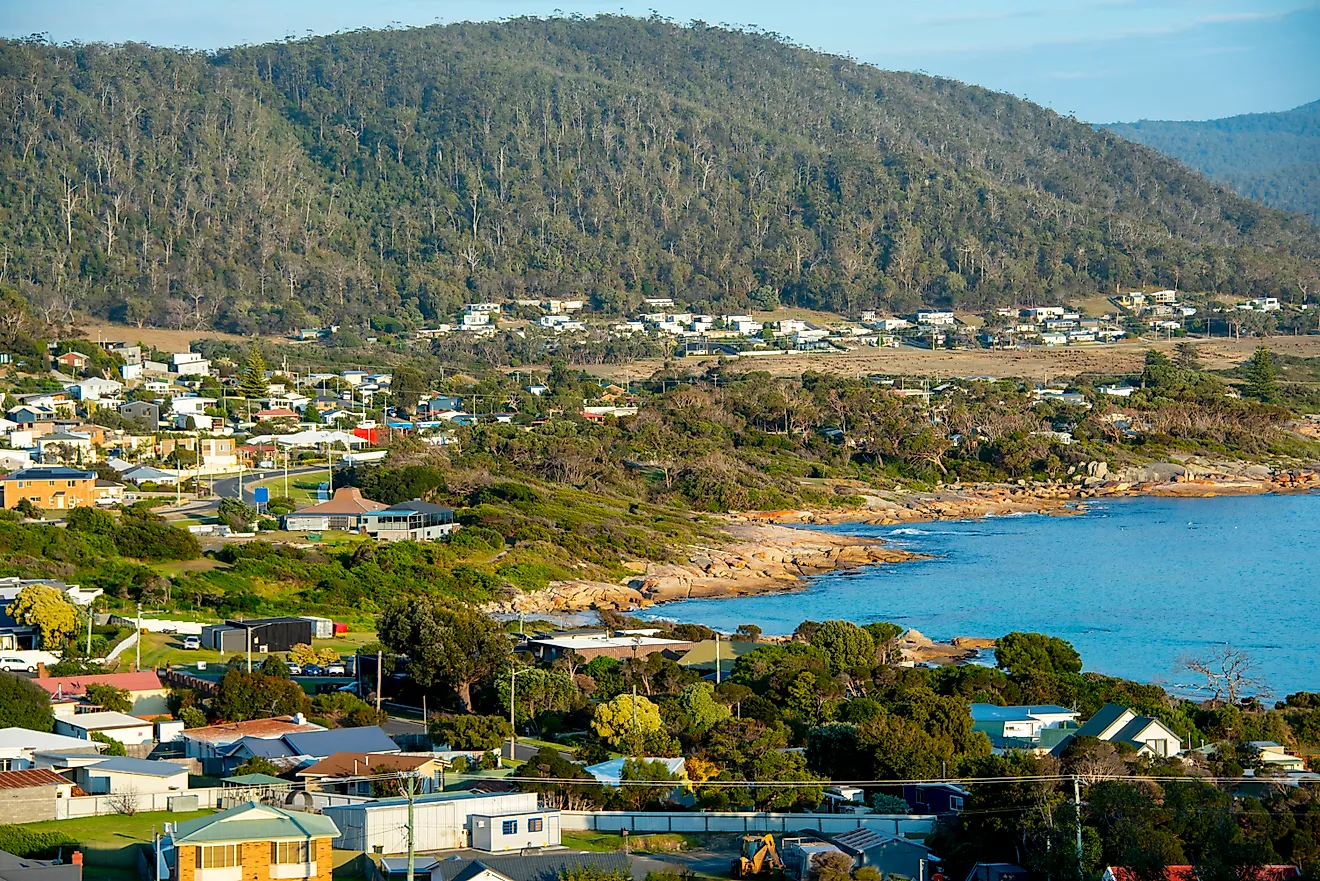
Whether it's waiting for a ferry to Monhegan, watching lobster boats return to Stonington Harbor, or looking out across Moosehead Lake from Greenville, Maine still has places where daily life moves at its own quiet rhythm. The towns ahead show a version of Maine where routines still follow tides and seasons shaped over generations. These towns sit amid scenic outdoor areas like Acadia National Park and invite visitors to step back from the everyday.
Sullivan

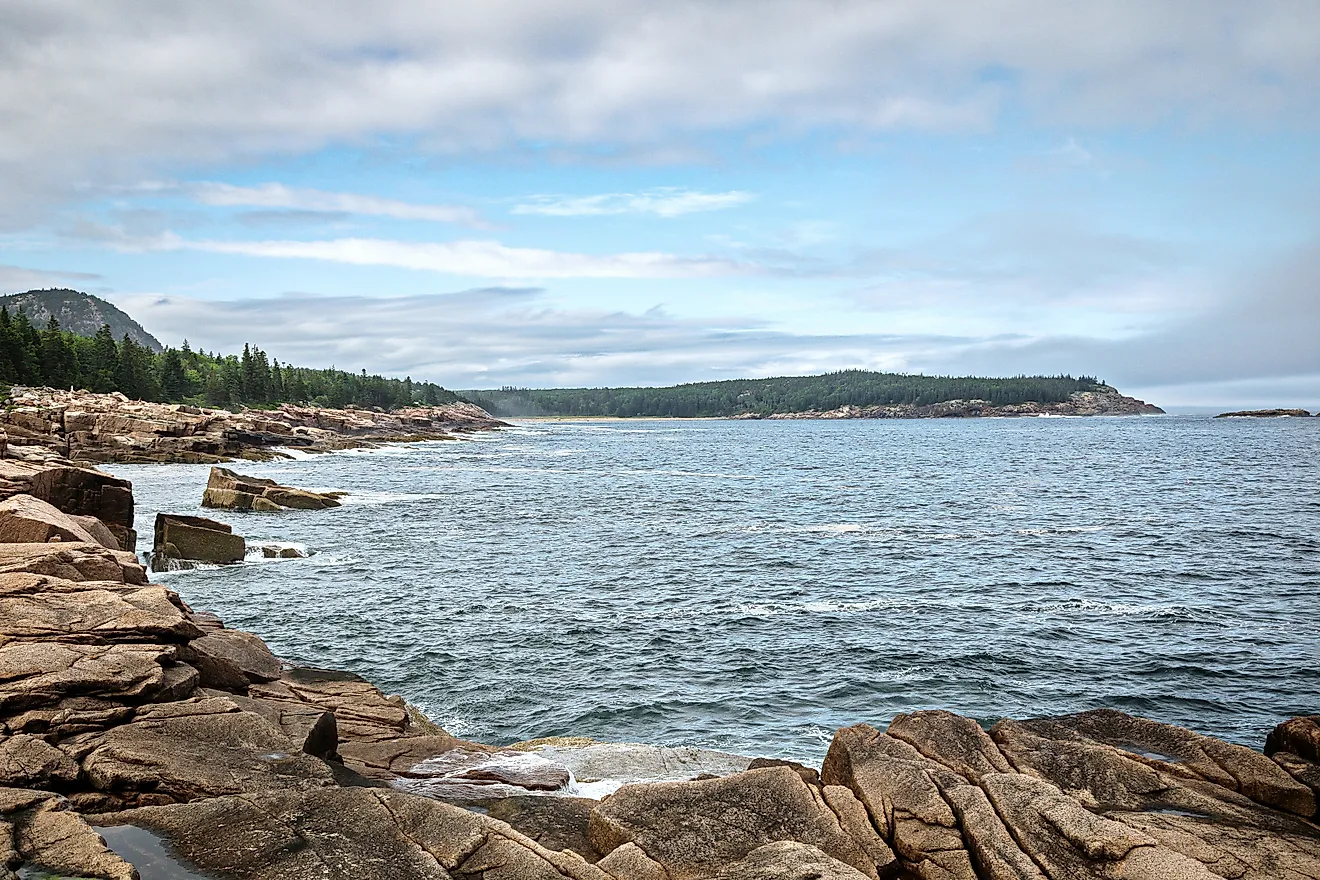
Driving into Sullivan, the road opens to coves, weathered docks, and stretches of water where lobster boats move slowly enough to follow with your eyes. The Schoodic Peninsula section of Acadia National Park sits nearby, offering granite shoreline and ocean overlooks that remain noticeably calmer than those on Mount Desert Island. This part of the park is about 5% of its total area, with 2,266 acres of wilderness, offering opportunities like hiking trails and Schoodic Head, the highest point on the peninsula at 440 feet above sea level.
Taunton Bay offers paddling beneath spruce-lined shores, while access to the 90-mile-long Down East Sunrise Trail provides walkers and cyclists with long stretches through forest and marshland. Nearby Tidal Falls Preserve draws visitors for birdwatching and views of tidal currents rushing between Hancock and Sullivan. The preserve is a great place to see a variety of animals, including eagles, seals, osprey, and kingfishers.
Castine

Castine sits on a narrow peninsula where traces of French, British, and early American control remain visible in forts, monuments, and the harbor's layout. Brick Federal-style homes line quiet streets, but the town rarely feels staged or overly preserved. Walking the grounds of Fort George, originally built by the British during the Revolutionary War in 1779, offers broad views across Penobscot Bay alongside remnants of colonial defenses. Nearby, Dyce Head Lighthouse, first established in 1828, overlooks the rocky shoreline and open water where lobster boats still pass.
Visitors can browse Compass Rose Books, an independent bookstore that has operated in Castine for decades, stop near the waterfront, or continue toward the campus of Maine Maritime Academy, home to more than 900 students and the training vessel State of Maine, which occasionally appears in the harbor.
Monhegan

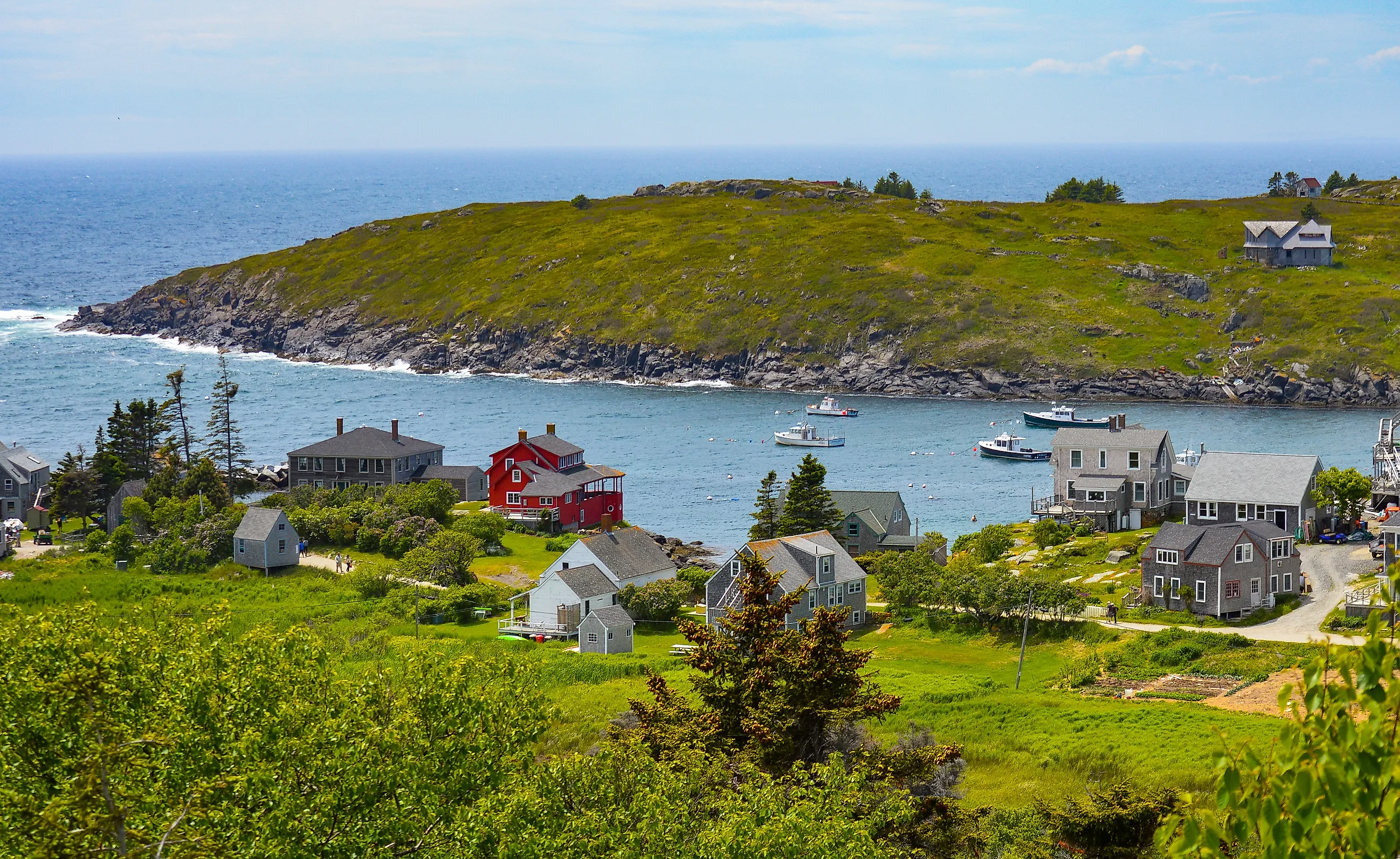
Monhegan sits about 10 miles off the Maine coast and is reached only by ferry, helping preserve a daily rhythm noticeably different from the mainland. Cars are largely absent from daily life, replaced by footpaths and hiking trails that connect the island's small village, harbor, and rugged coastline.
The island's cliff walks remain the main attraction, particularly the route toward Whitehead, where granite cliffs rise more than 150 feet above the Atlantic. Trails through Cathedral Woods, a stand of wind-shaped spruce forest near the island's center, offer a quieter contrast. The Monhegan Museum of Art & History, housed inside the former lighthouse keeper's residence beside Monhegan Light, explores both maritime traditions and the island's long connection to artists such as Edward Hopper and Rockwell Kent.
Lubec

Lubec sits on Passamaquoddy Bay just across the water from New Brunswick, Canada, and is known as the easternmost town in the contiguous United States. The West Quoddy Head Light, recognizable by its red-and-white stripes, has stood watch over the coast since 1808, with the current tower dating to 1858.
Trails through Quoddy Head State Park pass coastal bogs, dramatic cliffs, and habitats frequented by migrating birds, while offering views of some of the highest tides in North America. The park spans over 500 acres, making it ideal for outdoor exploration along its five miles of trails. Around the harbor, visitors can stop at Monica's Chocolates, watch fishing boats navigate the changing tides, or visit the Lost Fisherman's Memorial, which honors local fishermen lost at sea.
Stonington

Working lobster towns might appear busy on the surface, but Stonington brings a different atmosphere. It is productive without appearing rushed. The harbor remains central to daily life, and stacks of traps beside working wharves are part of the scenery. Stonington is home to one of Maine's busiest lobster fishing fleets, with hundreds of boats operating from the harbor during peak season. Ferries departing for Isle au Haut, including routes to the quieter section of Acadia National Park, leave from the downtown waterfront, making impromptu day trips possible.
Opera House Arts, housed in a restored 1912 theater building, hosts performances, concerts, films, and community events throughout the year. Nearby, Crockett Cove Woods Preserve protects nearly 100 acres of forest and shoreline, with trails leading to views across Penobscot Bay and the surrounding islands. It is a good place to unwind, with mushroom and moss observation opportunities and a calm environment for nature photography.
Eastport

Eastport, on Moose Island in Passamaquoddy Bay, is one of the easternmost communities in the contiguous United States. The working waterfront remains central to daily life, with tides that can exceed 20 feet, changing the harbor throughout the day. Downtown, one can head to Raye's Mustard Mill Museum, founded in 1900 and the last remaining traditional stone-ground mustard mill in the United States. It also has a gift shop, ideal for a unique souvenir.
Shackford Head State Park protects nearly 90 acres of coastal forest and shoreline, with trails offering views of Cobscook Bay, Campobello Island, and the surrounding waters. Seasonal whale-watching tours and boat excursions depart from the harbor, and Eastport Windjammers offers two-hour journeys where you can spot whales, eagles, ospreys, and seals while the staff hauls lobster traps. The Tides Institute & Museum of Art adds another layer to downtown, showcasing local history, art, and maritime culture in one of Maine's oldest port communities.
Rangeley

Rangeley introduces a different version of unhurried living, one measured by weather moving across lakes rather than tides along the coast. Morning fog over Rangeley Lakes can linger long enough to make postponing plans feel reasonable. Rangeley Lake State Park spans over 800 acres and offers activities such as boating, hiking, and salmon fishing on the 6,000-acre lake. There is also a 50-site campground for those who want to relax under the stars.
Meanwhile, the Height of Land overlook along the Rangeley Lakes Scenic Byway remains one of western Maine's best-known views, particularly during foliage season. A stop at the Rangeley Outdoor Sporting Heritage Museum adds context for the traditions of fly fishing, guiding, and logging that helped shape the region. The site also has a large log-sporting camp near the front entrance.
Greenville

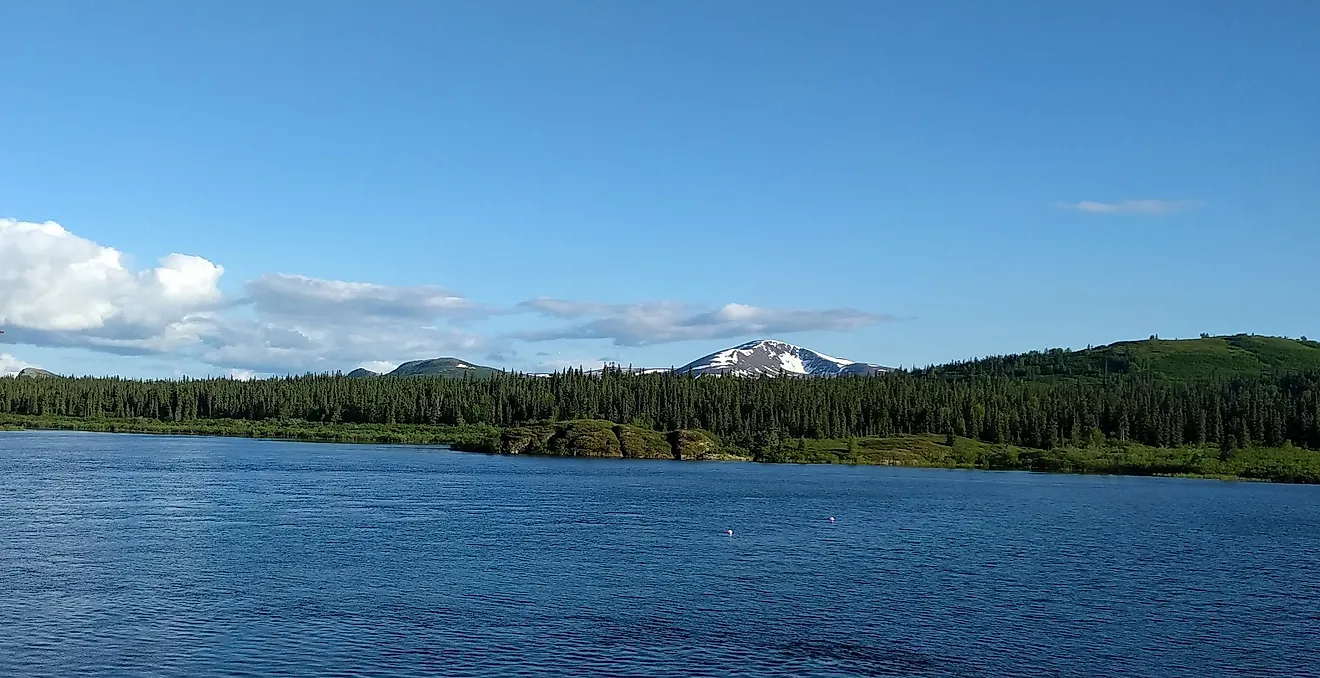
Greenville sits at the southern gateway to Moosehead Lake, Maine's largest lake, at nearly 40 miles long. Katahdin Cruises depart regularly from the waterfront aboard the historic Katahdin, a vessel that has operated on the lake since 1914, offering access to broad lake views and occasional wildlife sightings. Drives toward Mount Kineo, known for its 700-foot cliffs rising above the lake and one of New England's oldest golf courses, or Lily Bay State Park, often include stretches where spotting a moose near the roadside feels plausible rather than unusual. Downtown, cafés, outfitters, and the Center for Moosehead History occupy modest blocks serving both residents and travelers headed outdoors.
Blue Hill

Blue Hill combines coastal scenery with an arts-oriented identity that predates recent tourism trends. A hike up Blue Hill Mountain, which rises 934 feet above sea level, rewards visitors with expansive views over Blue Hill Bay, Deer Isle, and the surrounding peninsula. There are seven trails running up the mountain, including the easy South Face Trail and the 0.75-mile Hayes Trail, which climbs stone stairways and steep slopes.
The town center supports independent businesses, including Blue Hill Books, while the seasonal Blue Hill Farmers Market runs Saturdays from May through October, featuring local growers, bakers, and artisans. Nearby access to Blue Hill Bay encourages kayaking and shoreline exploration, while drives along the peninsula often pass working coves, lobster boats, stretches of spruce forest, and occasional roadside signs for blueberries.
Winter Harbor

Winter Harbor shares proximity to the Schoodic Peninsula's dramatic landscapes yet remains noticeably quieter than neighboring gateways to Acadia National Park. Those looking to take it all in can drive along the Schoodic Loop Road, which follows a 6-mile route past granite headlands, rocky shoreline, and ocean viewpoints where waves crash directly against the coast. Grindstone Neck introduces wooded roads, historic summer cottages dating to the late 1800s, and shoreline walks where osprey sightings are not unusual. Near the harbor, lobster boats and small marinas keep traces of working waterfront life visible, while the historic Winter Harbor 5 & 10 has served residents and visitors since 1972 in a 1922 building, selling household goods, Maine souvenirs, and everything in between out of the same Main Street location.
Where Maine Moves More Slowly
The ferry ride to Monhegan, the working waterfront of Stonington, the lakeside scenery of Rangeley and Greenville, the coastal trails in Lubec, the historic streets of Castine, and the changing tides in Eastport all give these towns their own reason to linger. An unhurried Maine does not mean doing less. It means letting the place set the pace.