10 Best Cities To Retire In France
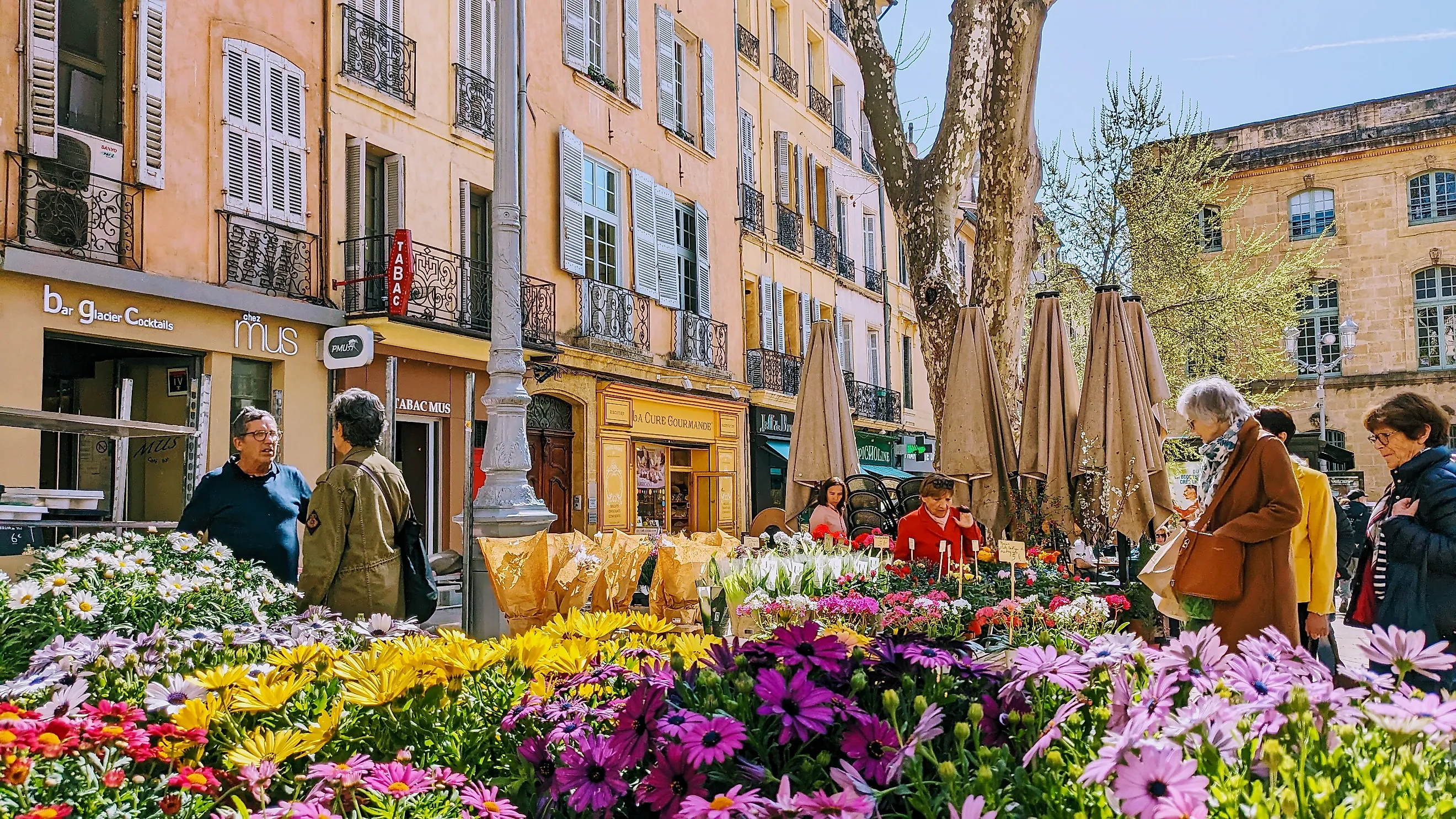
Even in some of France's larger cities, it's easy to prioritize the best things in life, like a perfect pour on a streetside terrace or exploring medieval ramparts en route to see world-class art in the heart of town. In Aix-en-Provence, it might mean spending an afternoon on the dappled Cours Mirabeau and browsing the daily market for fresh flowers and seasonal produce. Bordeaux offers world-class wine culture and lively food halls, with vineyard country just beyond the city limits. Nice brings retirement dreams to life with Mediterranean sunshine and sea views along the Promenade des Anglais. Read on to discover 10 of the best cities in France to make the most of your golden years, whatever that looks like to you.
Annecy

At the northern tip of its namesake lake, near the Swiss border and about 35 km (22 miles) south of Geneva, Annecy is known as the "Pearl of the French Alps." Le Pâquier, a vast lakeside green space stretching between the Old Town and Albigny Beach, is the perfect place for a morning stroll. In summer, you can swim at Albigny Beach or relax at a café before wandering through the local markets. Active retirees can follow the Voie Verte cycle path toward Sevrier and Saint-Jorioz, enjoying miles of flat, paved trails suitable for all fitness levels. In the Old Town, the markets are exactly what you'd expect, offering regional cheeses and fresh local produce, while boat shuttles provide an easy way to explore lakeside villages such as Talloires and Menthon-Saint-Bernard.
Montpellier

While Annecy appeals with its mountain scenery and lakeside lifestyle, Montpellier offers a different side of southern France, one shaped by Mediterranean sunshine, vibrant public spaces, and a thriving cultural scene. Home to about 310,000 residents, the city is known for its elegant private mansions, as well as its Arc de Triomphe and Place Royale du Peyrou, built in honor of Louis XIV. Place de la Comédie is the city's bustling central square. Largely pedestrianized, it is a pleasant place to wander among cafés, street performers, and the iconic Fountain of the Three Graces.
Nearby, the Jardin des Plantes, France's oldest botanical garden, offers acres of shaded paths, historic greenhouses, a bamboo grove, and centuries-old trees. Just steps away, the Musée Fabre houses more than 9,000 works spanning the Renaissance to the modern era, including pieces by Raphael and Eugène Delacroix. Montpellier's highly regarded CHU university hospital provides added peace of mind for retirees, while nearby beaches such as Palavas-les-Flots and Carnon-Plage are easily reached by public transit for a relaxing day by the sea.
Aix-en-Provence

Continuing east just inland from the Mediterranean, Aix-en-Provence replaces Montpellier's youthful energy with elegant boulevards, thermal springs, and a deep connection to the arts. About 30 km (19 miles) north of Marseille, Aix is quintessentially Provençal, with a daily market selling fresh-cut lavender in a cobblestone courtyard surrounded by cafés. The tree-lined Cours Mirabeau is a grand boulevard lined with more cafés, fountains, and shaded terraces.
As the birthplace of Paul Cézanne, Aix holds a special appeal for art lovers. The Musée Granet features several works by the painter, while the Atelier des Lauves preserves the studio where he spent his final years. To explore the landscapes that shaped his vision, visit the Bastide du Jas de Bouffan. The family estate that appeared repeatedly in his paintings remains one of the most important landmarks connected to his life and work.
La Rochelle

On the Atlantic coast, La Rochelle's Vieux Port, framed by the medieval towers of Saint-Nicolas and de la Chaîne, is a pleasant place to spend an afternoon watching fishing boats and sailboats move through the harbor while enjoying fresh seafood at the waterfront restaurants. A scenic promenade follows the shoreline from the harbor to Les Minimes, one of Europe's largest marinas, passing beaches, yacht basins, and wide-open views of the bay. From there, it's easy to continue into the city center through the Porte de l'Horloge, where arcaded streets, elegant townhouses, and landmarks such as the Hôtel de Ville reflect centuries of maritime prosperity.
For a change of scenery, buses and cycling routes cross the bridge to Île de Ré, whose flat terrain, vineyards, and salt marshes make it ideal for a relaxed day outdoors. Back in La Rochelle, Les Halles market showcases many of the region's specialties, including fresh seafood, Île de Ré potatoes, Marans eggs, and locally produced goat cheese. On rainy days or when you want an indoor excursion, l'Aquarium is one of the city's most popular attractions. Its exhibits feature thousands of marine animals and ecosystems ranging from the Atlantic and Mediterranean to tropical waters around the world.
Bordeaux

For wine lovers, few places are as appealing as Bordeaux. Surrounded by renowned vineyards and château estates, the city has long been associated with some of the world's most celebrated reds. At La Cité du Vin, an interactive cultural center devoted to wine, visitors can explore global traditions through multimedia exhibits, guided tastings, and immersive experiences that go far beyond a typical museum visit. Bordeaux's culinary scene is equally rewarding. Marché des Capucins, often called the "belly of Bordeaux," remains one of the city's liveliest gathering places, with stalls offering fresh seafood, regional cheeses, seasonal produce, spices, and specialty foods from across southwestern France.
For an escape from the urban hustle, head to Chartrons, a former wine-merchant district north of the city center. Its elegant streets, independent shops, and cafés create a relaxed atmosphere, while landmarks such as Rue Notre-Dame and the neo-Gothic Église Saint-Louis reflect the neighbourhood's longstanding connection to Bordeaux's wine trade. Access to healthcare is another advantage here. CHU Bordeaux, including the Pellegrin campus, is one of France's leading university hospital systems, combining specialized care, medical research, and teaching facilities that provide reassurance and support for seniors.
Pau

While Bordeaux is best known for its vineyards and gastronomy, farther south, the city of Pau attracts residents with a different set of pleasures, from golf and horse racing to the Grand Prix in the shadow of the Pyrénées. The Pau Golf Club, founded in 1856, is widely regarded as the oldest golf club on the European continent and one of the oldest in the world. Its tree-lined course and longstanding traditions continue to attract players from around the world. Meanwhile, the Hippodrome de Pau hosts one of France's most important winter horse racing seasons, featuring flat races, steeplechases, and cross-country events on a course designed to challenge both horses and riders.
Motorsport brings another level of thrill and excitement. Each spring, the Pau Grand Prix transforms city streets into a temporary race circuit, followed by the Historic Grand Prix, where vintage Formula cars, touring cars, and classic racing machines return to the track. Often compared to Monaco because of its tight urban layout, the Pau circuit remains one of the most distinctive venues in European motorsport.
Toulouse

With more than half a million residents, Toulouse offers the amenities of a major city while maintaining a relaxed pace that feels distinctly South of France. Known as La Ville Rose for the pink terracotta bricks that colour many of its buildings, the city is especially enchanting in the evening along the Garonne River and Place de la Daurade. At the center of city life is Place du Capitole, a grand square framed by cafés, shops, and the imposing Capitole building, home to both the city hall and the Théâtre du Capitole. Its long neoclassical façade and marble columns make it one of Toulouse's most recognizable landmarks, while concerts, festivals, and public events keep the square lively throughout the year. A short walk away, Notre-Dame de la Daurade reflects another side of Toulouse. Built on the site of a former Roman temple, the church is known for its peaceful interior and its revered Black Madonna, a symbol that has been part of the city's religious traditions for generations.
Nantes
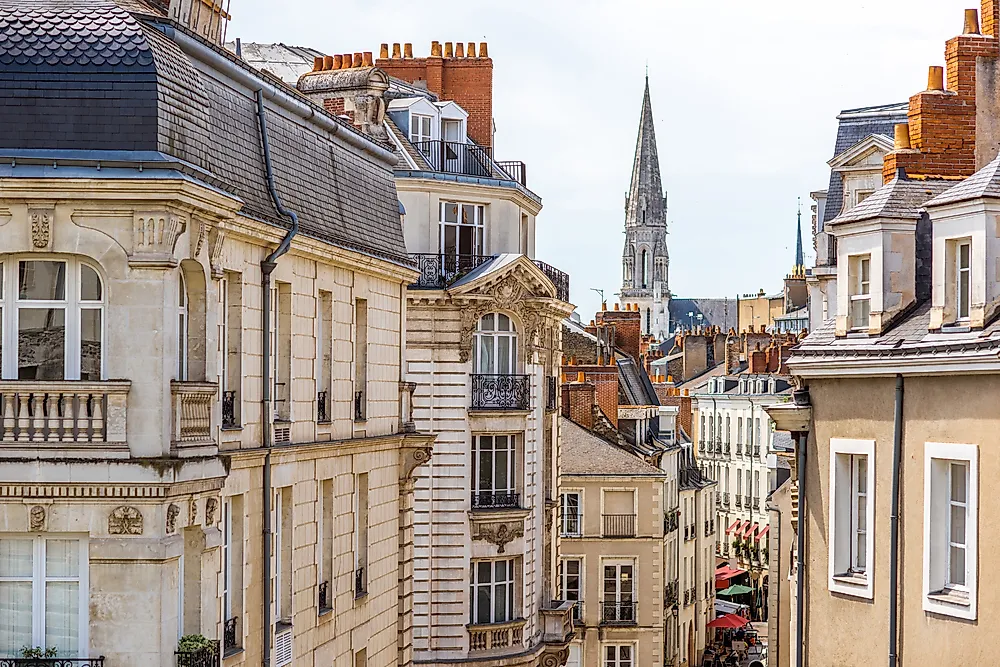
About 50 km (31 miles) from the Atlantic coast, Nantes combines a rich maritime legacy with a reputation for innovation and quality of life. Once an important industrial port, the city has successfully reinvented itself as a center for culture, education, and creative industries. Nature remains an essential piece of the puzzle. The Jardin des Plantes, one of France's finest botanical gardens, spans 7 hectares (17 acres) in the heart of the city. Its collections include thousands of plant varieties, historic trees, extensive seasonal flower displays, and rare specimens.
Another highlight is the Château des Ducs de Bretagne, a striking 15th-century fortress surrounded by a moat. Today it houses the Musée d'histoire de Nantes, whose exhibits trace the city's development from the era of the Dukes of Brittany through its maritime and industrial periods. The city's transformation is perhaps most visible on the Île de Nantes. Former shipyards have given way to contemporary architecture, public art, parks, and cultural venues. At the center of this renewal is Les Machines de l'Île, where giant mechanical creations inspired by Jules Verne and Leonardo da Vinci, including the famous 12-metre (39-foot) Grand Éléphant, have become symbols of modern Nantes.
Nice

Set along the sparkling waters of the Mediterranean on the French Riviera, Nice needs no introduction. The popular tourist destination enjoys more than 300 days of sunshine each year, and its palm-lined seafront, outdoor cafés, and relaxed pace make it easy to understand why so many people choose to spend their retirement here. The famous Promenade des Anglais stretches for roughly 7 kilometres (4.3 miles) along the Bay of Angels, offering a scenic setting for daily walks, cycling, or people watching as the sea change colour throughout the day.
Beyond the waterfront, Nice offers plenty to explore at your own pace. The Cours Saleya market fills the heart of the Old Town with flowers, fruit, vegetables, and regional specialties throughout the week, while Monday's antiques market attracts collectors and browsers alike. For panoramic views of the coastline, take the elevator or gentle climb to Colline du Château (Castle Hill), where landscaped gardens and shaded paths overlook the city and the Mediterranean. Like Aix-en-Provence, art makes up a large part of the city's identity as well. Henri Matisse spent many of his later years in Nice, and the Musée Matisse, housed in a 17th-century Genoese villa, preserves one of the world's most important collections devoted to the artist.
Vannes

If Nice represents the glamour of the French Riviera, Vannes showcases a quieter side of France against a backdrop of medieval streets and the waters of the Gulf of Morbihan. Small, coastal, and unmistakably Breton, Vannes offers a gentler pace than France’s larger retirement destinations. The ramparts are one of the city’s unique pleasures, with towers, gates, walkways, and formal gardens creating a scenic route around the historic core. Nearby, Saint-Pierre Cathedral rises above the old town. Built on earlier Romanesque foundations, it is one of Brittany’s largest churches and houses the tomb of Saint Vincent Ferrier.
For a deeper look at the region’s past, Château Gaillard houses the Museum of History and Archaeology, with collections tracing Vannes and Morbihan from prehistory through the medieval period. Food lovers can continue to Place des Lices, where open-air market days and covered halls bring together seafood from the Gulf, local cheeses, charcuterie, seasonal produce, and Breton sweets such as salted butter caramel.
Why France Remains the Gold Standard for Retirement
France continues to stand out as one of the world's most appealing retirement destinations because it offers so many different ways to enjoy later life. Some retirees may be drawn to the lakeside scenery of Annecy, while others prefer the Mediterranean sunshine of Nice or the vineyard culture of Bordeaux. Cities such as Aix-en-Provence and Toulouse combine history, art, and everyday conveniences, while places like La Rochelle and Vannes offer a slower pace shaped by the sea. What these destinations share is a high quality of life, walkable neighbourhoods, excellent food, and a strong sense of local identity. Whether you're looking for mountain views, coastal living, cultural attractions, outdoor recreation, or simply a welcoming community, France offers a retirement destination to match almost any lifestyle.