6 Snake-Filled Waters In Minnesota
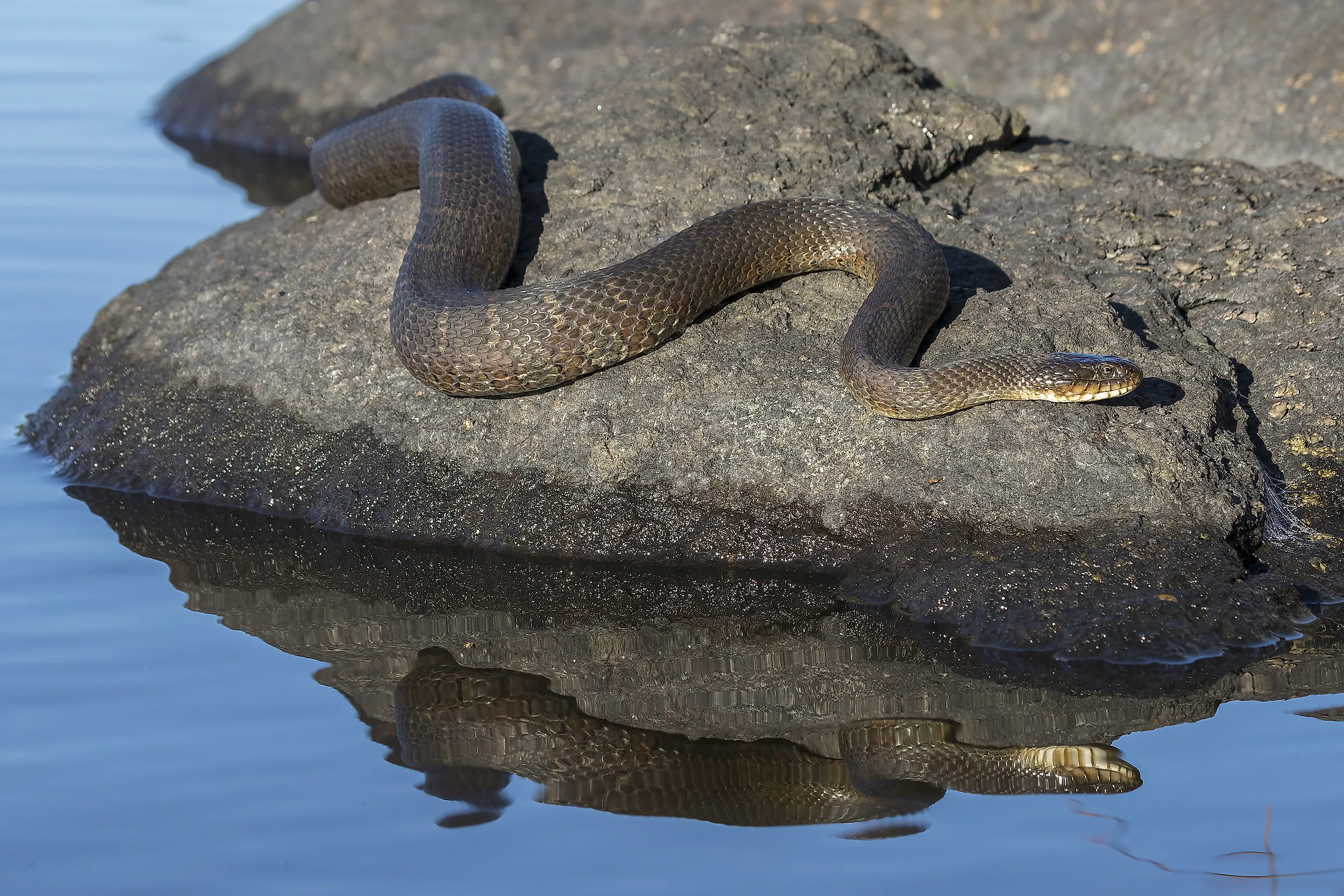
Minnesota surprises many visitors with the number and variety of snakes that live in and along its lakes, rivers, and wetlands. From warm spring mornings when shallow bays and reed beds heat quickly, to late summer afternoons when snakes sun themselves on driftwood and rocky points, water snakes, garter snakes, and other species concentrate along Minnesota’s shorelines, backwater sloughs, island edges, and bluff bases. Changes in water levels, shoreline development, and invasive species have altered where snakes gather, making some of the state’s oxbows and marshy coves especially active, even now. So pack sturdy footwear, don't forget your binoculars, and expect rewarding, sometimes surprising, wildlife connections along Minnesota’s waters.
Lake Pepin

Lake Pepin is the Mississippi River’s broad, slow reach between Minnesota and Wisconsin, and it concentrates wildlife in a way that attracts snakes and people alike. Shallow waters and shorelines offer ideal sunning and hunting spots for the northern water snake, and garter snakes and other riparian species can be found frequenting the littoral zone. The lake’s calm, slow-moving water and abundant prey make it a steady habitat for snakes during the warm months, and the shoreline mosaic of wetlands and bluffs supports not only reptiles, but also waterbirds and amphibians that form the local food web. Visitors who plan hikes near the lake in places like Frontenac State Park and Sand Point Trail will find that careful footing on rocky points and respectful distance from any reptile reduces risk for both human and animal.
The Mississippi River (Upper Mississippi and backwaters)

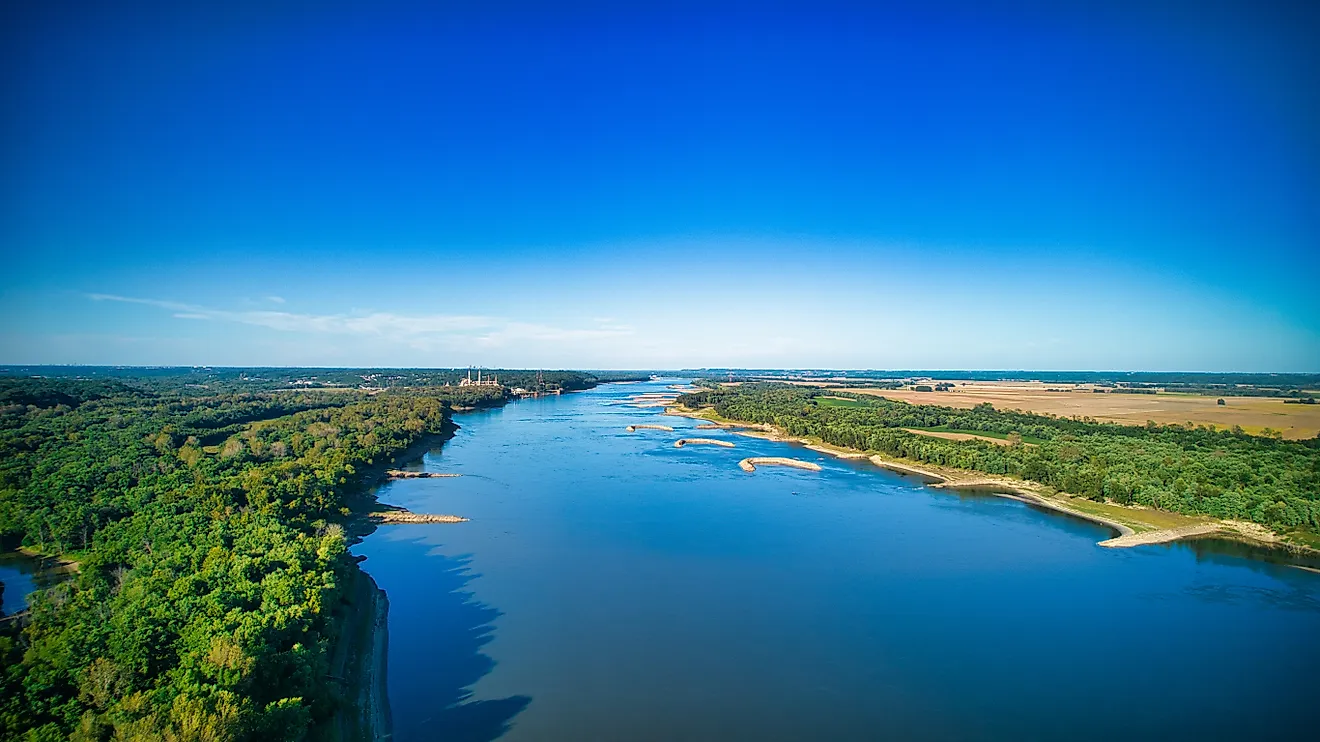
The Mississippi River in Minnesota is more than a single channel; it is an intricate system of main river, side channels, impoundments, and backwater lakes, and those quieter edges are where snakes tend to concentrate. The Minnesota Department of Natural Resources documents the presence of the northern water snake along the Mississippi in the state, noting that water-adapted snakes use riparian vegetation and rock crevices for shelter and foraging. In the Upper Mississippi Valley, the combination of warm, slow side channels and abundant aquatic prey draws snakes to shorelines and logjams, where they may be mistaken for other species.
In some bluff-dominated reaches of the river valley, remnant populations of the venomous timber rattlesnake persist on steep, rocky slopes that neighbor the river corridor, making local knowledge and caution important for hikers and anglers in those areas. For visitors, the best practice is to keep to designated trails, avoid stepping into dense shoreline vegetation without a clear view, and treat every encounter with respect so that snakes can retreat without harm.
The St. Croix River

The St. Croix River forms a long, forested boundary between eastern Minnesota and western Wisconsin, and its pockets of slow water, marshy inlets, and rocky shorelines provide welcoming habitat for water-loving snakes, such as the northern water snake, the common garter snake, and the plains garter snake. Interstate State Park and similar protected areas along the St. Croix offer both exposed rock faces and sheltered coves where snakes may bask or hunt, while backwater ponds and oxbows host amphibian and fish populations that sustain larger snake numbers.
Recreational users who venture into the river valley for paddling, fishing, or hiking will see that snakes are more likely to flee than to confront people, but encounters increase where trails cross sunny rock outcrops or where anglers step through emergent vegetation to reach a cast point. The river’s varied edge habitats make it important for visitors to watch each footstep, to give reptiles space to move off, and to report any injured animals to park staff so they can receive appropriate care.
The Minnesota River

The Minnesota River drains much of the state’s agricultural heartland, and along its course are oxbows, shallow floodplain lakes, and back channels that hold snakes in significant numbers. Slow side channels warm early in the spring and produce robust insect and small fish populations, which serve as food for northern water snakes, garter snakes, and other common species. In addition, the river’s banks include patches of rock and prairie remnants in bluff sections where snake dens and hibernacula may occur, concentrating animals around specific winter shelter sites.
Local conservation efforts that preserve riparian buffer strips and protect backwater wetlands indirectly support healthy snake populations by maintaining the aquatic food web. Anglers who pursue bass, catfish, and panfish will note that shoreline structures, such as fallen trees and reed lines, attract both prey and predators; visitors should therefore expect reptile activity, particularly on warm, sunlit days.
Red Lake

Red Lake, a large, shallow complex in northern Minnesota, presents a different kind of snake habitat in broad littoral zones and abundant marshland edges where garter snakes and other water-tolerant species thrive. The lake’s expansive shallows warm quickly in the spring and support prolific insect and amphibian breeding, providing abundant foraging opportunities for snakes. Native communities and anglers who use the lake for subsistence and recreation have long known the shoreline as a productive place for wildlife viewing and for encounters with reptiles that hunt along sedge beds and broken shorelines.
Red Lake’s scale and seasonal dynamics mean that snake activity is often concentrated in ribbon-like wetlands and on small islands of emergent vegetation, locations that are easy for paddlers and shore anglers to approach unknowingly. Though the snakes in this lake are typically non-venomous species, viewing from a respectful distance and avoiding handling them is good practice, as it protects both people and animals while allowing visitors to appreciate the lake’s rich web of life.
Mille Lacs Lake

Mille Lacs Lake is a large inland lake with complex shorelines, shallow bays, and a long history of fisheries research, and the same shoreline complexity that supports walleye and pike also supports reptiles that hunt in aquatic edge zones. While snakes are not the headline species for the lake, it is worth noting that Mille Lacs’ inshore marshes and reed-choked coves form seasonal hotspots for northern water snakes and garter snakes when prey concentrations are high.
Human uses that involve shoreline access, such as launching small boats, casting from shallow flats, or walking along natural beaches, bring people into the same warm, sheltered microhabitats preferred by snakes. Researchers and resource managers also monitor how invasive species, changing water clarity, and shoreline development influence the distribution of prey and predators, and those factors determine where snakes will be most abundant from year to year. Responsible recreation near Mille Lacs means watching your footing in vegetated shallows, giving any reptile a clear escape route, and learning from local naturalists about sensitive areas to avoid.
Where Caution Meets Curiosity
Minnesota’s lakes and rivers reward curiosity with birds, fish, and a surprising diversity of reptiles, including species that spend much of their lives in or beside water. Observers who expect to encounter snakes on shorelines, in marshy coves, and on sunlit rocks will be better prepared to behave in ways that minimize harm. Simple steps such as wearing sturdy footwear, keeping dogs leashed near reed lines, stepping back from any coiled or defensive snake, and reporting unusual or injured animals to state wildlife staff protect both visitors and herpetofauna. Snakes perform valuable ecological roles by controlling rodents and amphibian populations, and healthy snake communities are a sign of functioning aquatic ecosystems. Whether planning a paddling trip on an oxbow, a bluff-top hike along the Mississippi, or a family day at a shallow lake, visitors will find that knowledge and respectful distance allow rewarding wildlife encounters without unnecessary alarm.