5 Snake-Filled Waters In Kansas
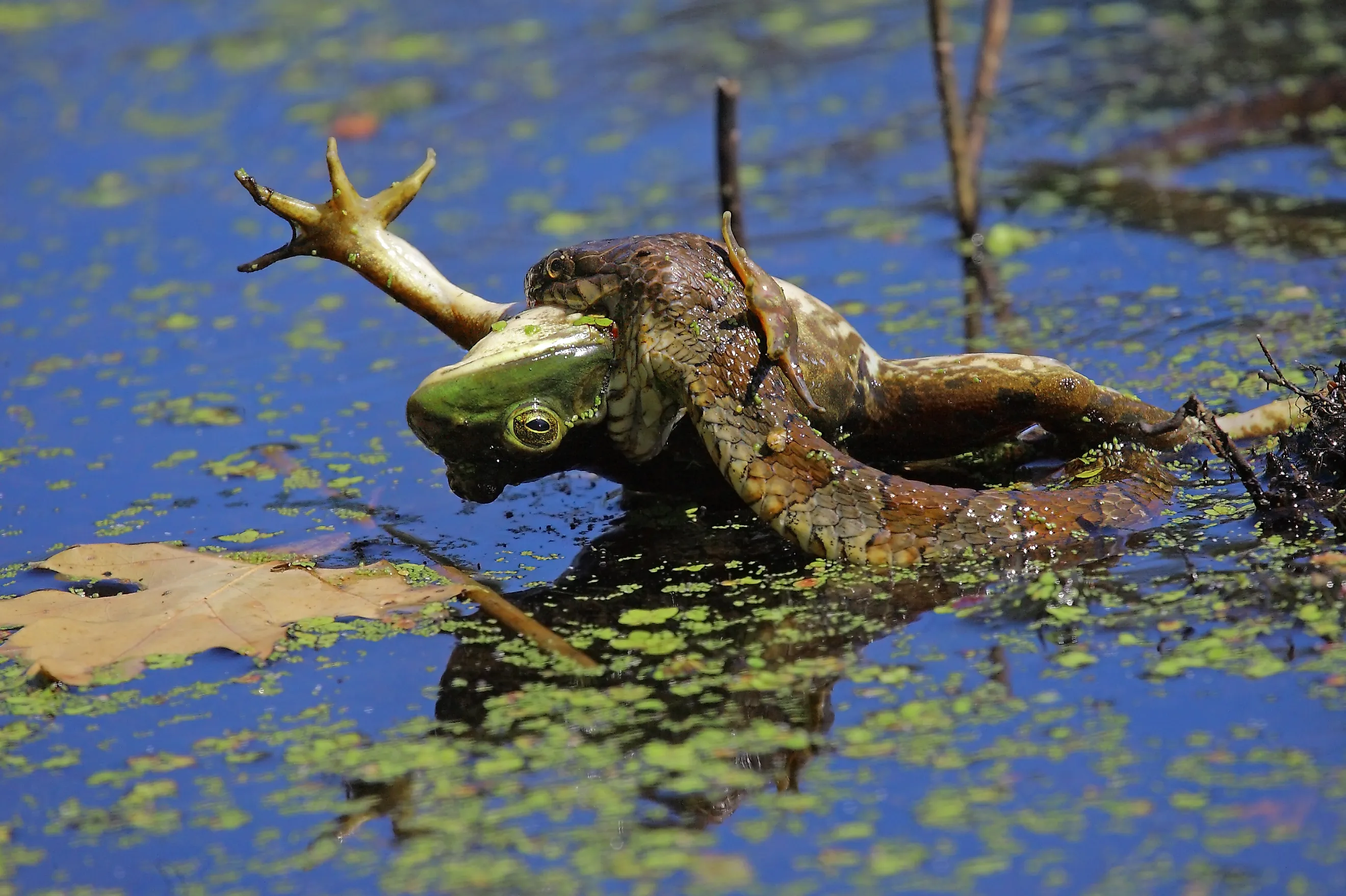
Kansas is better known for its sweeping prairies and sunflower fields than for its reptiles, but water lovers and outdoor adventurers should be aware that many of the state’s rivers, lakes, and reservoirs provide prime habitat for snakes. With over 40 species of snakes in Kansas, including a few venomous ones, many aquatic and semi-aquatic areas support significant snake activity, especially during warmer months when reptiles are most active.
Most of the snakes encountered near water are non-venomous watersnakes that feed on fish, frogs, and other aquatic prey. While these species are generally harmless, awareness and respect for wildlife help ensure a safe and enjoyable outdoor experience.
Kansas River

The Kansas River, or the “Kaw,” runs across northeastern Kansas from Junction City to Kansas City. With its long shoreline, sandy bars, and abundant vegetation, the river provides suitable habitat for a variety of snake species. Common garter snakes, western rat snakes, northern water snakes, and eastern hognose snakes are all found along the river corridor and are not considered dangerous to people.

The Kansas River is a popular recreational area, offering opportunities for canoeing, fishing, hiking, birdwatching, and camping, particularly along sandbars and vegetated shoreline areas.
Neosho River

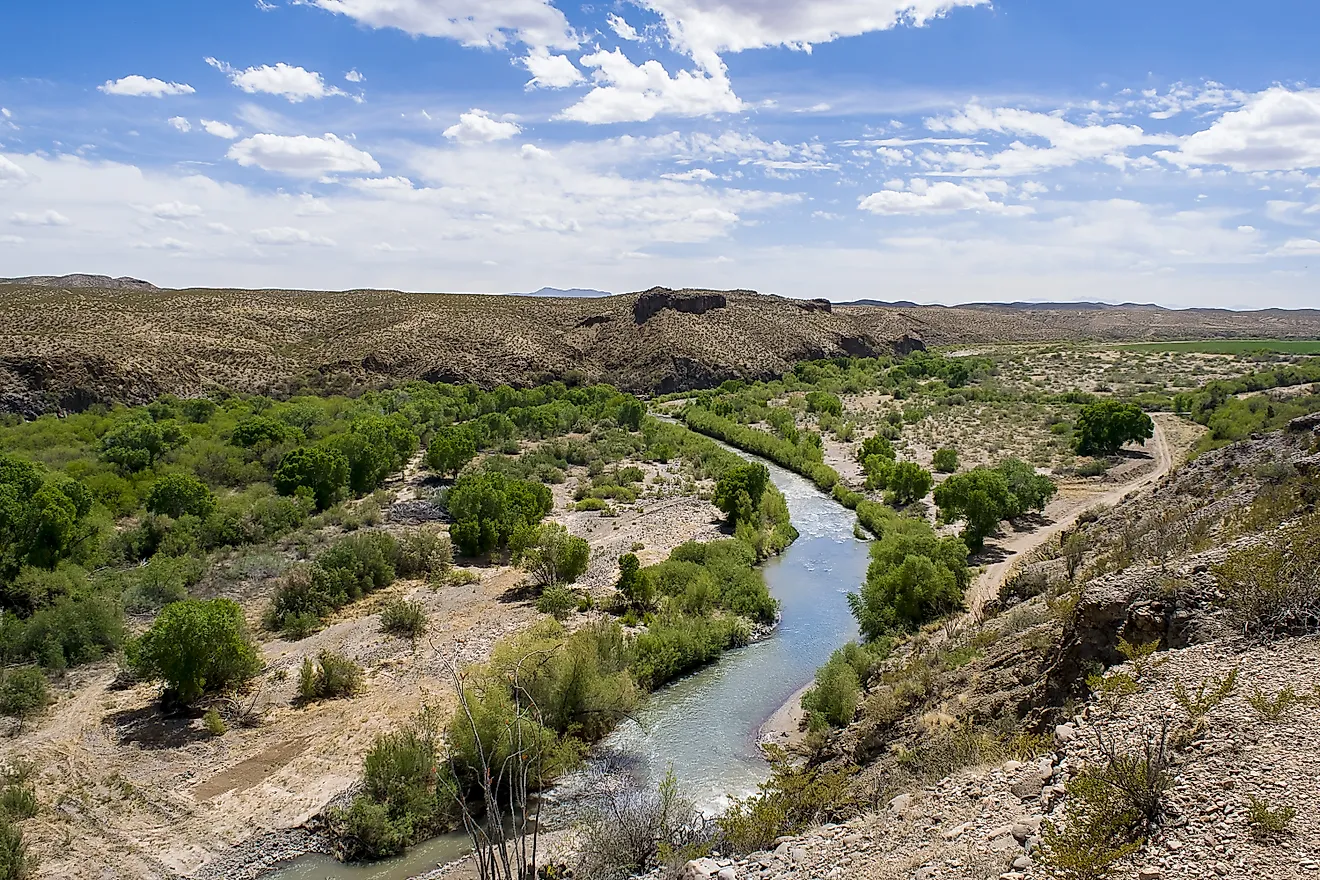
The Neosho River flows through southeast Kansas and extends hundreds of miles across both Kansas and Oklahoma. The river features a wide range of natural habitats, including hardwood forests, floodplain wetlands, and calm backwaters, which create suitable conditions for many snake species.

In these fish-rich waters and along vegetated banks, visitors may encounter plain-bellied water snakes and northern water snakes, both of which favor slow-moving sections of the river. Rough green snakes are also present and are often seen in overhanging vegetation. Speckled kingsnakes and western rat snakes are found within the river’s diverse shoreline environments. The combination of open water and plant life supports a variety of native wildlife.
Chikaskia River

The Chikaskia River, a tributary of the Salt Fork of the Arkansas River, flows through southern Kansas and into northern Oklahoma, where grasslands and shaded forests meet. This mix of habitats supports several snake species, including checkered garter snakes, a non-venomous species commonly associated with the region. Various watersnakes are also present, including northern water snakes that are drawn to the river’s slow bends and shallow pools.

In addition to reptiles, the Chikaskia River supports fish and other wildlife. Its gently sloping banks provide suitable areas for wading birds, amphibians, and snakes to rest and hunt.
Tuttle Creek Lake

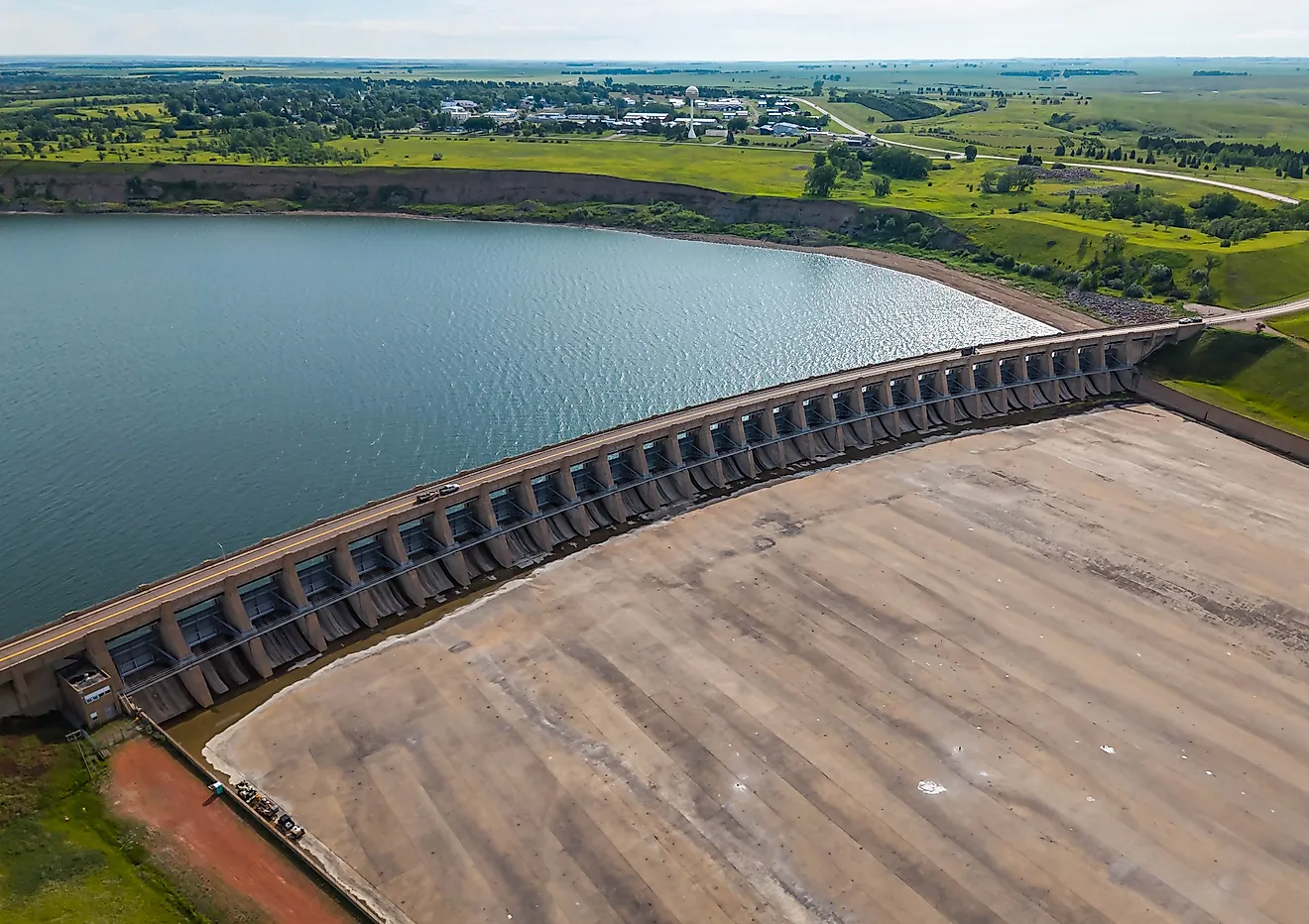
Tuttle Creek Lake was created by the Big Blue River and is a large reservoir in northern Kansas near Manhattan. The lake is known for its shoreline, coves, and wetland-like habitats. Northern water snakes are commonly found along the lake’s edges, while plain-bellied water snakes are often seen near marshes and coves.

Rat snakes and garter snakes are also frequently observed in shaded areas near the water. The lake and surrounding Tuttle Creek State Park support recreational activities such as boating, swimming, camping, and hiking.
Milford Lake

Milford Lake is the largest reservoir in Kansas and features a mix of open water, varied shoreline areas, and adjacent wetlands that support a range of wildlife. Several snake species inhabit the area, including northern water snakes, which are commonly seen along vegetated inlets and lake edges, and common garter snakes that are active during warmer months near the shoreline and shallow water.

Less frequently, venomous species such as timber rattlesnakes and eastern copperheads may be encountered near rocky or brushy areas close to the water’s edge, particularly in less developed sections of the lake.
Understanding Snake Habitats in Kansas Waters
Kansas waters support a wide variety of snake species, many of which are non-venomous water snakes or garter snakes that play an important role in local ecosystems by helping regulate fish and amphibian populations.
While a small number of venomous species, such as timber rattlesnakes and copperheads, may be present in some areas, particularly near lake edges or vegetated riverbanks, visitors are encouraged to respect wildlife, wear appropriate footwear, and observe snakes from a safe distance.