7 Underrated Indiana Towns Worth the Drive in 2026
If you are serious about seeing Indiana, it is time to hunt down those small towns that aren’t polished up for Instagram. Out past those miles of signature cornfields, the real Americana charm starts showing up: Ohio River streets that still echo the steamboat days, old-school gyms that come alive with basketball lore, and downtowns that look like they’ve been doing their own thing for decades. Towns like Madison, with its riverfront history and big 19th-century bones, or Santa Claus, where the holiday vibes somehow feel like everyday living. These are the kinds of places that matter, underrated Indiana detours worth taking in 2026.
Madison

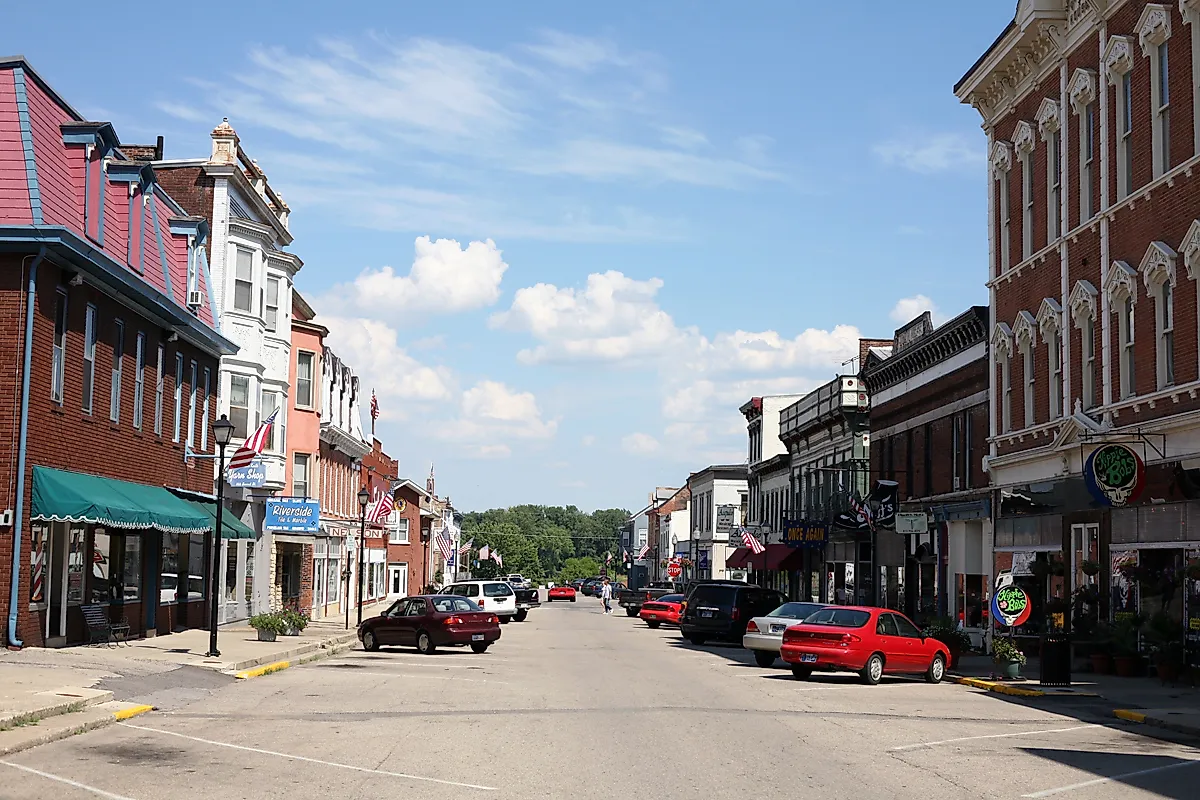
Madison is located beside the Ohio River, directly across from Kentucky. It can be reached within an hour from Louisville and approximately 90 minutes by car from Indianapolis. Almost 12,000 people are living here, over 133 blocks filled with historic buildings from the 19th century. With its iron balconies and large brick storefronts on Main Street, the city gives an impression more similar to a Southern port place than an ordinary Indiana farm town. In the center of Madison, the Lanier Mansion stands near the riverfront, and it is hard not to notice, with its columns facing toward the formal gardens that slope down to the river.
Also, something you will not see just anywhere, in July, the Madison Regatta sends hydroplanes tearing across the water at full throttle, a thunderous river spectacle rare in the region. For something a bit quieter, the Clifty Falls State Park is right outside of town, with four waterfalls and deep canyons, definitely not the flat landscape people expect. On Trail 2 in the park, stone steps drop beside a waterfall that surges through a limestone gorge. After heavy rain, the spray hits the railing as you go down, but be careful, it can get slippery.
Santa Claus

Way back in 1856, the people here tried naming their town Santa Fe. The issue was, there was already another Santa Fe in the same state, so the post office said no to that plan. According to local legend, at a Christmas Eve town meeting, residents were debating a new name when the sound of sleigh bells rang outside. Children began shouting "Santa Claus!" — and the name stuck. Every holiday season, the town becomes busy with visitors. Also, volunteers here dive into thousands of letters sent from kids around the world.
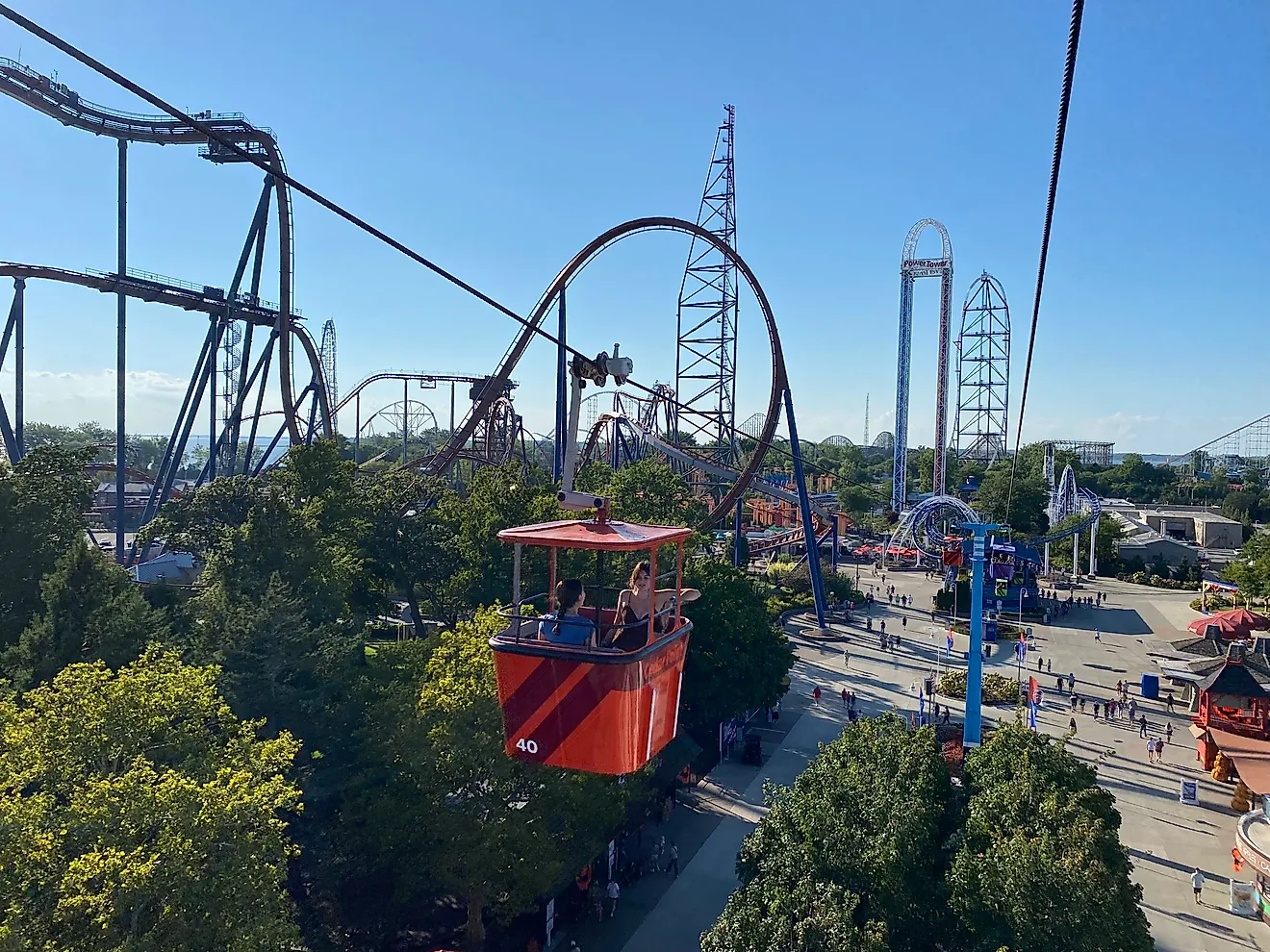
Here in town, you can spend a whole day at Holiday World just for The Voyage, a wooden coaster that consistently ranks as one of the best for airtime. If you want something less intense, Santa’s Candy Castle serves a frozen hot chocolate that is basically a local requirement. Children can access the “North Pole Network,” a computer station where an elf decides if they belong on the Good List and hands out a real certificate. If you are feeling up for it, you should check out the Santa Claus Museum and catch sight of the giant, 22-foot concrete Santa built back in 1935, or maybe chow down on a holiday-inspired pizza at Fat Santa’s Pizza before you wrap things up.
Winona Lake

Just about an hour from the airports in both South Bend and Fort Wayne, this lake community grew out of a 1895 Chautauqua camp that used to pull in huge crowds for traveling performers. That history is still obvious in the town layout, with a collection of preserved buildings still alive and well. Like the old cottages in the Village at Winona, which are mostly shops and cafes now, with brick paths that head right down to the water.
The town also has a one-of-a-kind religious heritage building to check out when you are here. The Billy Sunday Home Museum is the actual bungalow where evangelist Billy Sunday lived back when he was drawing thousands of people to a wooden tabernacle. You can also catch the sunset on the town’s pier, or at Cerulean Restaurant, grab sushi while sitting outside right by the water. If you like being outdoors, the Winona Lake Trail System nearby has close to nine miles of trails for mountain biking.
Fortville

About 30 minutes northeast of Indianapolis, Fortville has a reputation for serving good food. Outside of the restaurants, you can encounter a few unique landmarks here in town. For example, the Pink Elephant, a huge statue in rimmed glasses clutching a martini, posted up out in front of a liquor store. When you come through, it is the go-to marker for giving directions. Also, the town features one of Indiana’s few U-pick blackberry farms. Spend about an hour at Wild Blackberry Farms picking berries across 40 acres, and everything in the nearby suburbs suddenly seems far, far away.
Now, let us circle back to that awesome food. If you feel like trying some, snag a spot at the FoxGardin Kitchen & Ale, which is home to comfort food with a twist and has a strong lineup of craft beers. Or you could try Cortona’s Italian Cuisine & Wine Bar, which is the go-to for handmade pasta and tried-and-true Italian classics. You will not head out of Fortville feeling hungry.
Aurora

Sitting right on the Ohio River, Aurora was founded in 1819 and grew up as a major steamboat hub. The closest major city is actually over in Cincinnati, only 30 minutes away. Aurora has a classic river town look with massive, old brick buildings right by the hills stacked above the flood line. The town has roots in river trade, yet what really puts it on the map is Hillforest Mansion, built back in 1855 by the industrialist Thomas Gaff. With its big verandas and layered porches, the building was actually meant to reflect a steamboat’s appearance.
Step into the Hillforest Victorian House Museum and eye those circular porches, shaped to channel the feel of an 1850s river steamer deck. If you are craving a bite, grab food and drinks at Third and Main, inside a unique old-school brick spot in the downtown core. After some food, try the Dearborn Trail, along the river, running straight toward Lawrenceburg if you are down for a stroll or a spin on your bike. Up on the ridge, the Veraestau Historic Site is an old estate that has one of the best views of the Ohio River valley in the region.
Knightstown

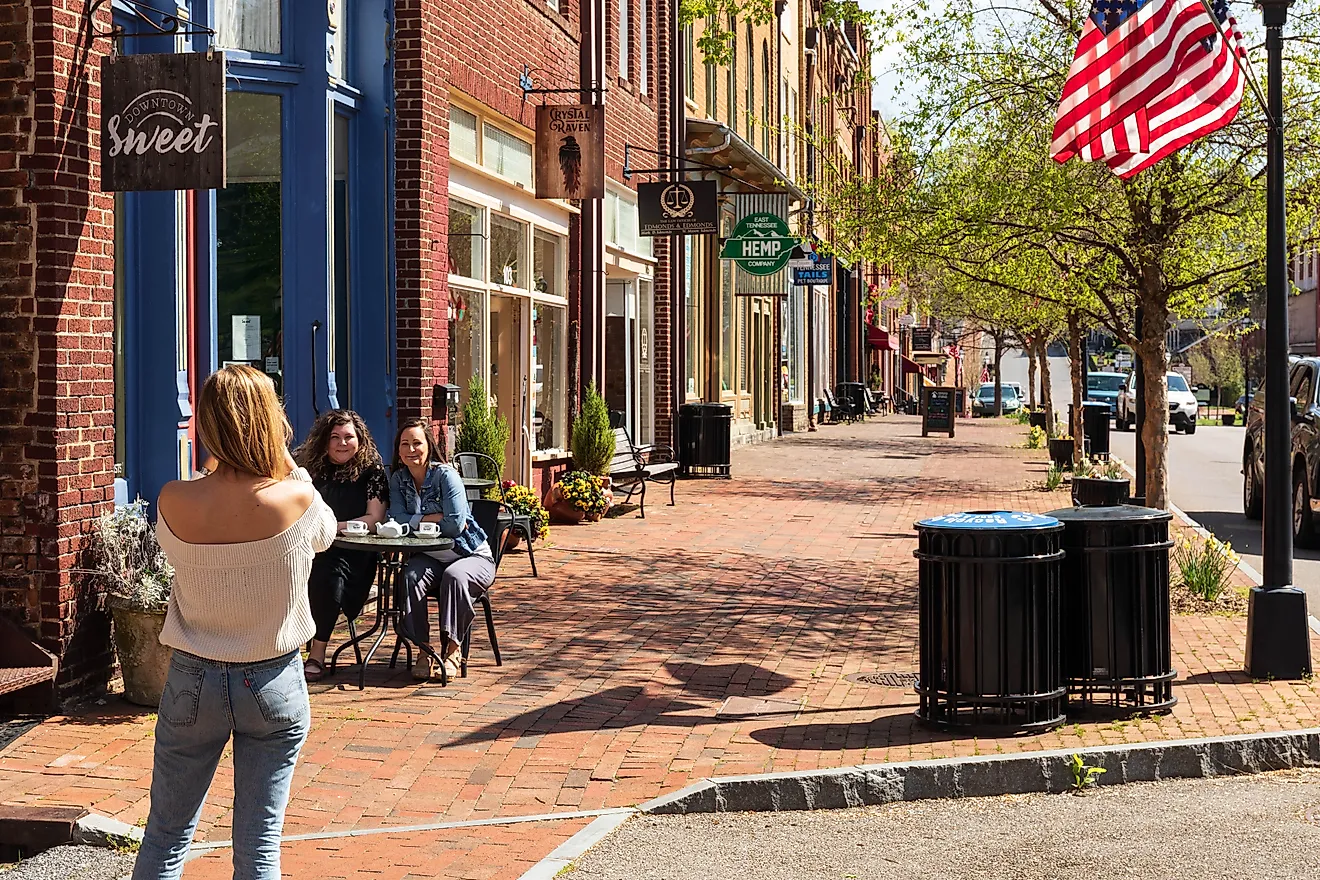
This town sits smack on US Route 40, the old National Road, and honestly feels a portal back to a time to when high school sports ruled Indiana. The town square hasn't changed much from a half-century ago, and those red-brick storefronts have an iconic, well-used, old-school style. The Hoosier Gym is a big attraction, and to be fair, even if basketball does not sway you much, it is still a blast to stand in a spot loaded with movie history. After all, it is right where the iconic scenes from the "Hoosiers" movie actually happened.
Strolling through the heart of Knightstown, those aging buildings give off a vibe that kind of nudges you to wander and peek past the next block. Go ahead and check out the Knightstown Academy. This landmark hammers home a feeling from a whole different era, with its massive brick structure stretching up three stories. Nearby, the Historic Knightstown Museum on the town square gives you a great sense of how early Indiana towns developed, with exhibits of photos and memorabilia. Entry is free. After that, Sunset Park is simple and quiet, which feels like the point when you just want fresh air and a slower pace on a quiet weekend day.
Wabash

You can find this town roughly an hour southwest of Fort Wayne, sitting right by the Wabash River, and its downtown feels stitched tightly to the industrial roots of the area. According to the official state of Indiana government website, back in 1880, Wabash became the "first electrically lighted city" when four massive arc lamps began to blaze above the courthouse square. You can see the actual story behind those lights at the Wabash County Museum, which has exhibits on how the whole demonstration worked.
You will stumble onto a bunch of unique places in this area, maybe watching someone perform at the Honeywell Center. Then you could just hang out at the Eagles Theatre, which, built way back in 1906, has been transformed and feels historic but fresh. If you are planning to stay overnight, grab a room at Charley Creek Inn, where the atmosphere totally pulls you into the roaring twenties thanks to its rooftop ballroom and the classic candy store right below. Charley Creek Gardens is just a quick stroll from here and its pathways wind around, mixing unique areas of plants. It acts as a horticultural community and teaches about greenery and nudges people to both appreciate and help take care of it.
Indiana doesn’t need flashy slogans when towns like these still feel lived-in and layered. The history is out in the open, the character is authentic, and nothing is staged for visitors. In 2026, take the slower highways, wander the streets, linger in cafes, and explore museums. The real Indiana — the one of stories, quirks, and quiet discoveries — waits just past the exit signs.