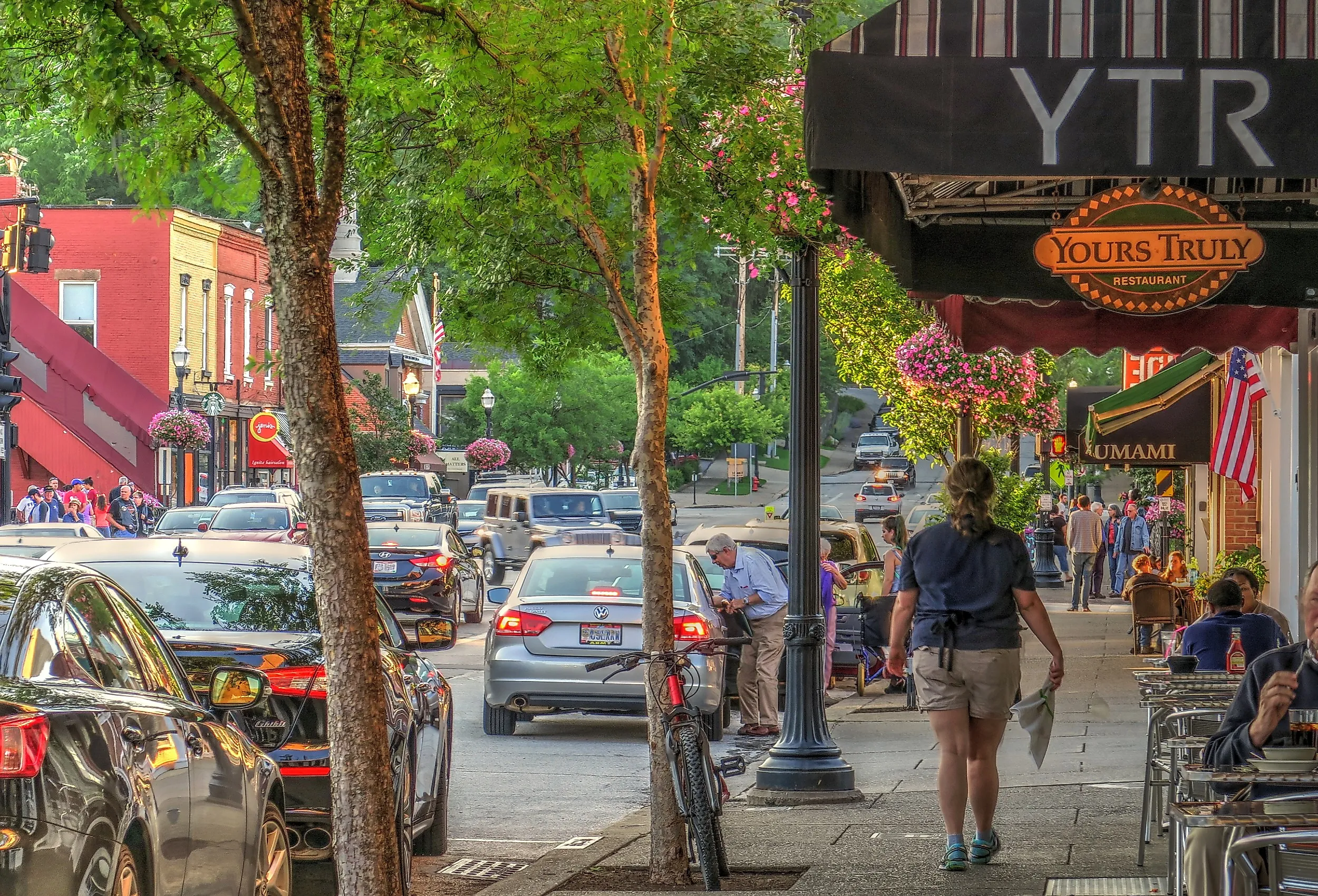
10 Small Towns in Ohio With the Best Downtowns
A 20-foot waterfall drops through downtown Chagrin Falls. A 23-foot cuckoo clock plays polka music on Main Street in Sugarcreek. A hand-built stone castle on the Little Miami River anchors Loveland's south end. The 10 small Ohio downtowns below all hold something specific enough that visitors plan around them rather than passing them by accident. Most run a flagship annual festival, all keep locally owned shops and restaurants on a walkable main street, and several preserve significant pieces of Underground Railroad or Erie Canal history.
Sugarcreek

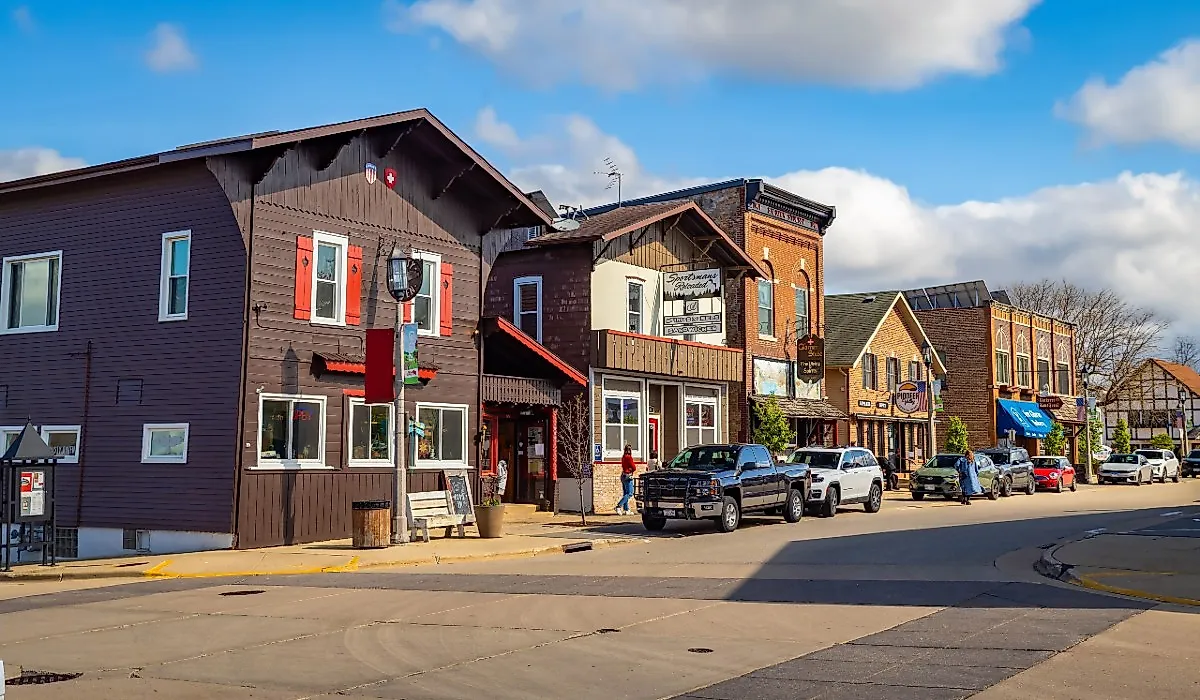
Sugarcreek's downtown is built around Swiss Alpine-themed architecture, a holdover from the area's Swiss and German immigrant settlement in the 19th century. The local landmark is the World's Largest Cuckoo Clock, the 23-foot installation on Main Street that performs every half hour with a polka melody and a wooden cuckoo on a track. The Alpine Hills Historical Museum, also on the main thoroughfare, runs three floors of exhibits on regional German and Swiss heritage including farming tools, immigrant household goods, and military memorabilia.
Dutch Valley Restaurant serves Amish-style cooking with smoked ham, broasted chicken, and mashed potatoes, much of it sourced from the surrounding farms. Sugarcreek sits in Tuscarawas County in the heart of Ohio's Amish country, and most weekend visitors pair the downtown stop with a drive through the surrounding back roads.
Granville

Located about 30 minutes east of Columbus, Granville's town center features well-preserved historic architecture along Broadway Street. The town was founded in 1805 by settlers from Granville, Massachusetts, and it carries that New England layout in its village green and the strong concentration of Greek Revival buildings on its main thoroughfare. The 1842 Robbins Hunter Museum, in the Greek Revival Avery-Downer House on Broadway, holds a collection of 19th-century antiques and furnishings. As a college town with Denison University on the hill above downtown, Granville keeps a steady restaurant and bar scene year-round. The Broadway Pub serves casual food, draft beer, and craft cocktails. The Granville Farmers Market runs Saturday mornings in season and brings out more than 50 local farmers, bakers, and crafters.
Marietta

Marietta sits at the meeting of the Muskingum and Ohio rivers, founded in 1788 as the first permanent American settlement in the Northwest Territory. The Valley Gem Sternwheeler runs narrated cruises out of the riverfront from spring through fall. The Campus Martius Museum on Washington Street holds the Ohio Company Land Office, the oldest known building in Ohio (1788), and exhibits documenting the Northwest Ordinance and the early settlement period.
The Castle Historic House Museum, an 1855 Gothic Revival home on Fourth Street, displays original woodwork and rotating exhibits on 19th-century middle-class life. The Peoples Bank Theatre on Putnam Street is a restored 1919 vaudeville theater that now seats around 940 and runs concerts, plays, and film programming year-round.
Chagrin Falls

The Chagrin Falls waterfall on the Chagrin River drops about 20 feet directly through the middle of this Cleveland suburb's commercial district. Within a block of the falls are restaurants, boutiques, galleries, and independent businesses. The Glass Asylum on Main Street runs glassblowing demonstrations and hands-on workshops where visitors can blow their own piece. The Popcorn Shop, in the small white building right at the falls, has been selling fresh popcorn and ice cream from its perch above the river since 1949.
17 River Grille on River Street serves seafood, steaks, and salads with a dining room overlooking the falls. The town also runs the annual Blossom Time Festival in late May, the longest-running community festival in northeast Ohio, which has been held continuously since 1947.
Coshocton

Downtown Coshocton holds wide brick sidewalks and a strong concentration of 19th-century commercial buildings. Its centerpiece is Historic Roscoe Village, a restored Ohio and Erie Canal town from the 1830s on the west side of the city. Costumed interpreters guide visitors through the village and show how Erie Canal towns operated at their commercial peak. Inside the village, the Johnson-Humrickhouse Museum runs exhibits on Native American, Ohio, and international history, with rotating special collections.
The Shelby Theatres on Main Street runs first-run films across multiple screens for visitors who want a break from the historical programming. Legacy Lanes & Lounge, a 34-lane bowling center on the south side of town, fills out the local everyday-use lineup.
Yellow Springs

Yellow Springs runs a pedestrian-friendly main street along Xenia Avenue lined with locally owned shops, galleries, and food. The town is closely tied to Antioch College, which has been a magnet for the local arts and counterculture scenes since the 19th century, and Dave Chappelle is the most famous current resident. Yellow Springs Pottery sells handmade pottery from a working studio on Xenia. The Sunrise Cafe, a few doors down, has been a community fixture for decades and serves American breakfast, brunch, and dinner.
Yellow Springs Brewery on Walnut Street produces a rotating list of craft beers and runs a tasting room. Tuck-N-Red's Spirit & Wine pours Ohio-distilled vodka, moonshine, and agave spirits along with regional wines.
Ripley

Ripley's 19th-century downtown sits on the Ohio River and preserves a significant chapter of Underground Railroad history. The John Parker House, built in the 1850s by African American abolitionist John P. Parker, played a direct role in helping enslaved people cross from Kentucky to free territory. Parker's autobiography, His Promised Land, recounts his work running people across the river at night, and the home now operates as a museum. The John Rankin House, built in 1828 by abolitionist minister John Rankin, sits on a bluff above town and was one of the first stops for escapees on the northern side of the river. The Rankins are believed to have helped roughly 2,000 people through the network. Brookies on Main Street is the local standby for wings, pizza, beer, and cocktails.
Waynesville

Waynesville runs a downtown of more than 70 shops along Main Street and the surrounding blocks. The annual Ohio Sauerkraut Festival each October draws an estimated 350,000 attendees over two days and turns the main thoroughfare into a working street fair of artisans, food vendors, and live music. Waynesville is also known for antique shopping; the Waynesville Antique Mall on South Main carries inventory from roughly 50 dealers.
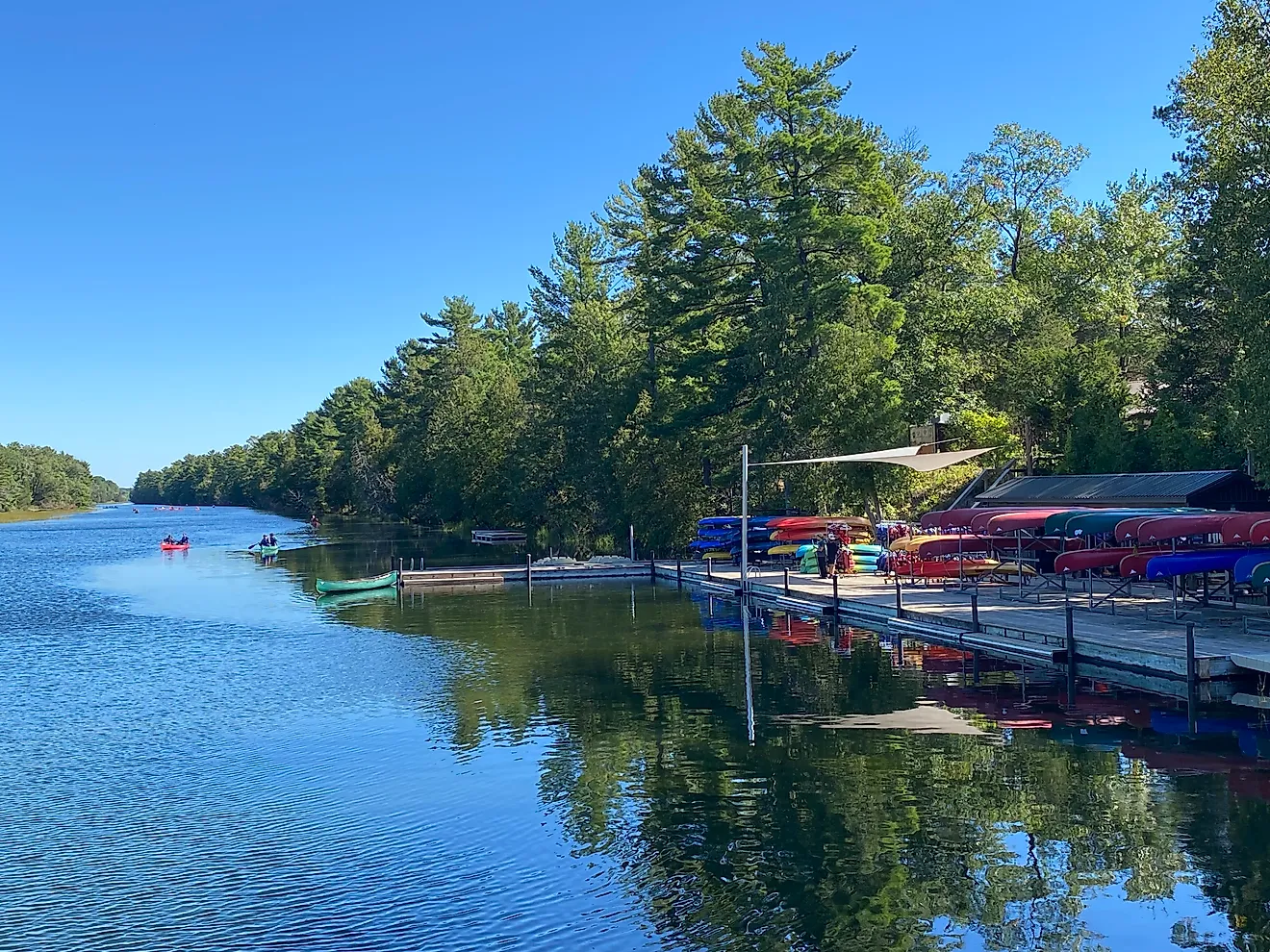
The Little Miami River runs along the eastern edge of downtown. RiversEdge Canoe & Kayak Outfitters runs the local livery for paddling, with kayak, canoe, and raft rentals plus shuttle service.
Loveland

Loveland's downtown sits on the Little Miami River and on the Loveland Bike Trail, the paved rail-trail that runs more than 70 miles between Cincinnati and Springfield through the Little Miami River corridor. The Loveland Castle Museum on the river bank south of downtown is a stone castle hand-built by Boy Scout leader Harry D. Andrews between 1929 and his death in 1981; it operates as a museum with weapon displays, Norman-style architecture, and seasonal ghost-story events.
Lake Isabella, on the south side of town, is a 76-acre Hamilton County park surrounding a 28-acre reservoir stocked with catfish, bluegill, and trout. The park sits along the Little Miami River and runs picnic areas, fishing access, and a paved trail connection.
Westerville

Westerville's Main Street downtown holds the Hanby House, the 19th-century home of abolitionist Bishop William Hanby and his son Benjamin Hanby, the songwriter who wrote "Darling Nelly Gray," one of the most influential anti-slavery songs of the antebellum period. The home was a documented Underground Railroad stop and now operates as a museum. Down the street, the Westerville History Museum holds more than 50,000 documents and photographs covering the town's history from the early 1800s, including significant material on Westerville's long Prohibition movement and its role as headquarters of the Anti-Saloon League from 1909 to the early 20th century.
Uptown Deli & Brew on State Street pairs craft beer with sandwiches and a small patio. Alum Creek Park North on the north edge of downtown gives the daily-use lineup a green-space anchor.
The 10 Ohio downtowns above succeed by holding onto the things that make small-town main streets work: locally owned businesses, a clear historical or geographic anchor, walkability, and a community calendar that runs year-round rather than just in tourist season. Whether the draw is the Underground Railroad in Westerville and Ripley, the Ohio Sauerkraut Festival in Waynesville, or the working waterfall on the Chagrin River, each town rewards a slower pace.