10 Thriving Cities Built In Deserts Across The World
Cities are an unnatural fit for the desert. Deserts have no surface water, no obvious agricultural base, and temperatures that for half the year want to kill anything moving. And yet some of the largest and most-visited cities on the planet sit squarely in the middle of them. Some grew up around oases or river valleys, some on imported water and air conditioning, some on tourism, some on oil. Most run on all of the above. These ten cities are the most successful desert-dwellers on Earth.
Sharm El Sheikh, Egypt

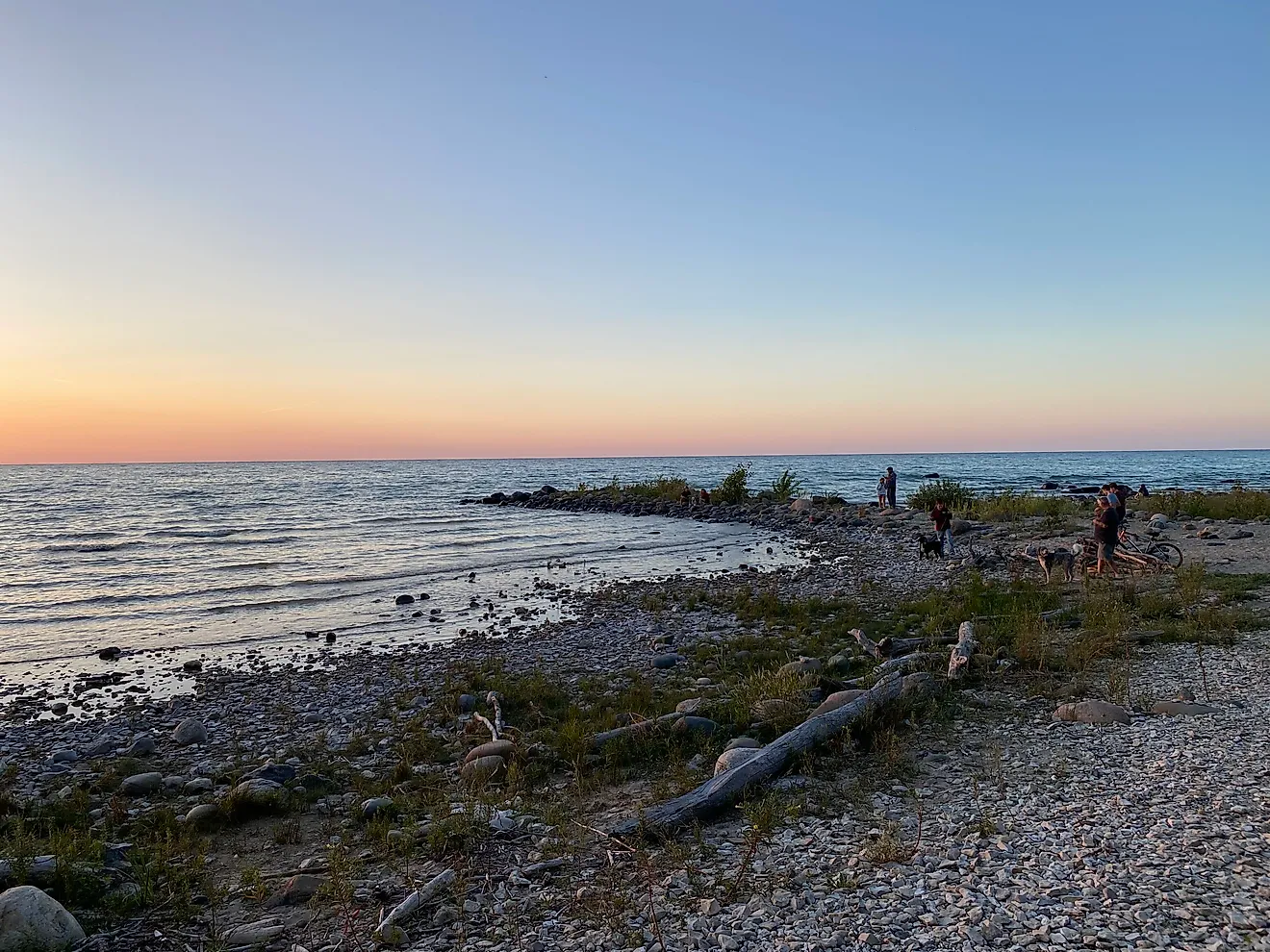
The southern tip of the Sinai Peninsula is a study in geographic improbability: hyper-arid mountain desert running straight into one of the most biodiverse coral reef systems on Earth. Sharm El Sheikh is the resort city the Egyptian government built to capitalize on that contrast. Population runs around 35,000 year-round, with multiples of that during peak diving and beach season. Ras Mohammed National Park at the peninsula's southern tip is consistently ranked among the world's top scuba destinations, with vertical reef walls dropping to over 800 meters. The city hosted COP27, the 2022 United Nations climate change conference, which put it briefly on the global news front pages. The weather runs hot and dry year-round, which is exactly what most visitors come for.
Santa Fe, New Mexico

Santa Fe sits at 7,199 feet in the southern foothills of the Sangre de Cristo Mountains, on the high desert plateau of northern New Mexico. The city was founded by Spanish colonists in 1610, making it the oldest continuously occupied state capital in the United States. Current population runs about 89,000. The art market on Canyon Road and the surrounding gallery district has been one of the largest in the country since the 1920s, when Georgia O'Keeffe and a cluster of other modernist painters relocated here. The annual Burning of Zozobra each Labor Day weekend, a 50-foot puppet representing the year's accumulated troubles, draws crowds of 50,000-plus and has been running since 1924. The cuisine runs on green chile.
Casablanca, Morocco

Casablanca is Morocco's largest city and economic capital, with about 3.75 million residents in the city proper and over 4.3 million in the greater metropolitan area. The Hassan II Mosque on the Atlantic shoreline holds the title of the largest mosque in Africa and was the largest in the world when completed in 1993. Its 689-foot minaret is among the tallest religious structures anywhere. The 1942 Bogart film of the same name was, famously, not actually filmed here (Warner Bros. shot it on a soundstage in California), which has not stopped tourists from looking for Rick's Café (a themed restaurant called exactly that was opened in the medina in 2004 to meet the demand). Casablanca technically sits on a Mediterranean climate edge rather than full desert, but the surrounding Moroccan interior is hard arid, and the city's water supply comes from infrastructure that treats it as such.
Baghdad, Iraq

Baghdad was founded in 762 AD by the Abbasid Caliph al-Mansur as a planned "Round City," a circular capital roughly two miles in diameter built on the west bank of the Tigris River. At its peak in the 9th century, Baghdad was probably the largest city on Earth and the intellectual capital of the Islamic Golden Age. The original House of Wisdom (Bayt al-Hikma), the library and translation institute that preserved much of classical Greek philosophy and produced foundational work in algebra and astronomy, was destroyed during the 1258 Mongol sack of the city. The Tigris reportedly ran black with ink from the dumped manuscripts. Modern Baghdad has about 8 million residents, is still the second-largest Arab city (after Cairo), and has been rebuilding through decades of war, sanctions, and US-led occupation.
Dubai, United Arab Emirates

Dubai built itself, almost from scratch in two generations, into the financial capital of the Persian Gulf. Population sits around 3.8 million. The Burj Khalifa at 2,717 feet has been the tallest building in the world since 2010. The Palm Jumeirah is a fully artificial palm-tree-shaped island that doubled the city's coastline. Dubai is also one of the world's busiest air-passenger hubs through Dubai International Airport (DXB), which has been the world's busiest for international passenger traffic since 2014. The popular framing of Dubai as an oil-rich Gulf state is dated: oil accounts for less than 1 percent of the emirate's GDP today, with tourism, finance, real estate, and aviation doing most of the work. The city does run restrictive laws on speech, conduct, and same-sex relationships, which is worth knowing before visiting. Indoor skiing at Ski Dubai inside the Mall of the Emirates remains, somehow, a thing that exists.
Phoenix, Arizona

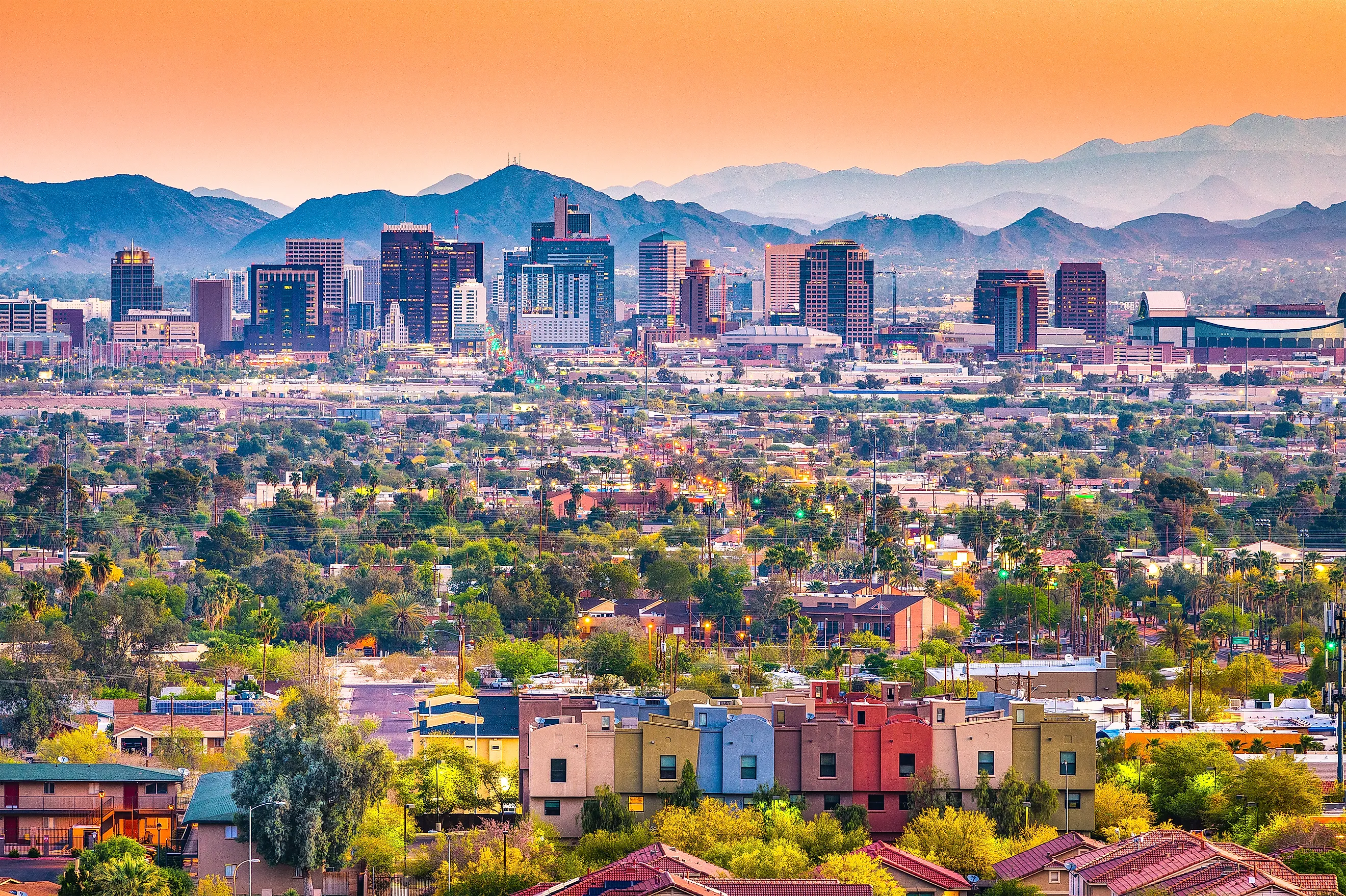
Phoenix sits in the Sonoran Desert in central Arizona, the fifth-most-populous city in the United States with about 1.65 million residents inside the city limits and 4.95 million in the metro. The city was founded in 1867 on the ruins of a Hohokam canal system that had irrigated the valley between roughly 600 and 1450 AD, before being abandoned in a multi-decade drought. Twentieth-century Phoenix grew on the "Five C's" (cotton, cattle, citrus, copper, climate). The current city runs primarily on technology manufacturing, healthcare, and retiree relocation. The all-time temperature record is 122°F (50°C), set on June 26, 1990; in recent summers the city has run 30-plus consecutive days over 110°F, which has put serious pressure on the power grid and on outdoor workers.
Lima, Peru

Lima is the second-largest desert city in the world (after Cairo) with about 9.7 million metro residents, and the second-driest capital city anywhere. Average annual rainfall is roughly 7 millimeters per year, the result of Lima's position on the cold Humboldt Current along the northern edge of the Atacama, the driest non-polar desert on Earth. The city sits on a series of bluffs above the Pacific Ocean, with the Andes rising behind it. The National University of San Marcos, founded in 1551, is the oldest continuously operating university in the Americas. Lima is the capital of Peru, the economic center of the country, and the food story of the past 20 years (the chef Gastón Acurio and the broader Lima fine-dining scene, with three restaurants in the World's 50 Best as of 2024).
Tehran, Iran

Tehran sits at about 3,900 feet at the southern foot of the Alborz Mountains, with the snow-capped 18,406-foot Mount Damavand visible from much of the city. Population runs about 9 million in the city proper, 15-16 million in the metropolitan area, making Tehran the largest city in western Asia by some measures. The climate is hot semi-arid: long hot dry summers (95°F+ for weeks), cold winters (snow most years), almost all the precipitation falling in spring. The National Jewels Museum holds one of the richest jewel collections in the world, including the Darya-ye Noor (Sea of Light) pink diamond and the Peacock Throne. The Golestan Palace, a UNESCO World Heritage Site, preserves the 16th-19th century royal Qajar residence in the historic center.
Cairo, Egypt

Greater Cairo is the largest city in the Arab world and the largest in Africa, with roughly 22-23 million people spread across both banks of the Nile, running west to the Giza pyramids and east to the desert escarpment. The city was founded in 969 AD by the Fatimid Caliphate, though continuous urban occupation on this stretch of the Nile reaches back through Memphis (founded ~3100 BC) to predynastic Egypt. The pyramids at Giza, 9 miles southwest of central Cairo, are the only one of the Seven Wonders of the Ancient World still standing. The Egyptian Museum on Tahrir Square holds the world's largest collection of pharaonic artifacts, with the new Grand Egyptian Museum near the Giza plateau (a 5.2 million square foot facility) opening in stages since 2024. Cairo's traffic and air pollution are legendary, in the bad sense.
Las Vegas, Nevada

Las Vegas sits in the Mojave Desert at about 2,030 feet, with the city of about 660,000 anchoring a metro area of 2.3 million. The city was founded in 1905 as a Union Pacific railroad town; gambling was legalized in Nevada in 1931 and the modern Strip dates from the late 1940s. The Las Vegas Strip is technically not in Las Vegas proper but in unincorporated Clark County (Paradise, Nevada), which is why the "Welcome to Fabulous Las Vegas" sign sits about four miles south of city hall. The metropolitan area runs on the highest concentration of large hotels and casinos anywhere in the world: 17 of the 25 largest hotels on Earth by room count sit on or adjacent to the Strip. Water supply comes from Lake Mead, which has been at historically low levels for most of the past decade. Las Vegas has been working hard on the conservation side and now uses less water per capita than it did in the 1990s, despite tripling in population.
What These Ten Share
Eight different countries, two hemispheres, populations from 35,000 to 23 million, founding dates from 762 AD to 1905. The thing they all have in common is the same engineering bet: that you can pull enough water and energy out of (or into) an arid environment to support a permanent dense human population, year-round, at a standard of living competitive with anywhere else. So far, all ten are still winning that bet. Climate change, groundwater depletion, and the rising cost of cooling are starting to push back on it, especially in Phoenix, Lima, and Las Vegas. The next century of desert urbanism is going to be more interesting than the last.