5 Most Rattlesnake-Infested Areas on the Atlantic Coast
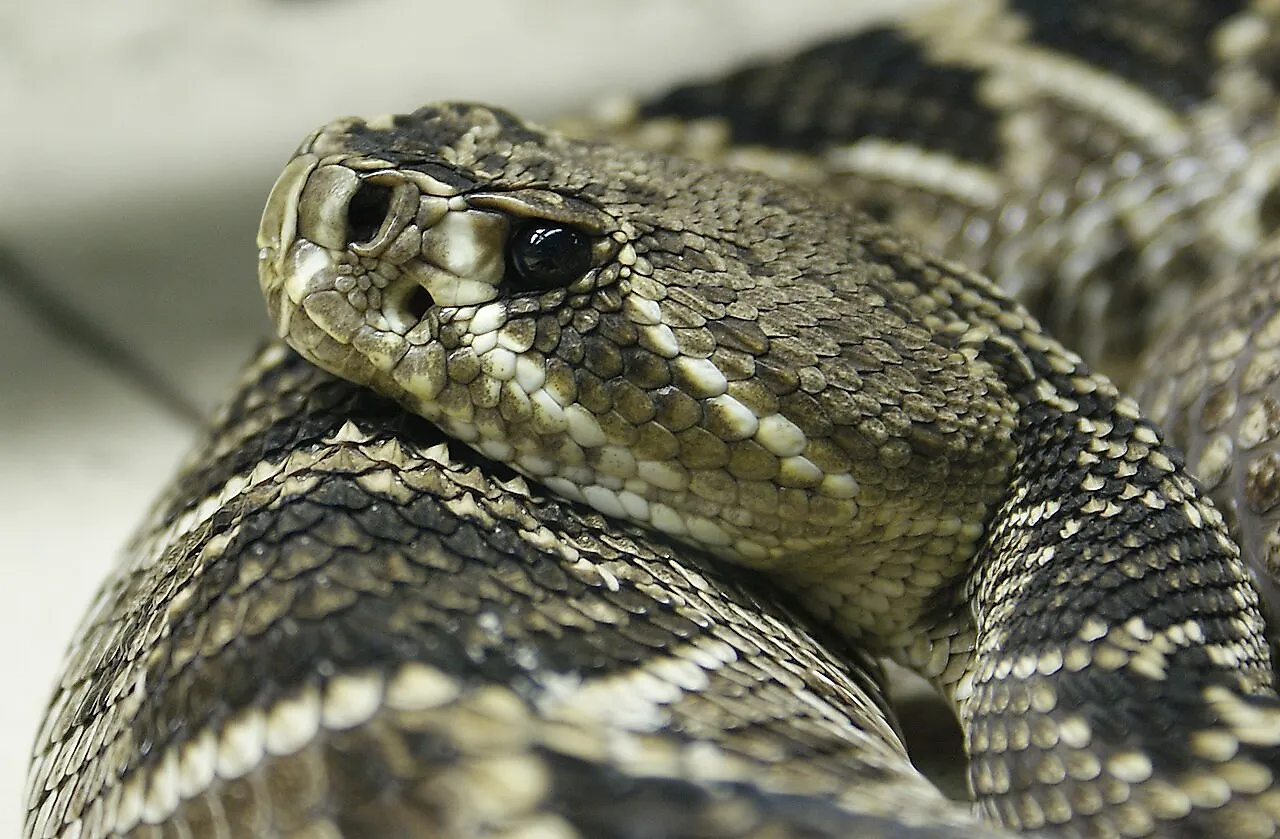
Even with its heavy urban development, a number of reptile-rich wildernesses still occupy substantial stretches of the Atlantic Coast, particularly where large blocks of protected land remain intact and away from major cities. The primary rattlesnake species in this lengthy stretch of the United States are the timber rattlesnake in the Northeast and the eastern diamondback rattlesnake in the Southeast. Both rely on dry, elevated ground for denning and seasonal thermoregulation, even within the typically wetter coastal environments. Several national forests, islands, and protected woodlands continue to attract both human visitors and these venomous snakes, and the following locations represent the most consistently rattlesnake-dense areas along the Atlantic seaboard.
Pine Barrens, New Jersey

This enormous New Jersey forest stands apart along the Atlantic Coast for the pure density and continuity of its rattlesnake populations. Stretching across 1.1 million acres of sandy, acidic woodland and shrubland, the aptly named Pine Barrens provides ideal habitat for timber rattlesnakes, which are at the northern edge of their range in this region. Moreover, its fragmented forests and open sandy ridges create warm and secure den sites that support stable zones to breed and hibernate in.
Unlike more isolated pockets elsewhere along the coast, the Pine Barrens sustains a broad, connected landscape where rattlesnakes occupy anything from upland ridges to old growth stands and transitional zones near wetlands. Timber rattlesnakes here can also reach substantial sizes, and the region’s management focus on conservation and limited development means their populations persist at levels rare for the northeastern United States. Sightings are frequent along backcountry trails, logging roads, and near vernal pools during warm months of the year. For visitors and residents alike, awareness and respect for these snakes’ habitats, especially in spring and autumn when they are most active, is critical.
Hudson Valley, New York

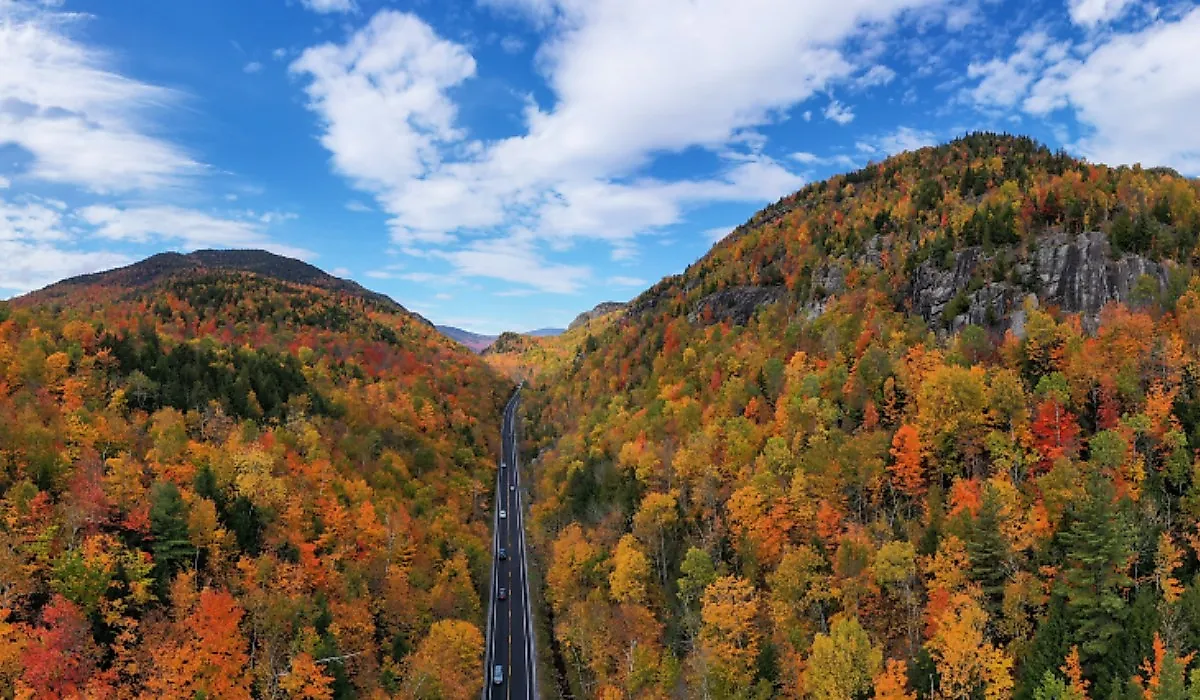
The most rattlesnake-dense section of the Hudson Valley lies within the rugged corridor stretching from the Hudson Highlands north toward Bear Mountain State Park and Storm King Mountain. This is core habitat for the timber rattlesnake in the northern U.S., hosting what is likely the Northeast’s most established population anywhere within. New York lists the timber rattlesnake as a threatened species, but in the Highlands, numbers remain comparatively strong due to protected public land and restricted development along much of it.

Steep, fractured bedrock provides the bulk of reliable den sites, while south-facing slopes, of which there are many, offer critical basking terrain in spring and fall. Notably, local dens have been known to be reused for decades, supporting multi-generational clusters in relatively small areas. Unlike flatter portions of the valley, the Highlands concentrate snakes along its craggy ridgelines overlooking the Hudson River, and well-used hiking routes throughout the same spaces increase the likelihood of encounters, particularly from late April through October.
Croatan National Forest, North Carolina

Croatan National Forest a stronghold for the eastern diamondback rattlesnake along North Carolina’s coast. Unlike the nearby barrier islands, Croatan’s slightly more inland position combines pocosin wetlands, longleaf pine savannas, and sandy ridgelines that usually remain significantly drier year-round, a factor that favors most rattlesnake species regardless of where they are in the world. Those same elevated ridges provide ample denning sites and basking areas, while the surrounding wetlands support abundant prey.
Eastern diamondback rattlesnakes are most often encountered along forest roads, firebreaks, and open pine stands maintained by prescribed burns. The forest’s active fire management program sustains the open understory conditions this species prefers, although pygmy rattlesnakes and timber rattlesnakes also occur in parts of the forest. Large tracts of uninterrupted wilderness allow local snakes to persist in amounts uncommon elsewhere on the Atlantic coastal plain, where hundreds of years of development have unfortunately fragmented much of their range.
Cumberland Island National Seashore, Georgia

Moving into the Deep South, Cumberland Island boasts rattlesnake populations unlike anywhere else on Georgia's modest slice of oceanfront. The island’s maritime forests and scrubby uplands create a variety of proper habitats for, yet again, the eastern diamondback rattlesnake, the largest venomous snake in North America. Unlike other mainland barrier islands with heavier development, Cumberland also remains largely pristine, allowing snakes to occupy long, continuous tracts of dry, sandy ground above the marsh line.
Resident diamondbacks are regularly sighted along interior trails, near dune bases, and on the network service roads that cut through local palmetto and live oak habitat. In fact, the island’s limited vehicle access and controlled visitations most likely are the main reasons for low rates of accidental death, contributing to notably stable numbers compared to other, more built-up coastal areas. Warmer seasons bring increased movement, and visitors hiking between the Sea Camp area and the island’s interior should expect to pass through lively rattlesnake habitat while making their way around.
Everglades National Park, Florida

Everglades National Park has another widespread population of eastern diamondback rattlesnakes across its handful of areas of higher, drier ground. While much of the park is heavily defined by marshes and sawgrass prairie, the rattlesnakes here concentrate on pinelands, coastal berms, hardwood hammocks, and elevated hills where flooding is limited. These subtle rises create the only reliable denning and overwintering sites in a landscape otherwise dominated by water.

Run-ins are most common along the park’s extensive road network, including stretches near Flamingo and Long Pine Key, where snakes of all kinds often use warm pavement edges for thermoregulation. Like in Croatan, prescribed fire in local pine forests also helps maintain the more open, meadow-like spaces favored by rattlers, likewise supporting vital food sources such as cotton rats, rabbits, and other smaller critters. This combination of protected land and a year-round near-tropical climate allows a plethora of cold-blooded reptiles to remain active, with peak visibility during the dry, winter season.
Safely Explore Rattlesnake-Friendly Landscapes
Rattlesnake concentrations along the Atlantic seaboard now exist primarily within a smallish selection of protected forests and large parklands. These areas retain many of the factors that rattlesnakes need to survive, but outside them, habitat loss has unfortunately sharply reduced populations. Where intact landscapes do remain, these cunning predators continue to persist in measurable, regionally significant numbers, and it is up to you to help maintain them when you visit, whether it's as simple as staying on designated trails or monitoring den sites.