Why Copperheads Den In Old Barns
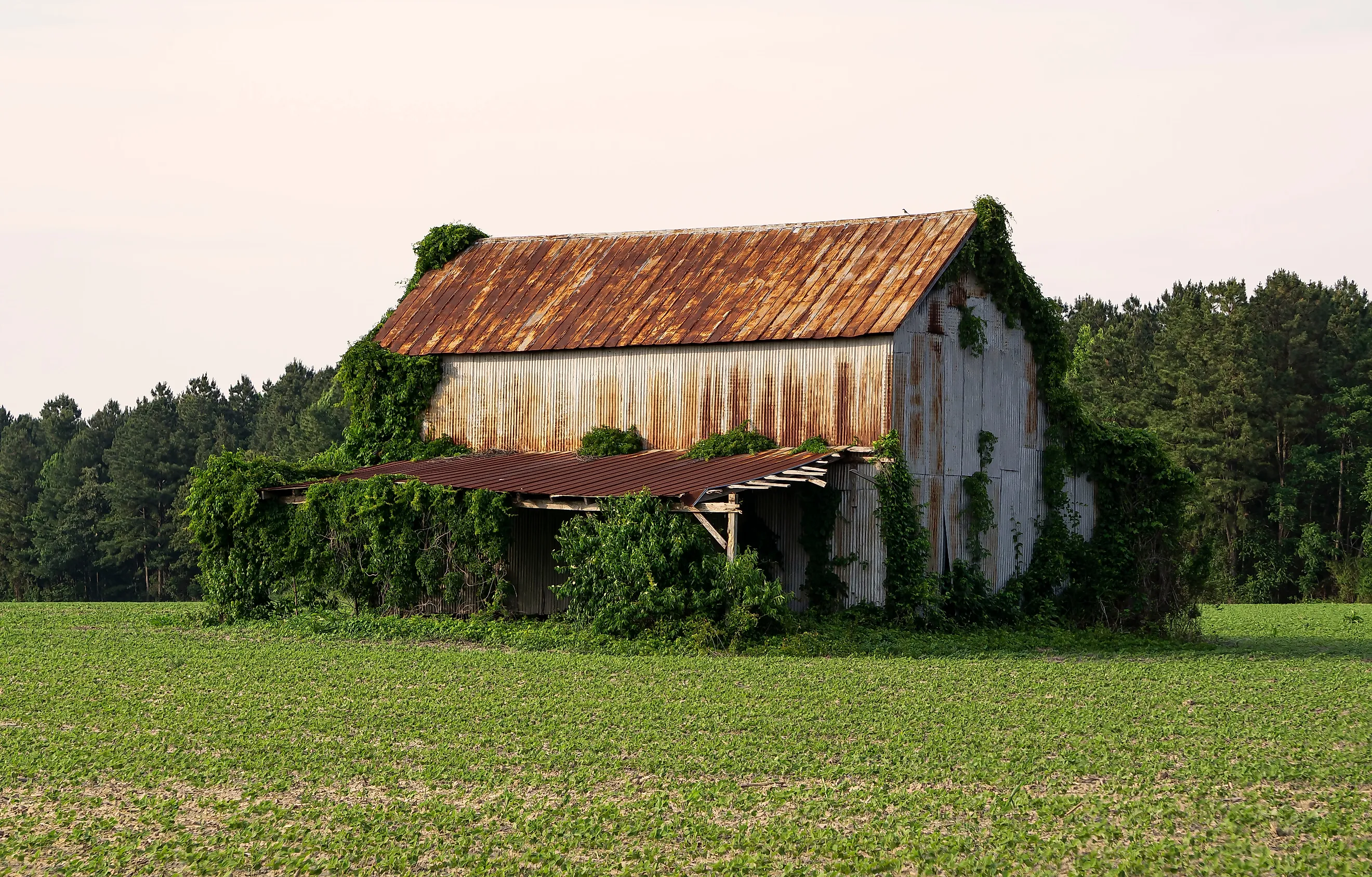
Few places on a rural property suit a copperhead better than an old barn. To a snake, a weathered barn is close to perfect, because it hands over everything a copperhead could want in one convenient building: a steady supply of prey, an endless choice of hiding spots, and a frost-free place to wait out the winter. Throw in the peace and quiet of a structure nobody visits much, and you have prime snake real estate. The good news is that a copperhead in the barn is there for a handful of very predictable reasons. Here is why they move in, and how to share the space safely.
The Rodents Come First

The single biggest reason copperheads move into barns is dinner. Barns are stuffed with grain, feed, seed, and hay, which makes them magnets for mice and rats, and mice and rats are a copperhead's favorite meal. Where the rodents gather, the snakes reliably follow, so a copperhead taking up residence in your barn is almost always a sign that you have a thriving rodent population you may not have fully noticed. In that sense, the snake is less of an intruder and more of a very efficient, if unnerving, pest-control contractor.
Endless Places to Hide

A copperhead also craves cover, and an old barn is practically built out of hiding places. Stacked hay bales, piled feed sacks, old boards, forgotten tools, raised pallets, and gaps along the ground give a secretive, ambush-hunting snake all the shelter it could ask for. It can slip in through a small opening and simply vanish into the clutter. The snake does not care about the hay itself, of course; what it cares about is everything the hay provides, namely warmth, shade, rodent traffic, and layer upon layer of places to tuck itself out of sight.
A Frost-Free Winter Den

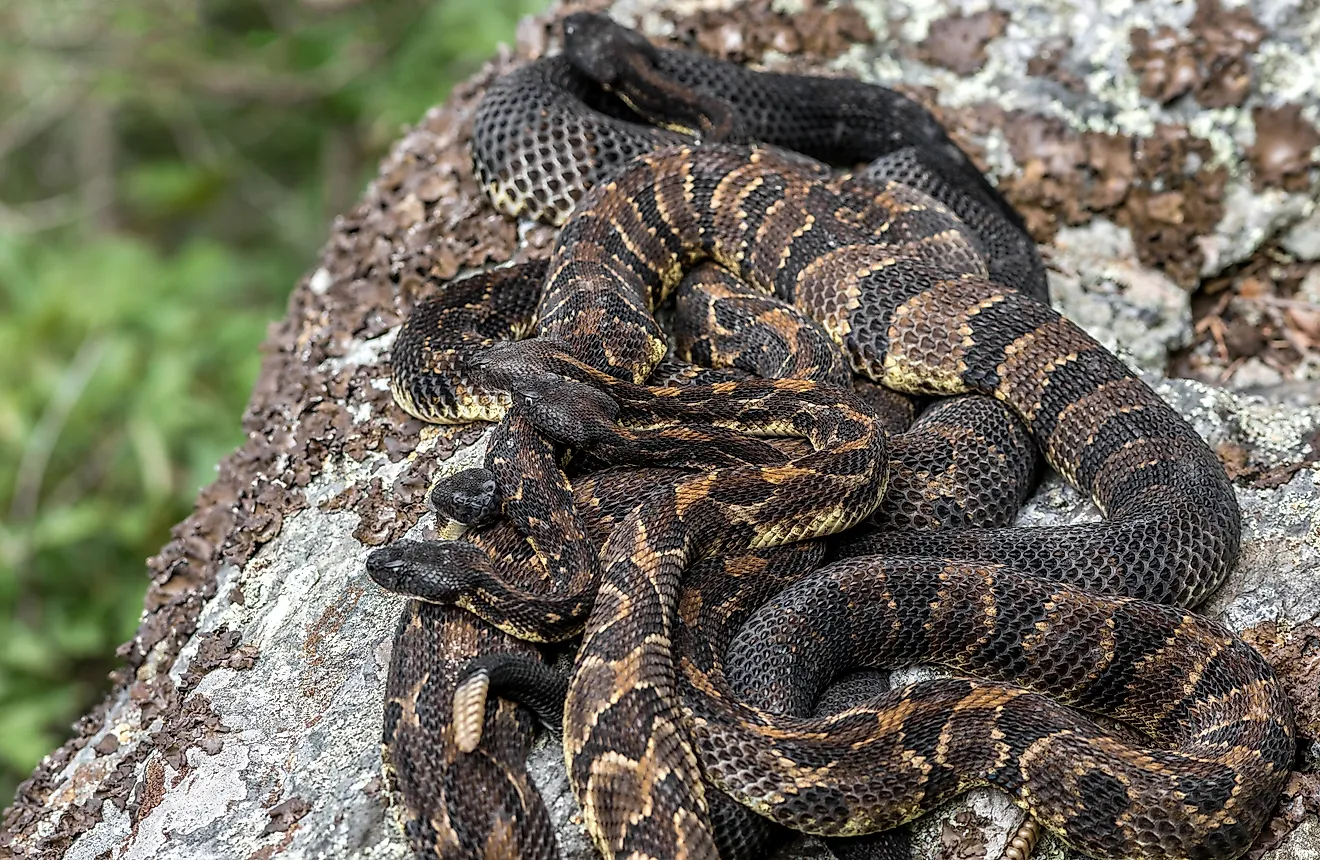
The barn becomes most valuable once the cold sets in. To survive winter, a copperhead needs a den, called a hibernaculum, that sits below the frost line, stays above freezing, and offers tight crevices to wedge into. Many old barns deliver exactly that, because their stone or rock foundations are riddled with cracks that work just like the rocky dens copperheads use in the wild, while the hay above adds a layer of insulation. Snakes will brumate there right through the winter, often several of them together, sometimes even alongside rat snakes or rattlers, and they will return to the same reliable den year after year, generation after generation.
Nobody Bothers Them

There is one more thing an old barn offers that a busy house never could: to be left alone. A barn that is only used occasionally, or has been abandoned altogether, is rarely disturbed, which makes it a calm and secure refuge for an animal that wants nothing more than to be ignored. The more cluttered and neglected the building, the better, since every stack of junk and pile of old lumber adds another cozy nook. It is no coincidence that an abandoned barn out in copperhead country tends, over time, to quietly become a snake haven.
Staying Safe Around the Barn

The fix, as always, starts with the food. Get the rodents under control, because a barn with no mice in it is just a cold, empty space a snake has little reason to visit. Then cut down on the cover: store feed in sealed metal bins, keep tools and supplies up on shelves rather than piled on the floor, clear out old boards and debris, and seal gaps around the foundation. Most importantly, never reach blindly into a hay stack, a feed sack, or a dark corner, and never kick a bale without looking first, because that is exactly how barn snakebites happen. A copperhead tends to freeze and trust its camouflage rather than flee, and it can strike fast and without warning, so give any snake you spot plenty of room. It is venomous, but it is also one of the best mousers you will ever have, so when in doubt, back off and call a professional.