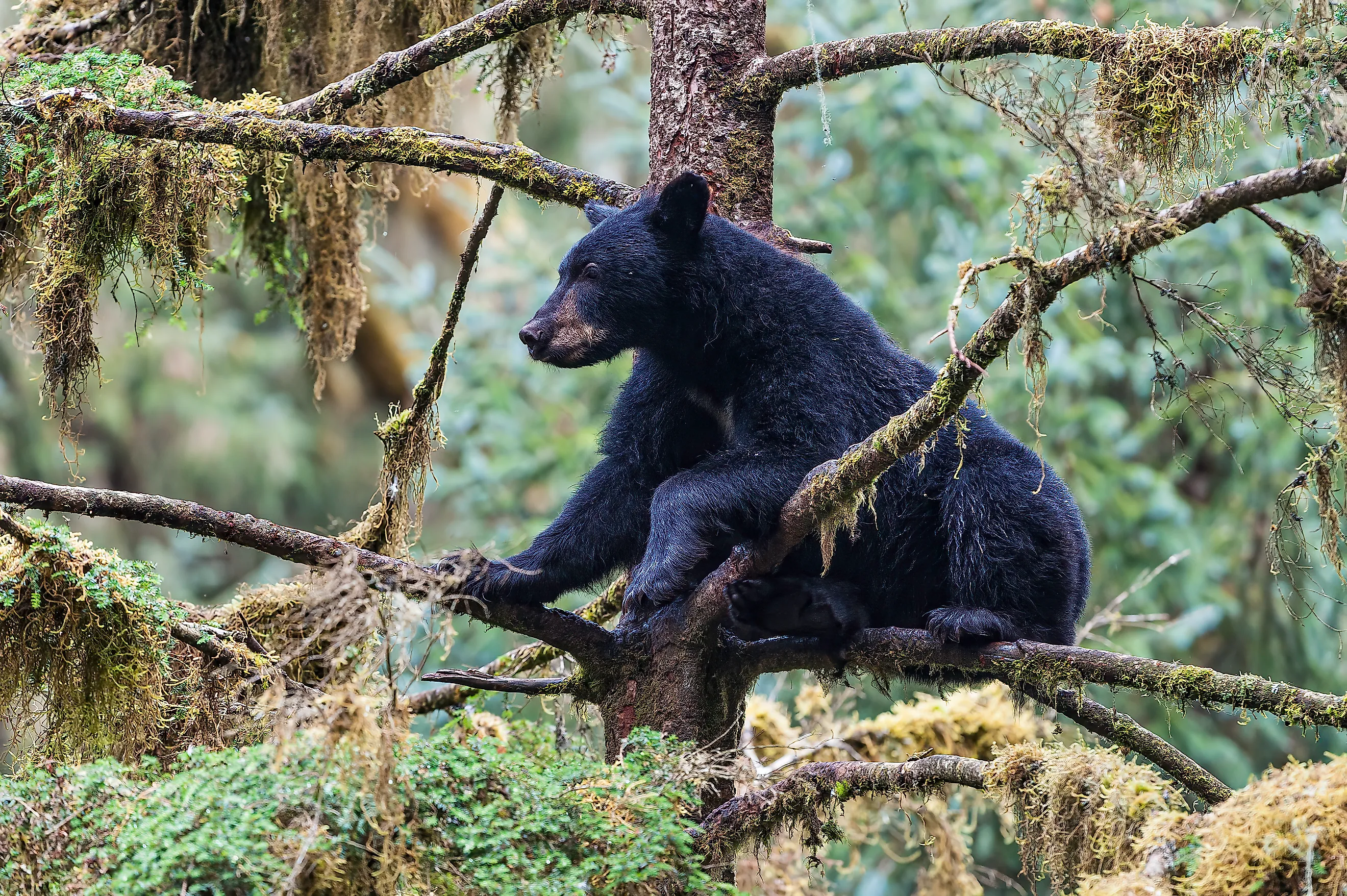
9 State Parks With The Most Black Bears
In the state parks with the most black bears, the bears have figured out where the food is, and it is often wherever people sleep. At a trail shelter in a New York state park in 2022, a bear bit a 12-year-old Boy Scout through his sleeping bag. North of Anchorage, rangers killed two bears in a single day after the animals got into a camper's food, and in the mountains of western North Carolina, a bear ripped apart a camper trailer overnight and staff closed the campground for two weeks. By mid-November, many northern bears are settling into their dens, while bears in parts of the South stay active all winter and keep looking for a meal.
Chugach State Park, Alaska

Eklutna Lake Campground, a 50-site camp beside Eklutna Lake in Chugach State Park, north of Anchorage, is where the park's black bears found campers' food in late June 2024. On June 24, rangers found two black bears eating a camper's food and getting into his gear, and both were killed that day. A third black bear was euthanized at the campground on June 27, in what had been a particularly active season for bears at Eklutna.
The park lies mostly within the Municipality of Anchorage, and the Alaska Department of Fish and Game's most recent estimate, covering 2010 to 2013, put the black bear population of the Anchorage area at 250 to 350. According to the department, most of the conflicts between those bears and people there come down to food stored carelessly, especially garbage and birdseed.
Calaveras Big Trees State Park, California

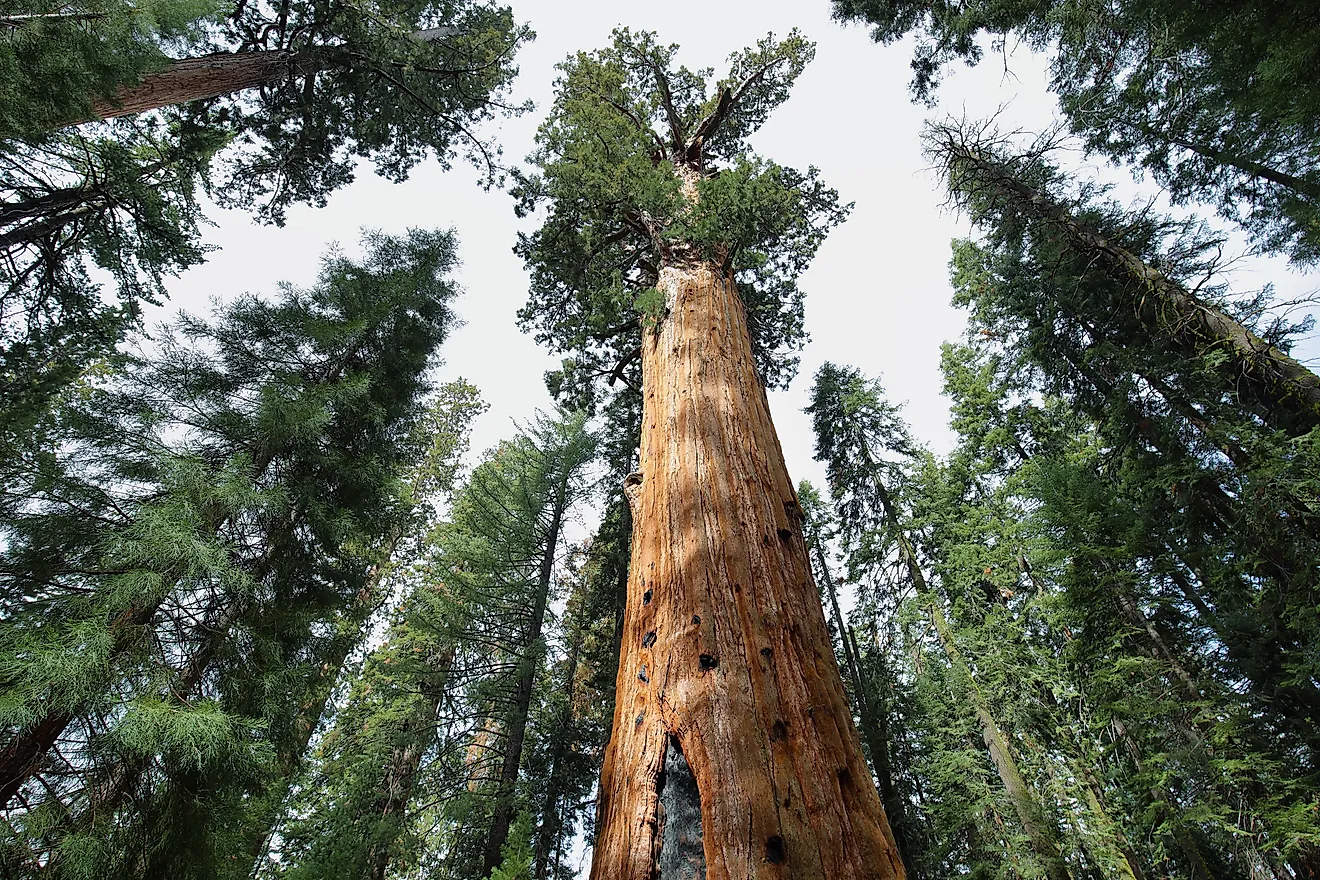
Every campsite at Calaveras Big Trees State Park in California has one bear locker, meant to hold all food, drinks, and scented items, and campers who fail to store their things properly or lock the locker can have them confiscated and be cited. The park's visitor page lists "a thriving population of black bears" among its wildlife, and North Grove Campground spreads its 74 sites through mature conifer forest around the North Grove Meadow, each with its locker beside the picnic table and fire ring. Between November and May, only a few of those sites stay open on a first-come, first-served basis for dry camping, and the area gets snow every winter, though the bears are native to all of California and live in the park year-round.
Porcupine Mountains Wilderness State Park, Michigan

Union Bay Campground is the only modern campground at Porcupine Mountains Wilderness State Park, with 100 sites along Union Bay on the rocky Lake Superior shoreline, and it is where bear sightings climbed in the dry summer of 2021. On average, between 12 and 30 bears turn up in the park, its manager said that year, but in the dry conditions the bears went looking for food beyond their usual wild berries, and more than 30 made their way to campsites.
The increase centered on Union Bay and a privately owned campground next door. Park staff posted signs reminding visitors how to store their food and said they would cite anyone who broke the food storage rules. Backpackers heading into the park's interior must suspend their bear bags at least 12 feet above the ground.
Baxter State Park, Maine

In northern Maine, visitors to Baxter State Park are asked to keep all food, trash, and scented items inside their locked vehicles with the windows rolled up, and the park's bear alert of September 1, 2024, posted after recent bear activity, added that coolers and covered truck beds are not bear proof. Rangers had dealt with the same problem in 2019, when bear activity in the park was increasing and bears were mostly visiting campgrounds while the campers were away, and one bear wandered through the Bear Brook Group Camping Area looking for food.
Maine's black bears are most common in the northern and eastern parts of the state, and in the fall they eat beechnuts and acorns before going into their dens, usually between mid-October and late November. According to the park, its more than 200,000 acres hold a healthy population of black bears.
Harriman State Park, New York

Bears in New York's Harriman State Park have made a habit of visiting the trail shelters where hikers spend the night, with recurring appearances at several of them, including the popular Fingerboard Shelter, according to the New York-New Jersey Trail Conference. From the Tiorati Beach parking lot, the walk to Fingerboard follows Arden Valley Road for about a quarter mile to the spot where the Ramapo-Dunderberg Trail and the Appalachian Trail cross, and the shelter sits about a mile farther along the trail. The trail conference advises hanging food bags 15 feet off the ground and at least 10 feet from trees.
Tom Jones Shelter is where the habit turned dangerous. Overnight on May 1, 2022, a bear bit a 12-year-old Boy Scout through his sleeping bag there, and state parks and environmental officials cited the bear's habituation to people and its persistence in seeking food near them. The bear was captured and euthanized on May 5. Under Harriman's camping rules, campers may not cook or store food and garbage inside a tent.
Hickory Run State Park, Pennsylvania

In mid-July, the highbush blueberries ripen at Hickory Run State Park, in the western foothills of Pennsylvania's Pocono Mountains, and the berries become what the park calls a feast for black bears, birds, and other animals. Campers at the park's walk-in sites keep their food out of reach by hanging it between two trees, 10 feet off the ground and 3 feet from either trunk, and store anything with a scent in their vehicles. The park covers 15,990 acres of Carbon County, where hunters took 101 bears in 2023, out of a statewide population the Pennsylvania Game Commission puts at about 19,000. In the fall, the bears turn to acorns and beechnuts, and pregnant females are the first into their dens, typically in mid to late November.
Gorges State Park, North Carolina

Farther south along the mountains, in Transylvania County, North Carolina, staff at Gorges State Park closed the campground and camper cabins on November 2, 2023, because of black bear activity, and kept them closed for the next two weeks while the rest of the park stayed open. A bear had ripped apart a camper trailer overnight, and campers with reservations during the closure were refunded.
Western North Carolina holds roughly 8,000 bears by the estimate of a Wildlife Resources Commission biologist, and at Gorges, according to the park, the bear population is active throughout the year. Visitors are asked to store food in a vehicle or camper and to drop their trash into the bear-proof receptacles.
Pettigrew State Park, North Carolina

On North Carolina's coastal plain, a ranger at Pettigrew State Park told Coastal Review in 2019 that he saw bears almost daily, and another ranger, Charlotte Davis, explained the draw by saying, "There are nuts and berries in the woods, fish in the lake (and) crops in the fields."
Lake Phelps covers 16,600 acres beside the park's 5,830 acres of land and stretches about 7 miles east to west. The park's quarter-mile boardwalk trail runs through the woods along its shore to the historic Somerset Place, between two of the places Davis named.
Across eastern North Carolina, bears move into the cornfields as the corn grows and stay until it is picked, and a Wildlife Resources Commission biologist puts the region's bears at roughly 12,000. This November, Pettigrew is open for day use only while its campgrounds and office are closed for renovations, a project that runs through 2026.
Wekiwa Springs State Park, Florida

At Wekiwa Springs State Park in Central Florida, the Florida black bear is listed as a native of the park that visitors may encounter during their stay, and campers at its 60 sites are asked to keep coolers and food in their vehicles. Beyond the park, the bears' range continues along the Wekiva River and Rock Springs Run, where a wildlife management area covering 12 miles of the two streams is part of what the state wildlife commission calls an important corridor for the Florida black bear.
Bears along that corridor stay active later in the year than bears up north. In the fall they feed heavily on acorns and saw palmetto, and while pregnant females must den to have their cubs, male bears in southern states such as Florida may have a shorter denning period or none at all, according to the Florida Fish and Wildlife Conservation Commission. Around the corridor run the roads of Orange and Seminole counties, part of the commission's Central Bear Management Unit, which held about 1,200 bears in its 2014 estimate and accounts for more than half of the bears killed by vehicles in Florida each year.
By mid-November, these parks run on separate calendars. In Maine and Pennsylvania, bears that spent the fall on beechnuts and acorns are heading into their dens, with Pennsylvania's pregnant females usually the first to go in. At Gorges, the bear population stays active through the whole year, and visitors in the colder months are still asked to keep food in a vehicle or camper and to use the bear-proof trash receptacles. Along the Wekiva River in Central Florida, male bears may stay active and keep searching for food through the winter months, which leaves campers at Wekiwa Springs keeping their coolers and food in their vehicles during the same weeks that bears in northern Maine spend asleep.