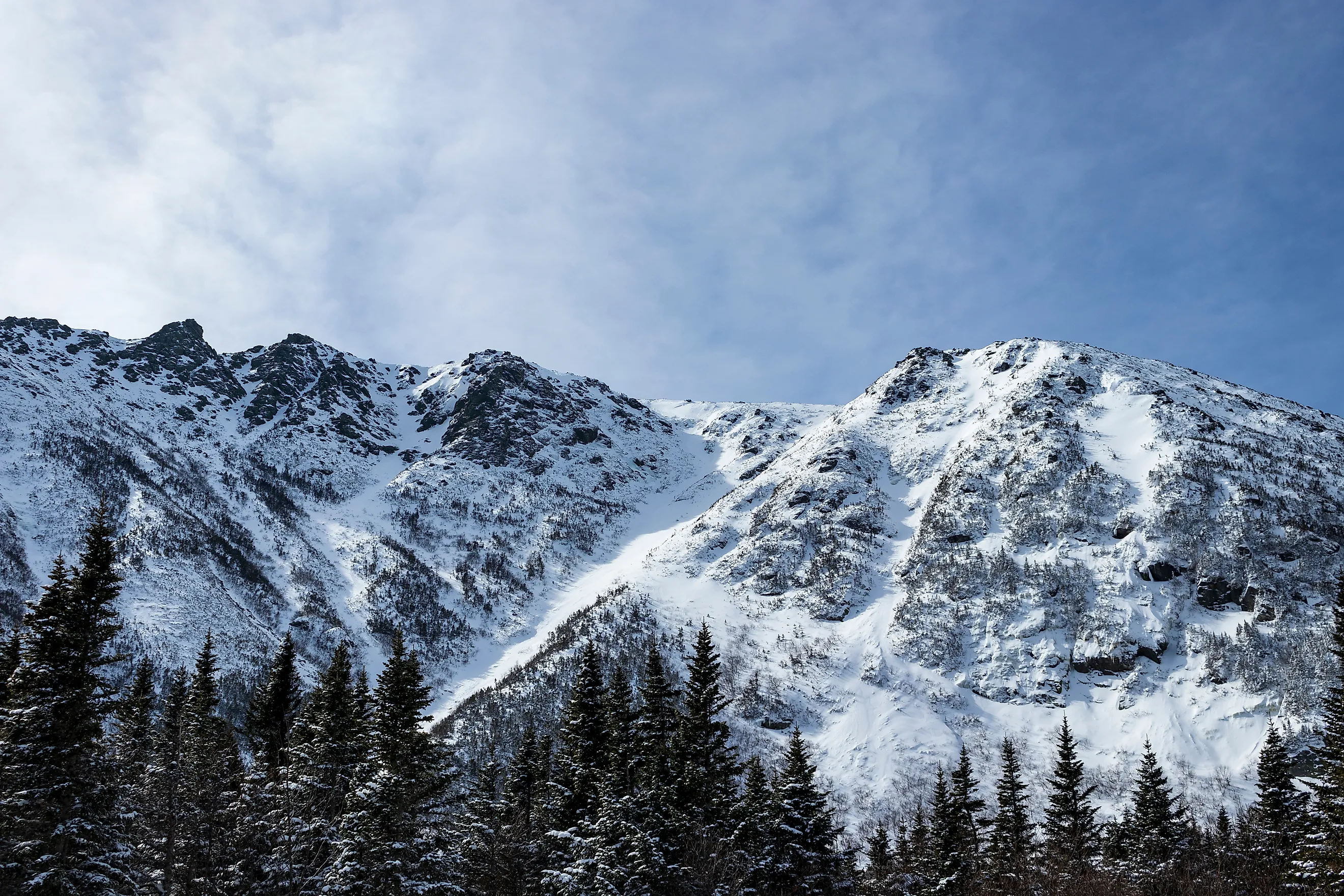
The Snowiest Place East Of The Mississippi
East of the Mississippi River, a handful of legendary places get absolutely buried in snow every winter, but one stands above all the rest. The trouble is that the answer depends entirely on what you mean by the word "place." The single snowiest spot ever measured is a brutal, windswept mountaintop where almost no one lives. The snowiest place where people actually dig out their own driveways is somewhere else entirely. Here is the snowiest place east of the Mississippi, and the lake-effect rival that arguably deserves the crown even more.
The Answer: Mount Washington, New Hampshire

By the numbers, the snowiest place east of the Mississippi is the summit of Mount Washington, in New Hampshire's White Mountains. The weather station at the 6,288-foot peak averages a staggering 281 inches of snow a year, which is more than 23 feet, and that is the highest annual average of any official weather station in the entire eastern half of the country. Snow has fallen there in every single month of the calendar, including July and August. Perched at the highest point in the Northeast and sitting squarely in the path of colliding storm tracks, Mount Washington is, quite simply, a snow machine.
The World's Worst Weather

Mount Washington does not just pile up snow; it has earned its nickname as the home of "the world's worst weather." For decades it held the record for the highest wind gust ever observed by people, an almost unbelievable 231 miles per hour, and its summit is routinely sheathed in rime ice and swallowed by cloud. In the winter of 1968 to 1969 alone, more than 566 inches of snow fell, which is nearly 47 feet. There is a catch, though. The summit is not a town but a staffed research observatory, home only to a handful of hardy weather observers. Nobody actually lives up there, which is exactly where the title gets interesting. If the question is which place endures the most snow, the mountaintop wins hands down. If it is which place people call home, the answer shifts hundreds of miles west.
The Snowiest Place People Actually Live: Tug Hill, New York

For the snowiest place where ordinary people shovel their own sidewalks, you head to the Tug Hill Plateau in upstate New York, just east of Lake Ontario. It is widely called the snowiest region east of the Rocky Mountains, and it owes everything to lake-effect snow: cold air streaming across the relatively warm water of Lake Ontario soaks up moisture and then dumps it in blinding white bands the moment it hits the plateau. Towns like Redfield, Montague, and Hooker routinely collect 200 to 300-plus inches a winter, and nearby Syracuse is regularly the snowiest large city in the country. The numbers here are jaw-dropping: Redfield once recorded 141 inches in just 10 days, and the hamlet of Hooker holds the New York state record with roughly 466 inches, about 39 feet, in the winter of 1976 to 1977.
Michigan's Keweenaw Makes Its Case

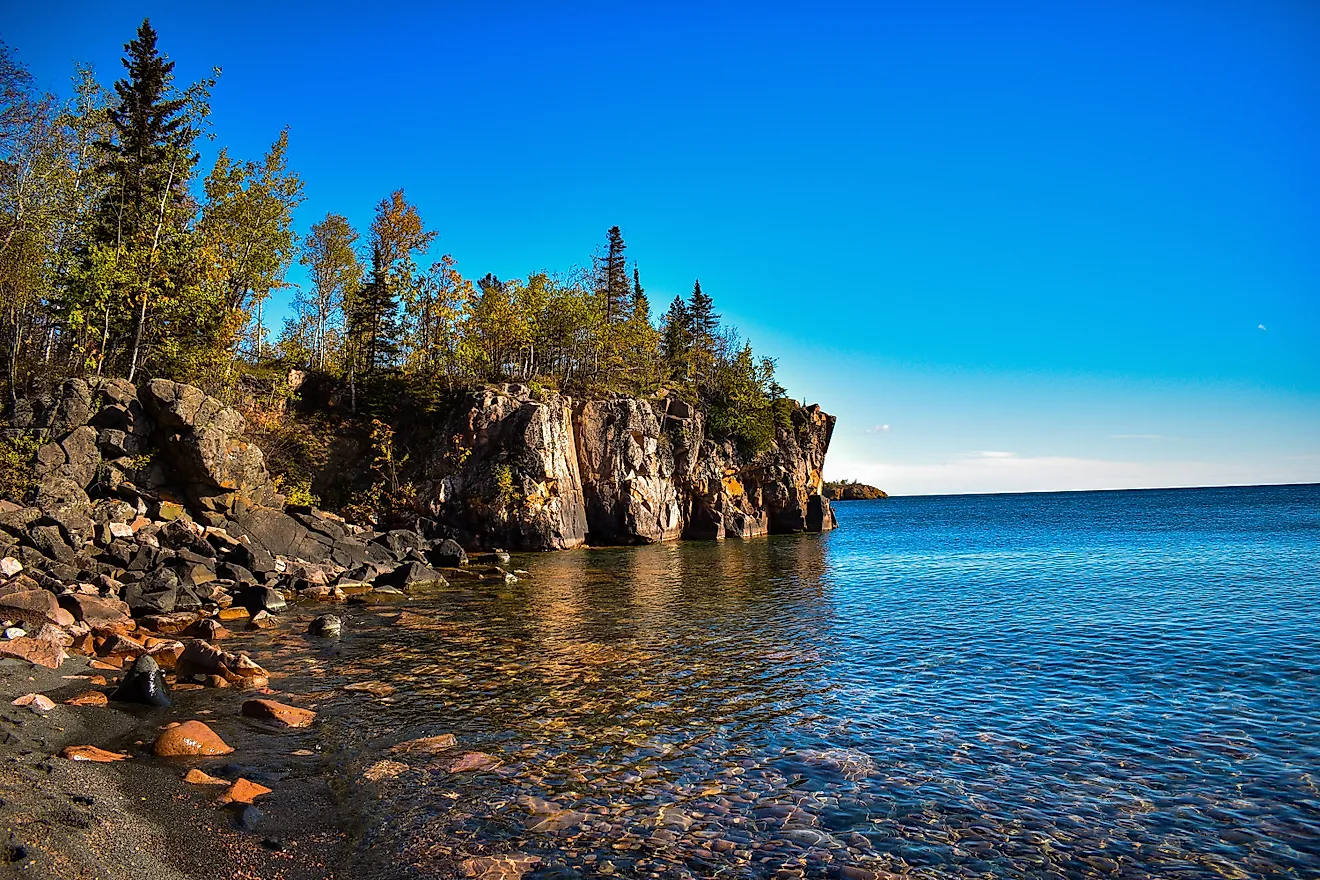
There is one more serious contender, and it sits on the far side of the region. Michigan's Keweenaw Peninsula, jutting out into Lake Superior from the Upper Peninsula, gets buried by its own lake-effect machine, averaging well over 200 inches a year and occasionally approaching 400. Some sources argue the Keweenaw actually averages more snow than anywhere else east of the Mississippi, though official weather stations in these remote, snow-choked spots are frustratingly sparse, which helps keep the whole debate alive. Between a merciless mountaintop, a lake-whipped plateau, and a copper-country peninsula, the eastern US has no shortage of places competing for the title of its snowiest.
So the honest answer comes down to definitions. Mount Washington is the snowiest measured spot east of the Mississippi, full stop, but it is a research outpost rather than a community. If you want the snowiest place where people genuinely live, shovel, and commute, the Tug Hill Plateau takes the crown, with the Keweenaw close on its heels. Either way, if you truly hate winter, these are the three corners of the eastern US to avoid.