What Happens To Isle Royale When The Park Closes For Winter
Every November 1, the United States does something it does nowhere else: it closes an entire national park and takes away the key. Isle Royale National Park, the 45-mile-long island wilderness in Lake Superior, is the only national park in the country that shuts completely for winter, locked to all visitors from November through mid-April. The boats stop, the rangers sail for the mainland, and one of the wildest places in America gets five and a half months with almost no human beings on it at all. Almost. What happens out there in the dark season includes the world's longest-running wildlife study, the wolves' best hunting of the year, and, every so often, an ice road to Canada.
The Last Boat Leaves

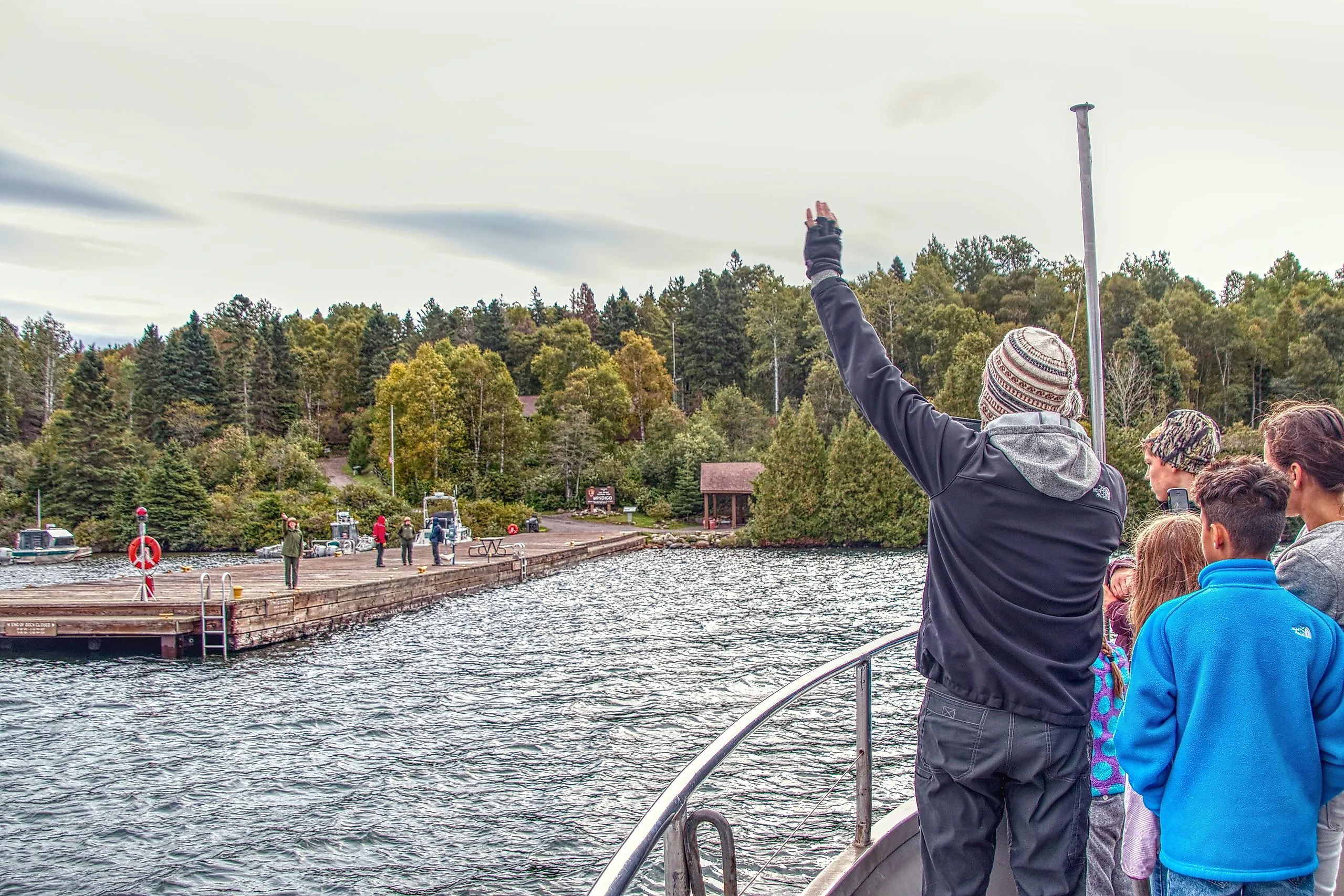
The shutdown is a season-long retreat, not a single day. The passenger ferries make their final crossings by early fall, the seaplanes stop flying, and the Ranger III, the 165-foot workhorse that is the largest vessel in the entire National Park Service fleet, hauls the last equipment and staff back to Houghton, Michigan. Behind them, Rock Harbor Lodge gets boarded for winter, docks are cleared, water systems are drained, and the park's rangers settle into mainland offices to spend the cold months planning the next season.
By November 1 the island is officially closed, and the closure has teeth: no camping, no landings, no winter ascents of the Greenstone Ridge. In a park system that prides itself on year-round access, where even Denali and Yellowstone keep winter doors open, Isle Royale simply hangs the sign and goes dark.
The Only Locked Door In The Park System

The reason is the moat. Isle Royale sits in the middle of the largest freshwater lake on Earth, reachable only by boat or floatplane across waters that spend November through April cycling between gale, ice, and fog. Superior's late-fall storms are shipping-lane killers, its mid-winter ice is too unreliable to cross and too thick to boat through, and a rescue on the island in February would risk more lives than it saved. Closing is not bureaucratic caution; it is an honest reading of the lake.
It suits the island's character anyway. Isle Royale is 99% designated wilderness, draws one of the smallest visitor counts in the park system, fewer people in a year than Yellowstone can see on a single busy summer day, yet famously earns one of the highest return rates of any park: the people who find it keep coming back. A place that exclusive was always going to keep the strictest hours.
The Island Does Not Notice

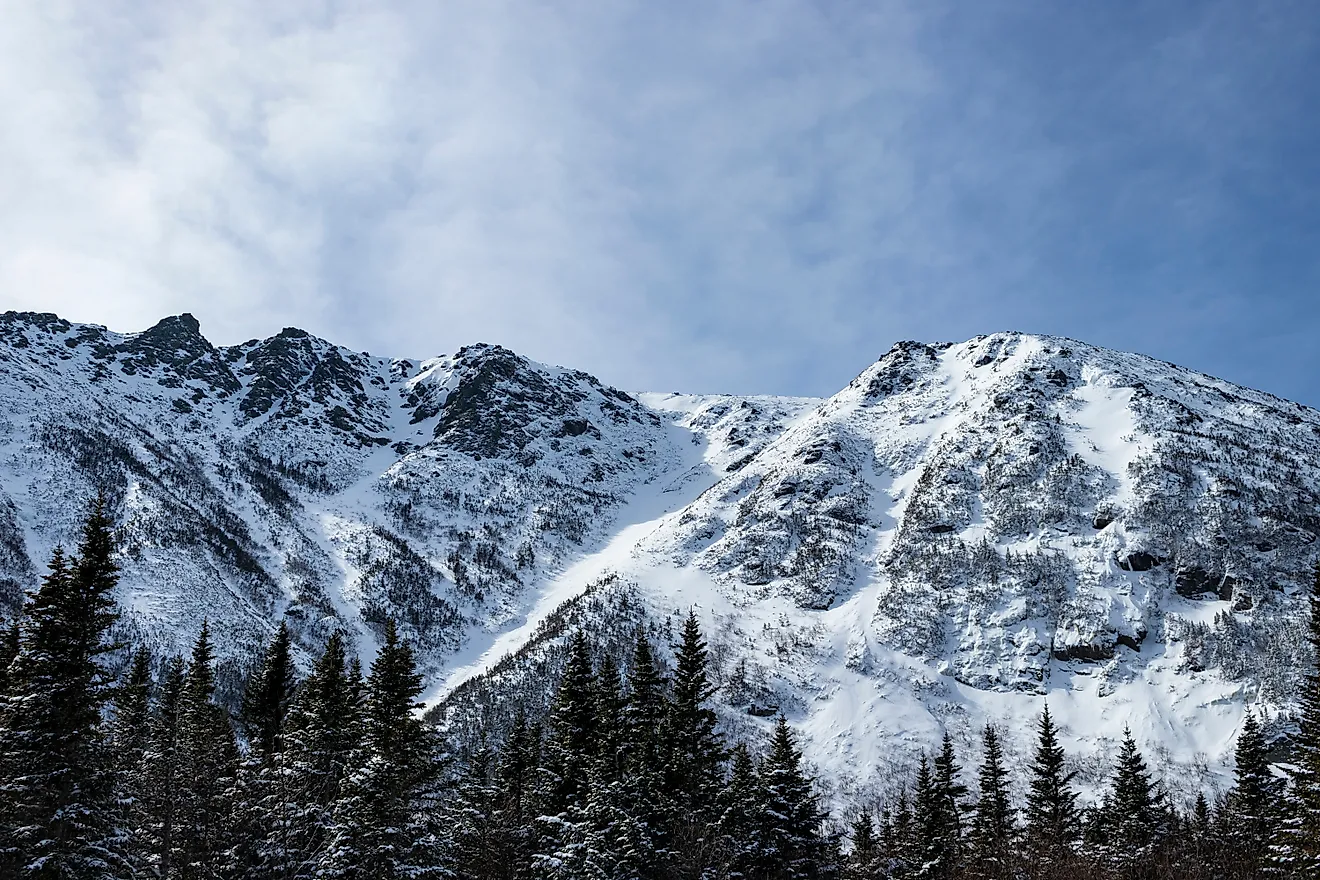
For the island's actual residents, November 1 changes nothing. The moose, descended from animals that swam over from the mainland in the early 1900s, shift to their winter diet of balsam fir and yard up in the cedar swamps, dropping their antlers as the snow deepens. Red foxes hunt the drifts, river otters work the gaps in the harbor ice, and snowshoe hares run their packed trails through spruce shadows.
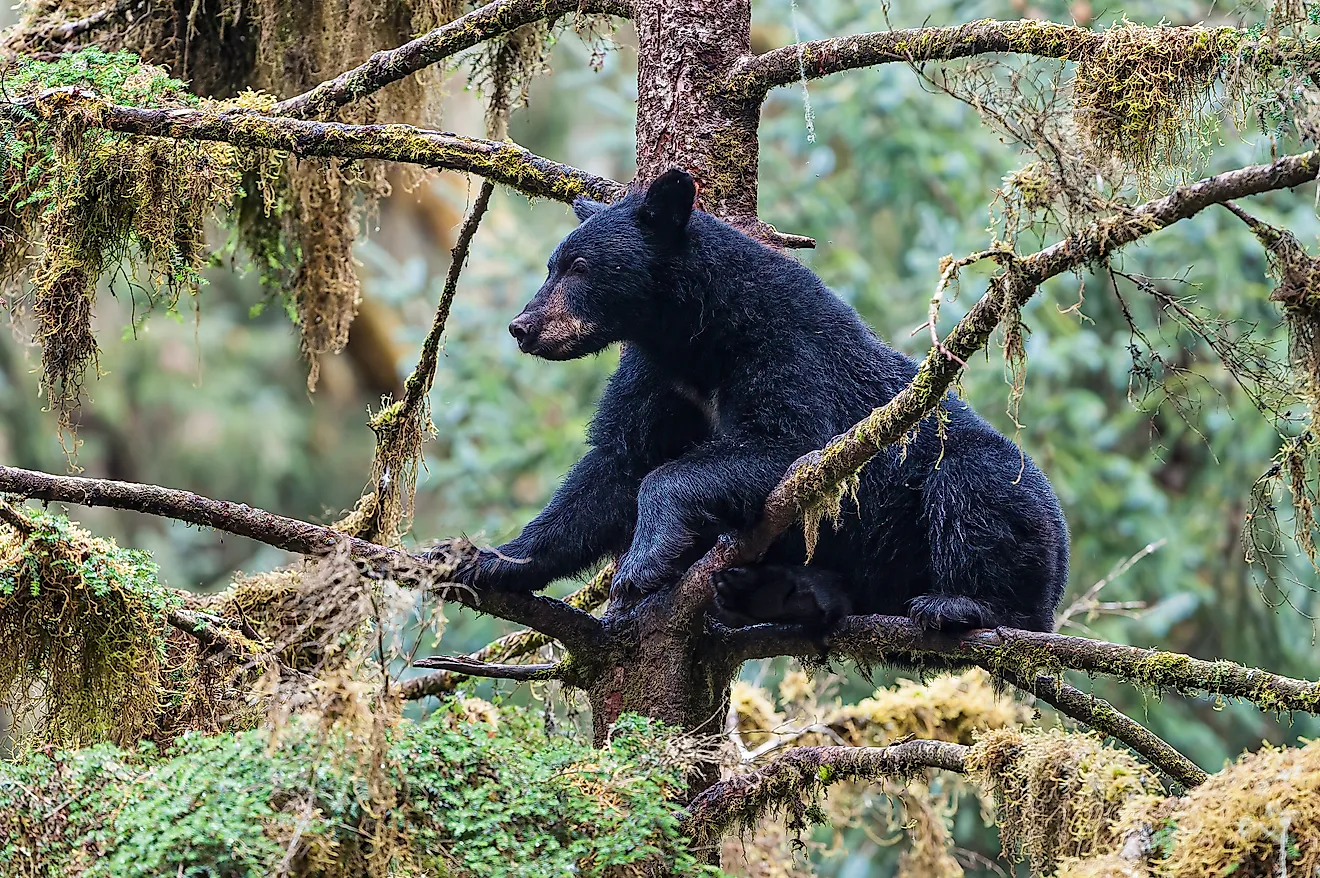
What winter on Isle Royale does not include is bears: the island has none, one of its stranger absences, which leaves the moose exactly one enemy to worry about. And winter is precisely when that enemy does its best work.
The Wolves Get Their Season

Summer belongs to the moose, which outweigh a wolf ten to one and swim better. Winter flips the table. Deep snow exhausts a thousand-pound moose while wolves skim across the crust, frozen lakes and bays become open highways for a traveling pack, and the long nights favor the hunter. The island's wolves make most of their living in these months, testing the old, the young, and the winter-weakened, which is exactly the predator-prey engine that has made Isle Royale famous.
It nearly went silent. Inbreeding collapsed the island's isolated wolf population to just two animals by the late 2010s, and the moose herd, suddenly unmanaged, boomed past 2,000 and began eating the forest out from under itself. Starting in 2018, the park service airlifted in new wolves from the mainland, and recent winter counts have tallied roughly 30, with the moose herd back under a thousand. The island's oldest drama has a restored cast.
Three Scientists And A Ski-Plane

The closure has one standing exception, and it is the best reason the park is famous. Every January, a small research team from Michigan Technological University flies to the island by ski-plane and spends roughly seven weeks as its only human inhabitants, continuing the Isle Royale wolf-moose project that began in 1958-59, the longest-running study of a predator and its prey anywhere in the world.
The work is gloriously old-school: researchers crisscross the island in a small aircraft counting moose and tracking wolf packs by their trails in the snow, then follow up on the ground, collecting bones, reading kill sites, and recording a continuous ecological story now running longer than most human careers. Winter is the only time the census works, when leaves are down, tracks hold, and every animal writes its movements across the snow. The park closes to the public; to science, it opens.
When Superior Builds A Bridge

In the hardest winters, Superior does something that rewrites the island's biology: it freezes a bridge to the mainland, 15-odd miles of ice connecting Isle Royale to Minnesota and Ontario. The wolves themselves arrived that way, crossing the ice around 1949, and every major genetic refresh in the island's history has walked in over a bridge. In 2014, the traffic ran the other direction, when a radio-collared female famously crossed the ice and left.
The bridges are growing rare. Warming winters freeze the big lake less often and less completely, which is a major reason the wolf population bottomed out with no new blood arriving, and why the 2018 relocations were flown in by people instead. The ice road still forms in the coldest years; the island just can no longer count on it.
April 16
When the park reopens in mid-April, the first boats return to an island that has run its oldest experiment without an audience: a winter of wolf hunts, moose yards, otter slides, and one small airplane keeping score. Nothing was groomed, plowed, patrolled, or posted, and that is the point. Isle Royale closes for winter because Superior allows nothing else, but the closure has become the park's signature gift, five and a half months a year when one American wilderness belongs entirely to itself.