7 Snake Infested State Parks In Nevada
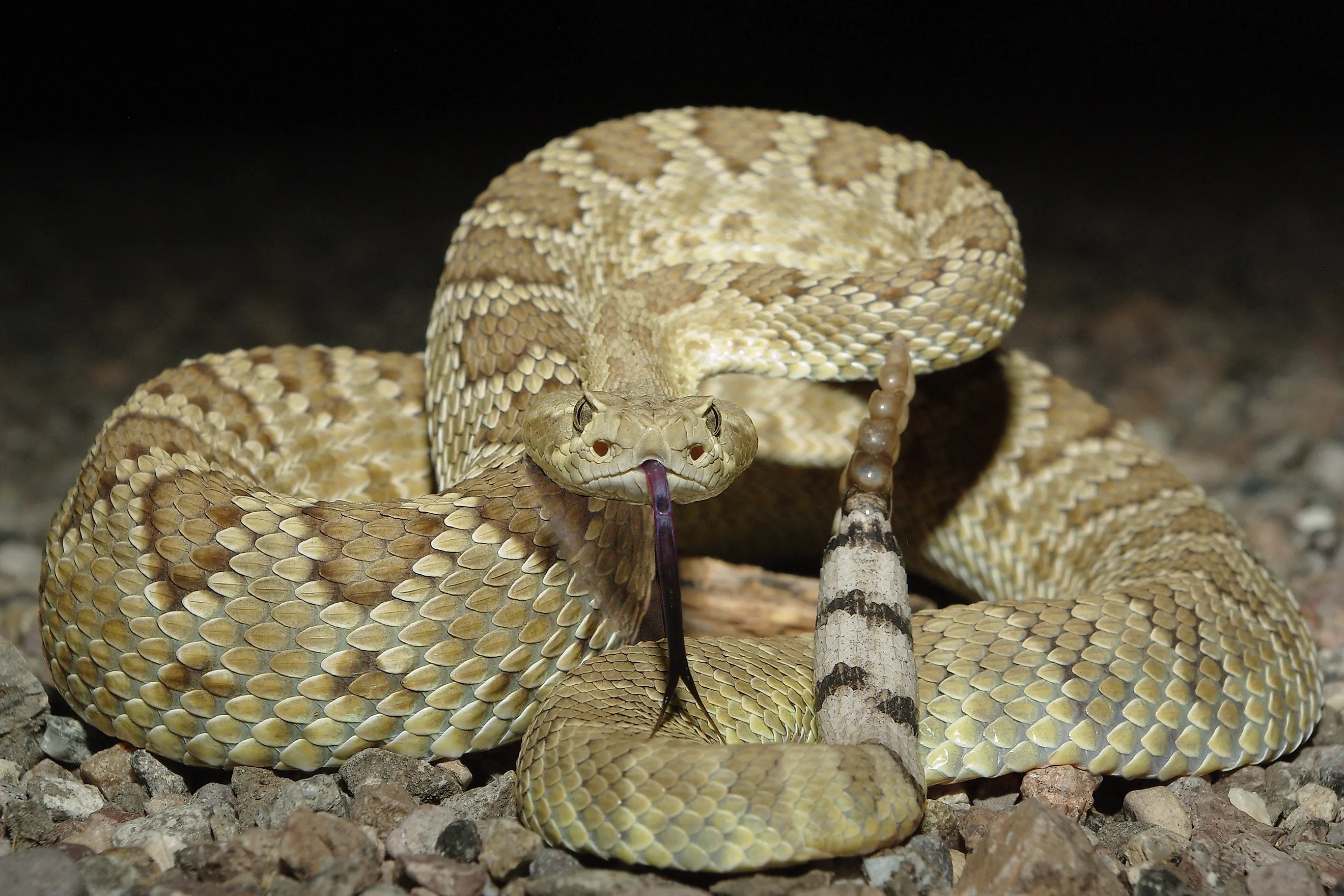
As one of the most arid states in the country, Nevada is a natural habitat for cold-blooded reptiles, including roughly 28 species of snakes. Six of those are venomous rattlesnakes, including the Great Basin rattlesnake and the Mojave rattlesnake (often called the Mojave green). Adapted to canyons, desert washes, and mountain foothills, snakes turn up in many of Nevada's most-visited parks. Visitors to Valley of Fire State Park may encounter speckled rattlesnakes or sidewinders, while Spring Mountain Ranch and parks across the Great Basin support populations of Mojave and Great Basin rattlers. Most species avoid human contact and prefer to flee or hide, but the seven Nevada parks listed below all have established rattlesnake populations, and visitors should plan accordingly.
Valley of Fire State Park

Nevada's most-visited state park is also one of its most snake-active. Valley of Fire State Park spans nearly 46,000 acres in the Mojave Desert, and three rattlesnake species are documented within its boundaries: the speckled rattlesnake, the sidewinder, and the Mojave rattlesnake. The Mojave is particularly notable. Its venom contains both neurotoxic and hemotoxic components, making it one of the more dangerous rattlesnakes in North America.

Like most reptiles, rattlesnakes avoid temperature extremes. Their peak activity hours overlap with the most popular hiking windows: early morning and dusk in spring and fall. On the Rainbow Vista trail and Fire Wave loop, snakes often shelter under rock overhangs or coil in shaded crevices during the heat of the day. Sidewinders use sandy washes as travel corridors and leave a distinctive J-shaped track. Watching where you place your feet, hands, and gear remains the best practice anywhere in the park.
Spring Mountain Ranch State Park

Spring Mountain Ranch State Park sits at the foot of the Wilson Cliffs in the Spring Mountains, west of Las Vegas, at 3,800 feet of elevation. The 520-acre property holds four distinct plant communities (desert scrub, blackbrush, pinyon-juniper, and riparian), and that habitat diversity supports several snake species. Non-venomous residents include California kingsnakes, which prey on other snakes (including young rattlesnakes), and coachwhips, fast-moving diurnal hunters that thrive in desert scrub.

The park's venomous residents include Mojave rattlesnakes and speckled rattlesnakes, both common to the surrounding Red Rock Canyon National Conservation Area. Mojaves prefer desert washes, grasslands, and rocky habitats, all of which the park provides. The Spring Mountain Ranch Loop and Sandstone Canyon trails pass through prime snake habitat, and rangers recommend staying on marked routes rather than cutting through brush.
Cathedral Gorge State Park

Cathedral Gorge State Park, in eastern Nevada's Lincoln County, protects a landscape of slot canyons, hoodoos, and bentonite clay formations carved by erosion over millions of years. The park's bunchgrass and sagebrush flats provide ideal habitat for the Great Basin gopher snake, a non-venomous constrictor that hunts rodents in open shrublands. Gopher snakes are among the most commonly encountered species here, and they often mimic rattlesnake defensive posture (flattening the head, hissing, and vibrating the tail) when threatened.

The Great Basin rattlesnake, a subspecies of the western rattlesnake, is the area's primary venomous species. Less commonly seen than gopher snakes, it is also frequently misidentified as one. The two are easy to distinguish on closer (safe) inspection: rattlesnakes have triangular heads, vertical pupils, and the namesake rattle, while gopher snakes have rounded heads and round pupils. Great Basin rattlers prefer rocky outcrops, shrublands, and desert washes, all common features at Cathedral Gorge.
Wild Horse State Recreation Area

Wild Horse State Recreation Area surrounds its eponymous reservoir in northeastern Nevada at 6,200 feet of elevation. Winter temperatures here regularly drop below zero Fahrenheit, and ice fishing draws crowds from January through March. The cold conditions might suggest a snake-free environment, but the surrounding sagebrush flats and rocky outcrops support a healthy population of Great Basin rattlesnakes, the most common venomous species in northern Nevada.

The Wild Horse Reservoir is ringed with sagebrush and cold-desert shrubland, both classic Great Basin rattlesnake habitats. These pit vipers are primarily terrestrial but will swim if pursued or relocating, and rocky shorelines provide both basking sites and ambush points. Summer is the peak season for both human visitors (swimming, wildflower viewing, fishing) and rattlesnake activity, and trail edges around the reservoir are where most encounters occur.
Beaver Dam State Park

Beaver Dam State Park sits along the Nevada-Utah border in Lincoln County, accessed by a 28-mile gravel road that keeps visitor numbers low. Its remote location and lack of development have helped preserve a diverse wildlife community: the park is a designated Watchable Wildlife Area, and resident species include mountain lions, bobcats, porcupines, and several snake species. Streams, waterfalls, and volcanic outcrops crisscross the landscape.

The park's habitat mix of shrublands, volcanic rock, and pinyon-juniper woodland supports Great Basin rattlesnakes well. Spring is the peak emergence season, when overwintering snakes leave communal dens. The Interpretive Trail, which winds through volcanic outcrops, passes some of the park's better basking habitat. Summer hikers should be alert during morning and evening hours, when rattlesnakes are most active.
Kershaw‑Ryan State Park

West of Beaver Dam along Nevada State Route 317, Kershaw-Ryan State Park occupies a 264-acre canyon oasis within Rainbow Canyon. Natural springs sustain unusual vegetation for the region, including pomegranate and apricot trees planted during the homesteading era, alongside native riparian species. The contrast between the green canyon floor and the surrounding volcanic walls creates the layered habitat that makes the park a draw for both visitors and wildlife.

Great Basin rattlesnakes are documented in the canyon, particularly along the rocky margins where the park transitions from riparian zones to desert scrub. Non-venomous species, including gopher snakes and California kingsnakes, also occur in similar habitats. Park rangers report most snake sightings near water sources during the heat of summer, when reptiles seek cooler microhabitats. Staying on the established trail network reduces the likelihood of accidental encounters.
Berlin‑Ichthyosaur State Park

Berlin-Ichthyosaur State Park combines two unrelated draws: Berlin, a mining ghost town abandoned around 1911, and one of North America's most significant ichthyosaur fossil concentrations, where the remains of marine reptiles up to 50 feet long are preserved in a dedicated fossil shelter. The park sits in the Shoshone Mountains of central Nevada at elevations from roughly 6,800 to nearly 7,900 feet. Rocky terrain and sun-exposed slopes provide both winter shelter and warm-season basking habitat for reptiles.

Vegetation shifts with elevation: sagebrush dominates the lower slopes, while pinyon pine and juniper take over higher up. Both Great Basin rattlesnakes and gopher snakes occur within these zones. Encounters are uncommon given the park's low visitation, but the rocky terrain around the Berlin townsite and the trails leading to the fossil shelter pass through suitable habitat. Visitors should pay particular attention when stepping over fallen mine timbers and rock piles, both of which provide common shelter sites.
Nevada's Snakes: Friend Or Foe?
Nevada's rattlesnakes have an outsized reputation. In practice, most species prefer to flee or stay still rather than confront a hiker, and the rattle itself functions as a warning system rather than an aggressive signal. Of the roughly 7,000 to 8,000 venomous snake bites reported annually in the United States, only about five result in deaths, and most bites occur when people attempt to handle, kill, or photograph snakes at close range. Non-venomous species pose even less risk. Whether hiking through Valley of Fire, exploring Rainbow Canyon at Kershaw-Ryan, or fishing on Wild Horse Reservoir, attentive feet and a slow pace go a long way toward keeping both snakes and humans safe.