How Many State Parks Allow Camping?
Across the United States, more than 3,200 state parks offer some form of overnight camping, creating one of the country's largest public camping networks. That's roughly one-third of our 10,000 total state parks that offer overnight accommodations. Together, they provide more than 200,000 individual campsites, including simple remote tent areas, modern RV sites, and comfortable yurts. For many travelers, camping offers a more affordable and immersive way to experience nature, escape the routine of everyday life, and spend time outdoors.
More Than Just Tents

Overnight camping in state parks is not limited to pitching a tent beside a picnic table. Thousands of parks provide developed campgrounds, RV hookups, or permits for visitors who want to camp farther away from roads and facilities. Other parks have expanded lodging options to include cabins and glamping accommodations in places like California, Florida, and Pennsylvania, for visitors who enjoy nature but don't want to give up modern conveniences.
Because each state has its own system, campers need to check the individual rules before planning a trip. A campsite that offers electricity, showers, and a dump station in one state may have just a fire ring and a nearby trail in another.
Primitive Camping

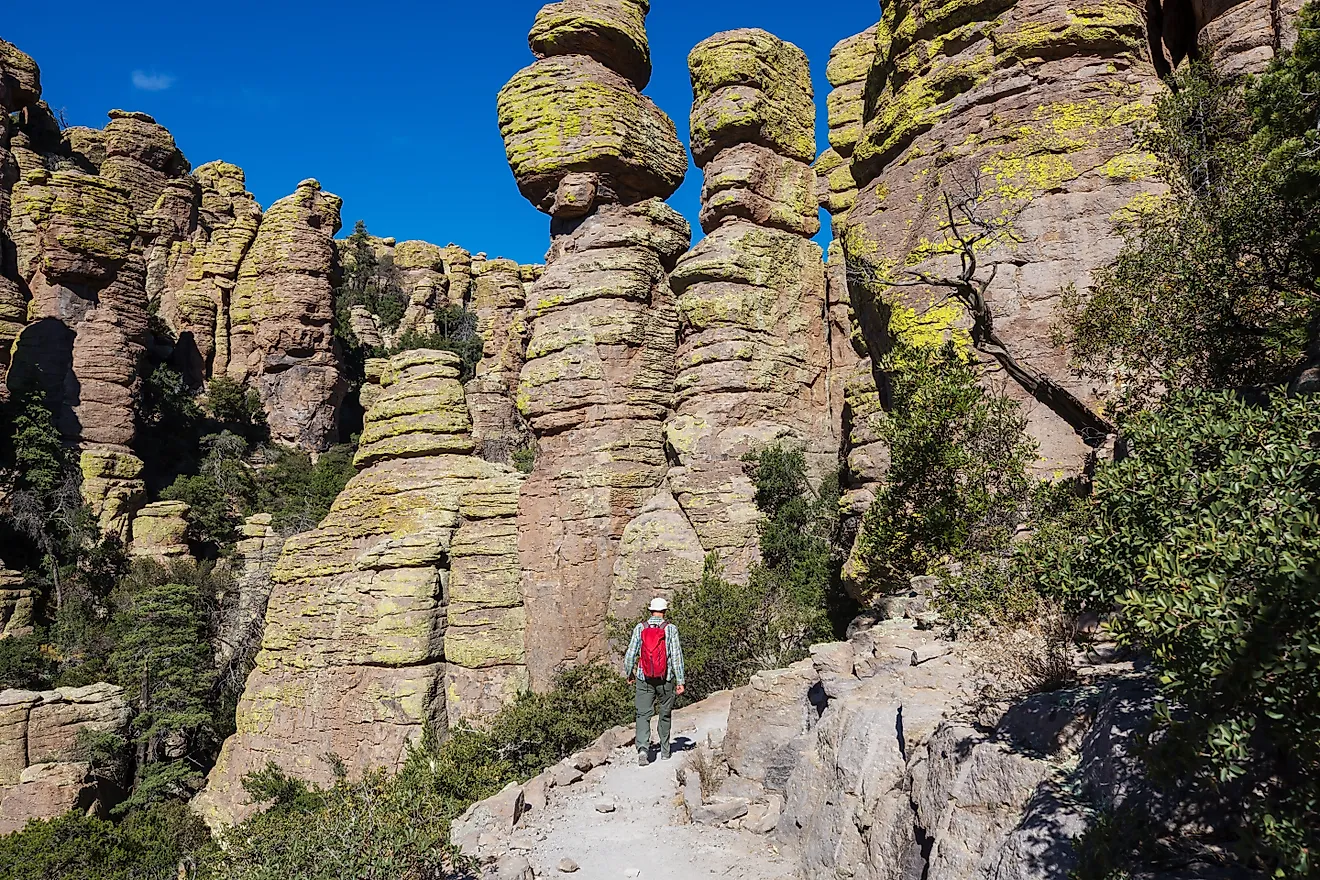
Primitive camping offers a simple and secluded way to experience the outdoors away from developed campgrounds. Sites like Colorado Bend State Park in Texas and Henry W. Coe State Park in California are ideal locations for campers who are prepared to bring their own supplies and go without electricity, running water, and other modern comforts. Facilities are usually minimal, with a basic tent area, fire ring, and sometimes a nearby pit for a toilet.
Typically, there is no electricity, running water, or other developed infrastructure, and cellular service may be unreliable or nonexistent. Some backcountry sites require visitors to hike several miles to reach them, while others are accessible only by canoe or boat. This type of camping is ideal for people looking for solitude and a strong connection with nature.
Developed Country Campsites

For campers who want to enjoy the outdoors without venturing too far from basic comforts, developed tent sites offer a practical balance. Places like Ricketts Glen State Park in Pennsylvania and Silverwood Lake State Recreation Area in California provide designated spaces with picnic tables, metal fire rings, and easy access to parking. Campers also share nearby comfort stations equipped with toilets, drinking water, and sometimes showers. These campgrounds are especially popular with families and first-timers because they deliver outdoor adventure without requiring you to disconnect from basic needs.
Modern RV Hookups

With room for camper vans to large motorhomes, state parks have become popular stops for travelers exploring the country on wheels. Campgrounds such as Jonathan Dickinson State Park in Florida generally feature wider, graded parking areas that make it easier to maneuver larger camping vehicles.
Service levels vary by location, so partial hookups may provide electricity and water, while full-hookup sites can include water, electricity, and sewer connections. Parks without individual sewer connections may provide a centralized dump station near the campground, allowing campers to empty their wastewater tanks before leaving the park. Some sites are designed as back-in spaces, while others offer convenient pull-through sites that let RVers enter and exit without the hassle of backing up.
Glamping in Cabins and Yurts

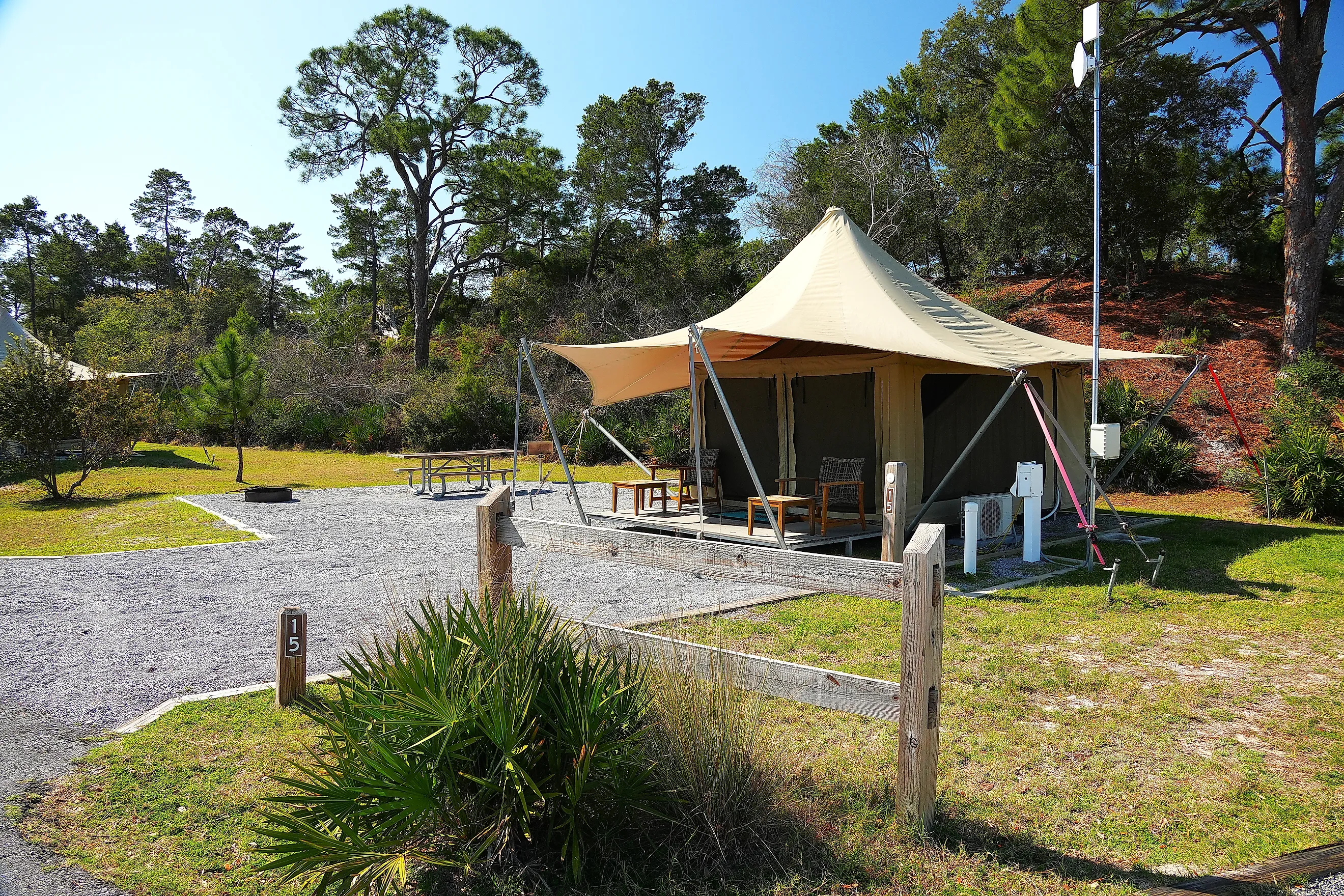
If you love camping but dislike the hassle of setting up a tent and sleeping on the ground, cabins, yurts, and glamping accommodations provide an easy way to enjoy a night under the stars. Yurts and canvas tent cabins provide a more comfortable version of traditional camping, sometimes including real beds, mattresses, heating, lighting, and outdoor decks. Nehalem Bay State Park near the Oregon coast offers 18 yurts among the rolling dunes, while McArthur-Burney Falls Memorial State Park in California has 2-room heated cabins.
Many of the cabins and yurts vary widely in comfort, some rustic and others surprisingly modern. Some historic cabins, like those at Lost River State Park in West Virginia, have limited amenities, while newer cottages can include heating and air conditioning, kitchens, and bathrooms. These options have helped state parks appeal to visitors who may not consider themselves traditional campers.
Timing Your Camping Adventure
Camping seasons can vary widely depending on the climate. In northern states such as Michigan, Montana, and Maine, many campgrounds open in spring and close in fall, though some still allow for primitive winter camping with very limited amenities. In warmer states like California, Texas, and Florida, many parks remain open year-round, with visitors often choosing cooler months for desert locations and warmer times for coastal destinations. Having a clear understanding of the park's climate and its seasonal schedule by checking weather forecasts and reservation platforms before you travel can help campers choose the best time to visit.
Planning Ahead
The days of arriving at a popular state park on a Friday afternoon and expecting to find an empty campsite are becoming less common. Most systems now use online reservation platforms that let campers choose dates, campsite types, and even specific campsite numbers. Popular parks and holiday weekends can fill up quickly, especially during peak camping seasons.
Some parks release campsites months in advance, while others have shorter booking periods and might keep some spaces open for walk-in campers. Certain backcountry areas like Tamarack Valley and Strawberry Junction in Mount San Jacinto State Park in California may require separate permits rather than standard campground reservations. Campers should always check the official website, in advance, for the specific state park they plan to visit. Rules regarding pets, fires, generators, maximum stay limits, and check-in times will also vary.