This Texas Scenic Byway Is The Road Trip Of A Lifetime
The Texas Hill Country forms the heartland of the Lone Star State, linking cities like Austin and San Antonio with countless rural towns. The Hill Country Loop, rather than following a single highway, combines state routes and rural roads that connect to many of these places, as well as a number of cool roadside attractions. Limestone hills, spring-fed rivers, towering granite landmarks, longstanding communities, and underground caverns are all sights you'll likely run into along the way. Travelers of this byway can stop to hike to the summit of Enchanted Rock, explore Longhorn Cavern, visit Hamilton Pool Preserve, and walk through Fredericksburg's historic districts, just to name a few choice activities. With numerous draws spread across the area, planning to travel the route in sections helps turn the drive into a full-fledged, multi-day road trip. With that, here is some essential information about this stretch of roadway to help you get a solid itinerary together.
An All-Encompassing Journey Throughout Central Texas

The Hill Country Loop is a roughly 311-330-mile jaunt through none other than the Hill Country region of Texas, connecting Austin with a plethora of smaller communities including Wimberley, Blanco, Johnson City, Fredericksburg, Llano, and Marble Falls. It follows a combination of state highways and smaller rural roads rather than a single designated roadway.
It forms a broad circle in which you will regularly witness rolling hills, wooded valleys, open ranchland, and pleasant river country. Around Wimberley and Blanco, roads pass through live oak-covered hills and along the Blanco River. Farther west, the landscape becomes more open and rugged around Fredericksburg and Enchanted Rock State Natural Area. The northern section then runs through Llano and the Highland Lakes area, where granite outcrops and larger bodies of water replace some of the drier, limestone-dominated scenery farther south.
The route, often used by both motorists and cyclists, varies between relatively wide highways and narrow two-lane country roads, with frequent curves as they cross hills and descend into creek and river valleys. But together, these connected paths create a continuous circuit through many of this wonderful region's most characteristic, history-filled locales.
The Best Stops Along the Journey
Wine tours, underground cave systems, and more await, so here are some suggested destinations on or near the Hill Country Loop to keep you entertained throughout the drive.
Fredericksburg

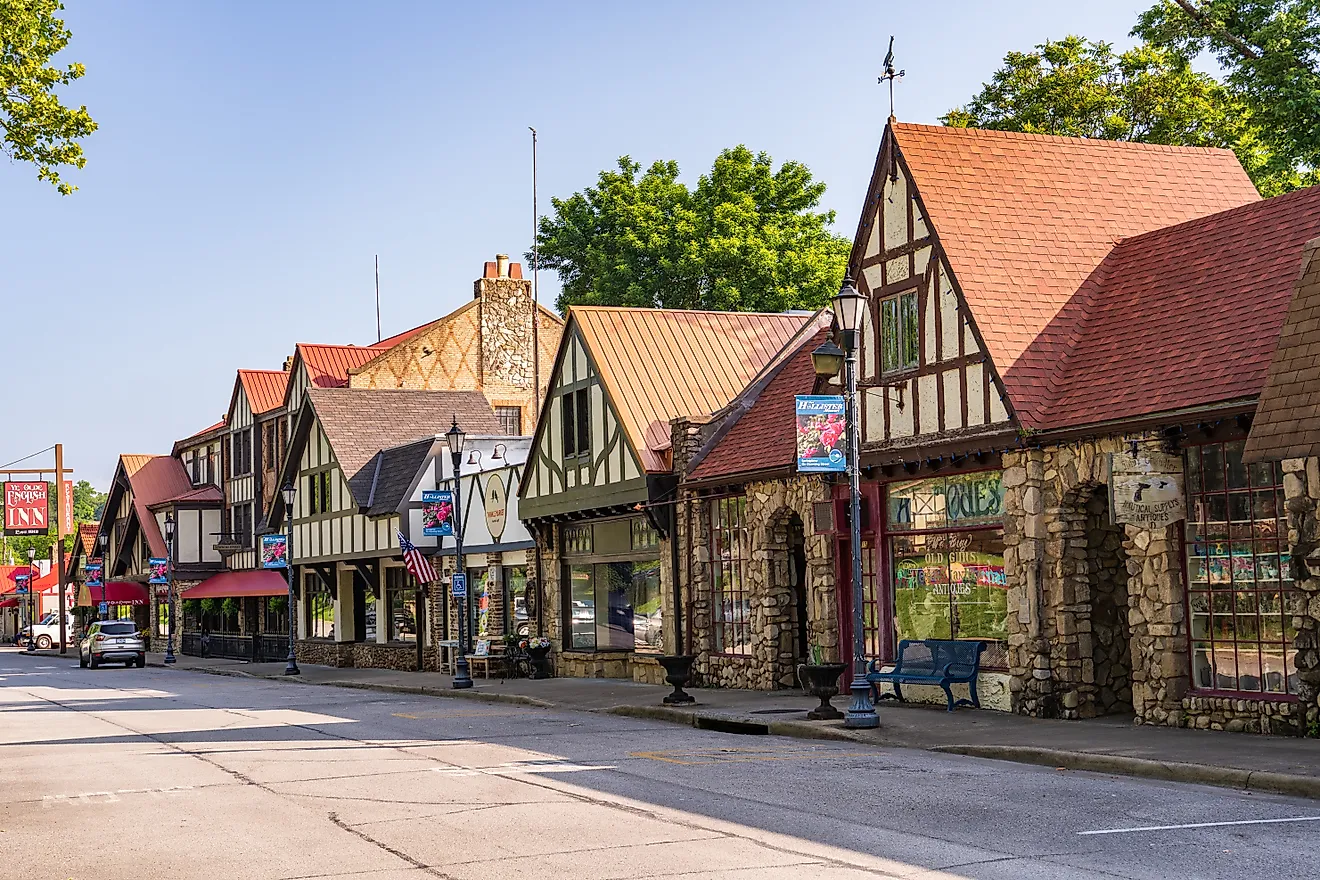
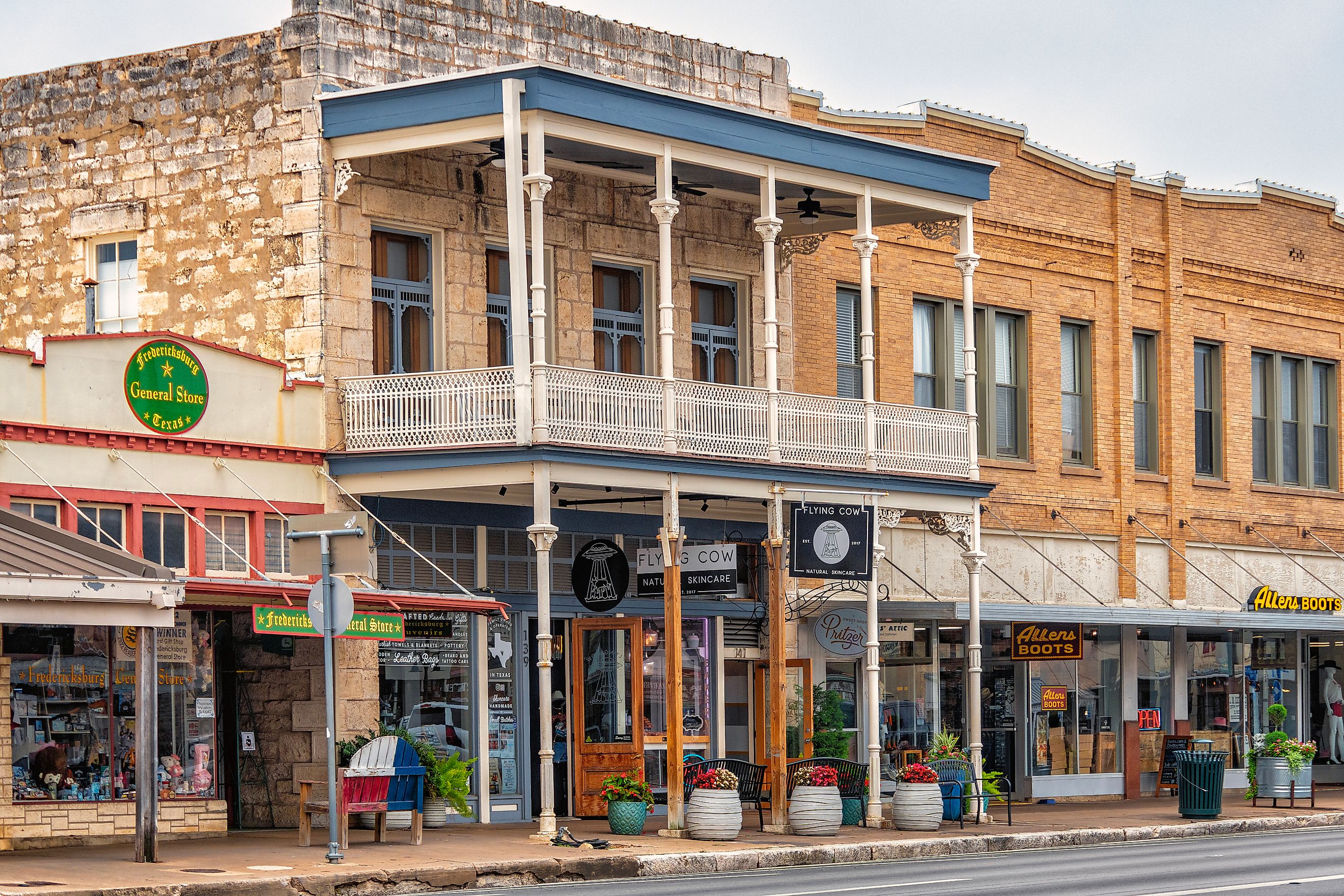
Fredericksburg is a useful overnight or half-day spot that many travelers use to either start or end their journey on the loop. Best known for its German heritage and historic Main Street, it was founded in 1846 by German immigrants and retains numerous old-timey buildings/sites associated with said early settlers.
The Pioneer Museum is a good place to learn more, as the complex contains more than a dozen historic structures, including an 1850s Sunday house and the Vereins Kirche replica. Furthermore, Main Street stretches for a couple of miles and is largely lined with restaurants, galleries, shops, and even a number of wine-tasting rooms (since this is one of the fastest-growing wine-producing regions in the United States).
In fact, nearby vineyard and orchard tours have proven to be quite popular, with Baron Creek Vineyards and Augusta Vin being two of several standout options to check out in the area.
Enchanted Rock State Natural Area

Enchanted Rock State Natural Area is perhaps the most standout natural draw on the route, centered on an enormous pink granite dome. This centerpiece rises about 425 ft above the surrounding lands and covers roughly 640 acres, making it the largest pink granite monadnock in the United States.
You can hike to the summit on the less than 1-mile Enchanted Rock Summit Trail, which climbs directly across the exposed granite to give you some truly spectacular views. The park also has several other trails to choose from, including routes around the dome and by other nearby rocky formations. Rock climbing, camping, stargazing, and wildlife viewing are additional activities that many come here for.
Longhorn Cavern State Park

Near Burnet, Longhorn Cavern State Park boasts an impressive cave created by the erosive force of an ancient underground river. It had been used by humans for centuries, including Native Americans and later Confederate soldiers who reportedly manufactured gunpowder inside.
The cave extends deep beneath the ground, although visitors may explore only a relatively small, 1.5-mile-long portion on guided tours. Inside, narrow passages open into larger chambers containing polished limestone walls, stalactites, stalagmites, and other unusual formations shaped by flowing water.
Above ground, the park features more hiking trails and the historic Civilian Conservation Corps-built Observation Tower, which gives some nice views across the countryside.
Hamilton Pool

The Hamilton Pool Preserve is a striking natural landmark west of Austin, with a collapsed limestone grotto formed when an underground river eroded the rock and caused its roof to fall away. Here, a 50-ft waterfall drops from the exposed rim into a jade-green pool beneath a large overhanging rock shelf. The preserve protects part of Hamilton Creek as well, and other important wildlife habitat.
A short trail leads from the parking area to the pool, passing through shaded woodland before reaching the grotto. Note that swimming is sometimes permitted, but access can be suspended when bacteria levels, flooding, or other conditions make the water unsafe.
Pedernales Falls State Park

Pedernales Falls State Park follows a very scenic stretch of the Pedernales River, also just west of Austin's city limits, where the water cuts very widely across enormous slabs of stone instead of simply dropping down instantly as a conventional waterfall does. The river actually tumbles through a series of shallow cascades and channels, creating the park's visually distinct waterway.
A designated overlook provides easily accessible views of the falls, while a network of trails leads through the adjacent hills and along the river. You'll be able to walk, mountain bike, fish, and swim in designated areas, and even camp within the park if you wish to spend the night, too.
The 5,212-acre park also protects significant swaths of oak-juniper woodland, other interesting limestone formations, and habitat for white-tailed deer, wild turkeys, and numerous bird species.
Luckenbach

The town of Luckenbach makes for a worthwhile stop between Fredericksburg and the eastern side of the Hill Country, particularly for travelers interested in the region's music history. The tiny community gained wider fame after the 1977 Waylon Jennings song "Luckenbach, Texas (Back to the Basics of Love)" and has since become deeply associated with Southern country music.
Its historic post office, general store, bar, and dance hall form the heart of the settlement, with live music regularly performed in the dance hall and various outdoor venues. It is also small enough to explore fairly quickly should you need to, making it an easy way to spend an afternoon between larger attractions along the loop.
Experience the Texas Hill Country Loop Yourself this Year
The Texas Hill Country Loop packs some of the state's most distinctive scenery and attractions into a roughly 300-mile, manageable road trip. Lofty rock domes, subterranean caverns, river valleys, old-timey landmarks, and swimming holes give this awesome route plenty of reasons to stop along the way. Allowing several days to explore without rushing between destinations is also highly recommended and easy to plan, as overnight accommodations are within reach almost anywhere here.