The Longest Underwater Tunnel In The United States
Bay Area Rapid Transit (BART) trains cross San Francisco Bay through the Transbay Tube, a 3.6-mile (5.8 km) submerged railway connecting the bustling cities of San Francisco and Oakland, making it the longest completely underwater tunnel for passenger use in the United States. This crossing carries riders not through the ocean, but beneath the bay floor, bypassing the often congested traffic above on the San Francisco-Oakland Bay Bridge. Opened in 1974, the tube has made convenient journeys between the East Bay and San Francisco possible for over 50 years now, establishing a rail connection that remains central to travel in the Bay Area. Unlike underwater highway tunnels like the Hugh L. Carey Tunnel in New York City, it also contains only tracks instead of car traffic lanes, with separate bores for trains traveling in opposite directions.
Where the Transbay Tube Runs

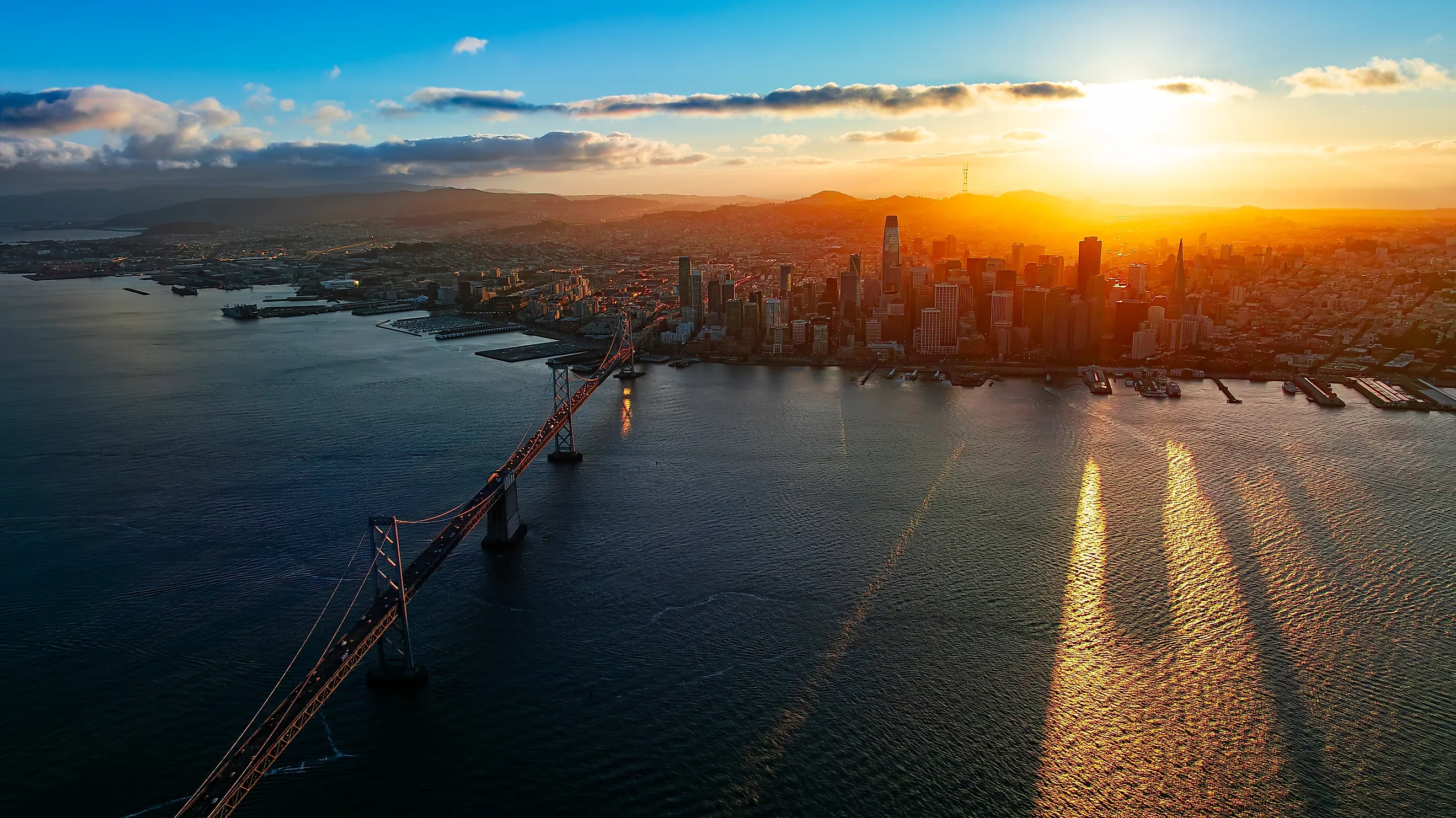
The Transbay Tube stretches beneath San Francisco Bay from the San Francisco waterfront near the Ferry Building to the Oakland shoreline, and Embarcadero and West Oakland are the BART stations on opposite sides of the crossing. The tube itself measures 3.6 miles (5.8 km), while the crossing, including its land approaches, extends a total of approximately 6 miles (9.7 km).
It rests in a trench excavated into the bay floor and is covered with protective material. At its deepest point, the structure reaches approximately 135 feet (41 meters) below the water's surface, with a route that runs south of the San Francisco-Oakland Bay Bridge.
How the Tube Was Built

Engineers built the Transbay Tube using 57 steel-and-concrete sections fabricated above water, with each section forming the railway bores and the galleries between them. Workers sealed the ends with temporary bulkheads so the enormous sections could float, allowing tugboats to move them into position on San Francisco Bay before they were lowered into place.
But before installation, dredging crews excavated a trench across the bay floor. The sections were then carefully lowered into this trench onto a prepared foundation, and aligned and connected underwater. Watertight joints linked the sections into a continuous structure, and once adjoining sections were sealed together, workers could remove the temporary barriers separating their interiors. Backfill covered the completed tube afterward, helping protect it and hold it in place. This method avoided the need to drive a tunnel the traditional way through the full length of the crossing. It also allowed much of the structural work to take place above water before installation.
Started in 1966, the tube structure was completed in August 1969, but trains could not run immediately. Crews still had to install the necessary tracks, electrical equipment, and operating systems before regular passenger service began in September 1974.
Opening the Rail Link Across the Bay

Passenger service through the Transbay Tube began, more specifically, on September 16, 1974, two years after BART first started carrying riders in the East Bay. Opening the tube enabled passengers to travel between the two sides without transferring to a bus or ferry. It also gave the growing BART system the crossing needed to function as a regional railway. Until then, the railway's San Francisco and East Bay services lacked a direct connection across the water.
Its sheer length and almost purely underwater construction beneath heavily navigable waters still draw international attention to the Bay Area's overall impressive transit system.
How the Tunnel Operates

As mentioned, inside the Transbay Tube, the trains use two separate bores, each containing a single track. Between them, upper and lower galleries accommodate ventilation, utilities, and movement by maintenance crews, with these passages allowing workers to reach equipment without walking directly along the railway tracks. Furthermore, ventilation structures at both ends connect the submerged tube with the surface, while fans circulate air through the interior.
It could probably go without saying, but keeping water out is another essential part of operations here. In fact, BART completed a massive seismic retrofit in 2024, installing an inner steel lining in vulnerable sections and upgrading the pumping system. The lining will hopefully help limit water intrusion if a powerful earthquake damages the tube, while the pumps can remove water at a greater rate than before.
Riding Through the Transbay Tube

Passengers use the Transbay Tube on a regular BART train, with no separate tour or reservation required. The ride between Embarcadero and West Oakland takes roughly 6 minutes, passing through the tube without an intermediate station.
Outside the windows, you'll see tunnel walls and lights zooming by (sorry for anyone trying to catch a glimpse of marine life), as the train remains enclosed throughout the submerged crossing before continuing toward station platforms on either shore.
Fares depend on the journey's starting and ending stations. Riders can pay with Clipper or a contactless credit or debit card, tapping the same card when entering and exiting. You can, and should, check BART's trip planner for departure times and planned service changes before setting out.
Experience this Record-Breaking Piece of America's Infrastructure For Yourself
The Transbay Tube's future depends on maintaining a heavily worked railway in a place where repairs are difficult, and water constantly must be kept out. More recent seismic work shows how much investment that requires, even after construction is long finished.
For local residents and visitors alike, this train connection across San Francisco Bay has become an essential facet of everyday life, helping them avoid bridge traffic and serving businesses, neighborhoods, and other amenities on both shores. Even if you don't use it on your daily commute, this one is a must-see for any enthusiasts of public infrastructure in California.