The Largest Dune Field In The United States
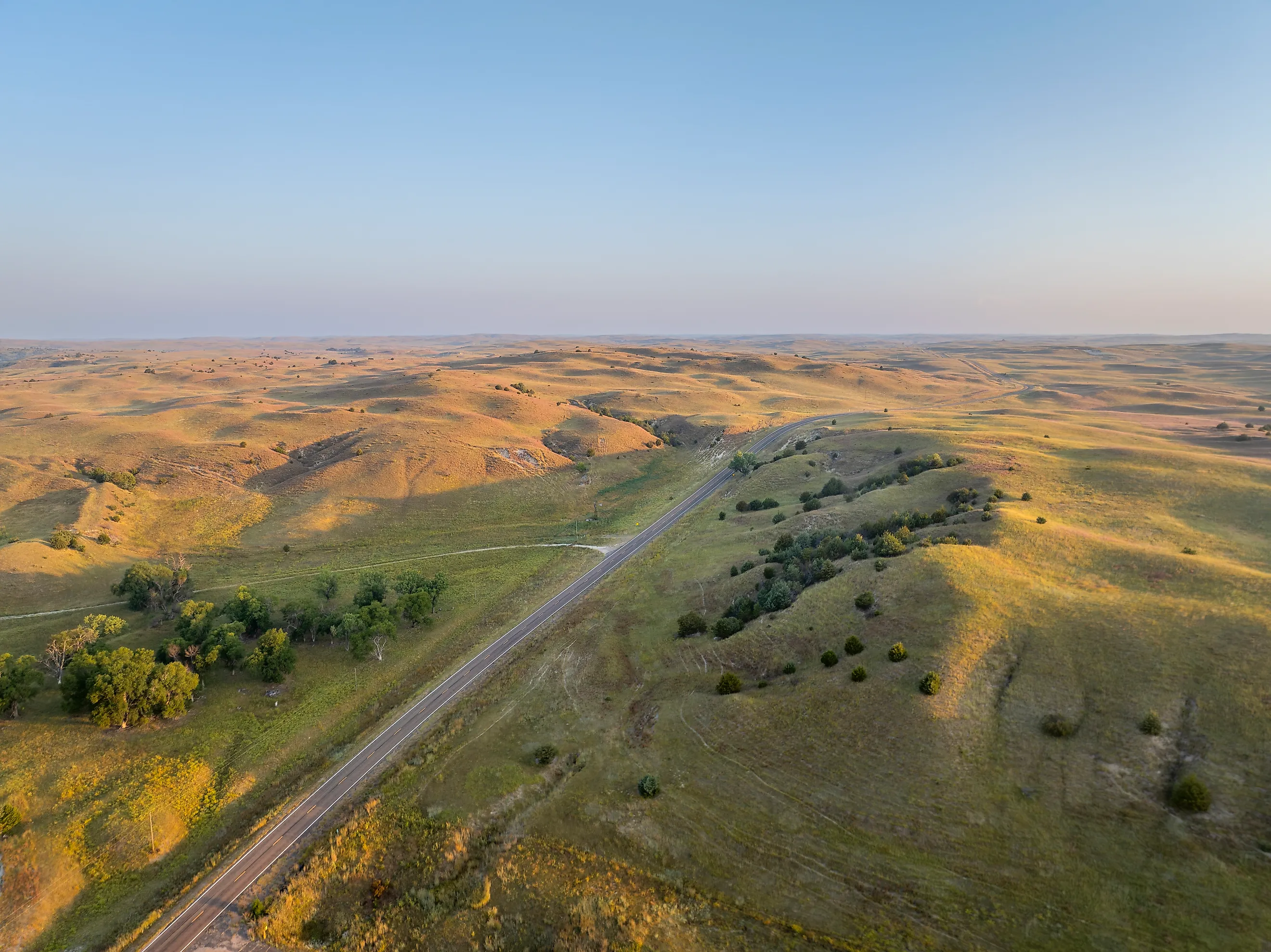
Picture America's largest dune field, and you probably imagine a Sahara-style sea of golden sand baking under a blazing sun. The reality could hardly be more different. The single biggest dune field in the entire country is green, rolling, grass-covered, and hiding in plain sight in the middle of Nebraska. Meet the Sand Hills.
The Answer: The Nebraska Sand Hills

The Nebraska Sand Hills sprawl across roughly 20,000 square miles of north-central Nebraska, covering about a quarter of the whole state. That makes them not merely the largest dune field in the United States, but the largest in all of North America and, in fact, the entire Western Hemisphere. It is a genuinely enormous sand sea. It just happens to be one that barely looks like sand at all when you first lay eyes on it.
Why It's Green, Not Golden

The reason the Sand Hills fool almost everyone is that they are nearly covered in grass. A thin and famously fragile skin of native prairie grass blankets around 95 percent of the dunes, locking the sand firmly in place and transforming what would otherwise be a barren desert into rolling, waving grassland. It is, in the strictest terms, the largest grass-stabilized dune field on the planet, as well as one of the largest intact stretches of mixed-grass prairie left anywhere in North America. Look closely, though, and the underlying shape of the land gives the game away.
How It Formed

Underneath all that grass, the Sand Hills are absolutely the real deal. As the last Ice Age wound down, meltwater and wind carried vast quantities of sand from the Rocky Mountains eastward onto the Great Plains, where relentless winds sculpted it into dunes, some of them over 400 feet tall and stretching up to 20 miles long. For a time, they were bare, shifting dunes, not so different from the active ones you can still see at Colorado's Great Sand Dunes. Then, as the climate turned wetter, grass moved in and pinned them down. Dig beneath the sod and the dunes are still very much there, and in severe droughts, exposed patches can even reactivate and start marching once again.
A Landscape Built on Water
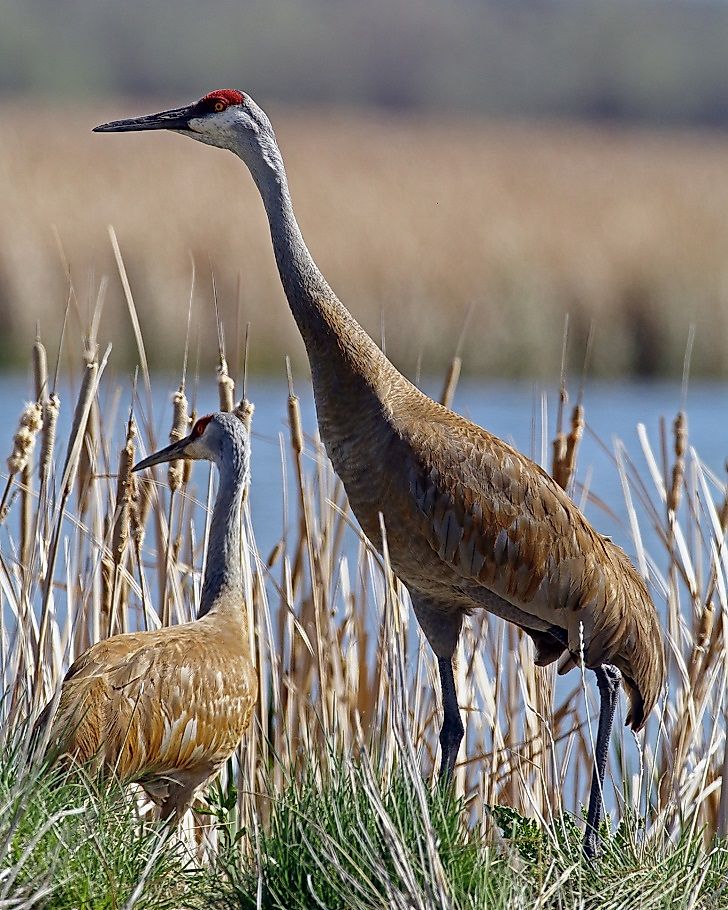
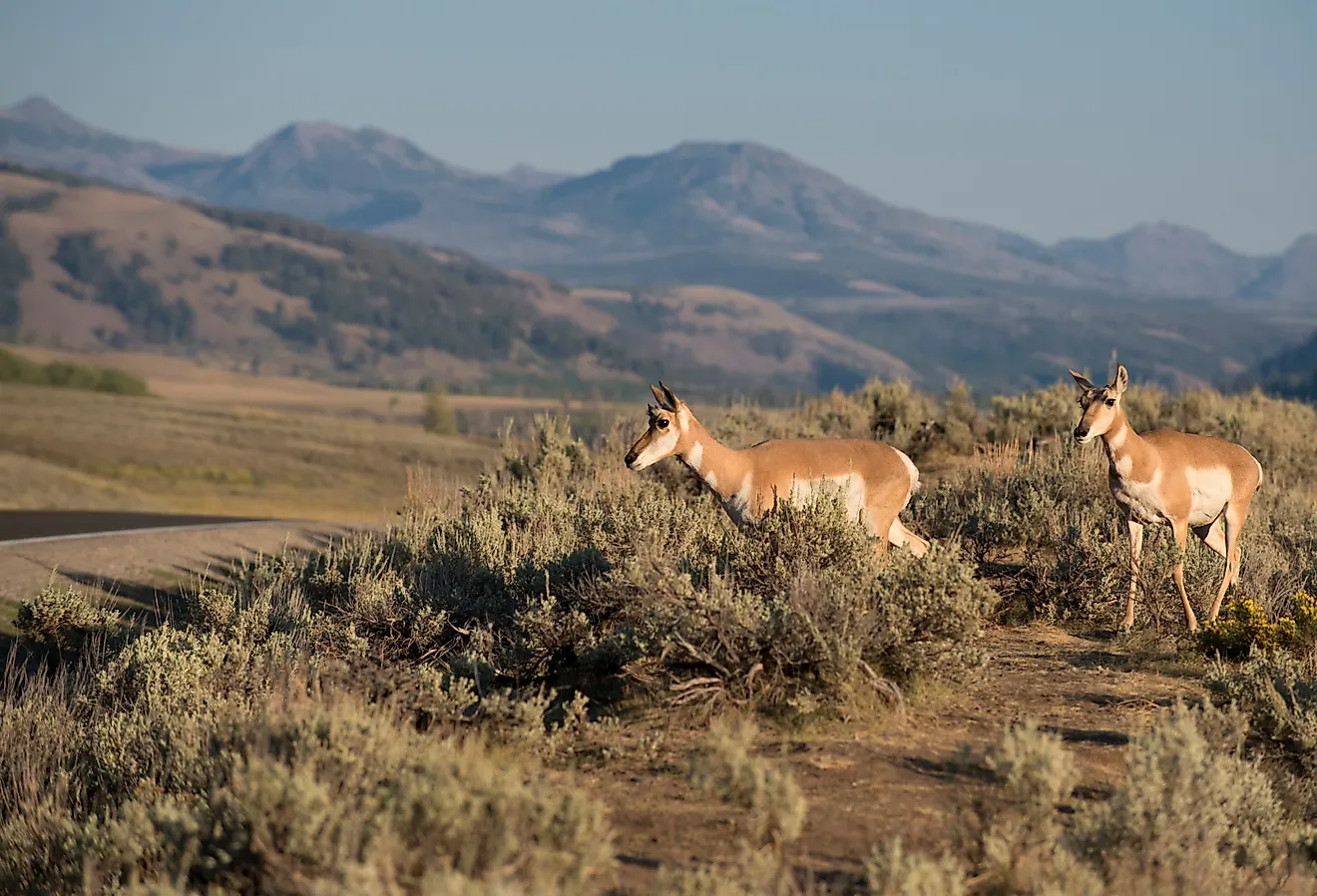
Here is perhaps the biggest surprise of all: this apparent "desert" is actually soaked in water. The Sand Hills sit directly atop the Ogallala Aquifer, one of the largest underground reservoirs on Earth, and the porous sand acts like a colossal sponge, drinking in rainfall and feeding thousands of shimmering lakes and wetlands in the low pockets between the dunes. Those wetlands make the region a genuine haven for wildlife, from pronghorn to enormous migrating flocks of sandhill cranes, while the thick grass on top makes it some of the finest cattle-ranching country in all of America.
The Runner-Ups

The Sand Hills win handily on sheer size, but a couple of other American dune fields hold impressive records of their own. New Mexico's White Sands National Park protects the largest gypsum dune field anywhere on Earth, roughly 275 square miles of blinding-white, sugar-fine sand. And Colorado's Great Sand Dunes National Park is home to the tallest dunes in North America, including Star Dune, which towers around 740 feet above the valley floor. Each is a champion within its own category, but for pure, sprawling size, nothing in the hemisphere comes remotely close to Nebraska's grassy giant.