9 Best Attractions To Visit on the Atlantic Coast
One lighthouse on this coast has been lit since 1764, twelve years before anyone signed the Declaration of Independence. One fort is built out of compressed seashells and shrugged off cannonballs for it. One boardwalk exists because hotel owners were tired of sand in their lobbies. The US Atlantic Coast is full of this kind of thing, and the nine attractions here span granite summits, wild horses, coral reefs, and the oldest boardwalk on the planet. A few are famous, a couple are easy to drive past, and every one is worth planning a day around.
Acadia National Park, Maine

Cadillac Mountain rises 1,530 feet above Mount Desert Island in Acadia National Park, which makes it the tallest point on the entire US Atlantic Coast and, for part of the year, the first spot in the country to see the sunrise. That summit is the headline at Acadia, and a paved road climbs most of the way up for anyone who would rather drive than hike it. The park spreads across nearly 50,000 acres of coastline, granite, forest, and lake, and it drew close to four million visitors in 2024, good enough to rank seventh among all national parks that year. Over 150 miles of trails cross the landscape, and foxes, beavers, and hundreds of bird species live along them. The 2.2-mile Ocean Path is the one to walk for the coast itself, tracing the shoreline past Thunder Hole, a narrow inlet where incoming waves compress against the rock and clap loudly enough to carry, on the right tide.
Assateague Island National Seashore, Maryland and Virginia

The wild horses are the reason most people come to Assateague, and the local story is that they descend either from survivors of a shipwreck off the Virginia coast or from stock brought over in the 17th century to dodge mainland fencing laws and taxes. The 37-mile barrier island sits near Chincoteague and Ocean City, and the horses share it with salt marsh, maritime forest, and long stretches of undeveloped sand. Visitors can camp right on the beach in the Maryland section, fish the surf, crab, kayak marked routes, and swim with some caution where the currents allow. The half-mile Life of the Forest Trail loops through the woods on the Maryland side, where the horses turn up often enough that the signs warn you to keep your distance rather than your camera ready.
Castillo de San Marcos National Monument, Florida
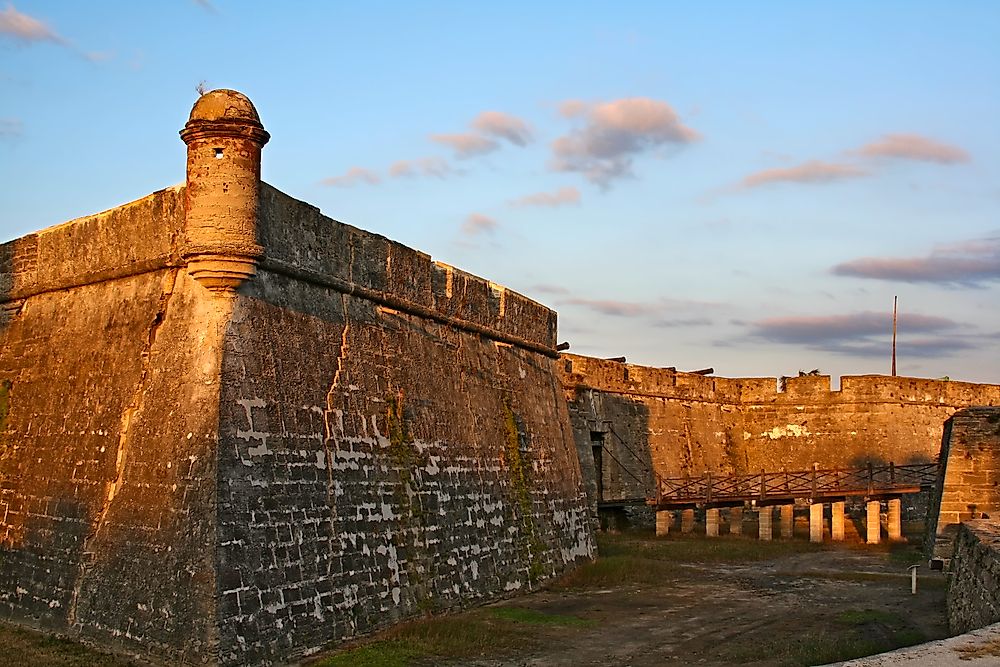
Spain began building Castillo de San Marcos in 1672, when Florida was still part of the Spanish Empire, to guard St. Augustine against pirates and the British colonies pressing down from the north. It was the tenth fort on the site; the previous nine were wood, and they burned. This one went up in coquina, a soft stone made of compressed shell that absorbed cannon fire instead of shattering, and it still stands above Matanzas Bay as the oldest masonry fort in the continental United States. Visitors climb to the gun deck, walk through the storerooms that ring the courtyard, and catch scheduled cannon demonstrations run by costumed rangers. An on-site museum holds thousands of artifacts, maps, and documents from the fort's long run under Spanish, British, and American flags.
Mystic Seaport Museum, Connecticut

At 19 acres on the Mystic River, this is the largest maritime museum in the country, a few miles up from Long Island Sound and its outlet to the Atlantic. The grounds hold a working shipyard and a recreated 19th-century New England village, staffed by historians, storytellers, and craftspeople who keep the old trades going. The collection runs to more than 650 historic vessels, the world's largest, and the centerpiece is the 1841 Charles W. Morgan, the last wooden whaleship left anywhere. The museum's Collections Research Center holds millions more items, from ship registers to maritime art and film, and river cruises aboard historic boats let visitors pick a vessel and set the pace on the water themselves.
Cape Cod National Seashore, Massachusetts

Forty miles of Atlantic-facing beach anchor Cape Cod National Seashore, which covers more than 43,000 acres of shoreline, marsh, pond, and pine. Coast Guard Beach in Eastham ranks among the best swimming beaches in the country, with firm sand and steady conditions for surfing and boogie boarding. Hikers have the 1.2-mile Atlantic White Cedar Swamp Trail, which runs through oak and pine before a boardwalk carries it straight over the swamp the trail is named for. Cyclists get the 5.4-mile Province Lands Bike Trail, which winds through pine woods, sand dunes, and wetland near the tip of the Cape.
Biscayne National Park, Florida

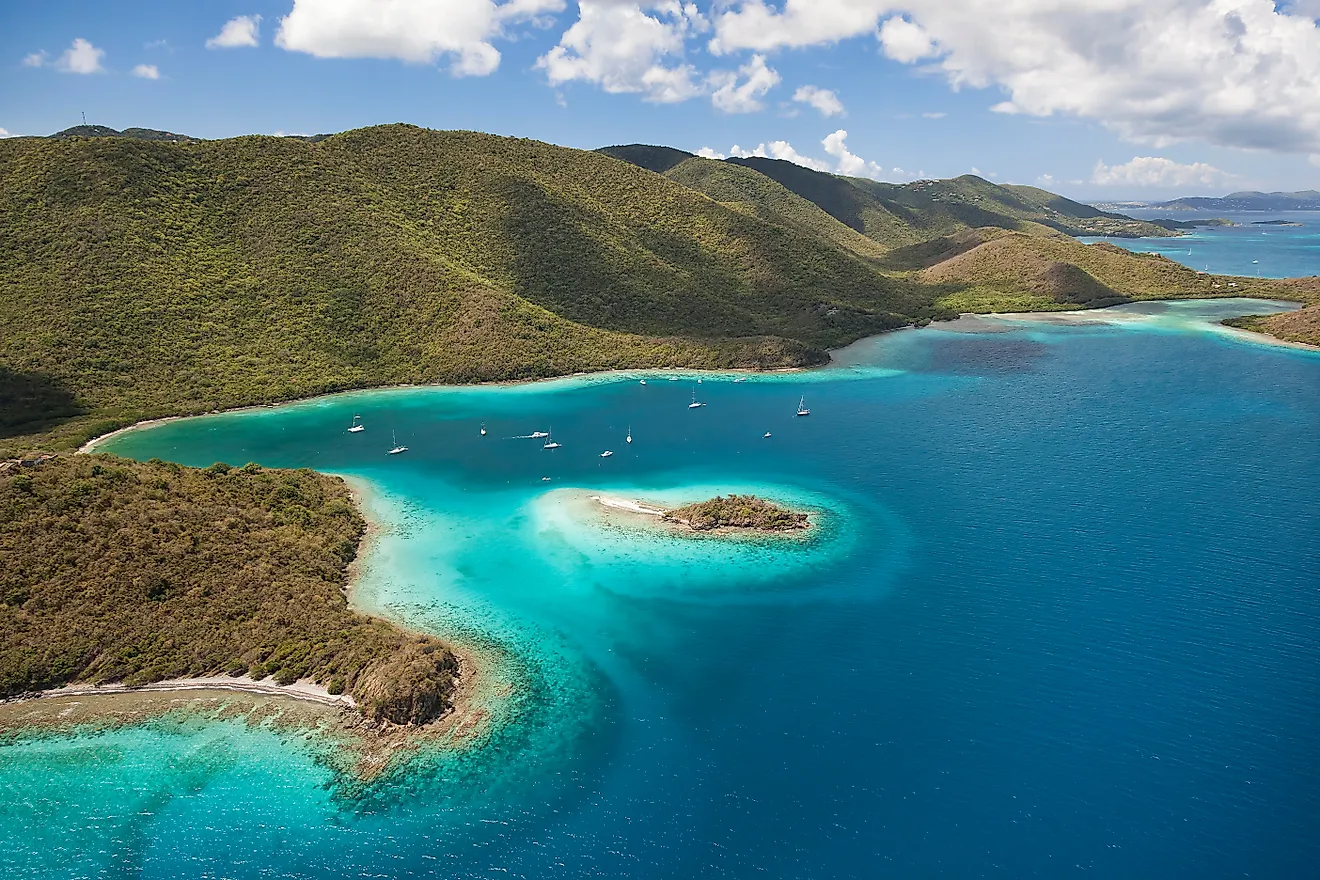
About 20 miles from Miami, Biscayne is almost entirely water, and most of what makes it worth the trip sits below the surface. Inside its boundaries lie a mangrove shoreline and part of the Florida Reef, the third-largest coral reef system in the world, and the clear water and reef color make it a favorite for snorkeling and scuba diving. The Maritime Heritage Trail is an underwater route linking several shipwrecks, where divers pass reef fish that have colonized the old hulls. Boaters have the run of the bay, with outfitters offering fishing and touring trips, and paddlers can work the mangrove edge by kayak. On land, the boat-only islands of Elliott Key and Boca Chita Key offer camping, picnicking, and short trails for anyone willing to arrive by water.
Gateway National Recreation Area, New York and New Jersey

Gateway spreads across more than 26,000 acres of beach, dune, pond, forest, and salt marsh split between New York and New Jersey, and it takes in more than 300 bird species along with a run of historic military sites. The area breaks into units. The Jamaica Bay Unit, the largest, holds a wildlife refuge, a fort, and Floyd Bennett Field, New York City's first municipal airport, whose runways now sit beside dozens of campsites. The Staten Island Unit takes in Fort Wadsworth, first fortified with a Dutch blockhouse in 1663, which ranks among the oldest military sites in the country. On the New Jersey side, the Sandy Hook Unit runs seven miles of ocean beach out to the Sandy Hook Lighthouse, first lit in 1764 and the oldest continuously operating lighthouse in the United States.
Virginia Aquarium and Marine Science Center, Virginia

Just south of Rudee Inlet, the Virginia Aquarium and Marine Science Center is built around the animals that live in local waters, alongside plenty from farther afield. Exhibits split across two buildings. The North Building is the main one, holding the larger animals: harbor seals, sharks, great barracudas, and, less expectedly for a coastal aquarium, komodo dragons. The South Building keeps the more delicate residents, jellyfish among them, plus touch pools, a children's play area, and an animal care center where visitors can watch keepers work. Beyond the tanks, the aquarium runs boat trips to spot dolphins and other coastal Virginia wildlife, and the adventure park next to the South Building adds more than 30 ziplines, over a dozen treetop trails, and swings for anyone with energy left over.
Atlantic City Boardwalk, New Jersey

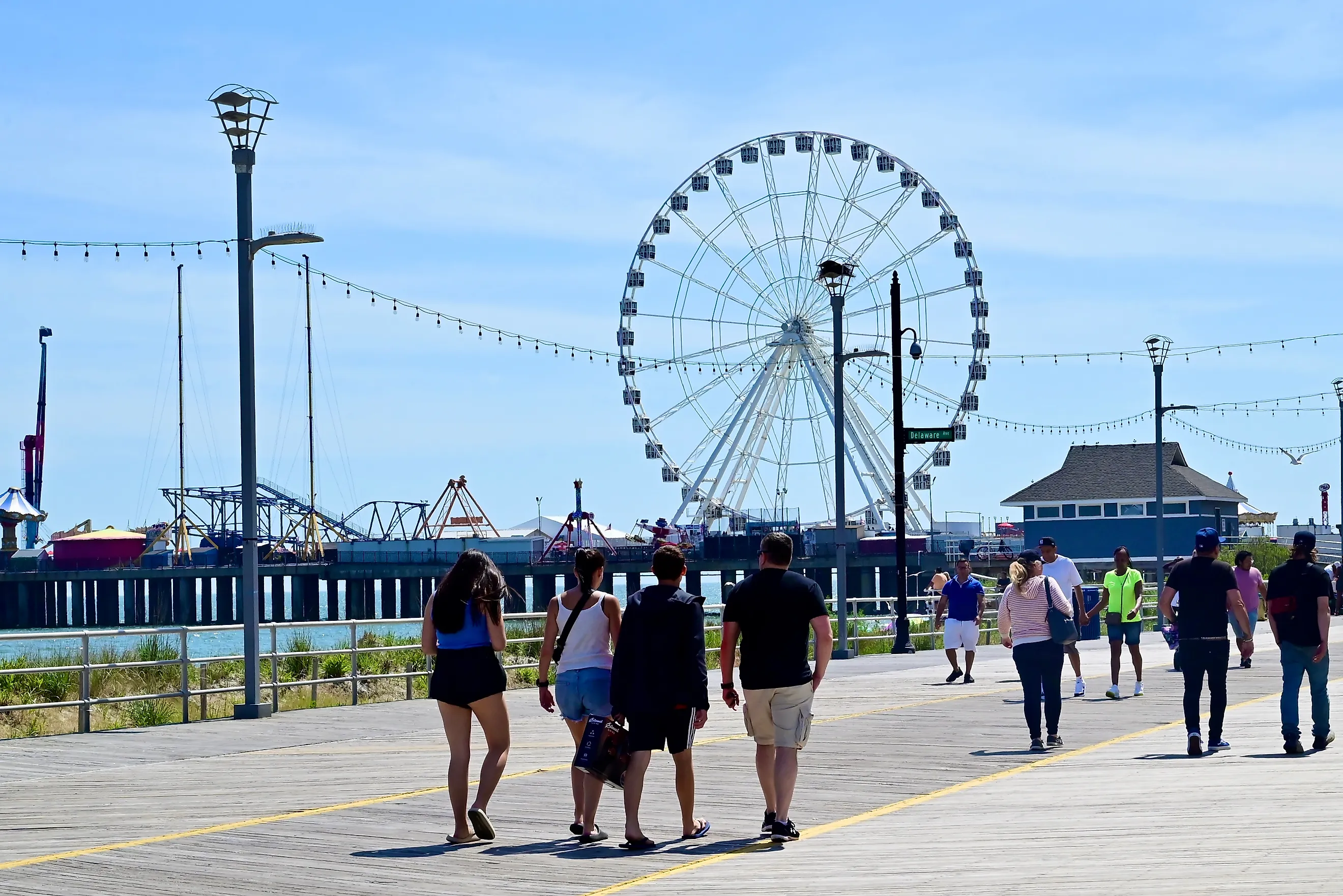
The Atlantic City Boardwalk opened in 1870 for a plain reason: hotel owners wanted to keep beach sand out of their lobbies and railroad cars, so they laid down a wooden walkway that came apart for winter storage. It grew from there into the oldest boardwalk in the world and, at about five and a half miles, the longest, now lined with shops, restaurants, and amusements. Steel Pier runs a 1,000-foot amusement park with rides, games, food, and a 227-foot observation wheel over the ocean. Nearby, the Island Waterpark at Showboat counts as one of the world's largest indoor beachfront water parks, with 11 slides, bars, restaurants, and a sprawling arcade. Just off the planks, the open oceanfront takes swimmers, surfers, kayakers, and parasailers once the boardwalk crowds thin out.
Nine Attractions, Nine Different Days
No two of these places make for the same afternoon, which is the argument for treating each as its own trip. At the Atlantic City Boardwalk the draw is oceanfront noise and neon; at Biscayne, most of it sits underwater; at Acadia, the rugged granite edge of the coast and the climb to its highest point. At Mystic Seaport the country's maritime past survives in actual ships and a working village, and at Castillo de San Marcos three centuries of Spanish, British, and American history stand inside walls made of shell. The common thread is the Atlantic itself, and the range of what people have built along it is the whole point.