8 Best Natural Wonders To Visit In Victoria This Year
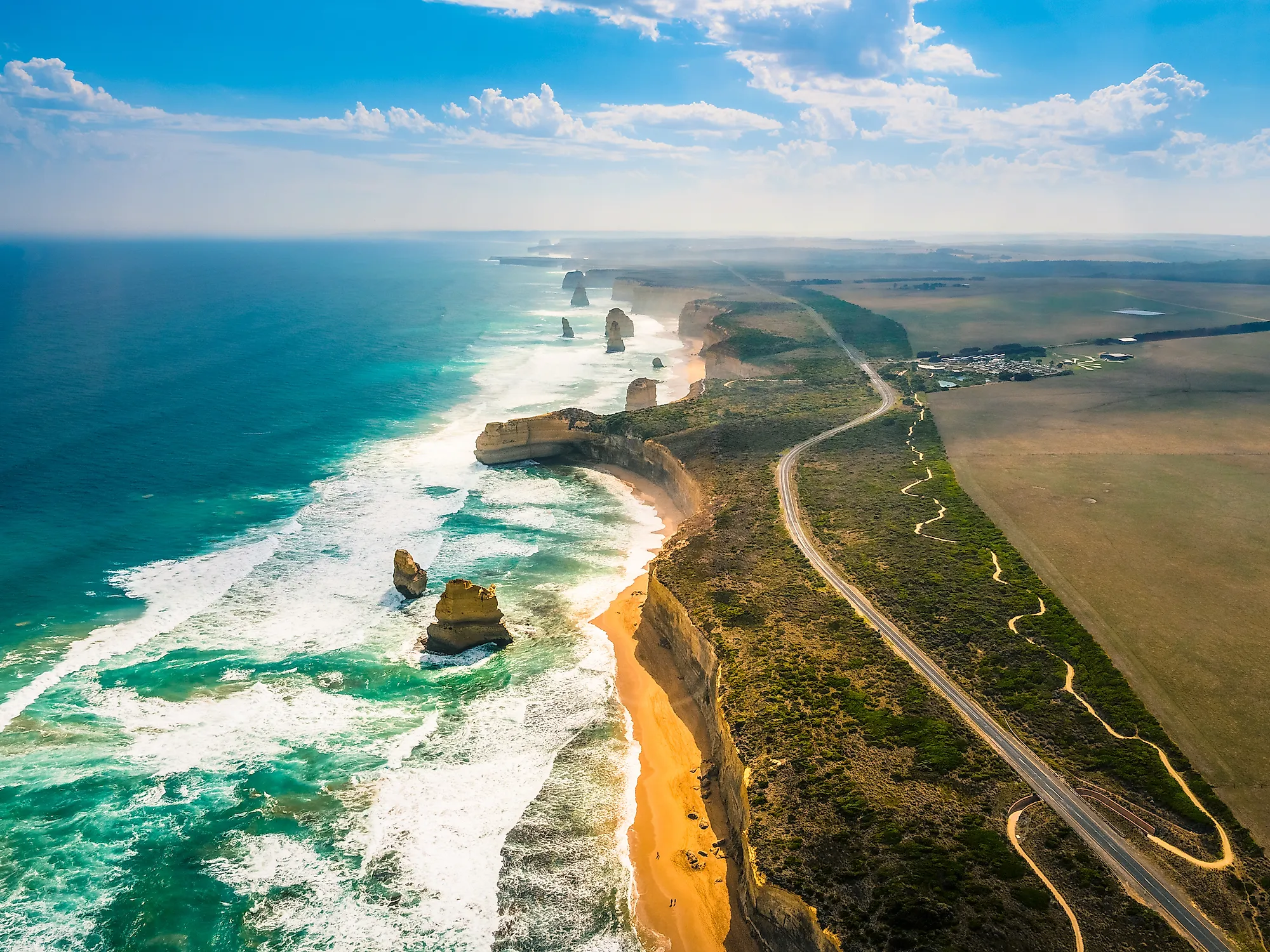
Victoria has been home to Aborigines for thousands of years, with the Koories still living among this Australian state's most beautiful natural wonders. To see these wonders, and explore local history, visitors can head up mountains, down the coastline, or get lost in a forest of giant trees. The stately Twelve Apostles stand proudly in the surf just off the shore of Port Campbell National Park by Great Ocean Road. The Californian Redwood forest within the Great Otway National Park is a magnificent sight. Cleft Island is slightly eerie with its skull-like appearance and mysterious background. Those who want to experience what outdoor Victoria has to offer will find the following wonders unforgettable.
The Twelve Apostles
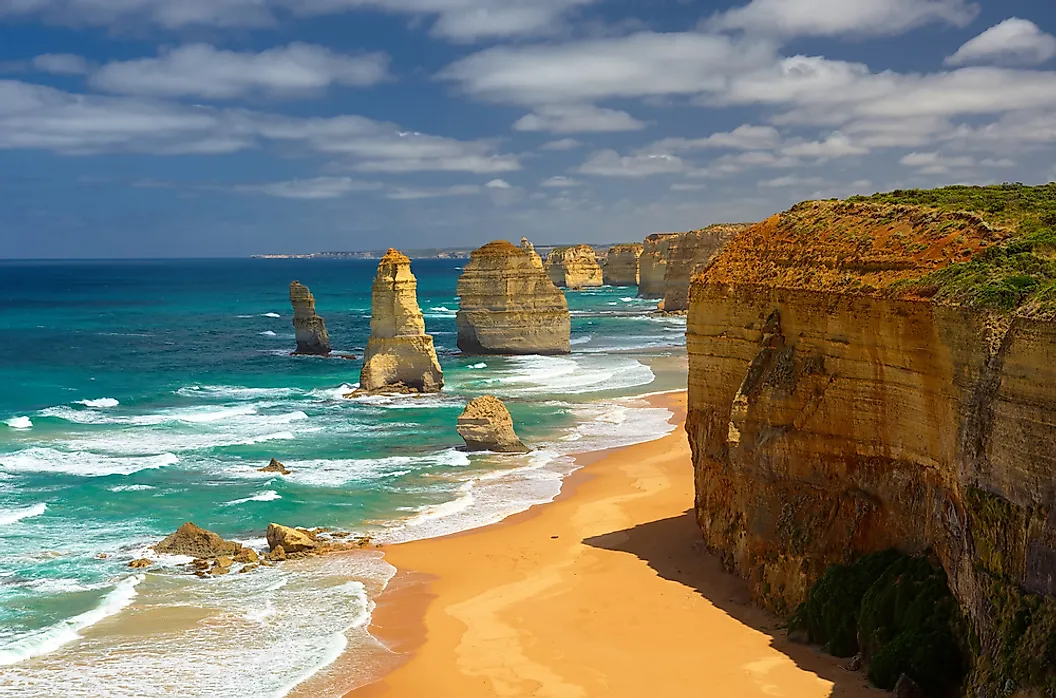
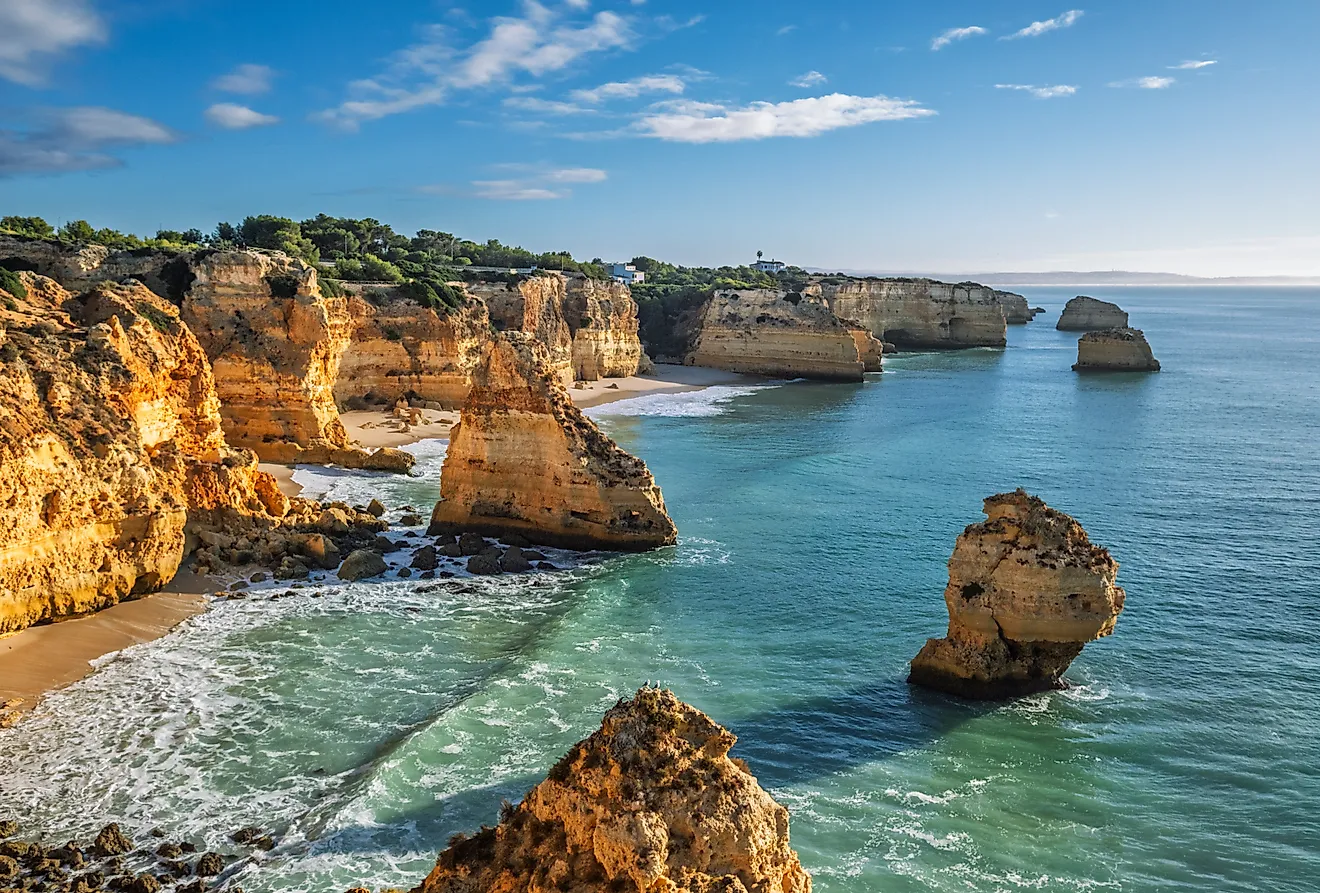
There is no better way to kick off this list of natural wonders than with the Twelve Apostles in Port Campbell National Park. These magnificent sea stacks are Victoria's most popular landmark inside a park known for being part of the Aboriginal culture. They stretch more than 30 kilometers along the coastline between Princetown and Peterborough. There are only seven of the original twelve left, but visitors can also see around 30 other rock formations along the same coastline. Visitors prefer heading to the Twelve Apostles at sunrise or sunset to see the sun's rays reflecting off them, creating a gorgeous spectacle. It is also possible to see them from the air via a helicopter tour. Aside from the sea stacks, there is also the rest of the national park to see, a 7-kilometer section to hike on the Great Ocean Walk, and the offshore stacks 'Gog and Magog' to explore.
The Organ Pipes

The Organ Pipes National Park, around three and a half hours from Port Campbell National Park, is home to another part of Aboriginal cultural landscapes. It also features a parking area right atop an old volcano and the chance to see the stone columns the park is named after. The Organ Pipes sit on a cliff face that overlooks Jackson Creek. This rock formation was created by volcanic lava that cooled and cracked, resulting in the organ pipe look. Not far from the Organ Pipes, visitors will find the Rosette Rock and fossils that date back more than 400 million years. Visitors can take the Organ Pipes Walk to see the 20-meter pipes before heading over to the rock or settling in for a picnic lunch. Those visiting in the summer should plan their outing for the morning to mid-afternoon, to escape the worst of the heat. In winter, the creek is in full flow, creating a lovely backdrop, and in spring there is the opportunity to spot kangaroos.
The Grampians
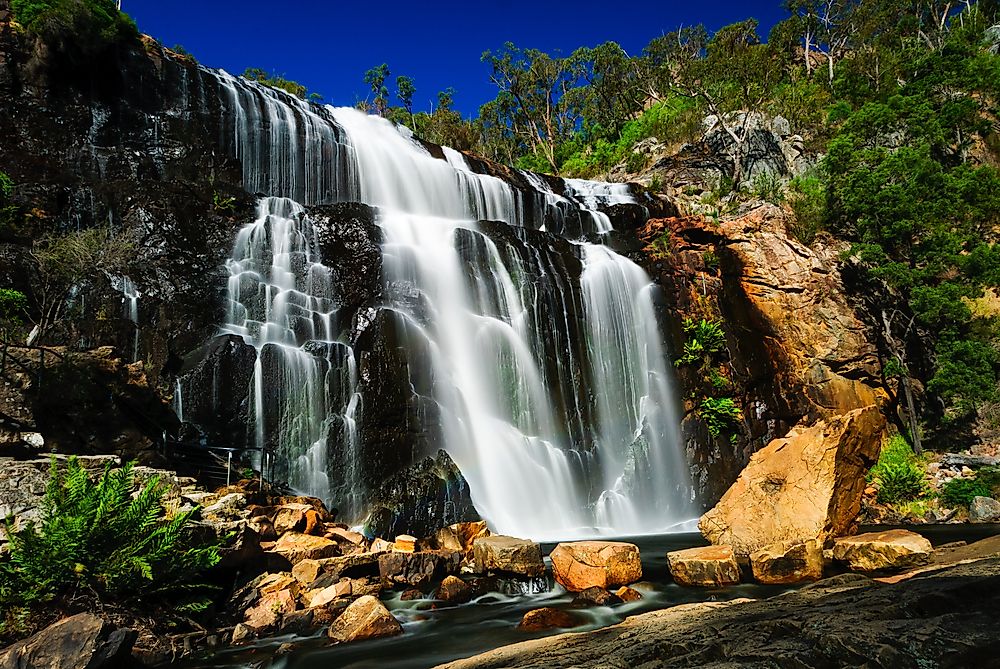
The list now turns to majestic mountains, the Grampians to be precise. The mountain range's Aboriginal name is Gariwerd, and it is found in the Grampians National Park. One of the best ways to look out over the mountains is from the Boroka Lookout spot. From here, visitors can explore the ridgelines or take a dip in one of the ancient rock pools. The same car park that leads to the Boroka lookout also leads to The Balconies & Reed Lookout. This part of the park offers views of the mountains, the Victoria Valley, the Serra Range, Lake Wartook, and more. Another reason to visit is Mackenzie Falls, one of the largest waterfalls in the Grampians. There is a one-kilometer path that leads to the falls' viewing platform. Visitors can also take a steep trail to the bottom of the falls. Those who want to hike can take the 7-kilometer trail to the top of Mount Sturgeon before heading to one of the wineries in the Grampians Wine Region and relaxing with a glass of shiraz. The best time to visit the national park is in spring or fall, when temperatures are ideal for hiking and wildlife is out and about.
The Pink Salt Lakes

Those who want dreamlike backdrops for their Instagram photos while traveling in Victoria should take a detour to Murray-Sunset National Park, the second-largest national park in the state. It is one of the few semi-arid regions, not only in Australia, but the world, that is mostly untouched. It is also home to the famous Pink Salt Lakes, which change hue between deep pink and white depending on the time of year. Like most other parks and reserves, the Aboriginal Traditional Owners of the area are acknowledged and respected. Visitors are also requested to take care when visiting the park and not litter or damage anything. Those who visit solely for the lakes should try to plan their trip for an overcast day. When it is cloudy, the water color is at its most intense. While trekking to the lake, visitors may spot bearded dragons and emus along the way. Visitors who want to stay in the area for a while can camp in the designated camp group. Those who prefer to visit for the day can see the pink lakes and then hike some of the flat trails surrounding them. Visitors should note that most of the park is remote and untouched, so a four-wheel drive is best. Late winter and early summer are the best times to explore the park, as temperatures are still mild and there are lots of wildflowers to see.
Californian Redwood Forest

Victoria's natural wonders are not all about lakes, ocean, and mountains. Those who make their way along the Great Ocean Road towards the Otway National Park will eventually find themselves among some of the world's tallest trees. The Otway Redwoods are still young, unlike their Californian counterparts, but they have full potential to claim the top spot in the years to come. Some are already over 60 meters tall, planted way back in 1936. The Otway plantation is more than 85 years old and one of the best places in Victoria to have a serene picnic. The park gets very busy in the summer, so those who do not like crowds should plan their trip for autumn or spring. The trees sit inside Beech Forest, deep within the park, where the only sounds are the birds chirping high up in the branches. The Aire River flows here, too, making it a great backdrop for a picnic or a hike.
Dandenong Ranges National Park

Less than an hour's drive from Melbourne lies the beautiful Dandenong Ranges National Park, which comes with its own unforgettable natural wonders. History, culture, and outdoor splendor come together here to create experiences people keep coming back for. There are several public gardens to see, including the George Tindale Gardens and the Alfred Nicholas Gardens, where the fall foliage makes for a glorious sight. Australia's oldest steam train, Puffing Billy, takes visitors on a 25-kilometer journey through the mountains and includes a delicious lunch and tea. The views are the star attraction, however, and they are on full display at SkyHigh Mount Dandenong. Here, there are fantastic mountain and forest views, and the chance to see the Giant's Chair. For a historic outing, visitors can take the 1000 Steps walking track which leads to the Kokoda Trail. Along the way, there are signs and plaques to read that explain the area's history. Spring is a great time to visit the Dandenong Ranges National Park, when temperatures are still mild, and cherry blossoms and wattle blooms are in bloom throughout the botanical gardens.
Cleft Island

Cleft Island, or Skull Rock, looks like something you would find King Kong or Godzilla hiding in. In reality, this granite island, which lies inside the Wilsons Promontory National Park, is the result of winds and waves that created a 60-meter-tall cave that resembles a skull from the outside. It is home to several seabird species that breed and seek shelter within its caverns. There is also a fur seal colony to see here. While little is known about the island's history, experts have estimated that more people have been to the moon than have been inside the Skull Rock. Visitors who are up for an adventure can try to become the 10th person ever to find themselves inside the cavern to see old cannonballs believed to have come from passing ships (or not). Those who prefer to look at the formation from land can head to Tidal River or the Norman Beach Lookout. It is best to bring binoculars or a zoom lens during sunrise and sunset. It is also possible to see Skull Rock from the sea via a cruise, while keeping an eye out for whales and dolphins in the surrounding waters. It is best to visit during spring or summer for calmer waters and good visibility. In winter, there is a better chance of spotting whales.
Den of Nargun

The Den of Nargun.
Finally, the Den of Nargun is yet another completely different type of natural wonder in Mitchell River National Park. The Den is highly significant to Aboriginal women and is a cave hidden behind a waterfall. The Den of Nargun Loop Walk will take visitors on a 3.4-kilometer return walk which includes the Bataluk Cultural Trail and views of pools and rivers. It is said that the cave is home to the Nargun, a half-stone, half-human creature that once abducted small children. While slightly eerie, the Den of Nargun is incredible to see in real life and deserves a spot on any Victoria travel list. It is possible to walk through the rainforest gully to see the cave from a distance. However, Parks Victoria and the Gunaikurnai people request that visitors do not enter the cave. Most visitors head to the park and the cave between June and December, and during the summer there are canoeing and rafting opportunities, which are the best way to see most of the park.
Planning Your Natural Wonder Adventure in Victoria
Victoria offers visitors one of the most diverse natural landscapes on the planet. In one state, people can see ancient mountains, traditional Aboriginal land, volcanic formations, sea stacks, redwoods, and pink lakes. When the dipping sun sets the ground on fire, it becomes easy to see why these landscapes are considered sacred to those who have lived here for so long. If Victoria is on your next travel list, remember to respect the area's original caretakers as you experience some of the best natural wonders the region has to offer.