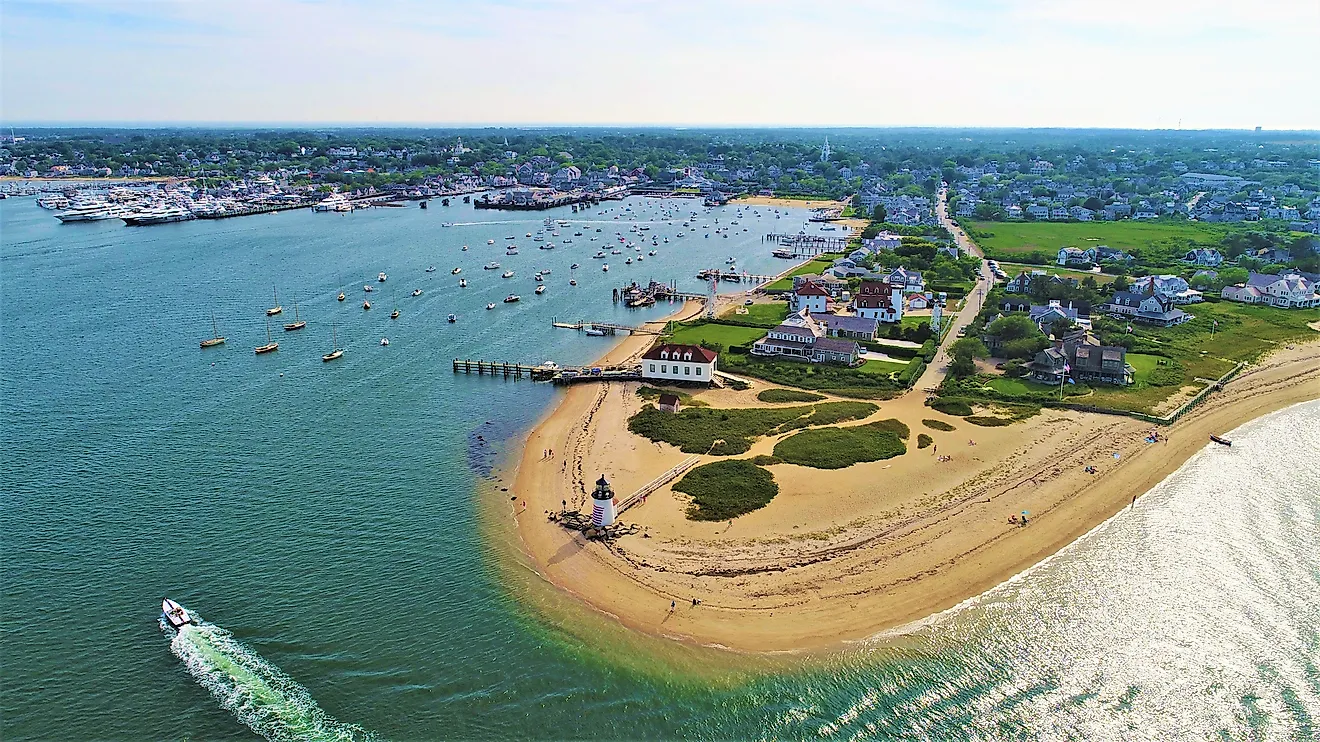
These eight towns in Tasmania are bridges to the past. Towns such as Stanley and Strahan still look out over the harbors from which they grew. And bridges built by convicts in the towns of Richmond and Ross attest to the colonial history of Tasmania. These landscapes have long been significant to Tasmanian Aboriginal communities, whose histories on this land stretch back thousands of years before European settlement. The stories behind these towns are layered, inviting visitors to reflect on both ancient and colonial heritage.
Richmond
The Richmond Arms Hotel in Richmond, Tasmania. Image credit Ikonya via Shutterstock
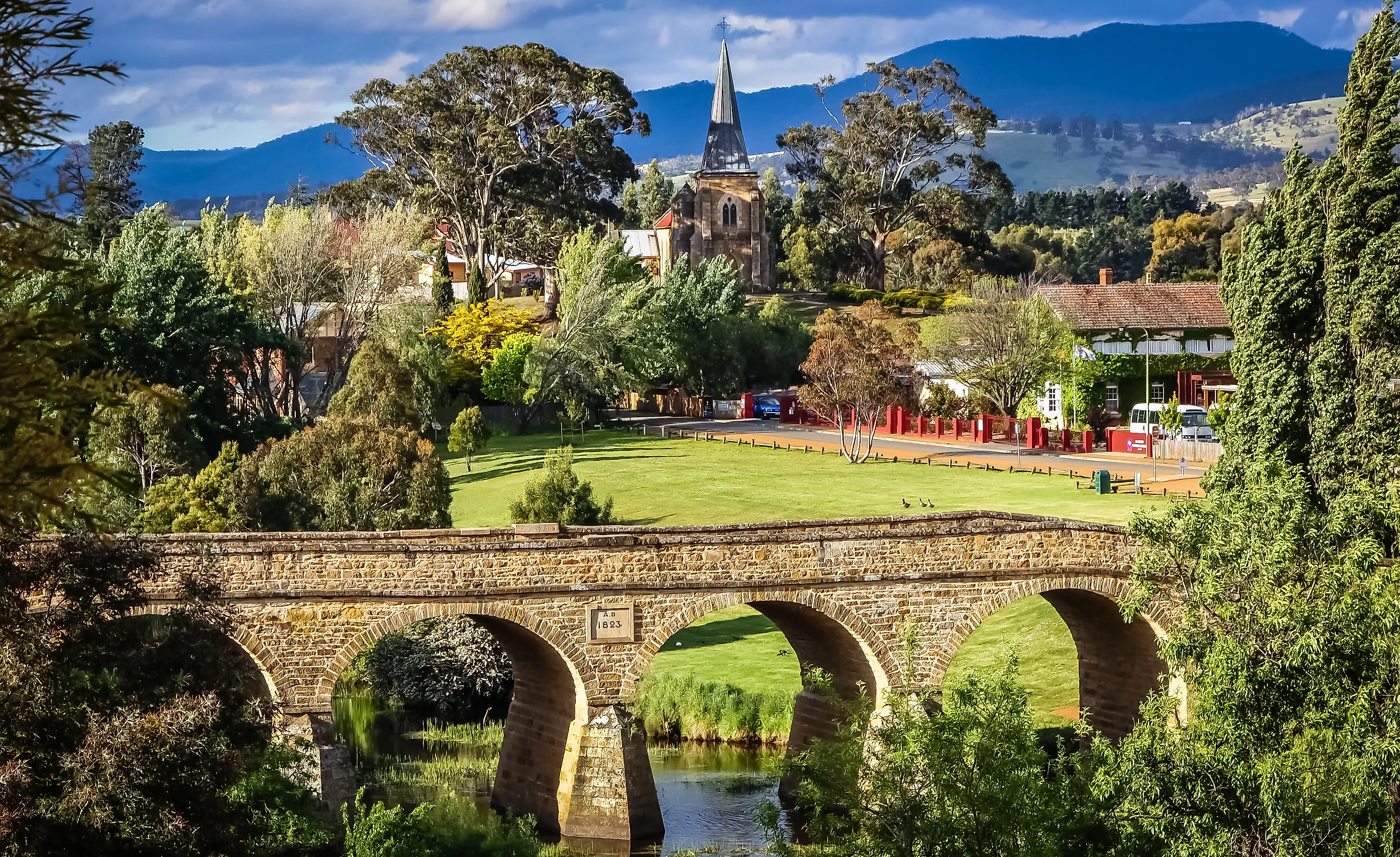
Richmond, located in the Coal River Valley northeast of Hobart, is one of Tasmania’s best-preserved colonial towns. It was developed during the early convict period of the 1820s. It was established as a military staging post between Hobart and Port Arthur. Today, its colonial past is represented by Richmond Bridge, built between 1823 and 1825 and recognized as the oldest stone bridge still in use in Australia. Standing on the bridge, one can feel the silence of the flowing Coal River, with its sandstone arches resonating with recollections of convicts and settlers who once traversed this very bridge. Tourists can also see the Church of Saint John the Evangelist, opened in 1837, and recognized as the oldest continuously used Roman Catholic church in Australia. Its colonial streets are filled with bakeries, antique shops, and galleries housed in Georgian-era buildings. A short drive from Richmond, one can also see the Richmond Gaol, which presents a glimpse of Tasmania’s convict history.
Oatlands
The historical windmill in Oatlands, Tasmania, Australia. Image credit: Dans Destinations / Shutterstock.com.
Oatlands is located in the Midlands of Tasmania, an important settlement in the early 19th century due to its strategic position on the road connecting Hobart and Launceston. Today, it is known for its largest collection of sandstone buildings in Australia, with over 150 heritage buildings along its main street. The most recognizable landmark in Oatlands is Callington Mill, a windmill built in 1837 that has just been restored to full working order, making it the only working windmill of its type in the Southern Hemisphere. Other buildings that can be visited include the Oatlands Courthouse, built in 1829, and High Street, which contains many other colonial buildings, such as the Commissariat Store and the Gaoler’s Residence.
Stanley
Aerial view of the beach at Stanley, Australia.
Located on the northwest coast of Tasmania, Stanley is a seaside town that was established in the early 1800s as part of the Van Diemen’s Land Company, which had large agricultural businesses in the area. Before the European settlement in the area, the northwest coast of Tasmania had Aboriginal Tasmanian populations who had had a presence on the land for thousands of years. Archaeological evidence suggests that the coastline and grasslands around Stanley were an important hunting and gathering ground for the indigenous Palawa people, and their cultural presence is an important part of the history of Tasmania. The town is easily recognizable for The Nut, a volcanic plug that protrudes from the harbor. Visitors can reach the top of this plug via a walking track or a chairlift, offering great views over Bass Strait. For a truly unforgettable experience, it is suggested that you take the chairlift early in the morning when you can witness the sun rising over the water, with the town below bathed in the first rays of sunlight and with the most stunning views. At the base of this plug is the Highfield Historic Site, which was originally the headquarters of the Van Diemen’s Land Company and offers information on early colonial farming activities in this part of Tasmania. Other notable sites in Stanley include Stanley Wharf and the harbor, which is filled with fishing boats, as well as many heritage buildings.
Strahan
View of the beautiful town of Strahan, Tasmania, Australia. Image credit: Steve Lovegrove / Shutterstock.com.
Strahan, located on the rugged west coast of Tasmania, was developed in the late 19th century as a port for the region's mining towns. The port acted as a major hub during the mining boom, with the harbor providing rail services to the region's mining towns. The town has since developed into an entry point to the surrounding wilderness. The town is a popular spot for boat cruises on the Gordon River, which flows through the rainforests of the Tasmanian Wilderness World Heritage Area. Another popular site is the historic Macquarie Harbour Penal Station on Sarah Island, where convicts were put to work in difficult conditions. The Strahan Harbour area features historic buildings, restaurants, and points where visitors can begin wilderness tours.
Deloraine
Scenic riverside view of Deloraine, Tasmania.
Situated on the Meander River in northern Tasmania, Deloraine was developed as a rural serviced town for the farming districts in the area during the 19th century. The town has had several churches, including Methodist and Baptist congregations, and the St. Mark's Anglican Church. The town still features many Victorian-era buildings on its main street. One of the region's popular attractions is the Deloraine and Districts Folk Museum, featuring historic buildings and artifacts. The Great Western Tiers Visitor Centre is nearby and provides access to hiking trails in the mountain range behind the town. The town also hosts the Tasmanian Craft Fair, considered the largest craft fair in Australia, which attracts artisans from across the nation each year.
Ross
Aerial view of Ross, Tasmania, Australia.
Ross, located in Tasmania, developed in the early 19th century as a military settlement and a convict settlement along the major transportation route from Hobart to Launceston. The town has a remarkably preserved colonial-era streetscape. The town’s most famous feature is the Ross Bridge, constructed in 1836 by convict stonemasons. The bridge is embellished with beautifully crafted sandstone carvings. The Ross Female Factory is a popular tourist destination located near the Ross Bridge. Female convicts were once housed here. The historic Ross Bakery Inn, located in a 1832 sandstone building, is one of the most recognizable sites along the Midlands Heritage Highway.
Swansea
Coast in Swansea in Tasmania.
Swansea, located on Tasmania’s east coast overlooking Great Oyster Bay, developed in the early 19th century as a port serving the farming communities of the surrounding district. Today, the historic waterfront still bears evidence of its history. The Spiky Bridge, a colonial-era structure built in 1843, is a popular tourist destination. According to Parks Tasmania, Wineglass Bay and Hazards Beach in Freycinet National Park are popular destinations with scenic views and a variety of walking tracks, including those that allow visitors to explore the shoreline. The town's historic center features the Georgian-style Schouten House, built in the 1840s.
Cygnet
Double rainbow over the marina, Cygnet, Tasmania.
According to Tasmanian Geographic, Cygnet in the Huon Valley developed as part of the region's early apple industry, with historic relics such as packing sheds, old steam engines, pickers’ huts, and original brick apple dehydrating kilns still visible in and around the town. The town still bears evidence of its history. The orchards and farms of the district surround the historic town. The town’s waterfront area opens up to Cygnet Harbour, where there are walking tracks along the water’s edge and small fishing craft berthed along the bay. There is also the option to explore the Burtons Reserve, a riverside park offering walking tracks along the Huon River. The town of Cygnet comes alive during the annual Cygnet Folk Festival, where musicians and artists meet in the community halls and historic buildings of the town.
There are many small towns throughout Tasmania where evidence of past industries and landscapes can still be seen. These towns are where Tasmania’s colonial history, seafaring past, and rural landscape converge, inviting visitors to step across the threshold into another era. Many of these towns were developed during the early convict and trading periods of the 19th century. Sandstone buildings, old ports, and colonial public squares remain as markers of that shared story. As you wander through their town centers, passing convict-built bridges, restored windmills, and old harbors that once served mining towns, you cross over from modern life into another time.