6 Snake-Filled Waters In Washington
Washington’s waterways offer much more than scenic horizons, trailheads, and fishing spots. For those drawn to wild places, some lakes and rivers in the state host large numbers of snakes, mostly harmless garter snakes and, in certain regions, the Western rattlesnake.
Here, we examine six bodies of water where snakes are commonly encountered, describe the species’ behavior and habitat that encourage higher snake numbers, and offer practical guidance for travelers who want to enjoy shorelines while avoiding unpleasant surprises. Visitors to Washington might encounter snakes in locations ranging from mountain-ringed lakes near Seattle to broad rivers that cross dry plains. As a result, the features that attract snakes shift from marshy edges and reed beds to warm, rocky shorelines and irrigated canals.
Rattlesnake Lake

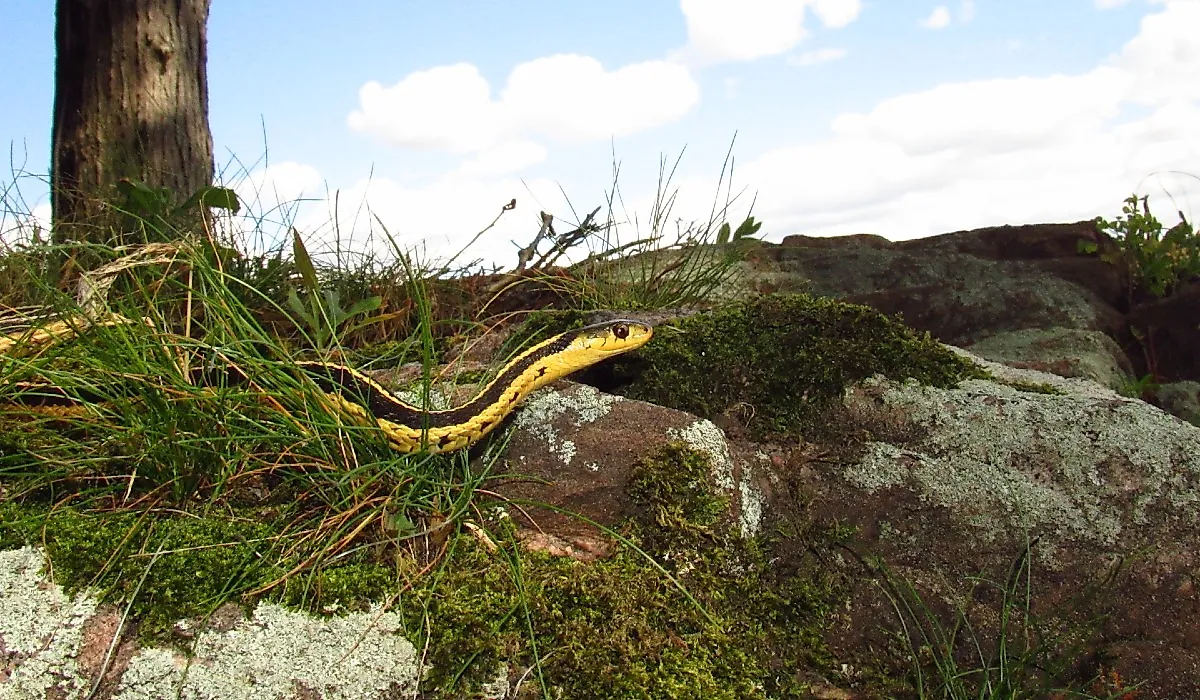
Despite the name of Rattlesnake Lake, the water at the base of Rattlesnake Ledge is more closely associated with garter snakes than with venomous species. The lake’s marshy margins, floating logs, and abundant amphibian life create ideal feeding and basking habitat for the common garter snake and related species, which are almost always found near water in Washington. Hikers and families who use the lakeside trails might notice slender, striped snakes moving through grass and reed beds, hunting frogs and small fish along the shallow shore.

Park managers emphasize simple precautions, including keeping dogs on a leash, avoiding steps through thick reeds, and observing wildlife from a distance. For naturalists, the site allows observation of how snakes use riparian corridors for movement between higher-elevation woodlands and lowland wetlands. It also supports viewing of seasonal behaviors such as spring emergence and autumn congregation in warm, sheltered microhabitats. The recreation area includes trail information for visitors who want to know where to look and how to stay safe while observing local reptile fauna.
Snake River

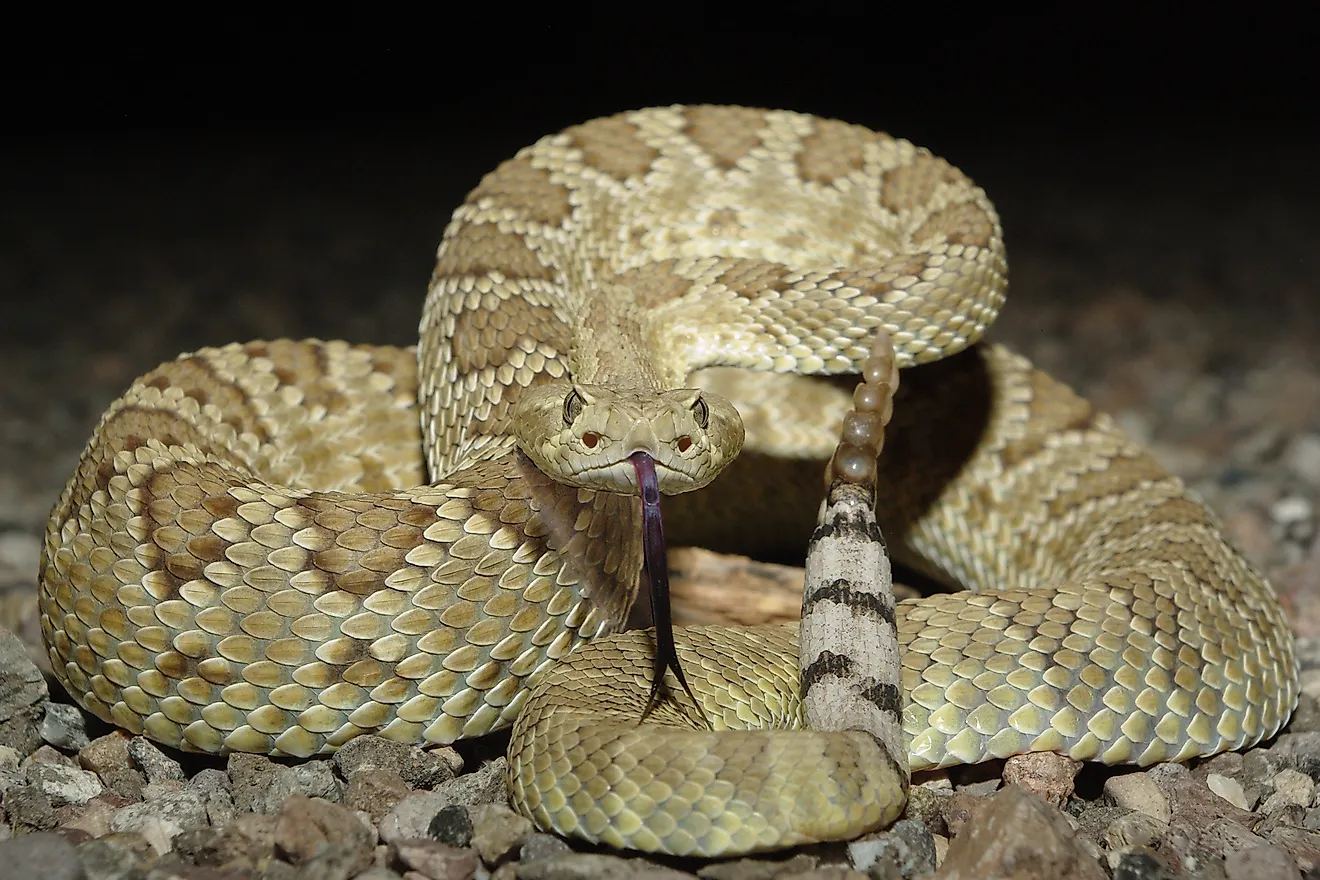
The Snake River feeds much of eastern Washington and traces a long, sinuous route that crosses climatic zones, from cool, forested canyons to hot, sagebrush country. That range of environments supports a variety of snake species along different stretches of the river. Garter snakes are widespread in riparian habitats, and in some areas the warmer, rocky bluffs support Western rattlesnakes and racers. The river’s slow backwaters, oxbows, and irrigation channels support abundant amphibian and fish prey, while rocks and sunny shorelines serve as essential basking sites. Anglers and river rafters occasionally report sightings on sandbars and along access roads, and local wildlife managers note that most snakes retreat from people, while rattlesnakes may stand their ground when cornered.

For those traveling along the Snake River corridor, awareness and basic precautions reduce encounters. Staying on developed trails where possible, keeping a reasonable distance from sunning snakes, and allowing wildlife room to escape are commonly recommended. Conservation plans for river management also recognize the importance of riparian strips, both for water quality and for the native reptiles that rely on continuous habitat.
Skagit River

The Skagit River is one of the longest rivers in the state. It drains a large portion of northwest Washington and supports wet meadows, delta marshes, and braided channels that are well-suited to garter snakes and other semi-aquatic reptiles. Herpetologists note that the state’s garter snake diversity is concentrated in western lowlands, and naturalists report that multiple garter species occur along the Skagit basin. Slow-moving side channels, eddies, and seasonal wetlands supply food and shelter. Birders and photographers who visit the river’s delta and floodplain preserves might see snakes moving into reed beds or sunning on riverine logs.

The river’s dynamic hydrology means that snakes shift with seasonal water levels, using newly exposed mudflats for feeding on amphibians and invertebrates. Local conservation organizations and county habitat plans describe how maintaining intact floodplain habitat supports a broad range of wildlife, including snakes that are a familiar part of the Skagit’s ecology. For visitors, lowland parks along the river allow safe viewing and include educational panels explaining the value of riparian wildlife.
Columbia River

The Columbia River is Washington’s largest artery, and it crosses a variety of ecosystems where different snake species use the edge habitats created by dams, reservoirs, and natural riffles. Along the river, garter snakes are common in wetlands and backwater ponds, while some warmer stretches and rocky, exposed banks support Western rattlesnakes where suitable prey and basking rocks are present. Natural history summaries of Columbia River herpetofauna describe a range of species that can be encountered. Park units, wildlife refuges, and interpretive centers often share guidance on safe wildlife viewing. The river’s size means that local conditions vary.

Islands and side channels in the lower basin support amphibian-rich habitats used by snakes, while steeper canyons in upriver reaches shape different reptile assemblages. Recreational users, including boaters and anglers, can reduce conflict by giving wildlife space, avoiding reaching into brushy shorelines by hand, and learning to recognize venomous species by general body shape and behavior. Habitat protection along the Columbia remains an important part of regional conservation planning, as healthy shorelines support snakes and the broader food webs on which birds and fish depend.
Lake Chelan

Lake Chelan lies at the junction of alpine influences and a dry lowland climate, with long shores that include rocky coves, reed-choked shallows, and warm, sunny headlands. These shoreline variations support diverse snake communities, and county naturalist notes list garter snakes and several other species in Chelan County. On summer days, snakes use warm rocks for thermoregulation and the marshy seams between shoreline and forest for hunting. Hikers on lakeshore trails and paddlers exploring small coves often report seeing striped garter snakes moving into grass, as well as occasional reports of rubber boas and other secretive species near driftwood.

Because the lake is a popular recreation destination, local land managers emphasize respectful wildlife viewing and share maps showing established trails and public access points. These measures concentrate human use away from fragile shoreline habitats and reduce accidental disturbance of snakes. Naturalists interested in documenting regional herpetofauna can find museum records and local stewardship groups that maintain inventories and educational programs related to the lake’s wildlife.
Moses Lake

The eastern Washington reservoir known as Moses Lake and the surrounding wetlands lie within a drier landscape where islands, irrigation canals, and exposed sandy shorelines concentrate prey species and basking sites for snakes. In this part of the state, the Western rattlesnake occurs in documented populations, and local guides note that rattlesnakes are more common in Grant County than in areas nearer the Cascades. The formation of irrigation reservoirs and the creation of marshy margins have increased habitat opportunities for snakes and other riparian wildlife.

Visitors to Moses Lake are encouraged to learn the distinguishing features of rattlesnakes and nonvenomous species, avoid tall grass and rock piles, and allow snakes space to retreat. State wildlife management documents and regional habitat plans reference Moses Lake within the broader Columbia Basin landscape. These resources offer background on how irrigation, reservoirs, and native species interact across eastern Washington.
Know Before You Wade
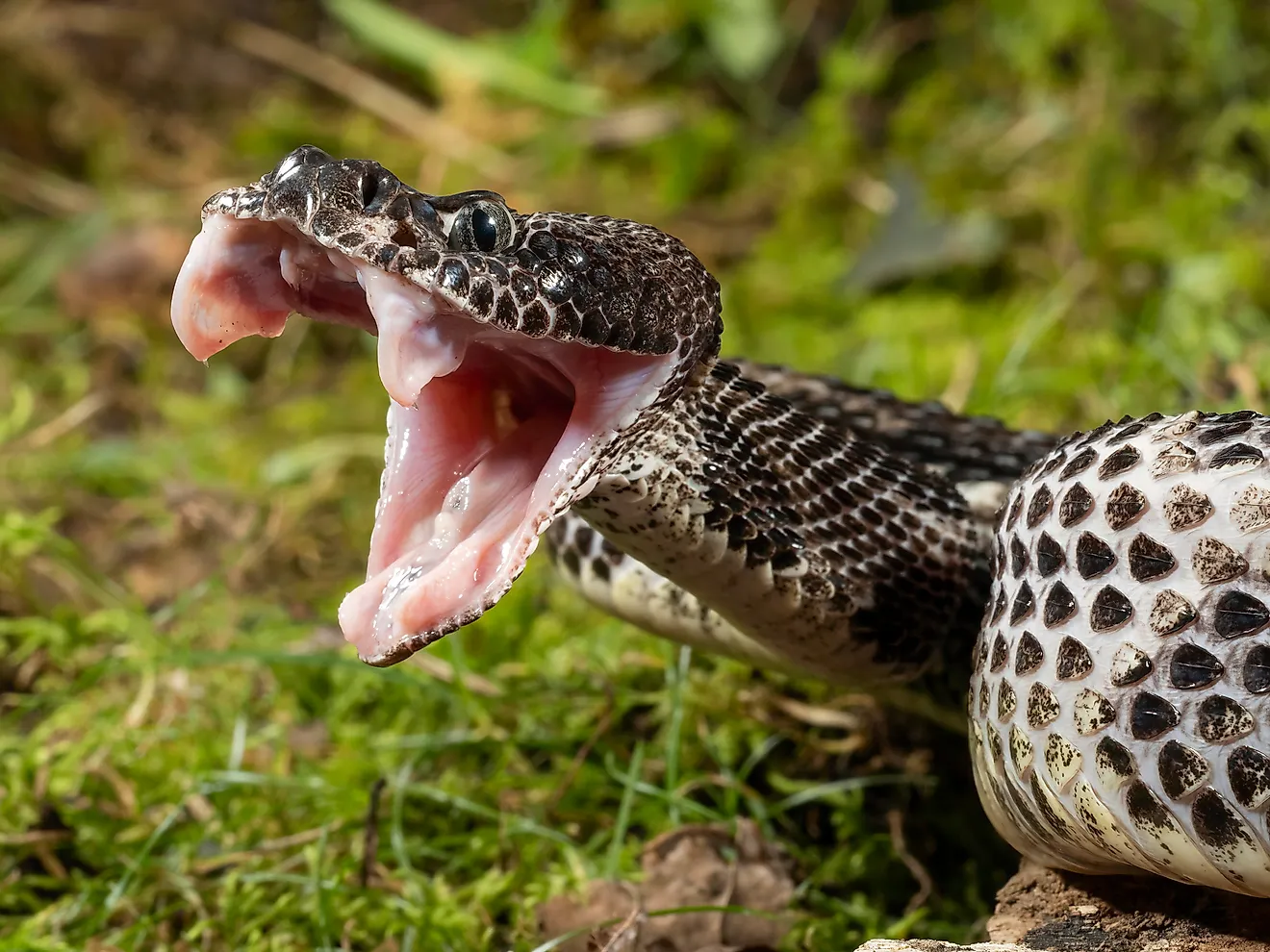
Washington’s snake-rich waters reward careful attention and respect. In most cases, the reptiles found along lakes and rivers are nonvenomous garter snakes that play important roles in food webs by eating amphibians, fish fry, and invertebrates, and by serving as prey for mammals. Where rattlesnakes are present, the risk to humans remains manageable when people follow straightforward guidance. Avoiding tall grass and rock piles, keeping pets on a leash, watching where one steps, and allowing snakes space to escape reduce the likelihood of close encounters.
For travelers interested in wildlife observation, visiting during cooler morning or late afternoon hours increases the chance of seeing snakes engaged in basking or feeding behavior. These times also reduce heat stress for people and animals. With basic preparation, visitors can better understand Washington’s shorelines, where snakes are a visible and established part of river and lake ecosystems.