4 Old-Timey General Stores In Utah
Utah's general stores are deeply tied to the state's pioneer history. Many were founded by early Latter-day Saint settlers between the 1860s and 1880s to serve communities that had little else nearby, and a good number are still running today with original wooden floors under the newer stock. The four below have been open long enough to become part of the historical record themselves.
The Thomas Judd Store Co.

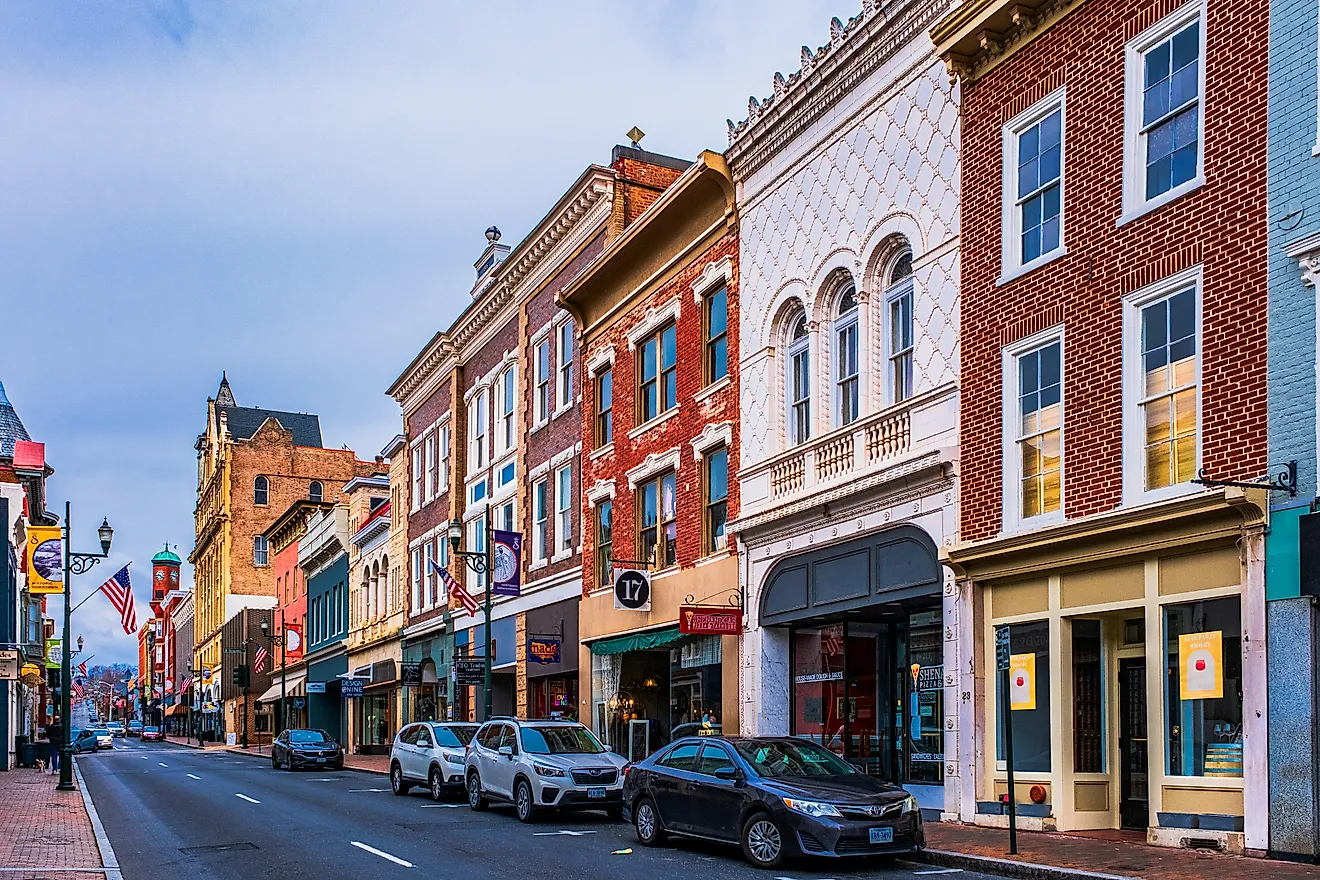
Established in 1911, The Thomas Judd Store Co. is the oldest continuous business in St. George. Judd built the store directly in front of a home he had purchased three years earlier. In its early years it sold staples to cattlemen, and the shift from frontier supply to ice cream and penny candy tracks how St. George itself changed around it. In the 1980s, Dr. Mark and Barbara Green purchased the property to save it from demolition, and it is now part of Green Gate Village, a collection of shops and eateries in downtown St. George. Today, the store is known for ice cream, syrups, and old-time penny candy.
Ruby's Inn General Store

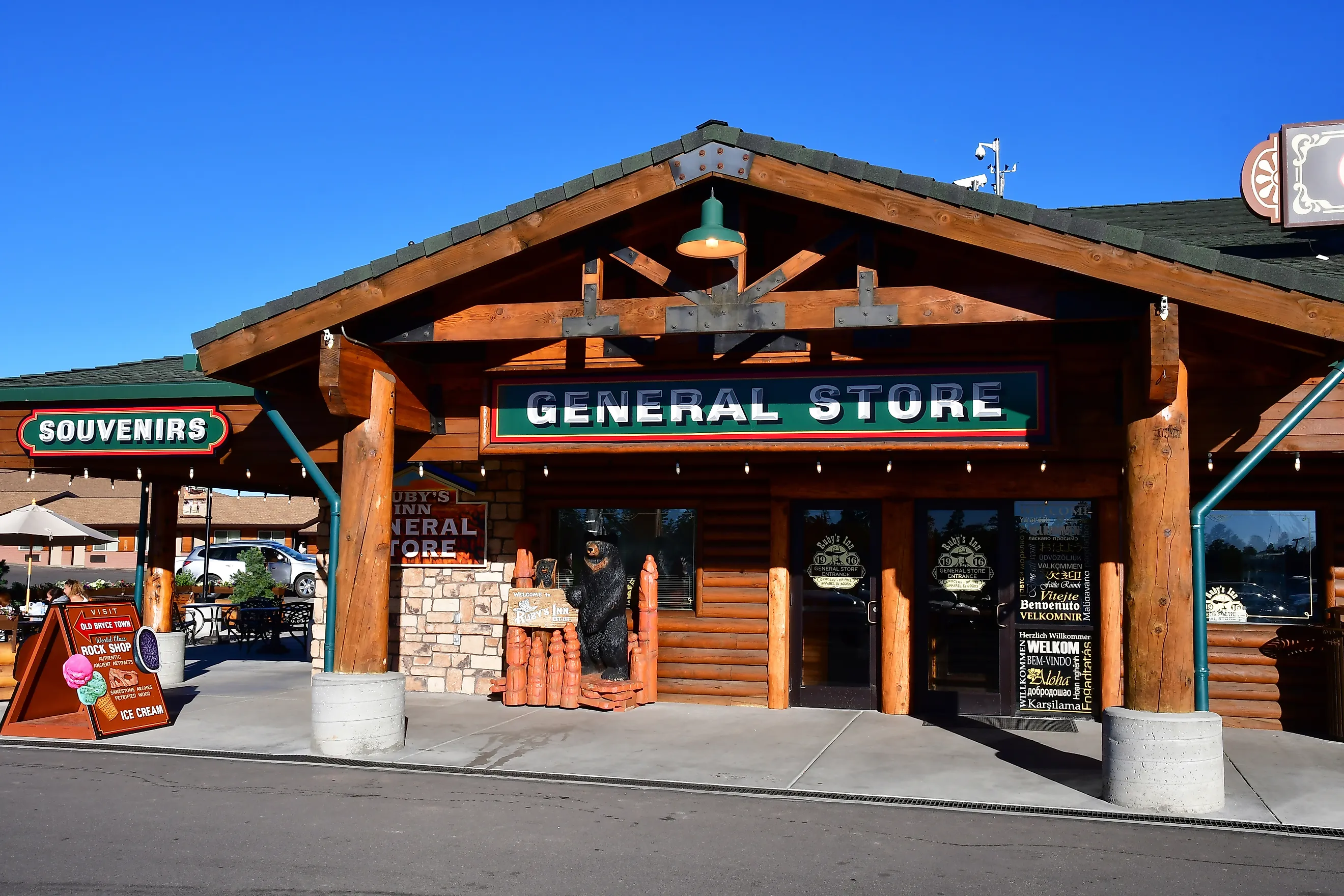
Ruby's Inn traces its roots to Reuben C. Syrett and his family, who settled near Bryce Canyon and in 1919 obtained permission to build a lodge at the canyon's rim, welcoming early visitors. Once the area was designated a national monument in 1923, Syrett relocated his "Tourist Rest" to his ranch and renamed it Ruby's Inn. As Bryce Canyon drew more attention, the operation expanded. What started as a single family's homestead is now a full resort complex, though the general store remains the most direct link to Syrett's original business. It stocks groceries, hiking supplies, souvenirs, hats, rocks, and Native American crafts.
The General Store at Sundance Resort
Sundance Mountain Resort holds a distinct place in Utah's resort history. Robert Redford opened it in 1969, and his role as the Sundance Kid in that year's Butch Cassidy and the Sundance Kid helped shape the resort's identity. Redford was drawn to the area at the base of Mt. Timpanogos in the North Fork of Provo Canyon, and he built the resort as a place that combined art, nature, and recreation. The General Store carries that same approach. The shop stocks handcrafted goods, thoughtfully sourced apparel, Sundance souvenirs, and pieces by local artisans working in the resort's art studio, including blown glass and organic fair-trade clothing.
Bryce Canyon General Store

Inside Bryce Canyon National Park, the Bryce Canyon General Store was formerly known as the Bryce Canyon Camp Center and the Bryce Canyon Inn. Built in 1932, the building was the last major park improvement designed by Gilbert Stanley Underwood, who also designed the park's lodge (1925). Underwood's rustic style earned the store a spot on the National Register of Historic Places in 1994. Because Underwood designed both this building and the adjacent lodge, Bryce Canyon is one of the few parks where a single architect's vision still shapes how visitors move through the landscape. The store now sells hot and cold foods including pizza, soup, ice cream, sandwiches, and drinks, and also handles restrooms, showers, camping supplies, firewood, and park souvenirs.
Where Utah's Storefront History Still Shows
In pioneer times, general stores served more than a supply function. They were meeting places, and several of the surviving ones still carry that role today. The Thomas Judd store nearly came down before new owners stepped in; the Bryce Canyon building survived because an architect's reputation carried enough weight to land it on the historic register. In both cases, preservation turned out to be the business model.