7 Most Rattlesnake Infested Areas in California
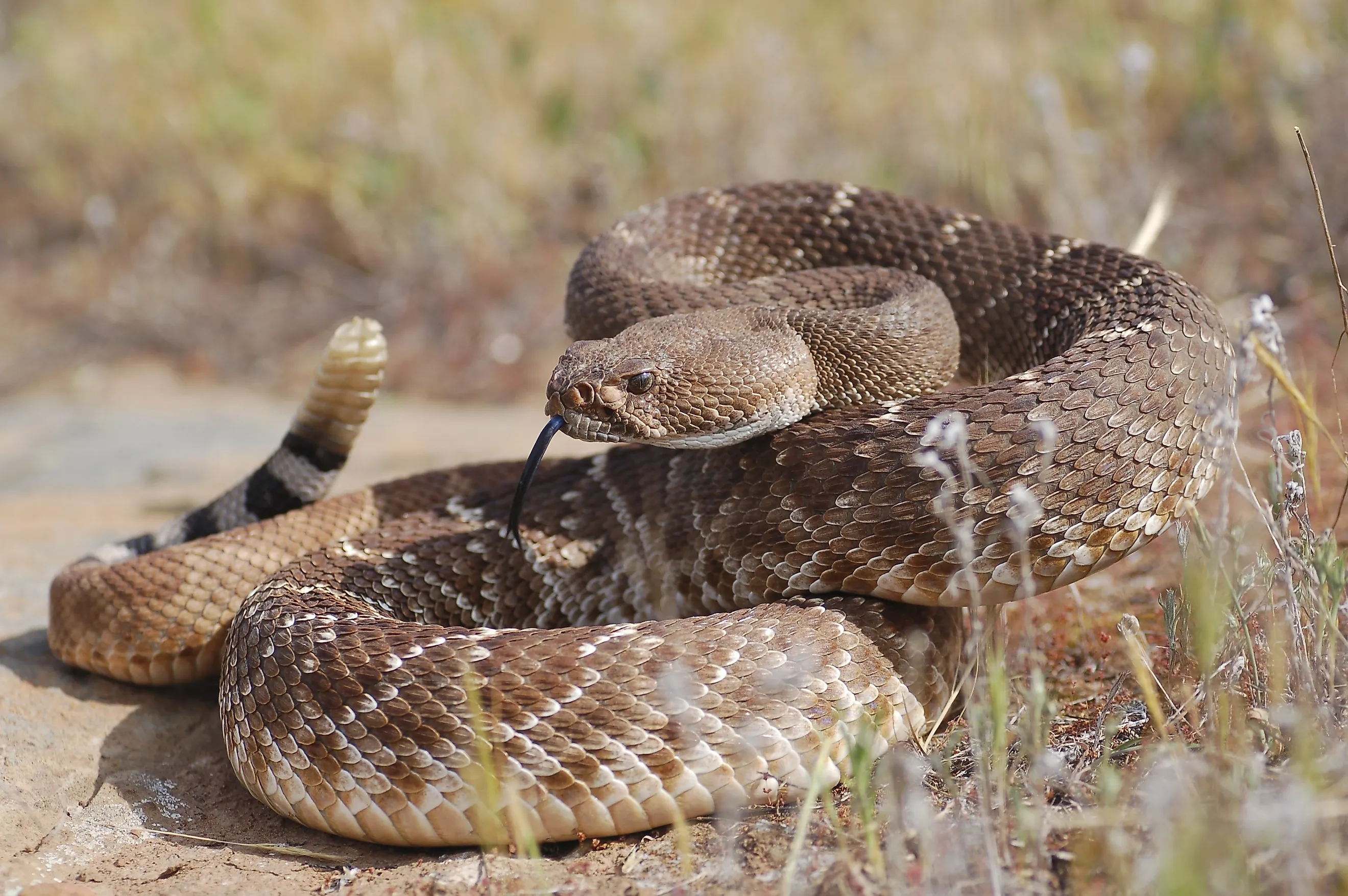
California hosts some of the highest rattlesnake densities in the United States, with as many as 7 distinct species occupying a variety of ecosystems across the state. From desert basins to oak-blanketed foothills and rocky canyons, local rattlesnakes, as they often do around the world, use crevices and burrows for shelter and emerge seasonally to hunt, often near popular recreational areas as well. Species such as the western rattlesnake, northern Pacific rattlesnake, red diamond rattlesnake, and Mojave rattlesnake are dominant in this state, inhabiting anything from the forests of NorCal to the deserts of SoCal based on appropriate elevation, vegetation, and microclimates. With that, here are 7 hotpots across California where you should certainly watch your step, both for your safety and the protection of native rattlesnake populations.
Carrizo Plain National Monument

The Carrizo Plain National Monument in eastern San Luis Obispo County is one of the most reliably rattlesnake-heavy landscapes in all of California. This remote grassland basin sits about 70 miles west of Bakersfield and is bordered by the Caliente and Temblor ranges, supporting healthy populations of California ground squirrels, kangaroo rats, and other prey that sustain multiple rattlesnake species across the park.
The most frequently encountered species here is the western rattlesnake, particularly the northern Pacific subspecies, which is well known to use rodent burrows and scrub cover to escape the heat. In rockier, higher elevation zones, and along washes, speckled rattlesnakes and western diamondback rattlesnakes also occur.

Spring and summer bring peak activity, when resident snakes tend to bask near trails and dirt roads. Because of that, hikers are advised to always watch their step, especially in and around tall grasses and other areas featuring dense foliage.
Anza-Borrego Desert State Park

Few places in Southern California combine rugged terrain and high rattlesnake density like Anza-Borrego Desert State Park. Spanning more than 640,000 acres of badlands, seasonal riverbeds, canyons, and, of course, deserts, this park supports one of the state’s most diverse rattlesnake assemblages.

The most notable inhabitant is the red diamond rattlesnake, a large, heavy-bodied species that favors desert scrub and boulder-strewn slopes. Furhtermore, in lower, hotter basins, the sidewinder leaves its distinctive J-shaped tracks across open sands. Higher elevations may also host the southern Pacific rattlesnake.
Frequent sightings have been reported more specifically along Borrego Palm Canyon and Hellhole Canyon. Activity peaks from March through June during warm autumn evenings, particularly after monsoon rains increase prey movement.
Lake Berryessa

On the other greener half of the state, the foothills surrounding Lake Berryessa boast some of the most consistent numbers of rattlesnakes in Northern California. Here, steep, boulder-covered slopes drop into oak woodland and chaparral, creating ideal denning and foraging habitat for the northern Pacific rattlesnake. These snakes also frequently overwinter in nearby fractured basalt outcrops above the reservoir, then disperse downslope in spring as ground squirrel and vole activity increases, and bird eggs (favorite food sources) are laid.

Shoreline trails and undeveloped coves around the lake see regular sightings from April through October, and like usual, during hot afternoons when snakes like to warm their cold blood in more open spaces such as fire roads and exposed rock outcrops. Moreover, the mix of heavy recreational use in the area and protected habitat here contributes to frequent human-snake overlap, especially around Smittle Creek and the eastern shoreline.
Lake Isabella

The western slopes of the Sierra Nevada around Lake Isabella are widely regarded as another of California’s leading rattlesnake-dense bodies of water. The lake sits at the transition between high desert and oak-studded foothill habitat, a zone that houses strong populations of the western rattlesnake. Close by, talus piles and abandoned mammal burrows provide ample den sites, while irrigated edges and riparian strips along the Kern River attract tons of prey, from rodents to fish, amphibians, and even other smaller snakes!
Local rattlers are usually observed along the Portuguese Pass Trail, in low sage flats, and near shoreline campsites from early through early fall. Also note that summer heat shifts activity toward early morning and evening, often near water access points frequented by human visitors, too.
Malibu Creek State Park

The interior canyons and ridgelines of Malibu Creek State Park have been the site of some of the highest concentrations of rattlesnake encounters recorded in the Santa Monica Mountains. The dominant species in the region is the southern Pacific rattlesnake, commonly found along chaparral slopes, sandstone outcrops, and shaded creek corridors. These snakes den in fissured rock formations and, of course, reappear in similar locations each spring after winter brumation.

Exposed trails such as Bulldog Loop and Grasslands Trail are where you are most likely to have a run-in, and as summer temperatures, the hottest in mid-afternoon, push activity into early morning and evening hours near permanent water in Malibu Creek. Knowing that, it is best to hike outside of these times if you have a fear of these venomous critters.
Whiskeytown National Recreation Area

Whiskeytown National Recreation Area, and its lower canyon system in Shasta County, is the location of one of the most northerly rattlesnake habitats in California. The primary species here is, yet again, the northern Pacific rattlesnake, frequently encountered in blue oak woodland, chaparral benches, and along sun-exposed sections of the James K. Carr Trail.

Post-wildfire landscapes following the 2018 Carr Fire, which burned upwards of 97% of the park, actually expanded open basking areas for a variety of local snakes, and sightings reportedly increased in subsequent warm seasons during the area's overall regrowth.
The area is also known for its incredibly clear waters full of swimming coves, and nearby backcountry trails that draw steady foot traffic through much of its prime rattlesnake terrain.
Folsom Lake State Recreation Area

Just outside of Sacramento, Folsom Lake State Recreation Area and the zones along its southeastern shoreline and upper American River tributaries host a wide variety of reptiles, including rattlesnakes, no less. Like in much of the state, the northern Pacific rattlesnake dominates, using rock-covered hillsides and other craggy terrain for shelter and to hunt in.
Resident snakes are most visible sunning or hunting near hiking trails such as the Granite Bay Loop or along less-developed shoreline coves. Moreover, seasonal water fluctuations have been known to greatly influence activity, with rattlers moving closer to receding shorelines where prey such as voles, ground squirrels, and lizards congregate.

All that considered, Folsom Lake’s combination of pristine riparian corridors and undisturbed upland terrain supports a stable rattlesnake population alongside frequent recreational human use, making sightings common but largely predictable in timing and location.
Watch Out For Rattlesnakes In These Gorgeous Californian Greenspaces
Rattlesnakes in California clearly occupy a wide range of ecosystems, from desert flats to mountain foothills and around notable waterbodies. Understanding their habitat preferences, seasonal activity, and favored diet helps explain why certain areas see higher amounts of activity.
And while potentially dangerous run-ins can be frequent in many of the Golden State's most accessible recreation zones, these populations play a critical role in controlling pests and maintaining overall ecological balance across this region's highly diverse set of landscapes.