5 Snake-Filled Waters In California
California is home to numerous rivers, lakes, and wetlands that support a wide range of snake species (nearly 50) adapted to life in and around water. From large freshwater lakes to desert reservoirs, expansive marshlands, and slow-moving rivers, these varied environments provide the necessary food sources, nesting sites, and lush shoreline cover these cold-blooded predators require to survive and multiply.
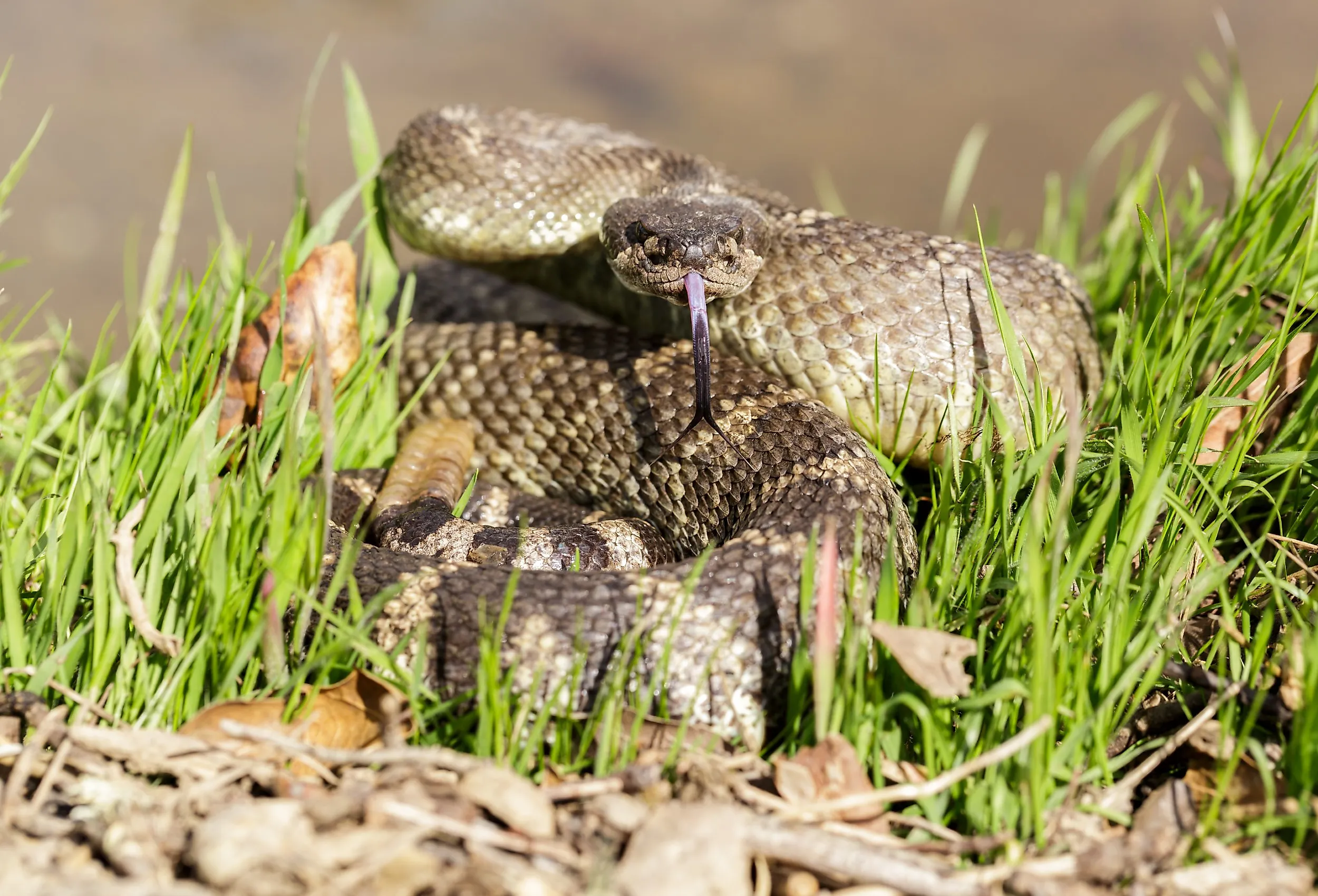
Many snake species living in California, including the California kingsnake and the Northern Pacific rattlesnake, are capable swimmers and may use streams, canals, and lakes as travel corridors or seasonal feeding grounds, even though they are better known for living in drier upland habitats.
Take a closer look at local water bodies, such as Clear Lake, the Russian River, and the Salton Sea, renowned for their consistent snake activity, and learn which species are present and why these locations remain productive habitats even in an age of rapid urban development.
Clear Lake

Clear Lake, located in the aptly named Lake County, is California’s largest natural freshwater lake completely within its borders and one of its most snake-active bodies of water, too. Its tule marshes, rocky shorelines, and warm shallows provide ideal habitat for species like common garter snakes, giant garter snakes, and gopher snakes, all of which regularly hunt amphibians and small fish along the water’s edge. Northern Pacific rattlesnakes are also present in the surrounding hills and occasionally swim short distances between shoreline habitats.

Clear Lake’s shallow depth, at an average of only around 18 feet, allows it to heat up quickly in spring, increasing reptile activity earlier than many other Californian lakes. Despite periodic algae blooms, it remains a biologically rich and historically significant freshwater system popular with outdoor enthusiasts and conservationists alike.
Besides the snakes, largemouth bass fishing, its extensive local birdlife, and volcanic geology tied to the Clear Lake Volcanic Field are other draws for visitors looking to escape city life for a while.
Sacramento-San Joaquin Delta

The Sacramento-San Joaquin Delta is one of California’s most snake-dense aquatic systems, shaped by a diverse mix of tidal channels, levees, and freshwater marshes outside of the Bay Area. These wetlands house remarkably large populations of common garter snakes and the federally threatened giant garter snake, which relies on the area's slow-moving waterways rich in fish and other small prey. Gopher snakes are also frequently seen along levee roads and riprap banks, while northern Pacific rattlesnakes inhabit drier margins and adjacent grasslands, occasionally entering the water to cross channels.

This Delta is a critical water hub for California's immense agricultural sectors and cities, supplying drinking water to millions. It also serves as a major migratory stopover for waterfowl, making it one of the most ecologically complex and heavily managed waterways in the state for a multitude of reasons.
Salton Sea

The Salton Sea presents a very different kind of environment from California’s northern wetlands. This inland and essentially dead saline lake is bordered by desert washes, irrigation canals, and agricultural runoff channels that attract snakes seeking both water and food in this otherwise hostile environment. Scorching daytime temperatures keep reptiles active for much of the year, especially in spring and fall when the heat is a bit more moderate.

Gopher snakes, common kingsnakes, coachwhips, and checkered garter snakes are often spotted along canal banks and shoreline debris, while venomous sidewinders, Mohave rattlesnakes, and western diamondback rattlesnakes commonly occupy nearby desert margins.
Although increasing salinity has greatly reduced fish populations, the surrounding water infrastructure continues to create reliable spots for snakes to survive in an otherwise arid region. Interestingly, the Salton Sea also sits along the Pacific Flyway, drawing massive flocks of birds that further support the area's delicate food web.
Lake Cachuma

Lake Cachuma, resting just north of Santa Barbara, combines coastal chaparral-covered hillsides with oak woodland and a relatively calm reservoir environment. These conditions make way for a huge variety of snake species, allowing Monterey ring-necked snakes, California kingsnakes, San Diego gopher snakes, and common garter snakes to thrive along the shoreline, where they hunt frogs and small fish, as well as whipsnakes that patrol the rock-strewn slopes and picnic areas near the water. Southern Pacific rattlesnakes are also a common sight in the surrounding brush, and, as mentioned, are notably strong swimmers when going between coves or flooded inlets.

Seasonal water-level changes have been known to expose mudflats and shallow margins, an occurrence that only increases the territories of these snakes during warmer months. Knowing that, definitely be extra cautious while crossing these zones on foot.
Moreover, Lake Cachuma is a major drinking water source for the Santa Ynez Valley and a well-known site for its bald eagles, osprey, and large mule deer populations.
Russian River

The Russian River winds through Sonoma and Mendocino counties north of San Francisco, creating long stretches of meandering water, gravel bars, and riparian forests that form dense wildlife corridors. Furthermore, the river is a major recreational destination for kayaking, tubing, and swimming, and it also plays a central role in regional viticulture.

As with the rest of the state, a variety of garter snakes are widespread along the riverbanks here, feeding mainly on minnows and aquatic invertebrates, while gopher snakes and California kingsnakes are often seen basking on rocks and fallen logs near the water. Among venomous species, northern Pacific rattlesnakes inhabit adjacent hillsides and vineyards.
Check the Water for Snakes in these Golden State Hotspots
California’s plethora of lively waters reflects its sheer geographic and climatic range, from desert basins to fertile river corridors. Each location above houses many different snake species, each evolved to handle varying temperatures, prey availability, and other environmental factors in this lengthy, Pacific coast state.
Understanding these patterns helps explain why resident snakes remain common around water despite habitat pressure, whether from curious human visitors or expanding infrastructure projects. Regardless, these spaces continue to function as critical refuges for reptiles of all sorts within California’s increasingly managed landscapes.