This Quiet Illinois Town Is An Underrated Gem For Nature Lovers
Less than an hour west of Chicago, Batavia welcomes nature enthusiasts to the Fox River Valley. The river is lined with 43 miles of parallel paths and a steady string of groomed parks. Several forest preserves in the periphery were pressed and molded by Ice Age glaciers and remain undeveloped today. Even in Batavia proper, an inviting peninsula sits on one side of the river while a good-sized island sits on the other. Both are accessed by pedestrian-only bridges. The result makes Batavia an underrated pick for Illinois nature lovers.
Why Batavia Is Underrated

It comes as a surprise that such a beautiful and accessible place as Batavia goes overlooked. For starters, when one thinks of northern Illinois, the Windy City and the third-largest city in the United States tends to take precedence. Secondly, nature lovers entering the Great Lakes Region are drawn directly to the Great Lakes themselves, in Illinois' case Lake Michigan, rather than a river valley 40 miles inland. And for those who do make the trek out to this Tri-City section of the Fox Valley, they are likely to arrive at the train depot in Geneva or roll into the suburban hub of St. Charles, both within a few miles of Batavia.

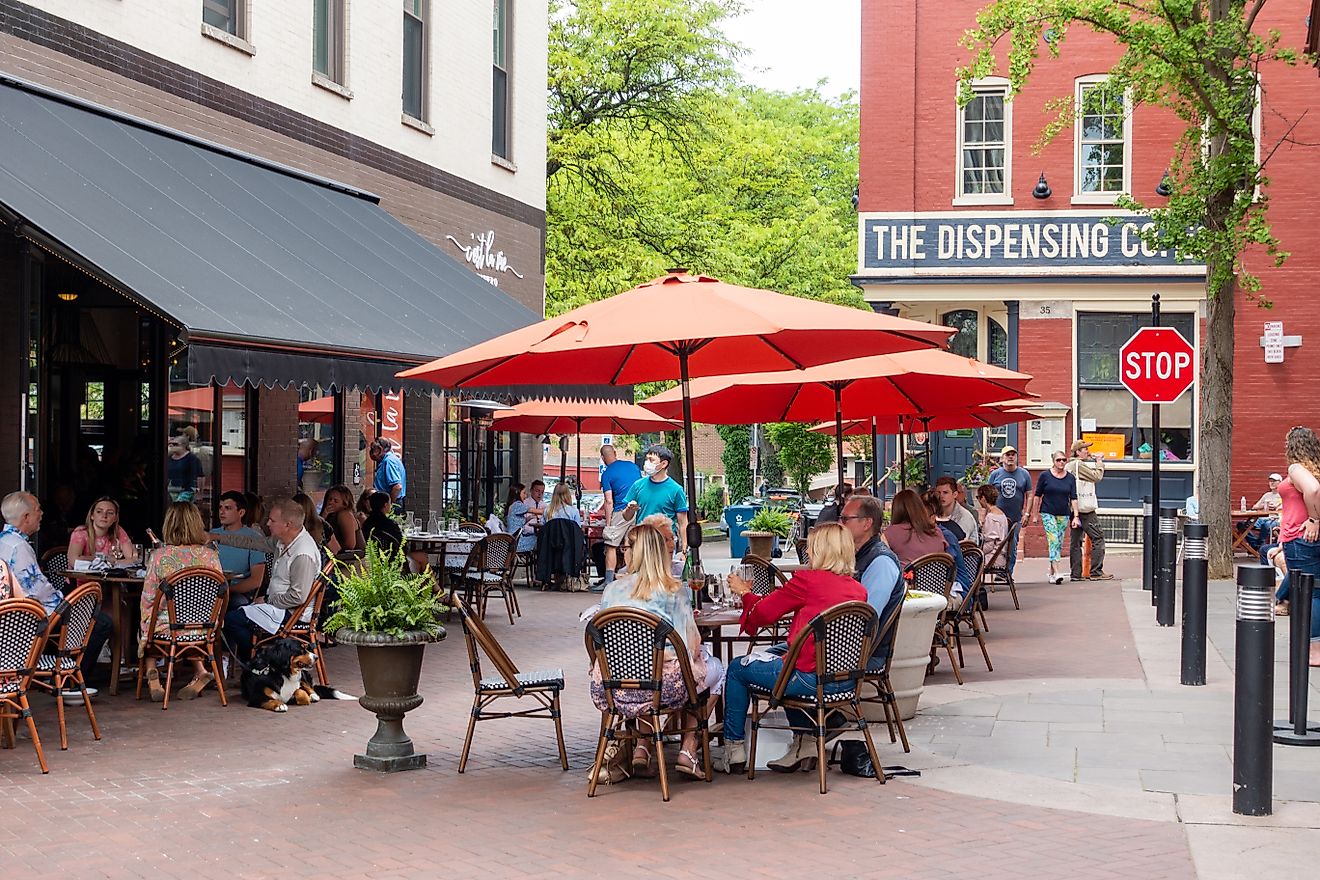
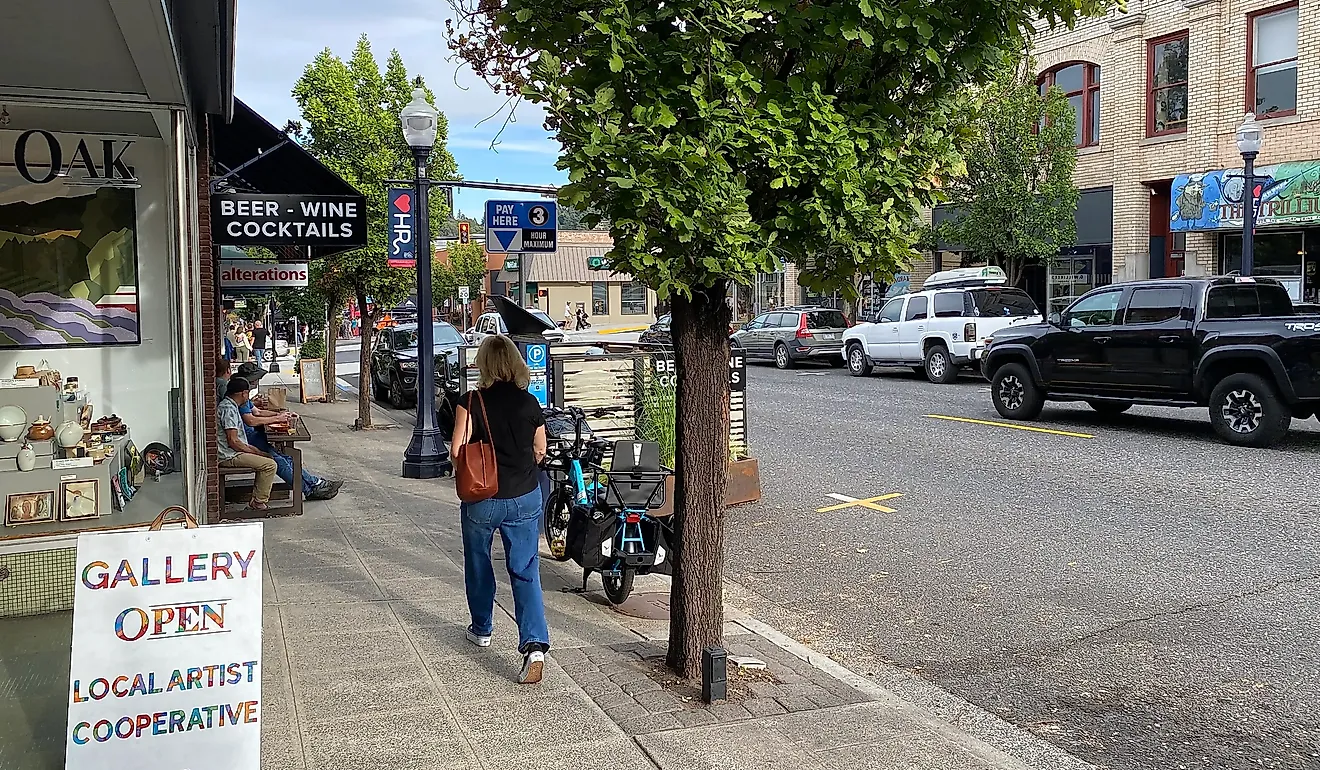
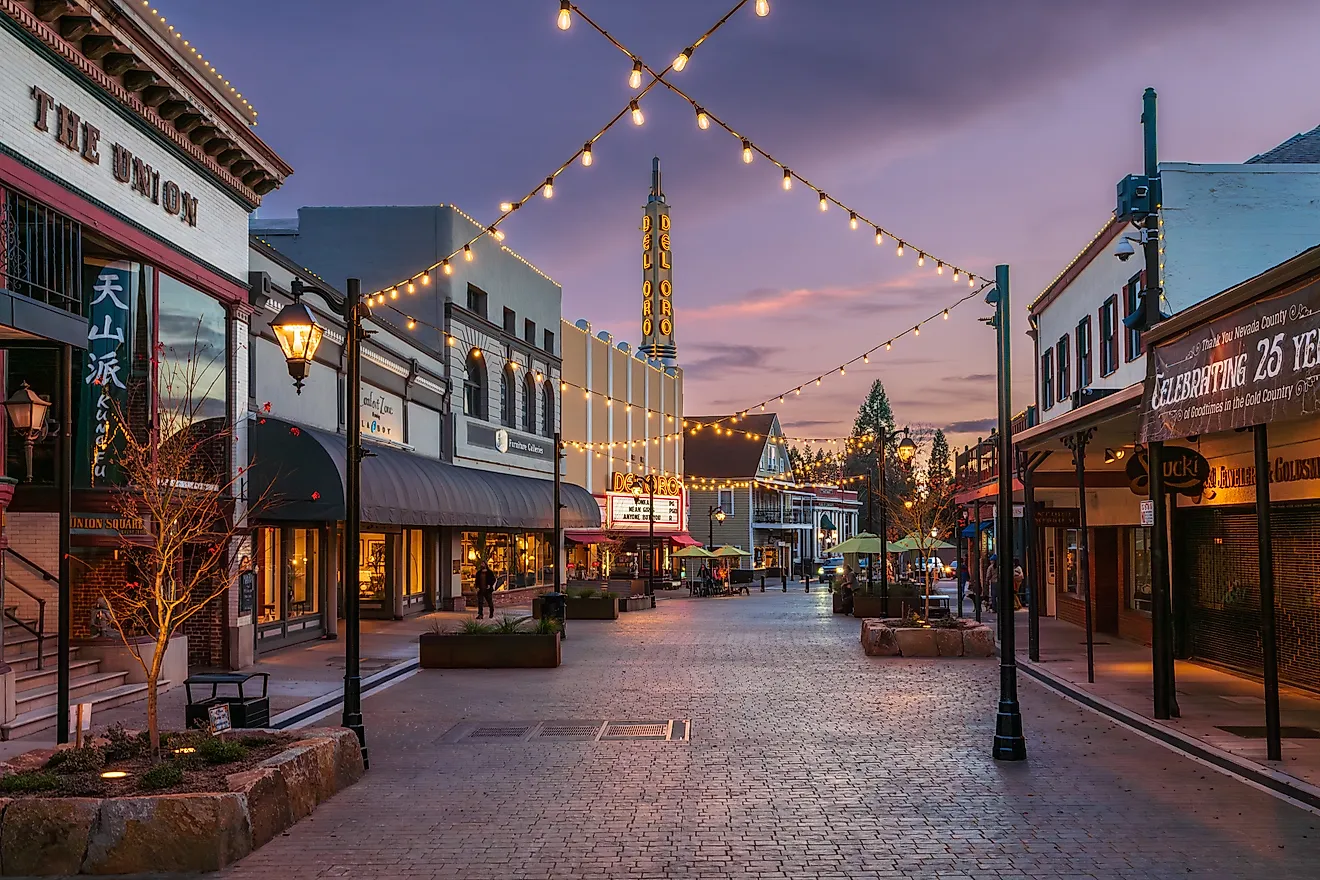
With all of that said, Batavia is no ghost town. This old railroad and windmill community has transformed itself into a steady commercial hub. The Saturday Morning Farmers' Market lines River Street through the warm months. The Boardwalk Shops open to local artisans each fair-weather season, and the retailers of the reimagined warehouse district (namely Warehouse 55) draw a weekend crowd. The result is a tastefully developed town that pays homage to the past, satiates weekend tourists, and still infuses nature at every turn.
Natural Attractions

Batavia's primary natural attraction is the Fox River itself. This 202-mile tributary of the Illinois River cuts straight through downtown and the remainder of Kane County, along with several others on its way in from Wisconsin. The flow is powerful, especially during the spring runoff. The Tri-Cities have all erected dams along the Fox, but they have also worked in unison to develop and preserve countless natural spaces throughout the valley.
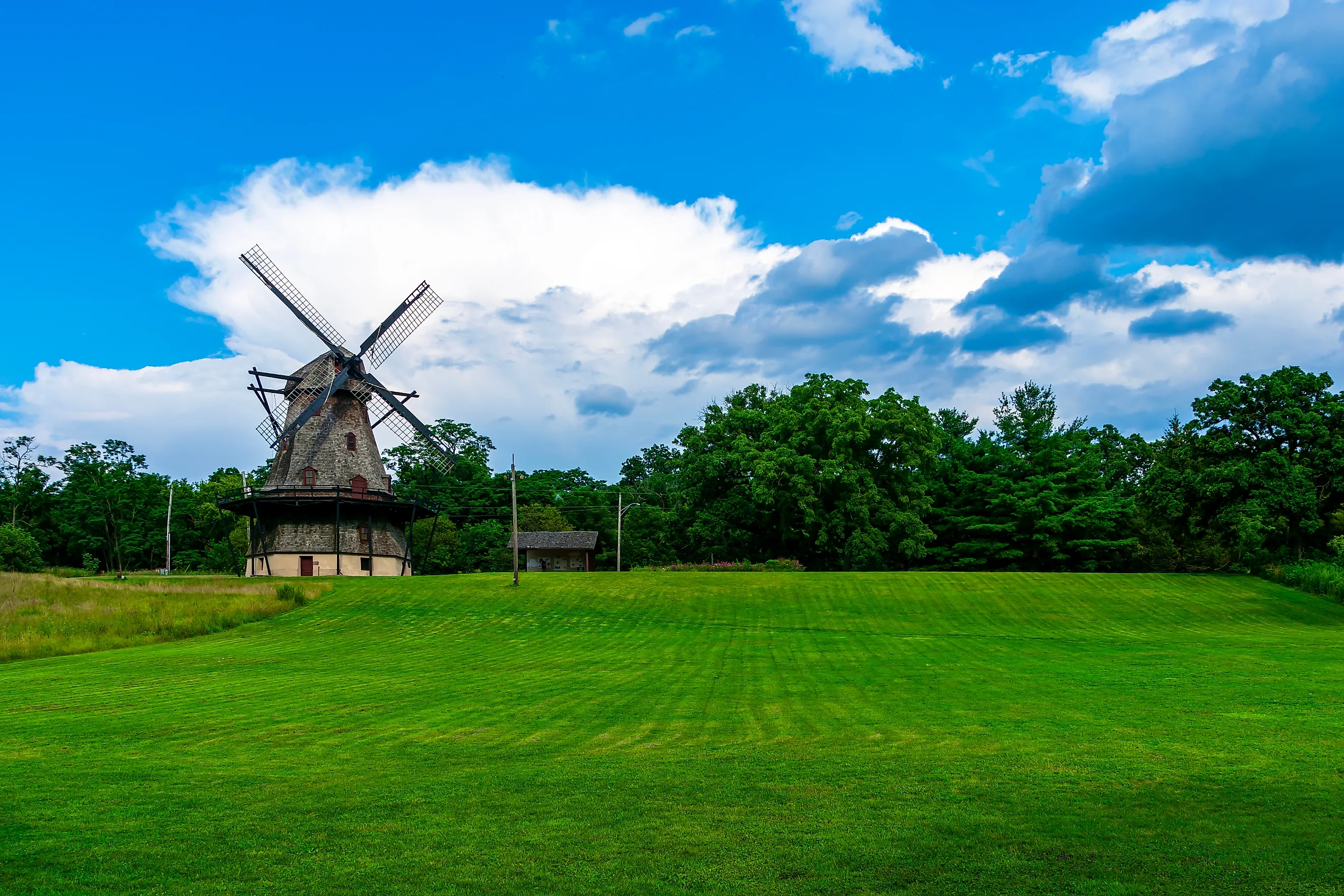
Starting at the north end of Batavia, where city limits give way to Geneva, the Fabyan Forest Preserve spans both shores of the waterway. The first of several pedestrian bridges links the two sides, revealing a Japanese Garden on one side, an authentic Dutch windmill on the other, and plenty of green space in between. From there, dual Fox River Trails descend on downtown Batavia, giving the option to cross over to the Batavia Riverwalk or, for an even more immersive river experience, Clark Island.
Cyclists or walkers armed with a packed lunch can then continue down to Glenwood Park Forest Preserve, Les Arends Forest Preserve, and the Red Oak Nature Center (with its six wood-chip trails and small caves). Those with wheels can also make the short drive west to Dick Young Forest Preserve, where a mix of wetlands, woodlands, and prairie landscapes welcomes horseback riders and self-propelled bipeds all the same.
Unique to Batavia

While neighboring Geneva and St. Charles enjoy similar access to the Fox River's paths and parks, only Batavia has such a pronounced public peninsula. The Batavia Riverwalk follows its entire perimeter, picking up right behind the Depot Museum, jogging up to the Riverwalk Gazebo, rounding by Batavia Dam, and then dropping down past the murals of Albright Community Theatre to the Peace on Earth Bridge (another standout segment of the Fox River Trail). This circuit is immediately available to Batavians looking for a pre-work walk, lunch-break reset, or post-dinner stroll. Kayak and paddleboat rentals are available at Depot Pond and south of the dam for anyone wishing to get out on the water.

Returning to Fabyan Forest Preserve, the way the town's cultural assets accent its natural spaces becomes clear. On the west side of the river, the Japanese Garden invites a tranquil meander. Installed in 1910 and restored in recent years at the behest of the Preservation Partners of the Fox Valley, this enclave is open with free admission from the beginning of May through the end of September on Wednesdays, Saturdays, and Sundays.
Opposite the Japanese Garden, standing atop a grassy hill, the Fabyan Windmill speaks directly to Batavia's cultural and manufacturing heritage. This 68-foot authentic Dutch design can be viewed from the outside at any time, and the interior is also open on Sundays between June and September.
Community and Accessibility

Strolling into Batavia for the first time, one can tell it is an environmentally conscious community. The streets are free of litter, the parks are well-kept, and 12-foot-tall block letters across the pedestrian bridge spell out "Peace on Earth," an initiative dreamt up by residents and enacted by the Batavia Parks Department. The collaboration is evident all over town and shows what is possible when capable agencies are paired with engaged populations.
Illinois, as a whole, is the master of satellite nature preserves, and Batavia certainly has its share. Part of this river town's appeal is that natural spaces and outdoor recreation are immediately accessible to all. Walkers, joggers, roller-bladers, cyclists, and skateboarders share the paved paths of the Fox River Trail. Bench-musers and anglers (hoping to snag some walleye, catfish, or bass) gravitate around the Batavia Dam. Bird-watching walks organized by the Forest Preserve District take place at different sites along the Fox Valley, such as Quarry Park. The Fox River is part of the Mississippi Flyway and is frequented by bald eagles and cranes, along with native favorites like the goldeneye mallards, cardinals, chickadees, and red-breasted nuthatches.

Even without braving the outdoors, Batavians are subtly influenced by their Fox River. On a rainy afternoon, Sturdy Shelter Brewing offers a riverside taproom that fills with a women's board game club on certain evenings and quiet pint-and-window-seat regulars otherwise. The river's presence is similarly felt across other key parts of town: City Hall, River Street, and the main drag of Wilson Street. The Fox is soothing when subdued by summer's heat or winter's ice. It also turns humbling when it threatens to flood every handful of springs, serving as a regular reminder of the power of nature behind the postcard.
Batavia's Overlooked Beauty

Batavia might live in the shadow of Chicago and it might get blended with other Fox Valley towns, but its natural allure and unique municipal punch-ups stand on their own. Unless visitors accidentally wander into the throes of the Saturday market, they are not likely to encounter much of a crowd. What they will find in this quiet Illinois town is a steady balance of water and trees, parks and preserves, paths and grass, and gardens and wildflowers. That is the beauty of Batavia.