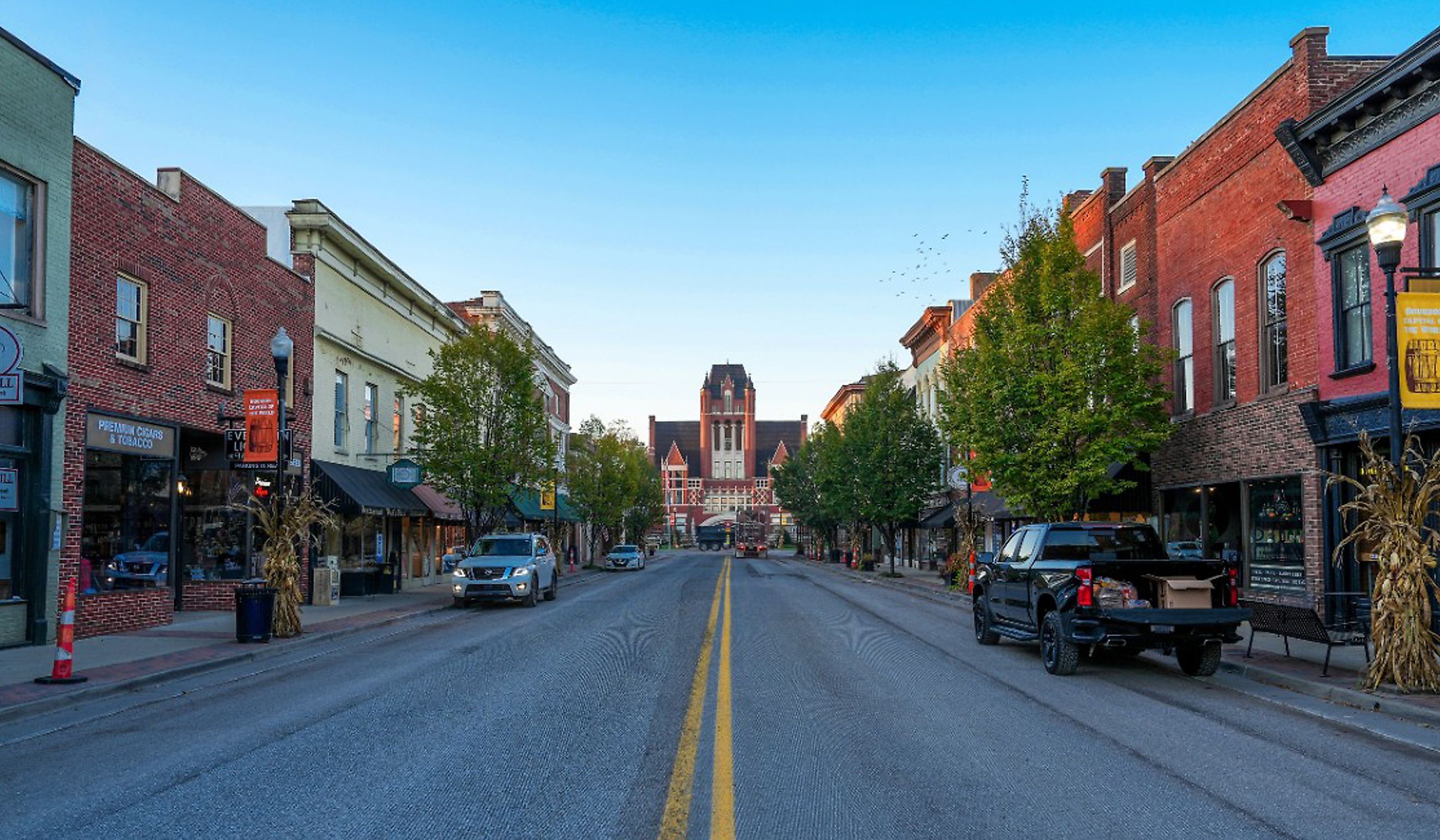
10 Kentucky Towns With A Slower Pace Of Life
Many small towns in Kentucky run on an unhurried rhythm built around specific local traditions. Bourbon distilleries anchor Bardstown in the centre of the Kentucky Bourbon Trail. Beer cheese was invented in Winchester. The KFC brand was born at Harland Sanders's roadside café in Corbin in the 1930s. Cumberland Falls south of Corbin is one of only two places in the Western Hemisphere where moonbows reliably form on clear full-moon nights, and the sandstone arch at Natural Bridge State Resort Park near Slade has drawn climbers and hikers to the Red River Gorge for over a century. The ten Kentucky towns below cover those slower-paced anchors.
Fort Thomas

Fort Thomas grew up around a US Army post that Congress authorised in 1887 on the Ohio River bluffs above Newport, replacing the flood-prone Newport Barracks downriver. The post was formally designated Fort Thomas in 1890 in honour of Union Civil War General George Henry Thomas, the "Rock of Chickamauga." Tower Park, the centre of the former military reservation, is anchored by the 102-foot Kentucky limestone Stone Water Tower built in 1890 to house a 100,000-gallon standpipe for the post. The tower remains the town's most recognisable landmark and stands beside Spanish-American War-era cannons captured in Havana Harbour. Surrounding Tower Park are walking trails, a playground, and the Community Center of Fort Thomas. Highland Hills Park on a nearby hilltop draws residents for disc golf and dog walking. Blue Marble Books on North Fort Thomas Avenue is one of the older independent bookstores in northern Kentucky, and the Village Players of Fort Thomas community theatre puts up plays year-round.
Bardstown

Bardstown sits at the centre of the Kentucky Bourbon Trail and is widely regarded as the Bourbon Capital of the World, with more producing distilleries than any other community in the state. The Heaven Hill Bourbon Experience runs guided tours of one of the largest family-owned distilleries in the country. The Oscar Getz Museum of Whiskey History at Spalding Hall holds rare bottles, pre-Prohibition advertising material, and Abraham Lincoln family documents tied to the Lincolns' time as Bardstown tavern keepers. The Women's Civil War Museum, also at Spalding Hall, interprets the contribution of women on both sides of the war. The Old Bardstown Village and Civil War Museum focuses on the war's western theatre. The Old Talbott Tavern, in operation since 1779, is one of the oldest continuously running western-stagecoach inns in the United States and still serves bourbon to walk-in visitors at its second-floor bar.
Winchester

Winchester is the birthplace of two distinctively Kentucky food-and-drink staples. Ale-8-One, the ginger-and-citrus soda introduced in 1926 by G.L. Wainscott and still produced exclusively in Winchester, remains one of the only regional soft drinks in the country to have resisted both consolidation and out-of-region distribution. The Ale-8-One Bottling Company runs public tours and a souvenir shop at the production plant. Beer cheese, the sharp cheddar-and-beer dip that became a Kentucky staple after its invention at Allman's Restaurant in nearby Clark County in the 1930s, is celebrated annually at the Beer Cheese Festival every June and along the year-round Beer Cheese Trail through Winchester pubs and restaurants. Fort Boonesborough State Park, 15 miles southwest of Winchester, preserves the reconstructed 1775 fort that Daniel Boone established on the south bank of the Kentucky River, with a section of the river's Palisades sandstone cliffs accessible from the park.
La Grange

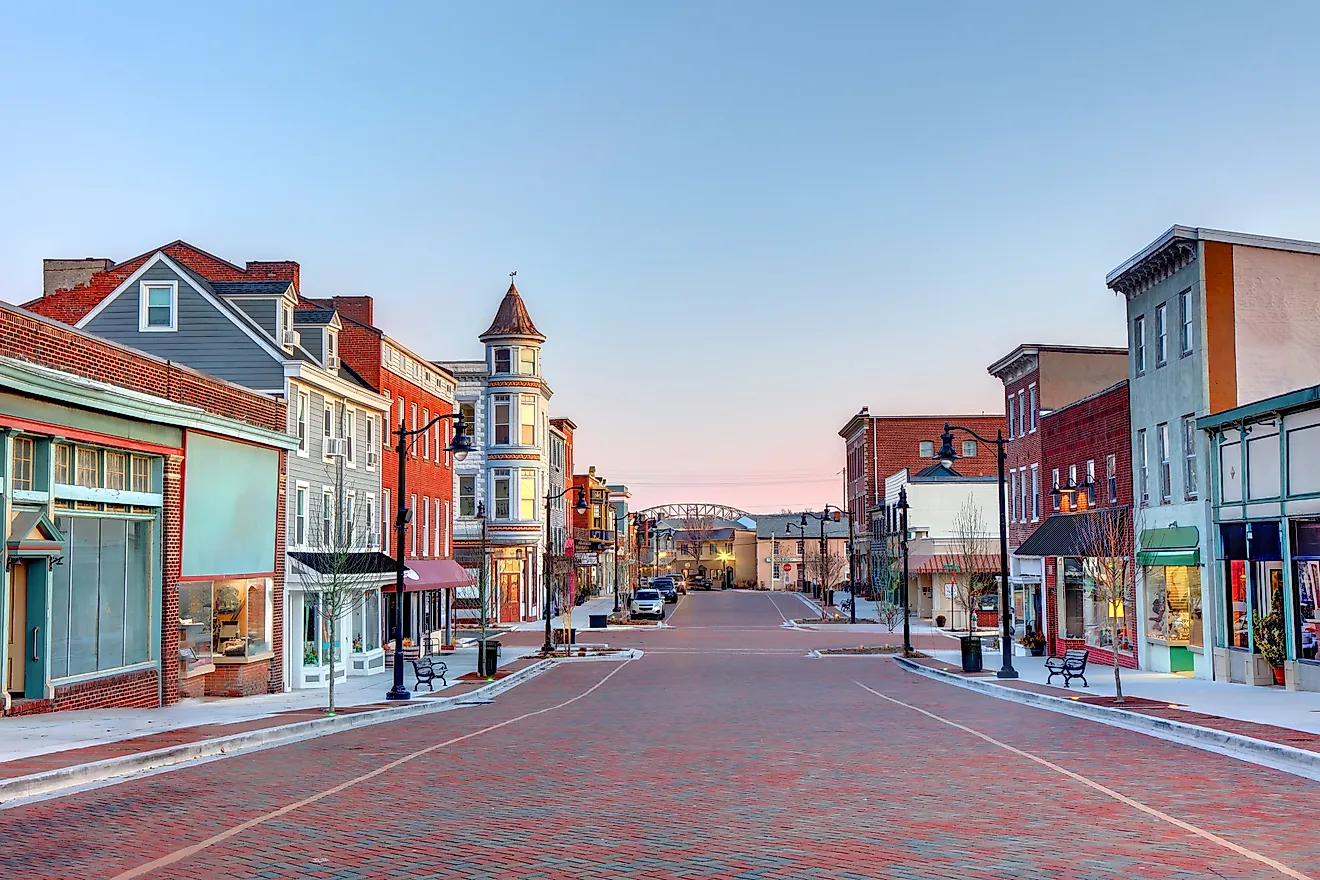
La Grange is one of the few American towns where active CSX freight trains still roll directly down Main Street, sharing the surface with cars, pedestrians, and storefronts. Up to twenty trains pass through downtown daily on the line that was originally the Louisville, Cincinnati & Lexington Railroad. The La Grange Railroad Museum and Learning Center documents that 19th-century rail history. The Sauerbeck Family Drive-In on La Grange Road is one of the few remaining family-owned drive-in theatres in Kentucky, with two screens showing first-run double features through the warm-weather months. The town markets itself as the Kindness Capital of Kentucky, and "Be Kind" signs are common in front yards along the residential streets running off Main.
Harrodsburg

Harrodsburg is the oldest permanent settlement west of the Allegheny Mountains, founded as a frontier fort in 1774 by Captain James Harrod, eighteen years before Kentucky achieved statehood in 1792. Old Fort Harrod State Park preserves a full-scale reconstruction of the original fort with blockhouses, log cabins, and period interpreters demonstrating frontier crafts. The Mansion Museum inside the park houses Revolutionary War and Civil War artifacts. The park's Lincoln Marriage Temple, an 1850s log structure, preserves the cabin in which Thomas Lincoln and Nancy Hanks (Abraham Lincoln's parents) were married on June 12, 1806. Shaker Village of Pleasant Hill, about seven miles northeast of Harrodsburg, is the largest restored Shaker community in the United States: 34 original 19th-century buildings on 3,000 acres of working farmland, operated as a living history museum and overnight inn.
Hodgenville

Hodgenville was the birthplace of Abraham Lincoln in February 1809, on a Sinking Spring farm owned by Lincoln's father Thomas. The Abraham Lincoln Birthplace National Historical Park preserves the site in two units: the Birthplace Unit, where a Greek-Revival granite-and-marble memorial building completed in 1911 encloses a symbolic birth cabin, and the Boyhood Home Unit at Knob Creek, where the Lincolns lived from 1811 to 1816 and where the young Abraham first attended a one-room schoolhouse. The Lincoln Museum in downtown Hodgenville interprets Lincoln's life through wax figures, period dioramas, and Civil War-era artifacts. The Lincoln Jamboree, in continuous operation since 1954, runs Saturday-night country music shows in a former church building converted to a 700-seat venue.
London

London markets itself as the Cycling Capital of Kentucky, anchored by a network of paved rural routes through the surrounding Daniel Boone National Forest foothills and a substantial mountain-biking trail system at Levi Jackson Wilderness Road State Park. The Redbud Ride, held every April, draws over a thousand cyclists from across the southeast on three signed routes of 27, 50, and 100 miles through the redbud-bloom countryside. Camp Wildcat Battlefield, about 12 miles southwest of London, preserves the site of the October 21, 1861 Battle of Wildcat Mountain, one of the earliest Union victories of the Civil War and a turning point in the Confederate retreat from eastern Kentucky. The battlefield's trail system runs through the original Union and Confederate positions on Wildcat Mountain itself.
Midway

Midway sits in the heart of the Inner Bluegrass horse country between Lexington and Frankfort and takes its name from being the literal midpoint of the Lexington and Ohio Railroad, which established the town in 1835 as one of the first railroad towns in the western United States. Active CSX freight trains still roll through the centre of Midway. The Midway-Versailles 28-Mile Bike Loop is one of the best-regarded cycling routes in the Bluegrass, running past several Thoroughbred horse farms and bourbon distilleries. Bluegrass Distillers operates a small-batch bourbon distillery and tasting room in town. Equus Run Vineyards, in operation since 1998, runs cellar-door tastings, garden tours, and summer concerts at its vineyard south of town. Weisenberger Mill, built in 1865 on South Elkhorn Creek, has been milling continuously for over 160 years and still sells flour, cornmeal, grits, and pancake mixes ground on its original water-powered turbines.
Corbin

Corbin is the birthplace of the KFC brand. Harland Sanders opened the Sanders Court & Café on US-25 in North Corbin in 1930 and developed his pressure-fried-chicken recipe through the 1930s and 1940s; the original café still operates today as a working KFC restaurant and the free Harland Sanders Café and Museum, with the kitchen, original dining room, and family living quarters preserved on the second floor. Colonel Fest every April includes Colonel Sanders look-alike contests, parades, and food vendors throughout downtown. The Pinball Museum of Corbin houses over 80 working pinball and arcade machines spanning the 1960s through the 2020s, all playable on free play with admission. Cumberland Falls State Resort Park, about 20 miles southwest of Corbin, holds the 68-foot Cumberland Falls along the Cumberland River. On clear nights around the full moon, the falls produce moonbows (full lunar rainbows visible in the mist), making Cumberland Falls one of only two places in the Western Hemisphere where the phenomenon reliably occurs.
Slade

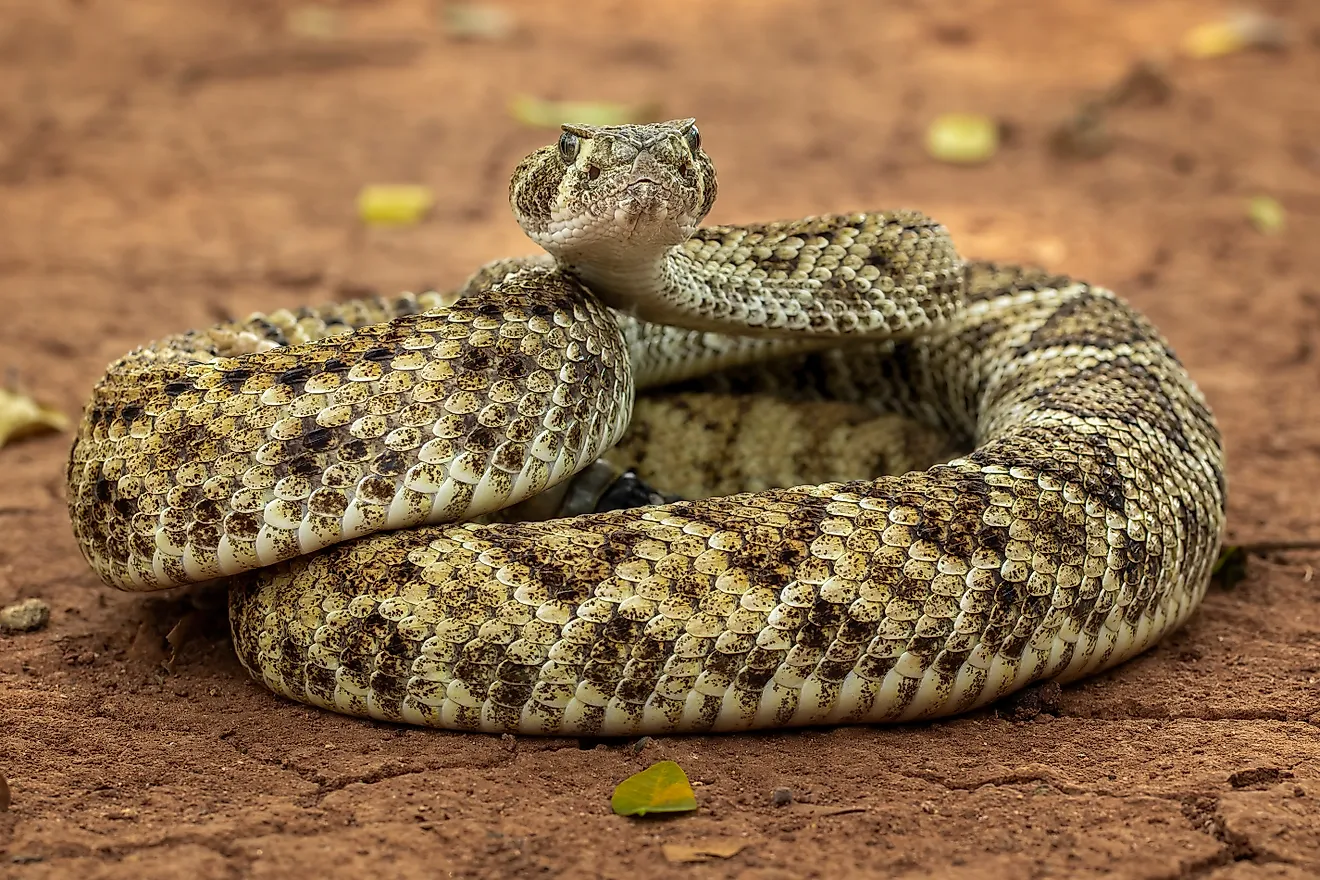
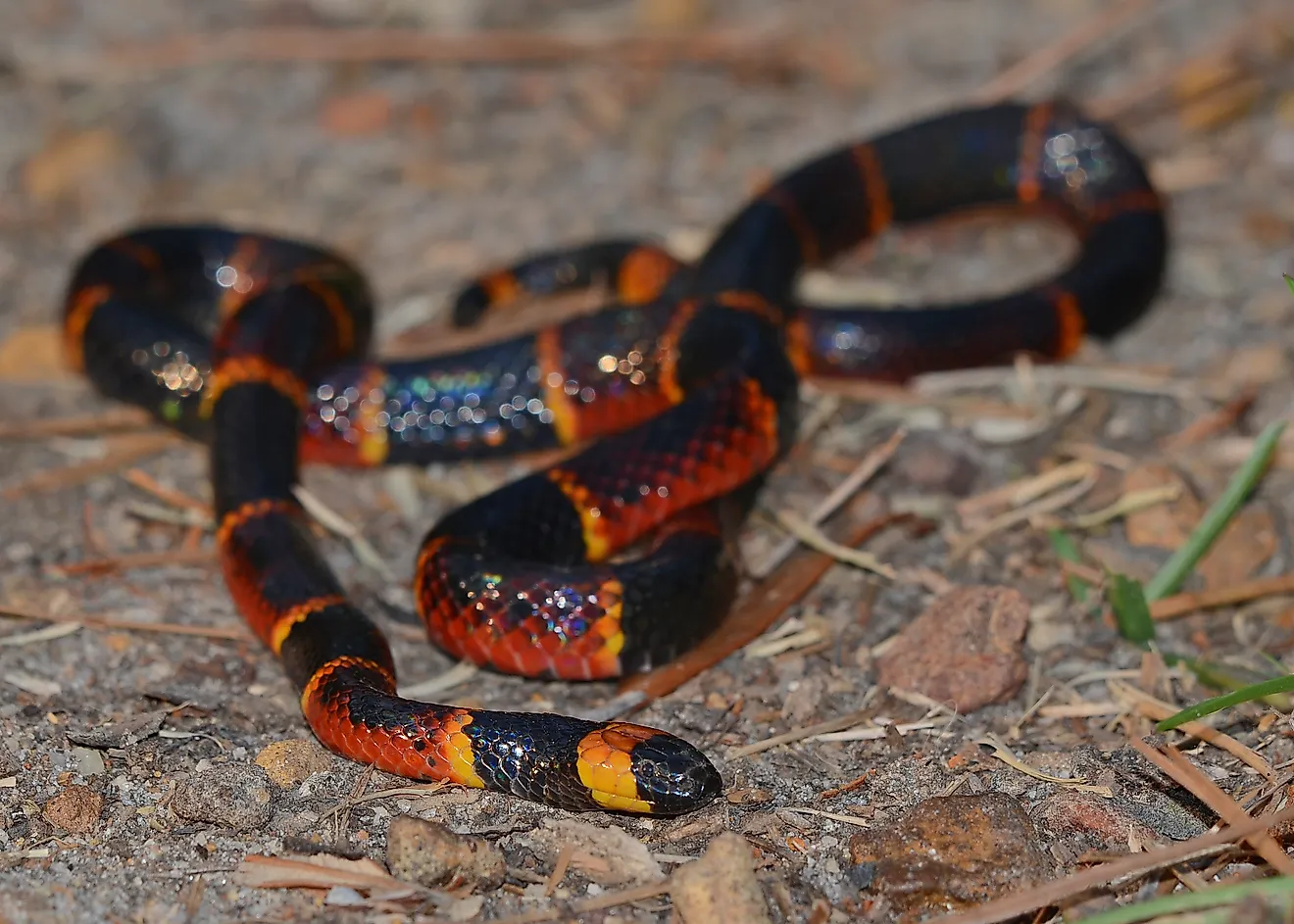
Slade sits at the edge of the Red River Gorge Geological Area, the canyon system cut by the Red River through the sandstone cliffs and ridges of the Daniel Boone National Forest. The Gorge holds over 100 named sandstone arches and is one of the most concentrated traditional and sport climbing destinations in the United States, with several thousand documented routes. Natural Bridge State Resort Park, immediately adjacent to the Gorge, preserves the 65-foot-tall, 78-foot-long sandstone arch that gives the park its name. The arch is accessible by foot via the half-mile Original Trail or by a 22-minute skylift ride to a hilltop viewpoint. The Kentucky Reptile Zoo on the road into the park focuses primarily on venomous snakes and operates an on-site venom laboratory that supplies antivenom-research programs and academic research labs worldwide.
The Anchors Across the Ten
The ten towns above cluster around four practical anchors. The Kentucky Bourbon Trail and Bluegrass food-and-drink belt (Bardstown, Winchester, Midway) carries the state's distilling and culinary heritage. Lincoln country (Hodgenville, Harrodsburg) holds the early-republic and pre-presidential Lincoln sites along with the oldest white settlement west of the Alleghenies. The Civil War battlefield circuit (London's Camp Wildcat, plus the Civil War museums in Bardstown) preserves the state's role as the most contested border state of the war. And the Daniel Boone National Forest belt (Slade, Corbin) anchors the outdoor recreation: climbing in the Red River Gorge, Cumberland Falls and its moonbows, and the trails feeding into both. Fort Thomas and La Grange round out the list as the two northern Kentucky outliers, the first carrying the post-Civil War military history of the Cincinnati-Northern Kentucky region and the second the working-railroad-town character that has nearly vanished elsewhere in the country.